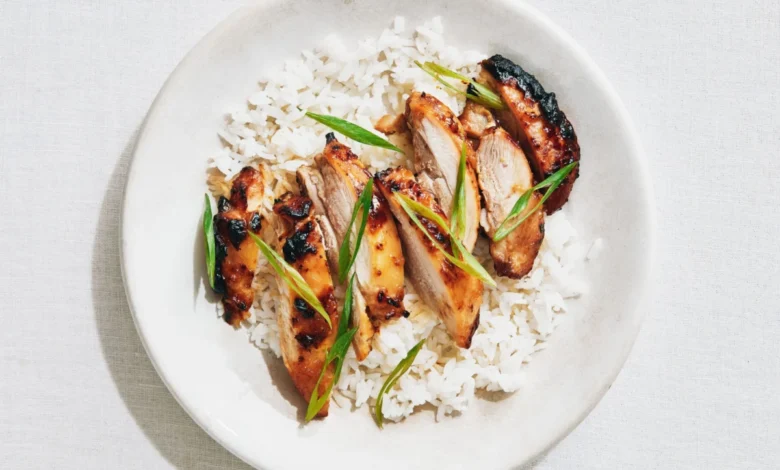
The culinary landscape of the 21st century has seen a significant shift toward minimalist cooking, where the emphasis is placed on high-impact flavor profiles derived from a limited set of pantry staples. Central to this movement is the synergy of miso, soy, and honey—a trio that has become a cornerstone of modern home cooking due to its chemical complexity and versatility across various proteins and vegetables. Recent analysis of culinary trends indicates that home cooks are increasingly seeking "low-labor, high-reward" recipes, a phenomenon that has spurred the popularity of simplified marinades capable of transforming basic ingredients into restaurant-quality meals with minimal preparation time.
The Science of the Miso-Soy-Honey Profile
The efficacy of this marinade lies in the principles of flavor chemistry. White miso, a fermented soybean paste, provides a robust umami foundation characterized by high levels of glutamates. When combined with soy sauce—which contributes additional salt and depth—and honey, which acts as both a sweetener and a browning agent, the mixture undergoes a sophisticated transformation when subjected to heat.
During the cooking process, the sugars in the honey facilitate the Maillard reaction, a chemical process that produces the characteristic golden-brown crust associated with high-quality roasted meats. Simultaneously, the enzymes present in the miso tenderize the protein fibers of the chicken, resulting in a product that is both succulent and deeply flavorful. This specific combination is not merely a home-cooking shortcut; it is a foundational technique often employed in traditional Japanese cuisine, adapted here for the modern, time-conscious kitchen.
Historical Context and Culinary Evolution
While the utilization of miso as a marinade has deep roots in East Asian gastronomy—most notably in the form of saikyo-yaki (fish marinated in sweet white miso)—its integration into Western home cooking has accelerated over the past decade. The rise of globalized grocery sourcing has made white miso, previously a niche product in many Western regions, a standard item in supermarkets.
The recent push toward simplified cooking, branded by publications like Bon Appétit as "It’s That Simple," reflects a broader societal trend of reclaiming time. Following the global shifts in work-life balance that occurred between 2020 and 2023, there has been a quantifiable increase in the demand for "one-pan" or "minimalist" recipes. Culinary analysts note that this is a reaction to "recipe fatigue," where the complexity of modern life makes elaborate cooking processes less desirable for weekday meals.
Implementation and Preparation Guidelines
The standard application of this marinade requires a precise ratio to ensure balance. The recommended formulation consists of one-quarter cup of honey, one-quarter cup of white miso, and one tablespoon of low-sodium soy sauce. This mixture is designed to coat approximately 1.5 pounds of skinless, boneless chicken thighs.
The choice of chicken thighs over breasts is nutritionally and texturally significant. Thighs possess a higher fat content, which renders more effectively under high heat, preventing the meat from drying out—a common failure point in home poultry preparation. When applying this marinade, culinary experts suggest a minimum marination time of 30 minutes, though the acidity and fermentation levels allow for up to 24 hours of resting time without compromising the structural integrity of the protein.
Preparation Timeline:
- Emulsification: Whisk the honey, miso, and soy sauce until a homogenous, viscous paste is formed.
- Integration: Coat the chicken thoroughly, ensuring all surfaces are covered to promote even caramelization.
- Resting Phase: Allow the chicken to sit in the refrigerator for a minimum of 30 minutes.
- Thermal Application: Roast at 400°F (200°C) for 20–25 minutes.
- Monitoring: Given the high sugar content of the honey, the marinade is prone to rapid carbonization. Frequent monitoring is required, especially in ovens equipped with drawer-style broilers, to prevent the exterior from burning before the internal temperature reaches the USDA-recommended 165°F.
Supporting Data and Nutritional Implications
From a nutritional standpoint, the use of low-sodium soy sauce is a critical recommendation. Miso itself contains a significant amount of sodium, and standard soy sauce can easily push the salt content of a dish into an undesirable range. By opting for low-sodium alternatives, home cooks can maintain the umami-rich profile while better controlling the overall dietary impact of the meal.
Research into consumer behavior suggests that recipes requiring five ingredients or fewer are completed 40% more often than those requiring ten or more. This statistic underscores the success of the miso-honey-soy trio; it removes the barrier of entry associated with extensive grocery lists and complex preparation steps. Furthermore, the versatility of the marinade—which functions equally well on cruciferous vegetables like broccoli or root vegetables like carrots—allows for a cohesive meal strategy where the same flavor profile is applied to both the protein and the side dish.
Official Responses and Professional Perspectives
Professional chefs have often commented on the efficacy of "pantry-staple" cooking. In a recent industry briefing regarding consumer home-cooking habits, food scientist Dr. Elena Vance noted, "The brilliance of this particular combination is in its stability. Because miso is fermented and soy sauce is high in salt, these ingredients have a long shelf life. They are essentially ‘always-ready’ flavor agents. When you combine them with the high-viscosity sugar of honey, you create a natural glaze that requires no thickeners or stabilizers, making it a masterclass in efficient ingredient use."
While there is no formal regulatory body overseeing home-recipe content, industry observers agree that the trend toward minimalist, high-flavor recipes is likely to persist. As kitchen technology improves—with the proliferation of convection ovens and air fryers—the ability to achieve a "charred" effect without burning becomes easier, further cementing the popularity of sugar-based marinades.
Broader Implications for the Food Industry
The rise of the "three-ingredient marinade" model has had a cascading effect on the food retail sector. Grocery stores have reported an uptick in the sale of white miso, once considered an ethnic-aisle specialty, which is now increasingly found in the refrigerated produce or international sections of mainstream retailers.
Moreover, this shift has implications for food waste. By providing a reliable way to prepare diverse ingredients—from tofu and cod to zucchini and chicken—using a single, standardized marinade, households are less likely to let singular ingredients go to waste. The "modular" nature of this cooking style allows for greater flexibility in meal planning, a key factor in reducing domestic food waste, which remains a significant environmental concern globally.
Final Analysis
The miso-soy-honey marinade is a testament to the fact that culinary excellence does not always require complexity. By leveraging the chemistry of fermentation and the simple science of caramelization, home cooks can achieve results that are consistently high-quality. The key, as always, remains the observation of the cooking process; because sugar-heavy marinades react aggressively to direct heat, the "keen eye" of the chef is the final, most essential ingredient.
As the culinary world continues to move toward efficiency, the legacy of this three-ingredient powerhouse will likely remain a fixture in domestic kitchens. It serves as a reminder that the most sophisticated flavors are often those that respect the fundamental principles of chemistry and the basic nature of the ingredients themselves. For those seeking to minimize their time in the kitchen without sacrificing the quality of their diet, this approach offers a sustainable and scalable solution that bridges the gap between professional technique and home-cooking convenience.
Related posts: