Sydney, the capital of New South Wales and Australia’s most populous city, has long served as a primary gateway for international tourism in the Asia-Pacific region. With a population exceeding 5.3 million, the city offers a complex blend of colonial history, modern urban infrastructure, and coastal geography. For travelers planning an initial visit, a five-day itinerary provides a balanced timeframe to examine the city’s major landmarks, transport networks, and cultural hubs without the constraints of a high-intensity schedule. Recent transit data and tourism reports indicate that the city’s connectivity—facilitated by an integrated system of ferries, light rail, and suburban trains—remains a critical factor in its accessibility for short-term visitors.
The Urban Landscape and Historical Context
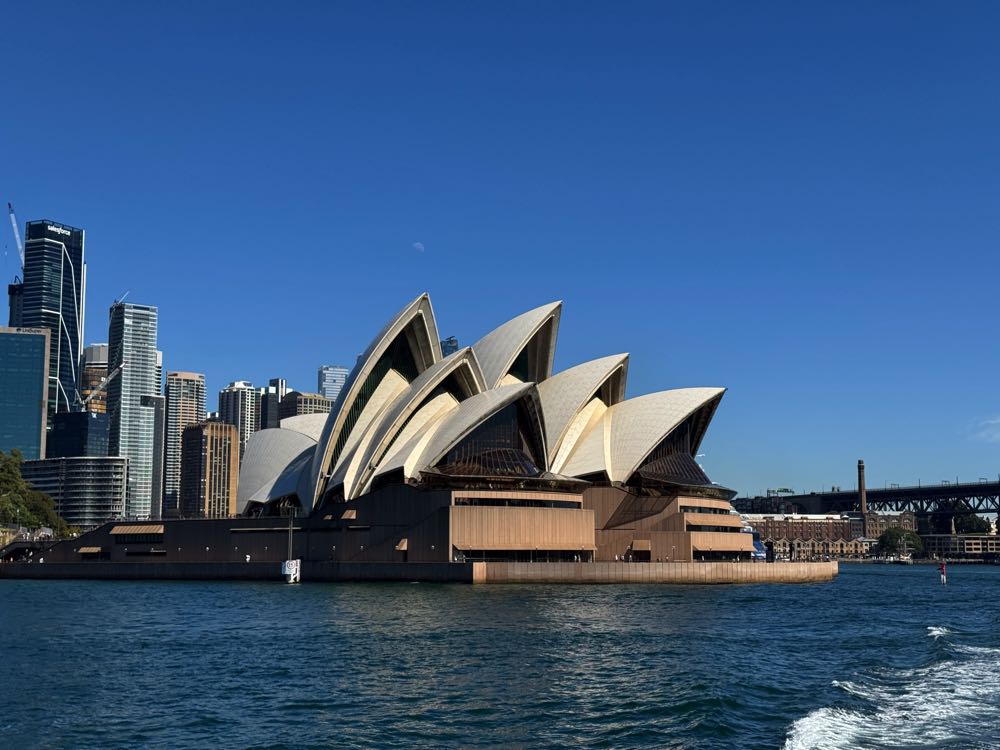
The city’s layout is defined by its harbor, which acts as the geographical and historical anchor of the metropolitan area. Established in 1788, Sydney has evolved from a penal colony into a global financial center. The historical core, known as The Rocks, provides a window into the city’s early development. It sits at the base of the Sydney Harbour Bridge, a steel arch bridge completed in 1932 that remains one of the world’s most recognizable engineering feats. Nearby, the Sydney Opera House, designed by Jørn Utzon and opened in 1973, functions as a UNESCO World Heritage site and a symbol of Australian architectural ambition. These sites, located at Circular Quay, serve as the nexus for the city’s maritime transit system, moving millions of commuters and tourists annually.
Chronological Five-Day Itinerary Framework
A methodical approach to exploring Sydney prioritizes geographical clustering to maximize efficiency.
Day 1: The Harbor and Civic Core
The first day is traditionally dedicated to the harbor precincts. Visitors typically begin at Circular Quay, moving toward the Opera House and the historic Rocks district. The latter contains the Fortune of War, recognized as Sydney’s oldest public house, established in 1828. A maritime perspective of the cityscape is often sought via evening harbor cruises, which offer a logistical advantage by providing a panoramic view of the skyline’s illumination, including the central business district (CBD) and the North Shore.
Day 2: Coastal Geography and the Bondi-Coogee Corridor
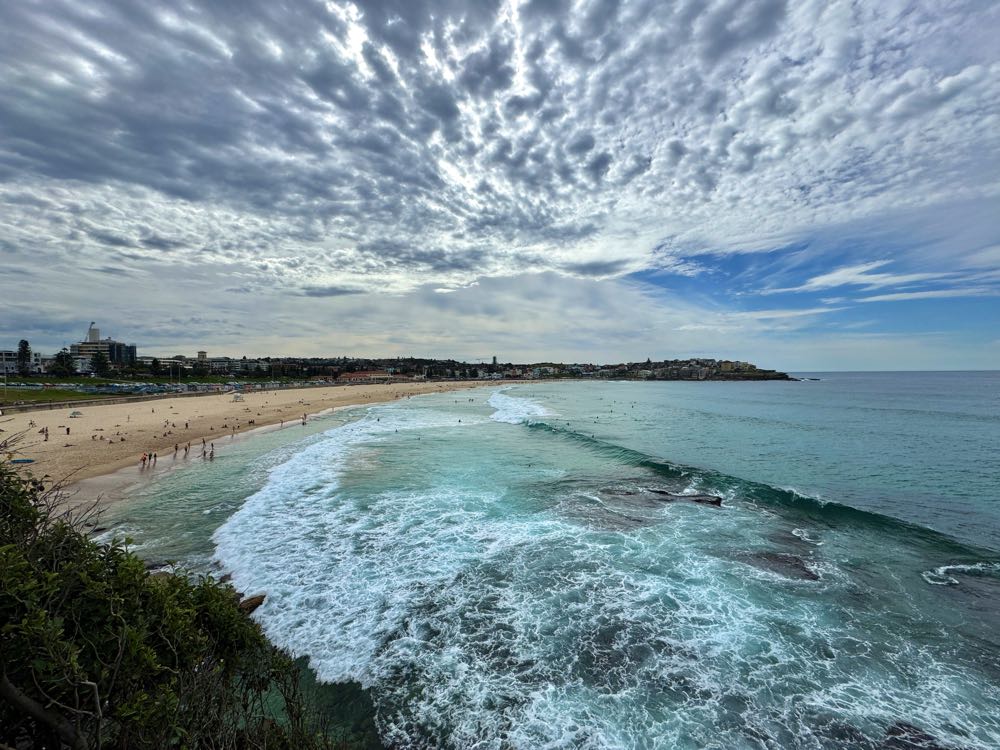
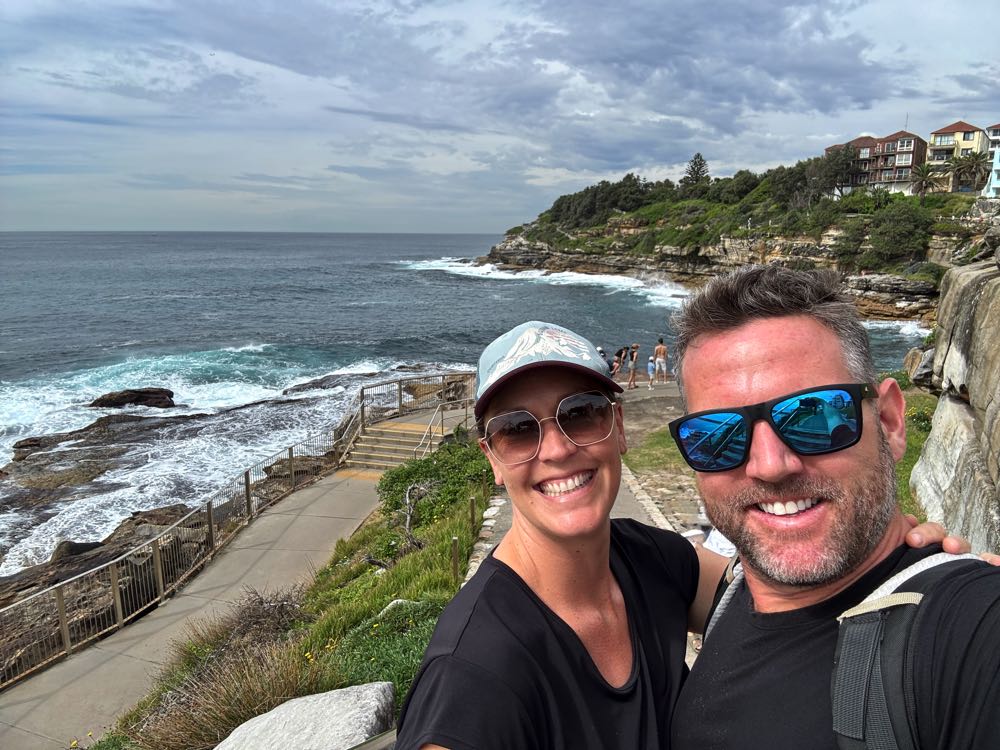
The second day shifts focus to the eastern suburbs, specifically the coastal walk connecting Bondi Beach to Coogee. This 6-kilometer path traverses rocky headlands and serves as a major recreational artery. Bondi, known globally for its surf culture and the Bondi Rescue lifeguarding operation, represents a significant segment of the local tourism economy. The walk encompasses Tamarama and Bronte beaches, highlighting the geological diversity of the coastline.

Day 3: Architectural Landmarks and Botanical Integration
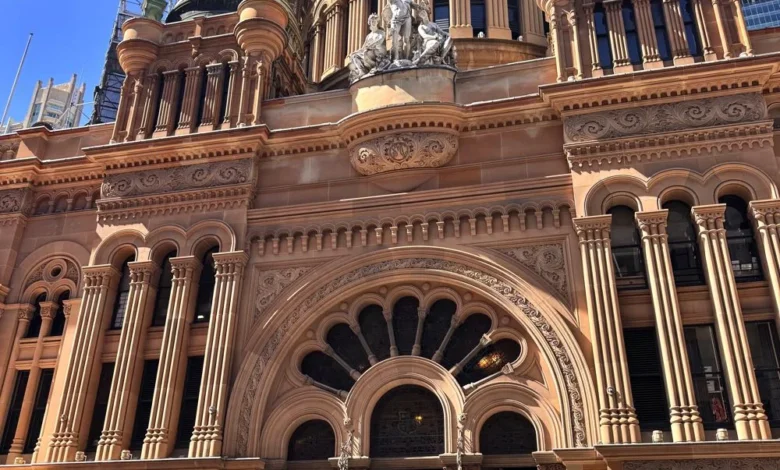
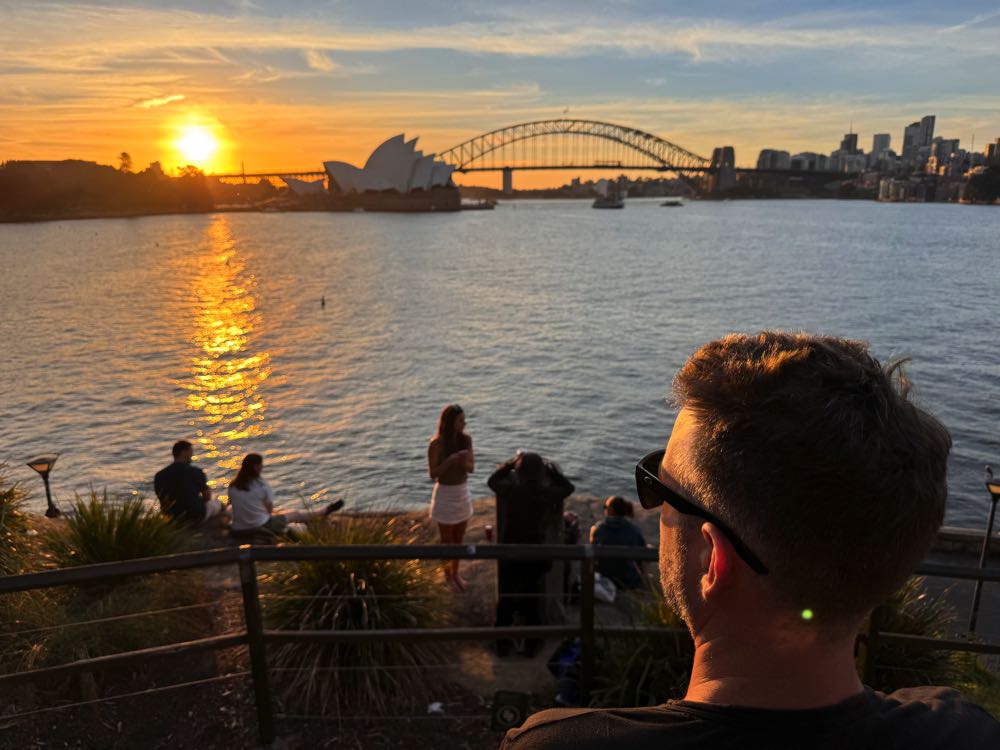
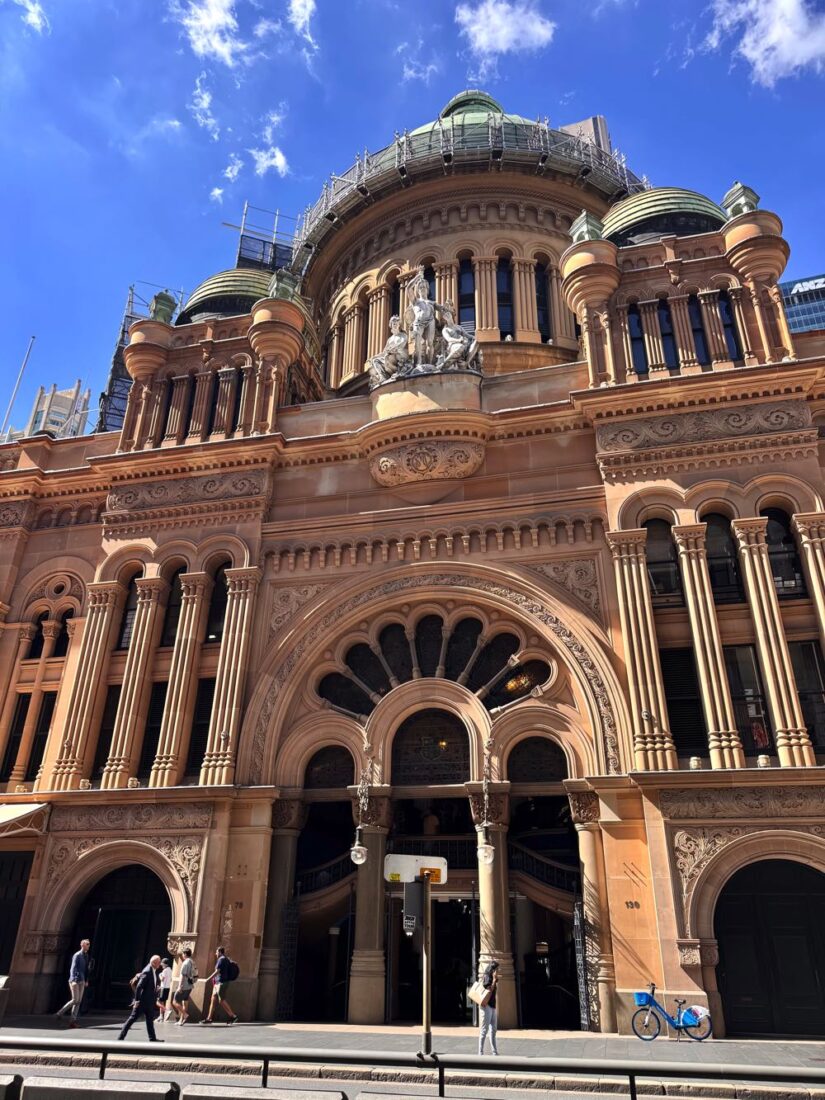
The third day focuses on the CBD, anchored by the Queen Victoria Building (QVB). Constructed in the Romanesque Revival style and completed in 1898, the building reflects the economic prosperity of the late 19th century. Subsequent movement toward Hyde Park and the Royal Botanic Garden illustrates the city’s commitment to public green space. Mrs. Macquarie’s Point offers a strategic vantage point for observing the convergence of the harbor’s major landmarks at sunset.
Day 4: Maritime Transit and the Northern Beaches
Manly serves as the primary destination for the fourth day. Accessible via a 30-minute ferry journey from Circular Quay, Manly represents a distinct shift from the density of the CBD to a more suburban, beach-oriented atmosphere. The transit itself is a vital component of the experience, offering views of the harbor’s islands and the heads. The proximity of Manly to Shelly Beach provides an environment conducive to marine recreation, including snorkeling and swimming in protected waters.
Day 5: Synthesis and Elevated Perspectives
The final day is reserved for specialized tours and high-altitude observation. The Sydney Tower Eye, standing at 309 meters, provides a comprehensive view of the Sydney Basin. Incorporating a professional walking tour at this stage of the trip allows for a retrospective analysis of the history and social fabric of the city’s neighborhoods, such as The Rocks or the Surry Hills district, which may have been overlooked during the initial orientation phase.
Supporting Data and Infrastructure Efficiency
Sydney’s transport infrastructure is categorized by the "Opal" smartcard system, which unifies the train, bus, and ferry networks. According to Transport for NSW, the integration of these services is essential for managing the movement of both local residents and visitors. The efficiency of the ferry network—particularly the F1 Manly service—is a critical piece of urban mobility, allowing for the transit of large volumes of people between the northern suburbs and the city center.
Tourism impact reports indicate that visitors who engage with public transit rather than private vehicle rentals report a higher satisfaction rate regarding their ability to access diverse districts. The walkability of the CBD, combined with the reliability of the light rail and rail lines, suggests that private car ownership is unnecessary for the average five-day visitor.
Cultural and Economic Implications
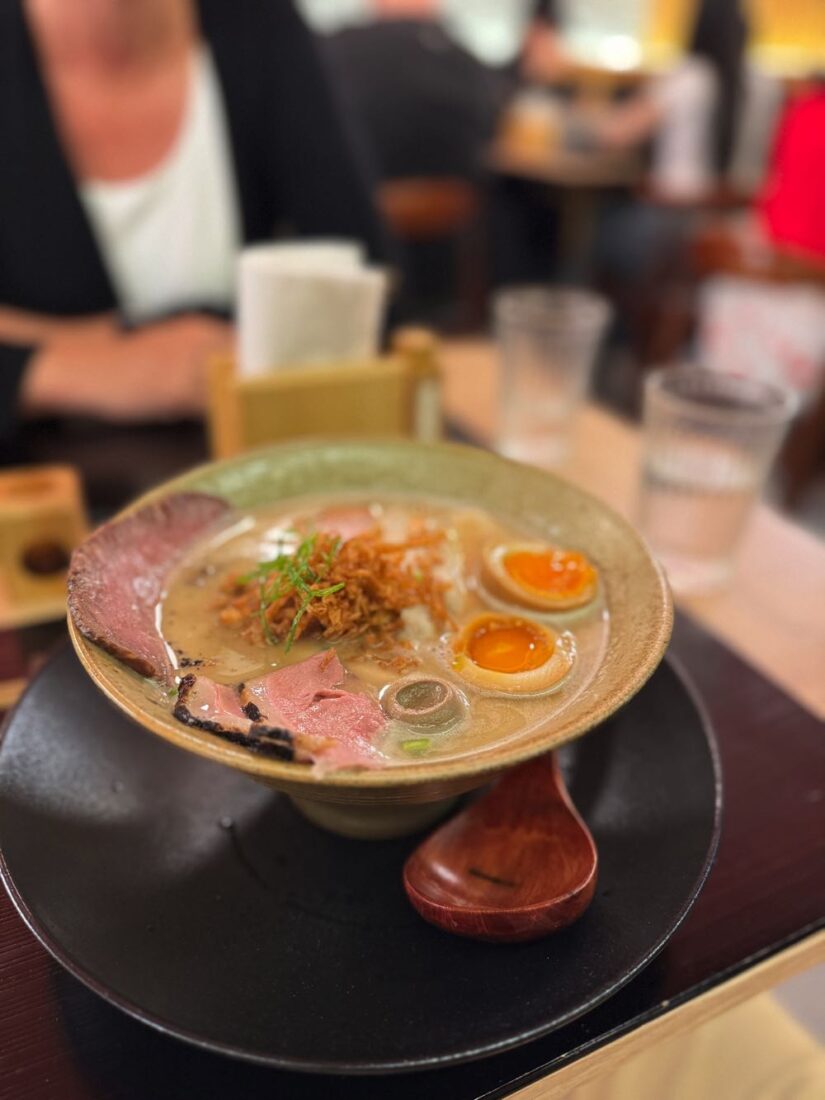
The emphasis on Asian cuisine, particularly in the CBD and Chinatown precincts, reflects the demographic shift and cultural integration that has defined Sydney over the last four decades. Establishments like Mensho Tokyo are illustrative of the current culinary landscape, which increasingly emphasizes high-quality, niche dining experiences that attract both domestic and international demographics. This trend supports a robust hospitality sector, which contributes significantly to the state’s GDP.
Expert Perspectives on Urban Tourism
Urban planners and tourism officials frequently cite the "Sydney model" of development as a successful integration of high-density urban living with extensive public access to natural assets. By preserving the harbor frontage and maintaining protected coastal zones like the Bondi-to-Coogee walk, the city ensures the sustainability of its primary tourism products.
The "5-day" threshold is often cited by travel industry experts as the "sweet spot" for urban exploration. It is long enough to overcome the initial disorientation of a new city but short enough to maintain high engagement levels. Furthermore, this timeframe allows for the inclusion of "flex days," which are crucial for adapting to the city’s variable weather patterns, particularly given the sub-tropical climate of New South Wales.
Conclusion and Future Outlook
Sydney remains a pivotal destination in the global tourism hierarchy. Its ability to leverage its historical colonial architecture, modern harbor-side infrastructure, and natural coastal beauty provides a unique value proposition. The evidence suggests that a five-day itinerary, when executed with a focus on public transit and localized exploration, allows for an in-depth understanding of the city’s multifaceted identity. As the city continues to develop, the balance between accommodating increased visitor numbers and preserving the integrity of its environmental and cultural landmarks will remain the primary focus of municipal and tourism authorities. For the visitor, the key to a successful experience lies in the strategic use of the city’s existing, well-integrated transit infrastructure to move fluidly between the urban core and the periphery.