The Story Behind Fat Pika Week And The High-Alpine Survival Tactics Of The American Pika

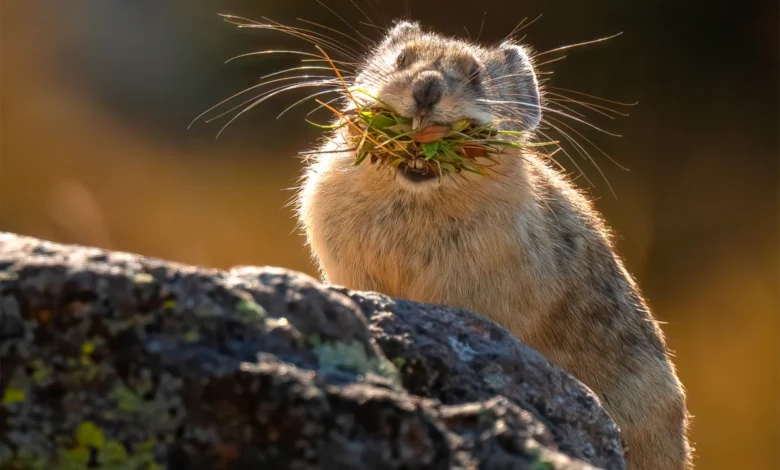
High above the timberline in the rugged mountain ranges of western North America, a diminutive relative of the rabbit spends its entire summer engaged in a grueling marathon of agricultural labor. Weighing a mere six ounces and lacking the evolutionary luxury of hibernation, the American pika must secure its survival long before the first winter blizzard buries the rocky talus slopes in deep snowpacks. To endure the freezing months hidden beneath the snow, the pika undertakes a relentless seasonal routine, executing up to one hundred foraging runs a day. Using its sharp incisors, the animal cuts down native grasses, wildflowers, and foliage, carefully curing the vegetation in the sun before stashing it away. The resulting winter food cache—known as a haypile—can scale up to an astonishing sixty pounds, which is roughly 150 times the body weight of the industrious creature that built it.
While these pocket-sized mammals have long fascinated mountaineers, biologists, and backcountry hikers with their vocalizations and industrious habits, they have recently captured the public imagination through a lighthearted yet conservation-minded digital phenomenon: Fat Pika Week. Modeled after the National Park Service’s wildly popular Fat Bear Week, this annual celebration highlights the robust, well-fed appearances of high-alpine pikas at the end of the summer season. Beyond the viral appeal of roly-poly rodents preparing for winter, the campaign serves as an essential public education tool orchestrated by outdoor photographers and wildlife advocates to draw attention to the severe environmental pressures facing alpine ecosystems.
Origins and Evolution of Fat Pika Week
The concept of Fat Pika Week traces its roots to the high-elevation fieldwork of photographer Deidre Denali Rosenberg. For over a decade, Rosenberg has immersed herself in the alpine zone, traversing deep talus fields, alpine meadows, and the stark transitional boundaries where dense forests give way to barren rock and scrub. These rugged environments represent prime real estate for the American pika (Ochotona princeps), an animal known for being exceptionally photogenic, distinctively vocal, and, during the late summer months, remarkably rotund.
Over years of tracking and photographing individual pikas across the Four Corners region of the American Southwest, Rosenberg began recognizing specific animals season after season. By the late summer of 2010s—specifically crystallizing around 2020—Rosenberg noticed a recurring seasonal trend among the populations she monitored: as the autumn chill approached, these tiny mammals reached unprecedented levels of chubbiness. Recognizing the inherent charm of these sturdy little herbivores, Rosenberg launched Fat Pika Week as a playful digital campaign.
The initiative was designed to mirror the success of Fat Bear Week at Katmai National Park in Alaska, leveraging internet culture to foster a deeper connection between the public and high-altitude wildlife. By showcasing photographs of pikas that have successfully gorged themselves on summer vegetation, the campaign invites wildlife enthusiasts to appreciate the sheer biological effort required for an animal to pack on enough weight to survive the winter. However, beneath the humorous veneer of "chubby and cute" lies a serious underlying message regarding climate change and habitat degradation.
Biological Realities of the American Pika
To understand why a fat pika is a healthy pika, one must examine the extreme physiology and behavioral adaptations of the species. Unlike marmots or bears, which accumulate fat layers to sleep through months of sub-zero temperatures in subterranean dens, the pika remains active all winter long. It does not hibernate; instead, it tunnels through the talus and beneath the snowpack, relying entirely on the nutritional value of the haypile it accumulated during the brief summer window.
The summer season in the alpine zone is intensely compressed, often lasting only a few short months between the spring melt and the autumn freeze. During this period, a pika must balance territorial defense, predator avoidance, and the critical task of harvesting vegetation. Their daily routine of up to one hundred foraging trips is an exercise in high-stakes energy management. Every blade of grass and stem of wildflower must be systematically harvested, laid out on flat rocks to dry in the alpine sun—a process that prevents mold and spoilage—and then meticulously packed into the crevices of the talus where their den is located.
A successful haypile is a matter of life and death. If a pika miscalculates the volume of food required or if summer droughts reduce the availability of palatable vegetation, the animal will likely starve before spring arrives. Therefore, seeing a pika enter the winter months in a state of robust health indicates that its local micro-habitat has provided adequate resources despite increasing environmental stressors.
Environmental Pressures and Climate Change Implications
While campaigns like Fat Pika Week use humor and aesthetic appreciation to engage audiences, conservation scientists emphasize that the American pika is one of the most visible biological indicators of climate change in North America. As a specialized cold-adapted species, the pika’s physiological limits make it exceptionally vulnerable to rising global temperatures.
Pikas possess a high basal metabolic rate and thick fur coats, adaptations that allow them to thrive in freezing alpine environments. However, these same traits become a liability when temperatures rise. In fact, an American pika can die of heat stress within hours if exposed to ambient temperatures exceeding 78 degrees Fahrenheit, even in the shade. Lacking sweat glands and unable to easily migrate to higher altitudes once they reach the peaks of their respective mountain ranges—a phenomenon known scientifically as "mountaintop trapping"—pikas have nowhere left to go as warming trends creep upward.
Furthermore, changing precipitation patterns directly threaten the pika’s winter survival strategy. The talus fields where pikas live rely heavily on insulating winter snowpacks to maintain stable sub-surface temperatures. When winters bring erratic snowfall or premature melting, the lack of an adequate snow insulating layer exposes the talus to extreme cold snaps, freezing the animals or destroying their underground food caches. Conversely, declining summer precipitation limits the growth of the alpine plants they depend on for both immediate energy and winter storage.
Chronology of Alpine Wildlife Advocacy
The evolution of alpine conservation messaging has shifted significantly over the past twenty years, moving from purely academic studies to community-driven digital outreach.
- Early 2010s: Photographers and naturalists like Deidre Denali Rosenberg begin documenting the localized behaviors of individual pika populations, noting shifting habitation patterns and localized disappearances in lower-elevation talus fields.
- Mid-2010s: Federal and state wildlife agencies, including the U.S. Fish and Wildlife Service, face growing pressure to evaluate the American pika for Endangered Species Act protections, though initial rulings determine that while localized extinctions are occurring, the species as a whole remains secure enough to avoid immediate federal listing.
- 2020: Against the backdrop of global disruptions, community-focused digital campaigns gain traction. Recognizing the viral blueprint established by Katmai National Park’s Fat Bear Week, independent nature advocates launch Fat Pika Week to celebrate the robust summer forms of high-altitude mammals.
- Present Day: Digital initiatives surrounding alpine wildlife continue to expand, utilizing social media platforms, independent journalism, and visual storytelling to bridge the gap between casual nature lovers and rigorous ecological research. Independent publications and conservationists use these viral windows to educate the public on the fragile nature of high-elevation biomes.
Broader Impact and Economic Significance of Alpine Biodiversity
The health of American pika populations serves as a bellwether for the broader integrity of western mountain ecosystems, which provide vital watershed services, recreational opportunities, and economic benefits to millions of people. Snowmelt from alpine zones feeds major river systems across the western United States, supporting agriculture, municipal water supplies, and multi-billion-dollar outdoor recreation industries, including skiing, hiking, and ecotourism.
When alpine flora and fauna experience stress from shifting climate parameters, the entire ecological web feels the impact. Predators such as weasels, martens, and raptors that rely on pikas as a primary food source face declining prey availability. Meanwhile, changes in alpine plant communities can alter soil stability and watershed dynamics.
By drawing public attention to these fragile environments through engaging campaigns, nature photographers and conservationists foster a constituency of informed advocates. When people connect emotionally with the image of a chubby, industrious pika preparing for winter, they are more likely to support broader conservation policies, public land protections, and climate mitigation strategies.
Ultimately, Fat Pika Week transcends its internet-meme origins. It stands as a testament to the resilience of life at the edge of survival, reminding observers that behind every viral photograph of a plump high-alpine mammal lies a complex, high-stakes narrative of endurance, adaptation, and environmental stewardship in a rapidly warming world.