The Evolution of Cannabis Tourism: How Legalization Sparked a Global Travel Boom

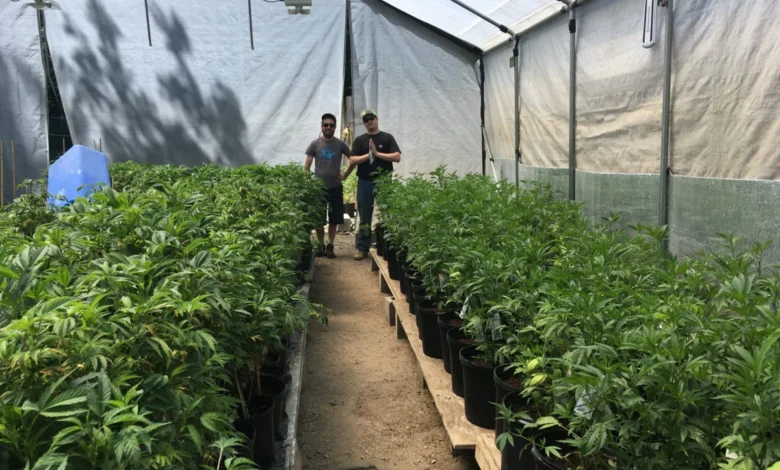
The global landscape of tourism is undergoing a profound transformation, driven largely by the expanding legalization of recreational and medicinal cannabis across North America and beyond. What was once an underground subculture has rapidly emerged into the mainstream economy, giving birth to a multi-billion-dollar niche known as cannabis tourism. From the rugged coastlines of Northern California to the towering peaks of Colorado and the cosmopolitan cities of Canada, entrepreneurs are redefining hospitality, agriculture, and regional travel. This paradigm shift not only provides novel experiences for enthusiasts and the cannabis-curious alike, but it also serves as a potent economic catalyst for local communities transitioning away from legacy industries.
A Paradigm Shift in Travel and Agriculture
The modern cannabis tourism industry is built upon a wave of legislative changes that have swept across North America over the past decade. The momentum accelerated significantly in late 2012, when Colorado and Washington became the first U.S. states to legalize recreational cannabis for adults. This milestone created an entirely new market segment. Prior to 2012, cannabis tourism in a legal commercial sense was virtually nonexistent.
Following Colorado’s pioneering move, the domino effect was swift. By late 2018, recreational cannabis was legal for adult use in ten U.S. states and the District of Columbia. Internationally, milestones were achieved when Canada became only the second nation in the world—following Uruguay—to legalize recreational cannabis nationwide in October 2018. Simultaneously, the Supreme Court of Mexico took foundational steps toward opening the door for federal legalization south of the U.S. border.
According to data from the Marijuana Business Factbook and financial projections highlighted by industry analysts, the economic impact of legal cannabis in the United States was projected to jump by an unprecedented 223 percent between 2017 and 2022. This exponential financial growth laid the groundwork for travel operators to capitalize on consumer interest, transforming agricultural visits and dispensary tours into structured, highly sought-after commercial products.
Pioneers of the Green Frontier
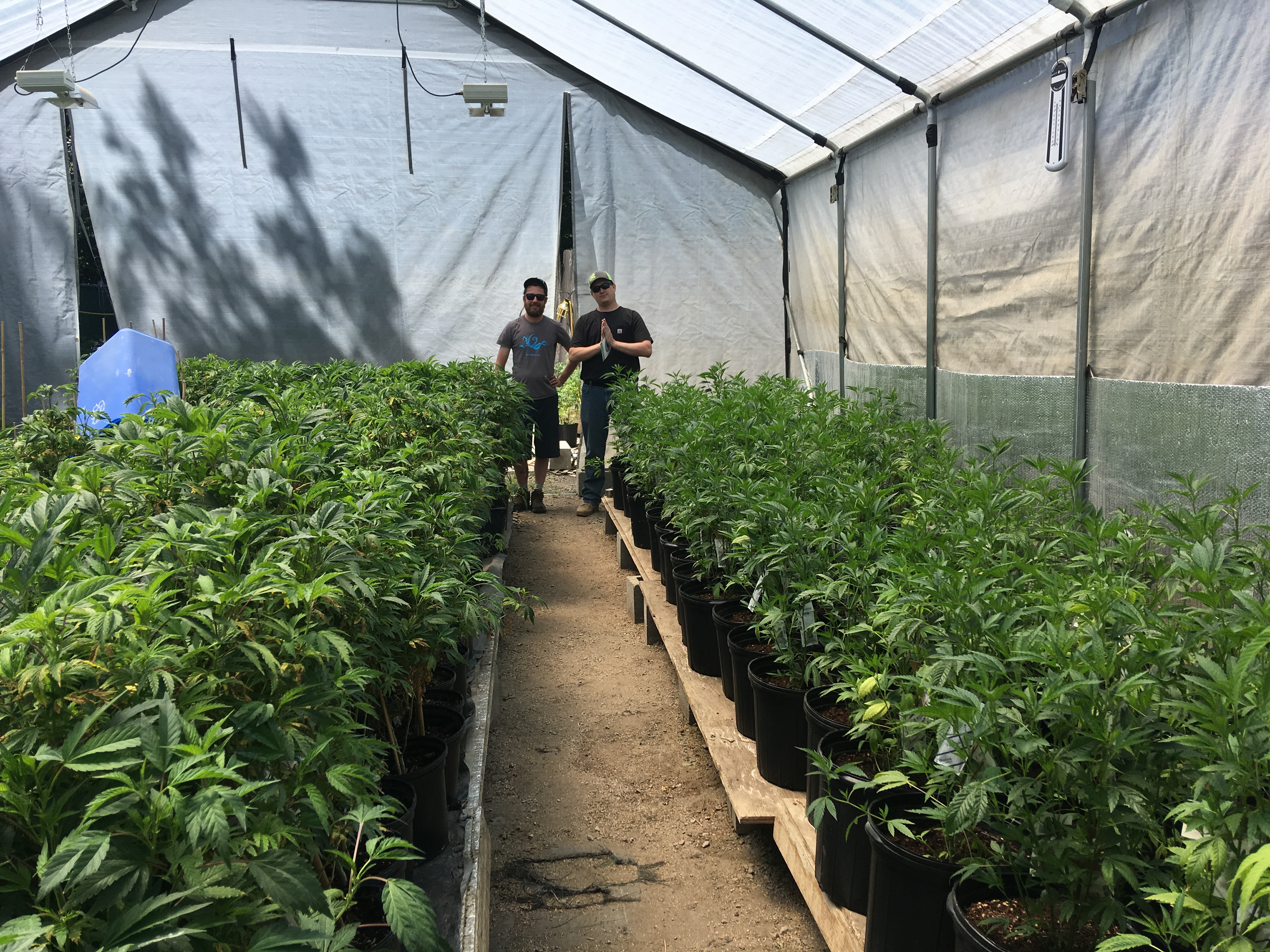
Entrepreneurs recognized the impending cultural and legislative shift early, paving the way for structured travel operations. Matt Kurth, a former whitewater river guide of ten years, found himself at a professional crossroads in the mid-2010s. Combining his professional background in guiding with a lifelong personal passion for cannabis, Kurth anticipated the legalization wave and launched Humboldt Cannabis Tours in California in 2015.
Humboldt County, renowned historically for the timber and fishing industries, is also one of the largest cannabis-cultivating regions in the United States, hosting up to 15,000 distinct grows annually. Kurth’s enterprise introduced both seasoned enthusiasts and novices to sustainable agricultural producers in the heart of Northern California.
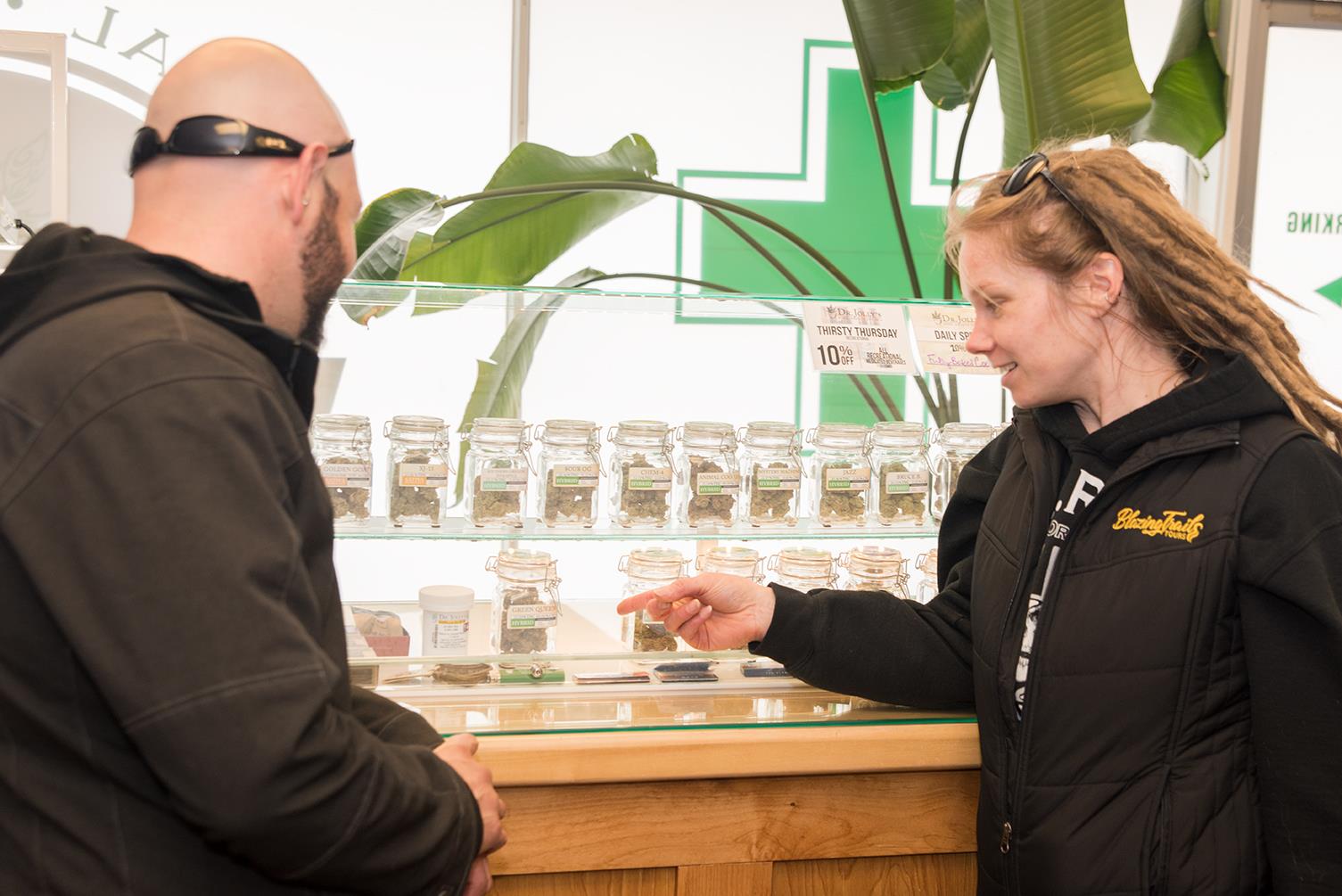
Similarly, other operators began establishing footholds in newly legalized jurisdictions. Stacie Johnson co-founded Blazing Trails, a tour operator based in Bend, Oregon, designed to educate the public on consumer safety, regional cultivation history, and botanical science. In Southern California, Los Angeles-based Green Tours established itself as a cultural anchor, eventually becoming the first cannabis tour business to be featured on TripAdvisor. Further north, Canada High Tours, co-founded by CEO Matt Cronin, began operating structured visits to urban dispensaries and facilitating legal outdoor consumption experiences that aligned with local municipal regulations. Even traditional hospitality brands embraced the trend; the Jupiter Hotel in Portland, Oregon, introduced a celebrated "420 package," featuring a comprehensive vape and accessory kit that quickly became its best-selling promotional offering in the hotel’s history.
Overcoming Regulatory Hurdles and Stigmas
Launching a cannabis-adjacent enterprise has required navigating complex regulatory frameworks, bureaucratic skepticism, and historical social stigmas. Tour operators frequently cite the enduring legacy of "reefer madness" propaganda as a primary barrier to consumer education and community acceptance. Stacie Johnson notes that the most significant hurdle in early operations involved breaking down preconceived notions and fears held by prospective guests.
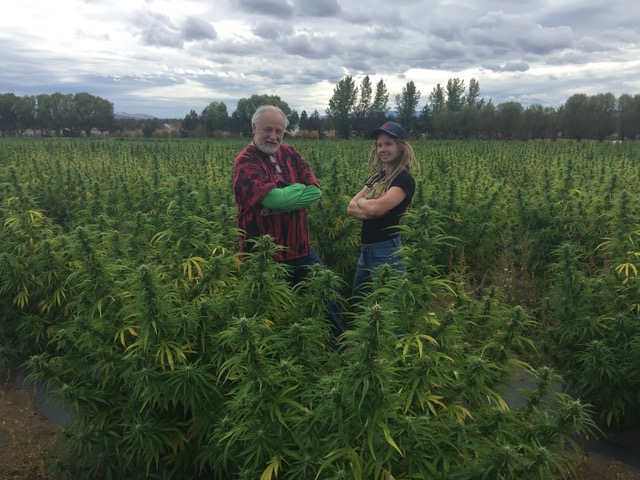
Bureaucratic friction has also characterized the industry’s infancy. Matt Kurth spent over two years attempting to secure a standard business license from a skeptical Humboldt County government, which viewed the concept with intense caution. Although initially pitched as a standard tourism business, the regulatory landscape shifted continuously, requiring operators to adapt dynamically.
In Canada, operators faced a fragmented legal environment where cannabis regulations differ vastly across provinces and municipalities. To maintain compliance, companies like Canada High Tours deliberately targeted jurisdictions where outdoor cannabis consumption aligned harmoniously with existing public smoking laws, thereby avoiding the complicated and disparate municipal rules surrounding private consumption lounges.
Sustainability and Environmental Stewardship
Far from the outdated stereotype of unorganized consumption, modern cannabis tourism places a heavy emphasis on environmental sustainability, agricultural transparency, and education. Operators actively counter the narrative that cannabis cultivation is inherently resource-intensive by showcasing regenerative, outdoor-farming practices.
Matt Kurth champions sungrown, outdoor cannabis production, explaining that his tours prioritize visits to farms that avoid the heavy energy footprints associated with indoor growing facilities. Many of the producers featured on these itineraries employ advanced sustainable agriculture techniques that minimize or eliminate the use of synthetic chemicals, excess water, single-use plastics, and heavy fossil fuels.
Furthermore, the economic multiplier effect of these tours has breathed new life into rural economies. Kurth estimates that for every dollar generated directly by his tourism business, approximately seven additional dollars filter into the surrounding Humboldt County community, supporting secondary sectors such as local restaurants, hotels, and retail merchants. This infusion of capital has proven vital for regions transitioning away from declining traditional extraction industries like commercial fishing and logging.
Demographics and the Modern Cannabis Tourist
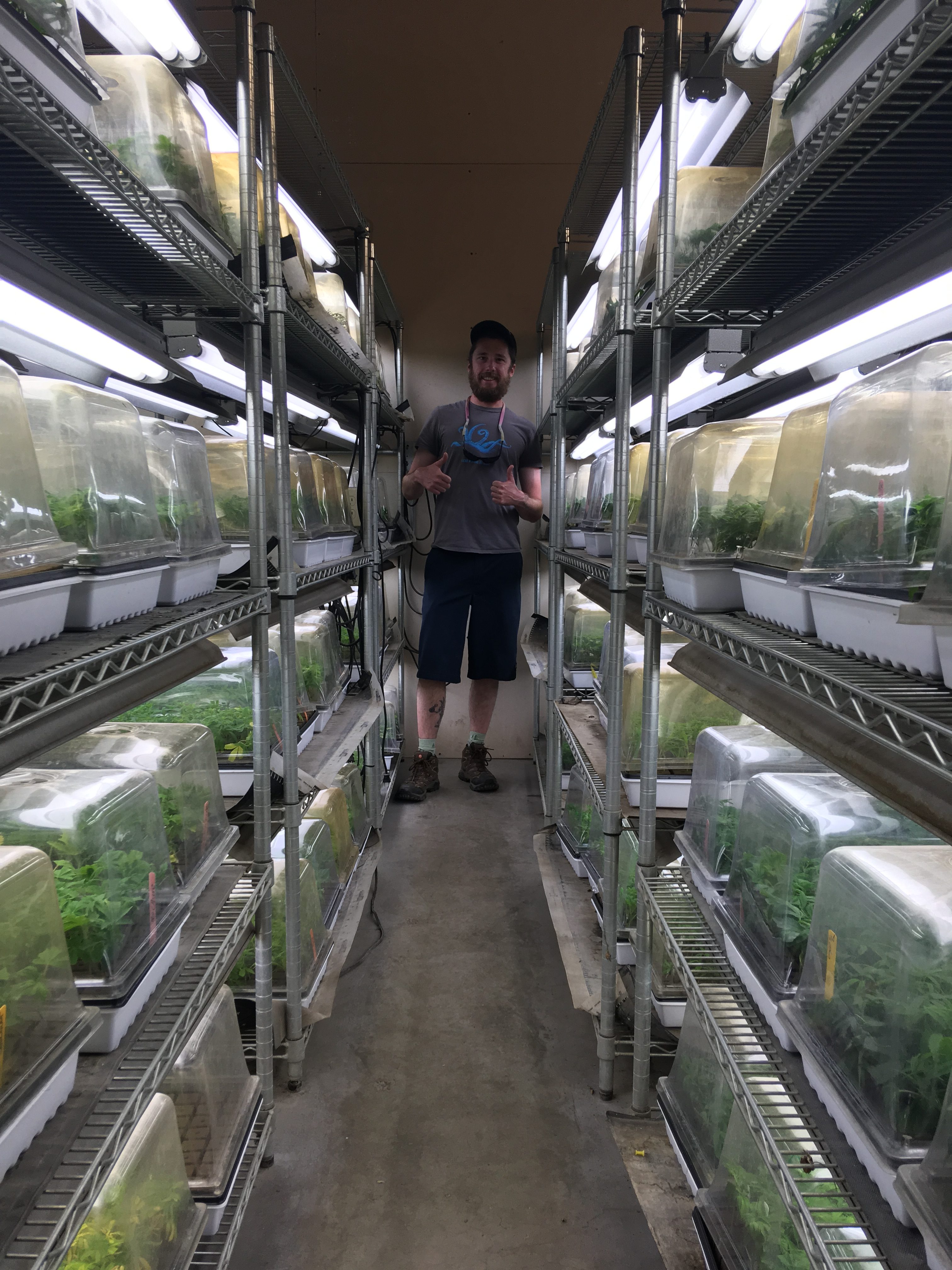
The clientele participating in cannabis tourism defies outdated cultural stereotypes. Far from being restricted to young adults seeking casual recreation, the demographic profile of the average cannabis tourist skews mature, highly educated, and culturally curious.
According to operators like Gene Grozovsky of Green Tours, the typical participant base consists largely of well-educated adults aged 30 to 75, including professionals such as doctors, lawyers, and corporate executives. Similarly, Stacie Johnson of Blazing Trails reports welcoming travelers from two-thirds of U.S. states and numerous international nations, including the United Kingdom, Germany, Singapore, and Canada.
These travelers are primarily driven by curiosity regarding botanical education, industrial hemp applications, local history, and culinary pairings. To accommodate this diverse audience, tour companies customize their itineraries. While some visitors are seasoned connoisseurs interested in advanced cultivation science, others are complete novices who step into a dispensary for the very first time under the guidance of knowledgeable professionals, alleviating the anxiety often associated with initial purchases.
The Road Ahead: Federal Integration and Future Growth
The long-term trajectory of cannabis tourism points toward continued expansion, driven by shifting public opinion and the inevitable harmonization of legal frameworks. Destination marketing organizations (DMOs) that were initially hostile or indifferent to the sector are increasingly warming up to its economic potential. For instance, approximately half of Blazing Trails’ customer acquisition is now organically directed through regional marketing channels like Visit Bend, reflecting a broader local municipal integration.
Looking forward, industry leaders anticipate that federal legalization in the United States is only a matter of time. Proponents draw historical parallels to the repeal of alcohol prohibition in 1934, pointing out that once a critical mass of states establishes legal regulatory frameworks, federal authorities are compelled to adjust federal policy to reflect state-level realities. With a vast majority of U.S. states having already enacted medical or recreational cannabis laws, the commercial momentum appears unstoppable.
As regulatory barriers continue to fall and social acceptance solidifies, cannabis tourism has firmly transitioned from a localized novelty into a sophisticated, sustainable pillar of modern global travel. By prioritizing education, environmental responsibility, and community enrichment, the sector has secured its place in the future of the hospitality economy.