Inside Coningham Bay: A Rare Look at Arctic Apex Predators and the Northwest Passage Ecosystem

Deep within the remote expanses of Nunavut, Canada, lies Coningham Bay, a geographical anomaly along the Northwest Passage that serves as one of the most prolific and unpredictable wildlife viewing areas in the High Arctic. Situated above 70° North, this desolate coastal indentation features a narrow, shallow entrance that transforms the internal waters into a natural basin. While the remote locale is largely inaccessible to commercial maritime traffic, it occasionally hosts specialized expedition vessels, such as the Ocean Endeavour operated by Adventure Canada, offering rare scientific and exploratory access to an extreme ecosystem governed by shifting sea ice, tidal fluctuations, and the raw mechanics of Arctic survival.
Geographical Mechanics and Natural History of Coningham Bay
The ecological significance of Coningham Bay stems entirely from its unique bathymetry and tidal dynamics. The bay’s narrow mouth restricts water flow, causing significant depth variations between high and low tides. During the summer and early autumn months, beluga whales (Delphinapterus leucas) frequently enter the shallow basin. Historically, biologists note that belugas utilize such coastal shallows for epidermal sloughing—a seasonal process where whales rub against the gravelly seabed to shed their old skin.
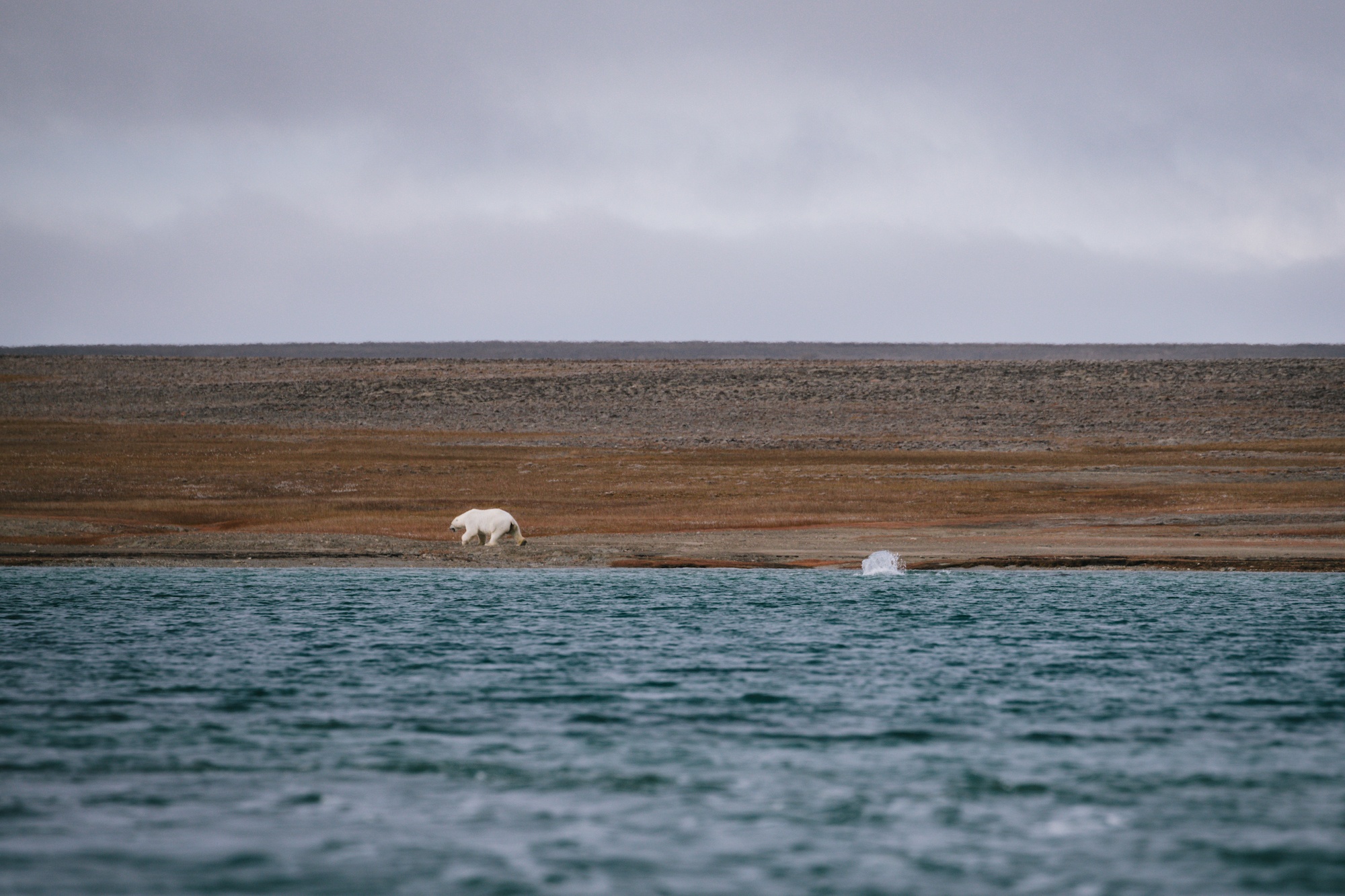
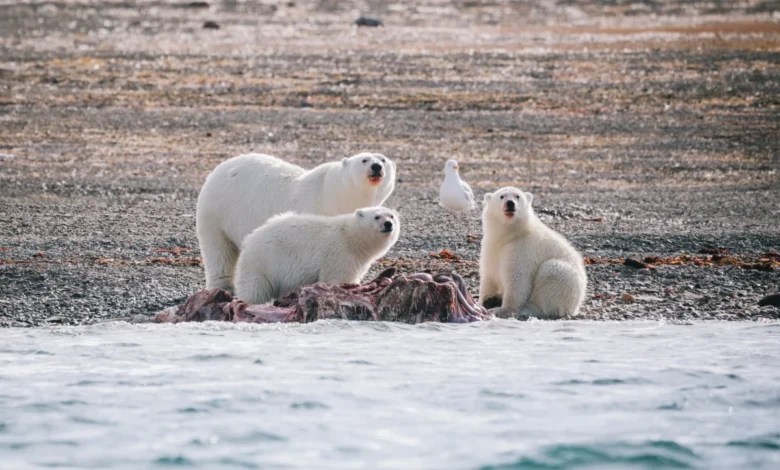
However, this behavioral routine exposes the marine mammals to significant ecological vulnerability. At low tide, the shallow waters can temporarily restrict movement, creating a bottleneck effect. This unique hydrological trap has transformed Coningham Bay into a strategic hunting ground for polar bears (Ursus maritimus). While polar bears traditionally rely on stable pack ice to hunt ringed and bearded seals, the seasonal concentration of beluga whales provides a secondary, high-caloric food source. Contrary to traditional assumptions that polar bears primarily scavenge washed-ashore carcasses, observations in regions like Coningham Bay demonstrate the apex predators actively exploiting tidal constraints to target marine mammals.
Chronology of an Arctic Expedition Encounter
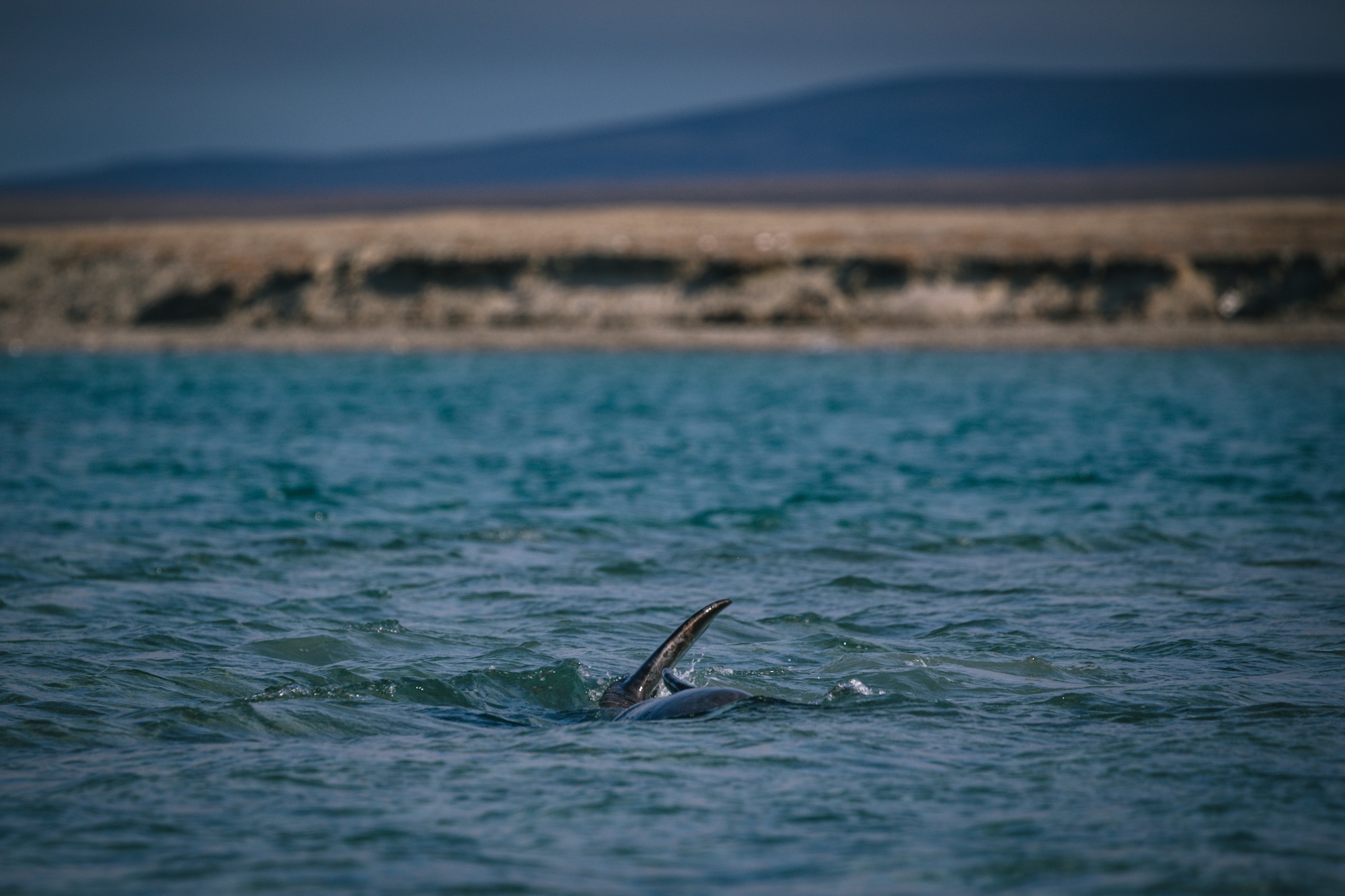
The journey to Coningham Bay is fraught with logistical challenges, heavily dictated by the unpredictable polar climate. Expeditions navigating the Northwest Passage must contend with fluctuating sea swells, high winds, dense fog, and drifting multi-year sea ice. Consequently, arrival schedules are tentative, leaving wildlife sightings dependent entirely on natural synchronicity.
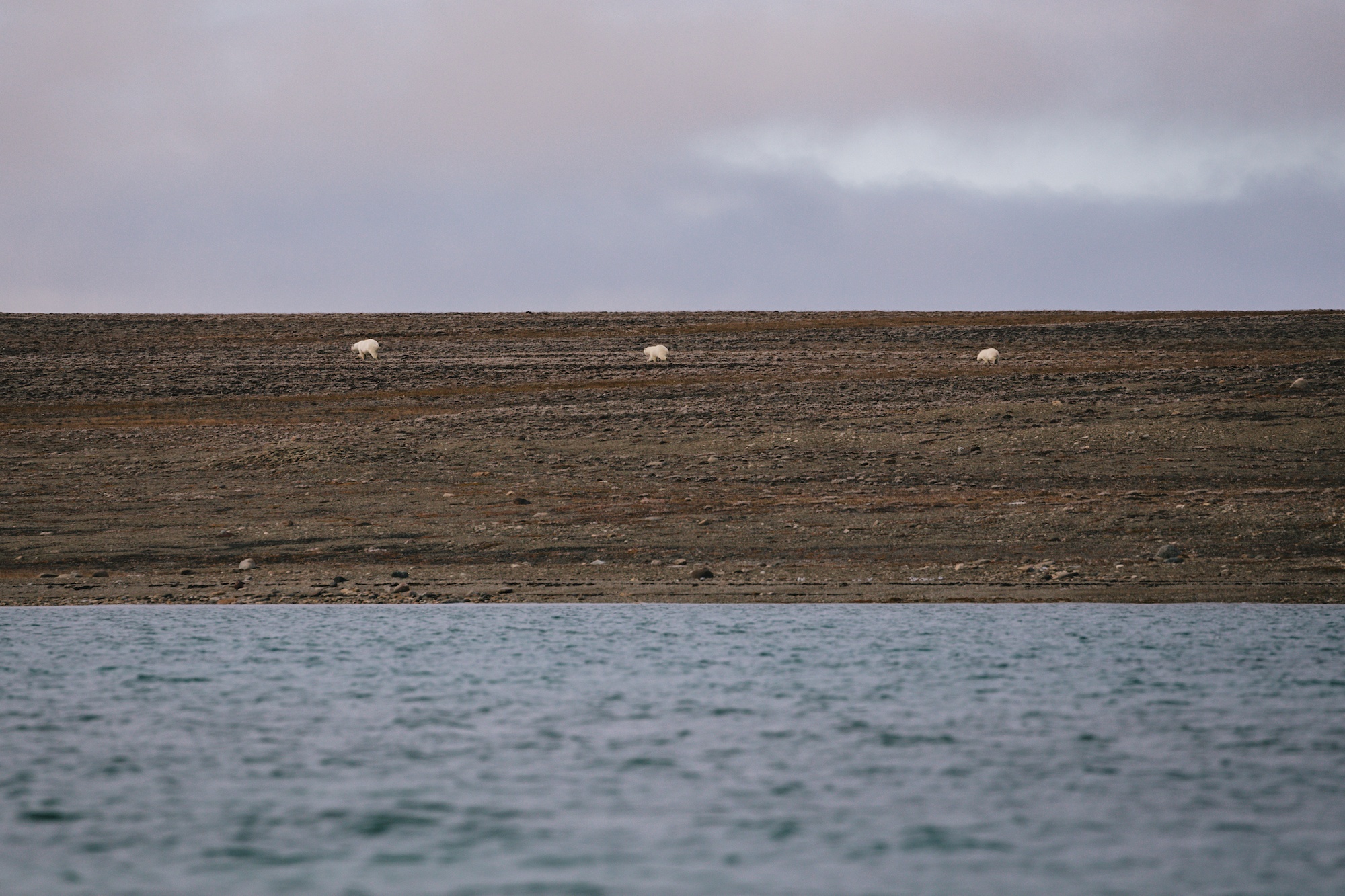
In September—marking the onset of the Arctic autumn characterized by freezing temperatures and early snowfall—an expedition aboard the Ocean Endeavour approached the waters of Coningham Bay. Prior to visual confirmation, bridge communications relayed reports of over a dozen polar bears gathered in the immediate vicinity.
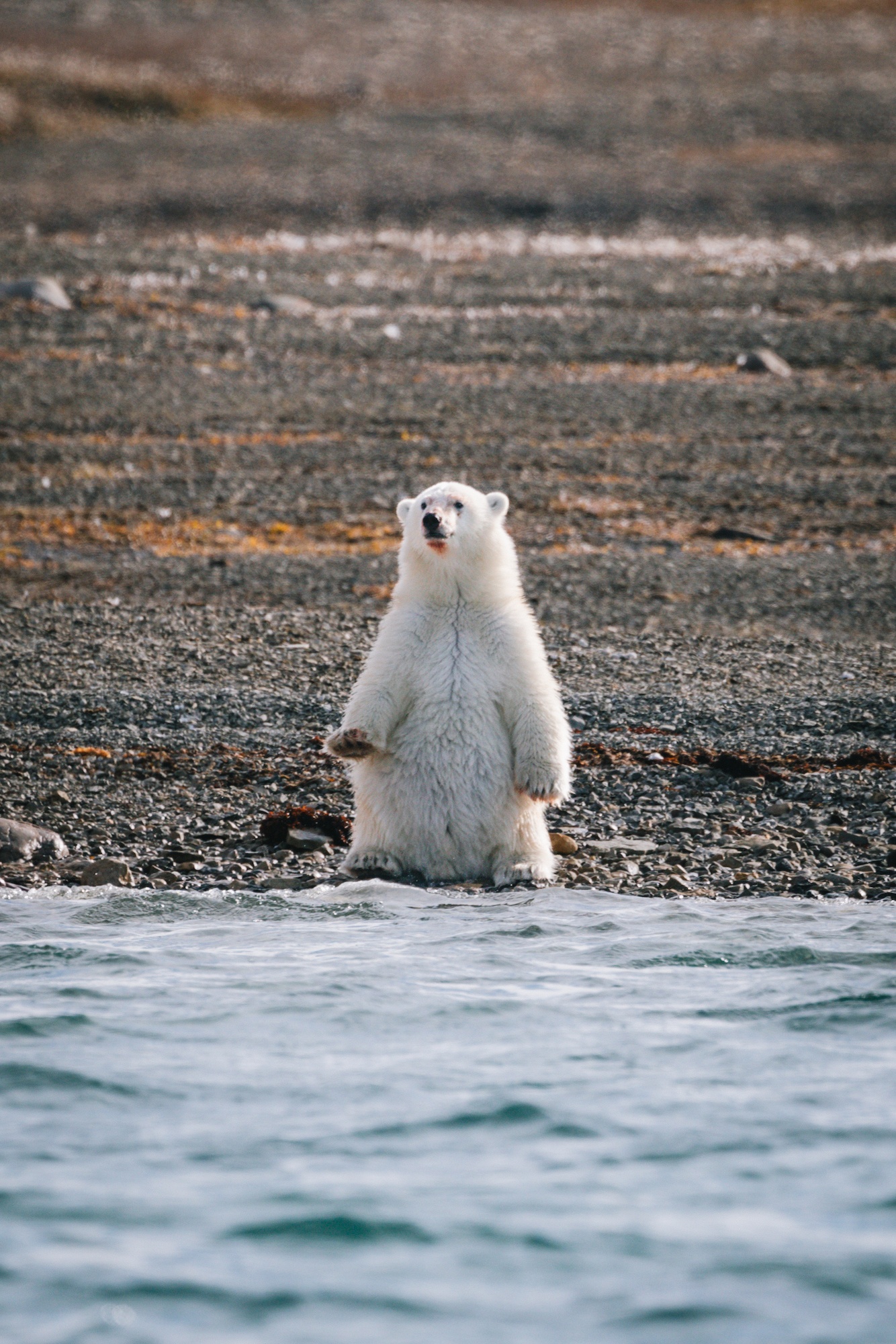
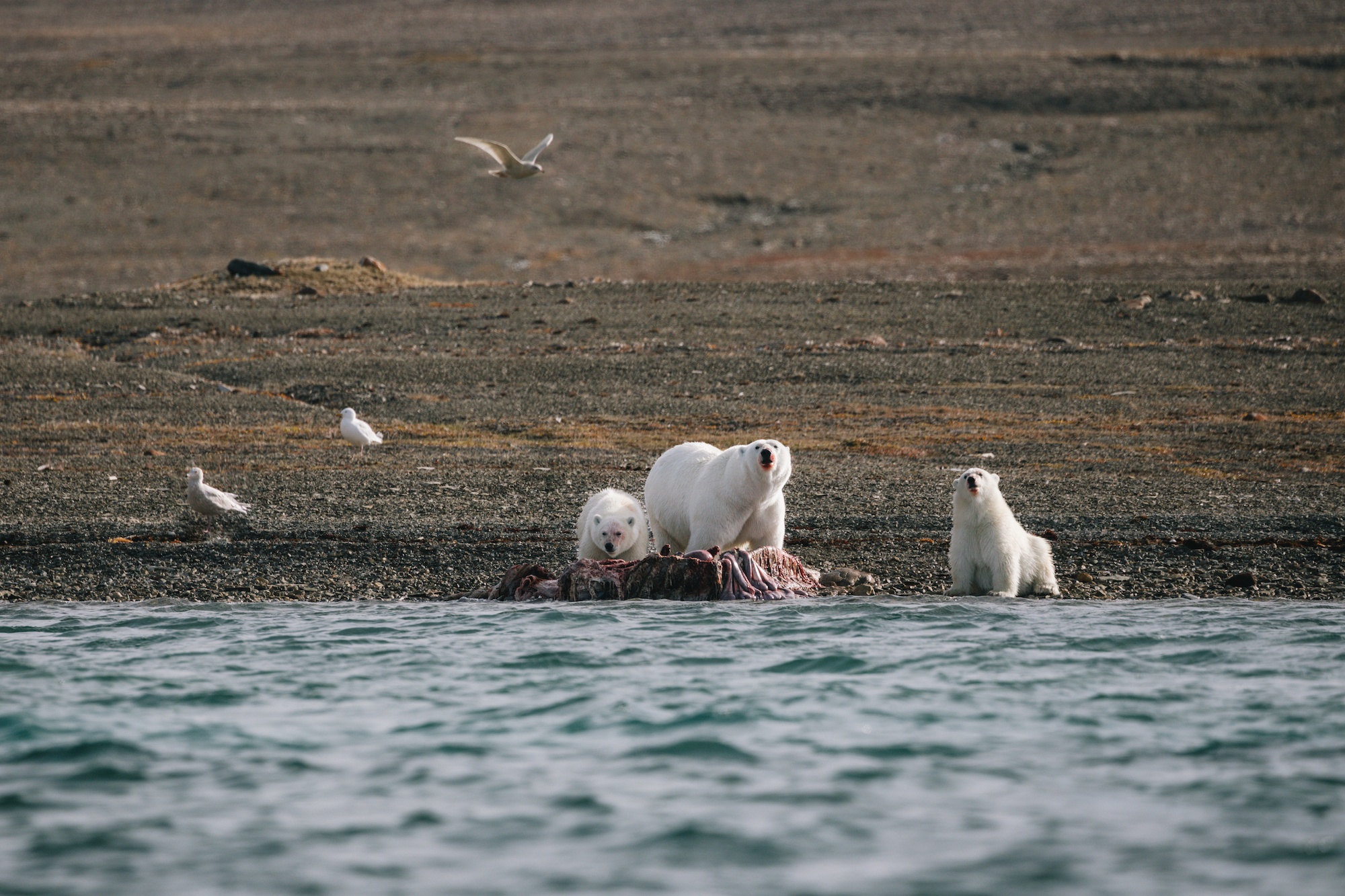
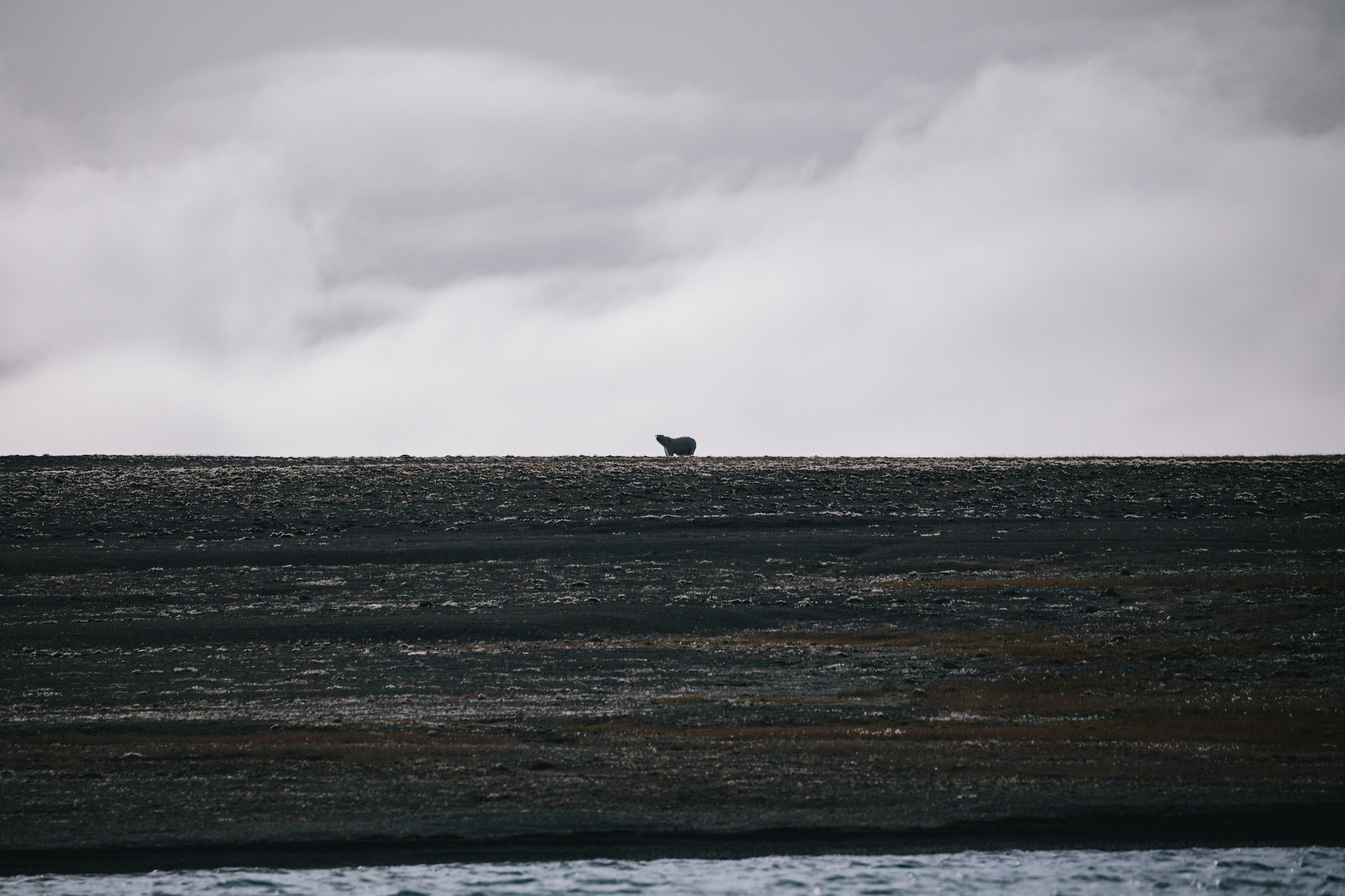
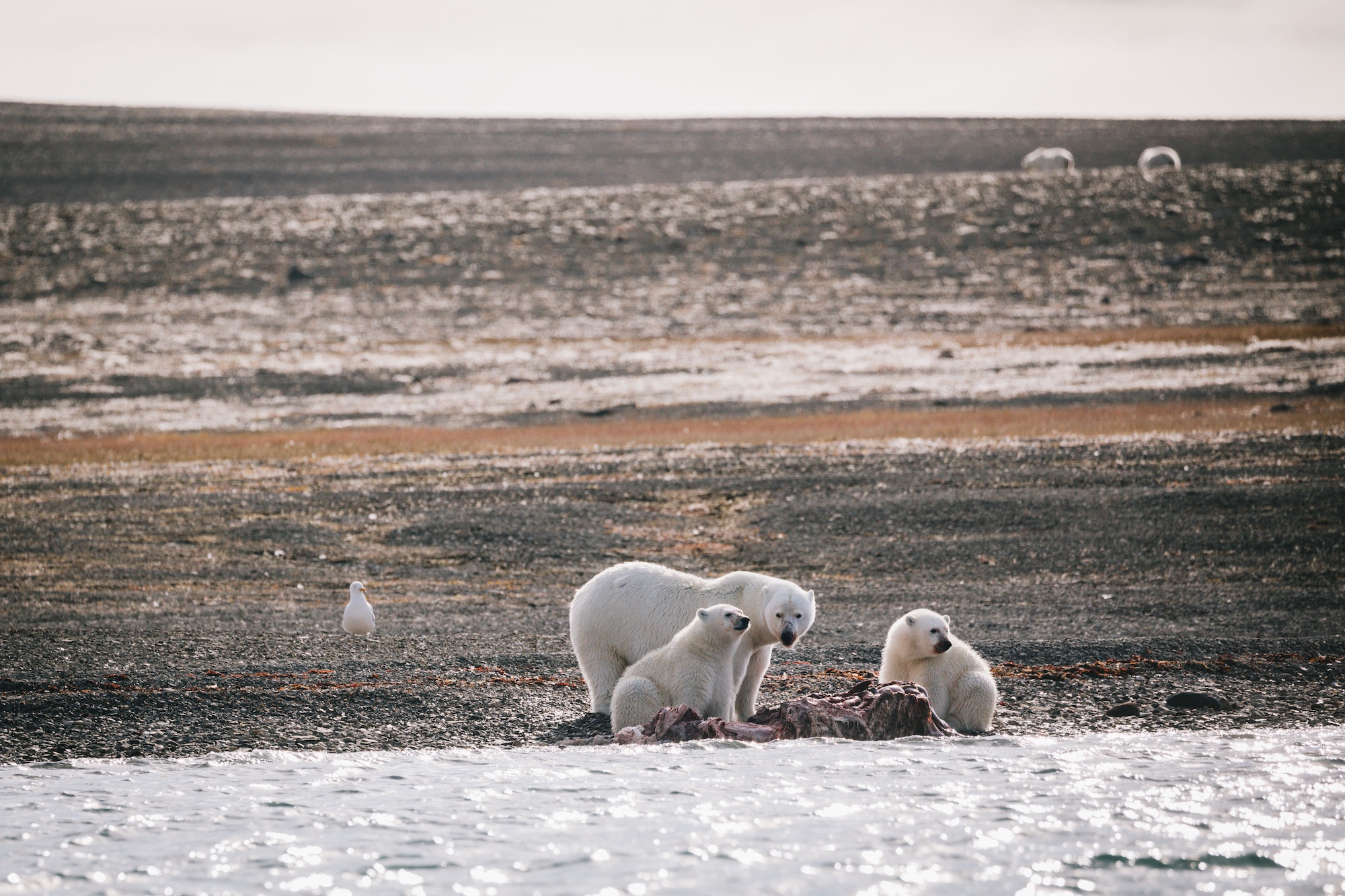
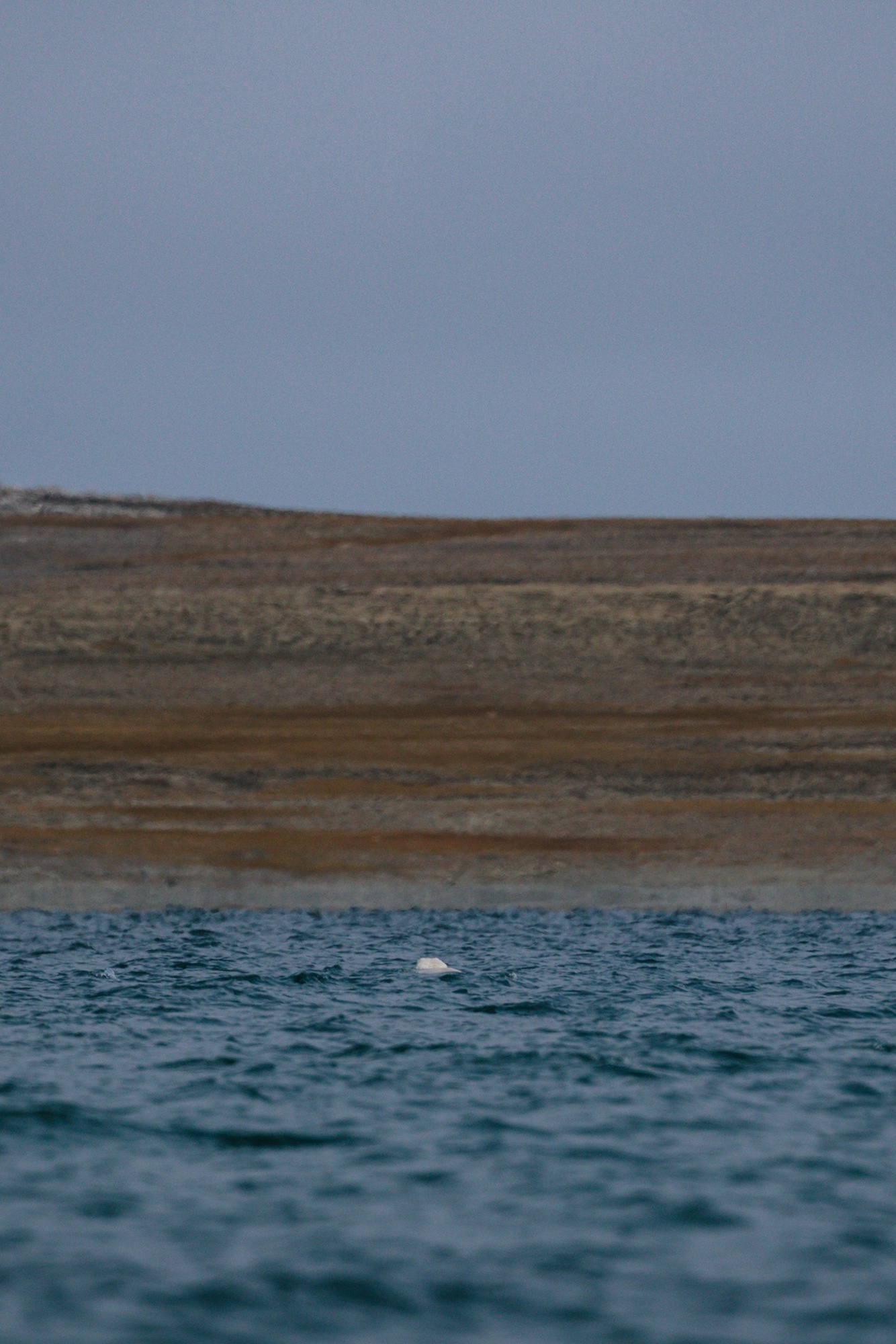
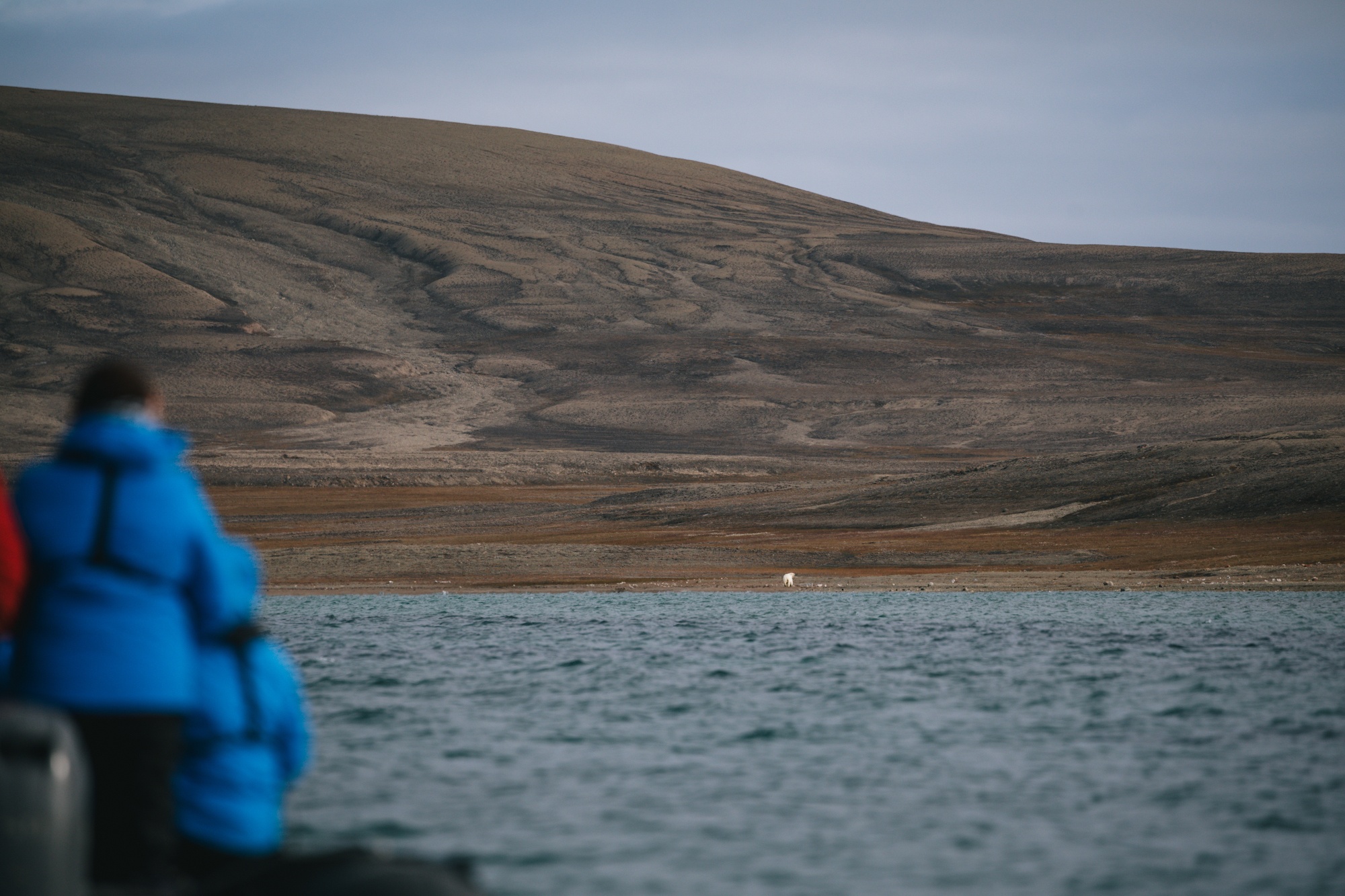
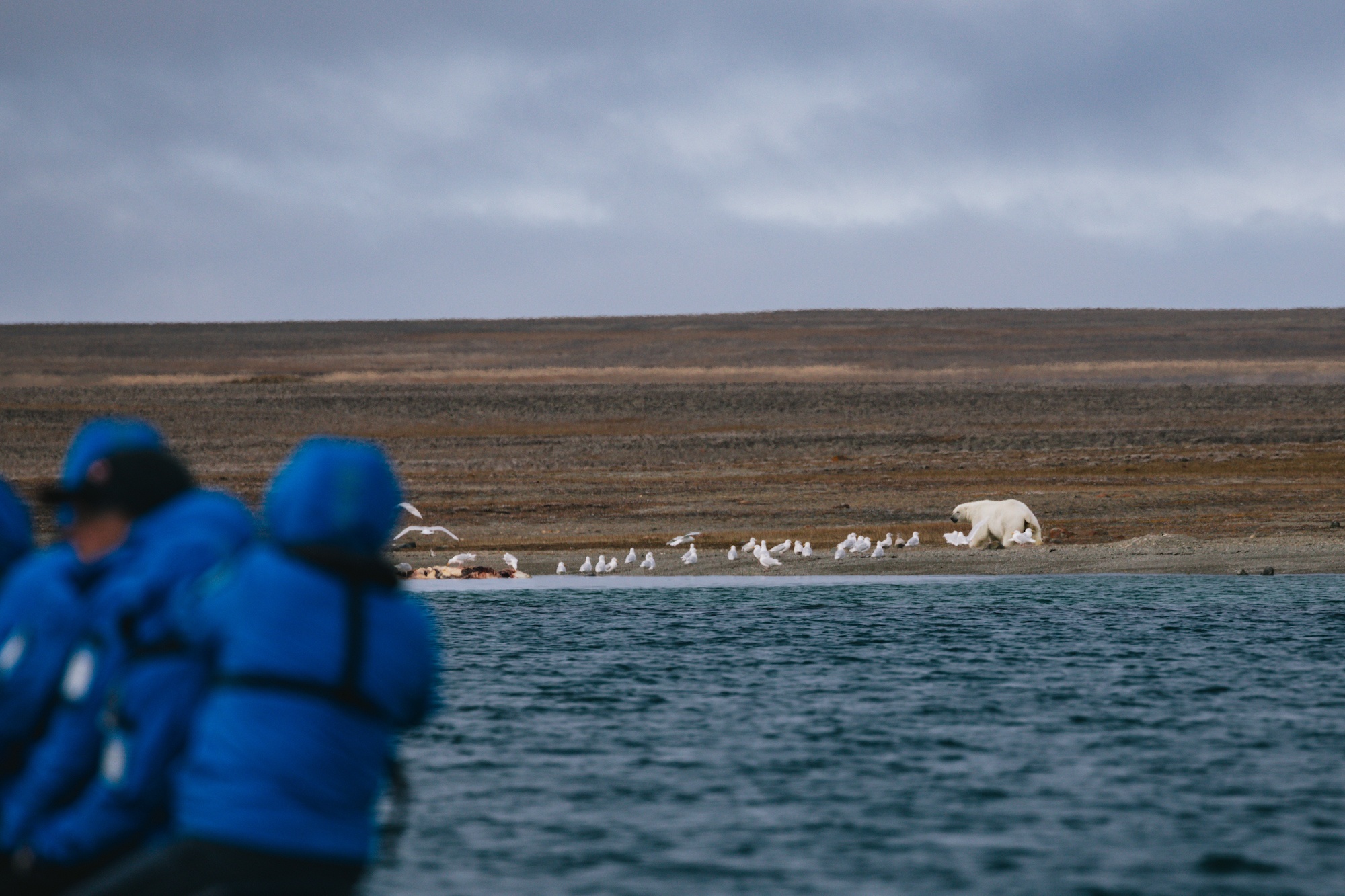
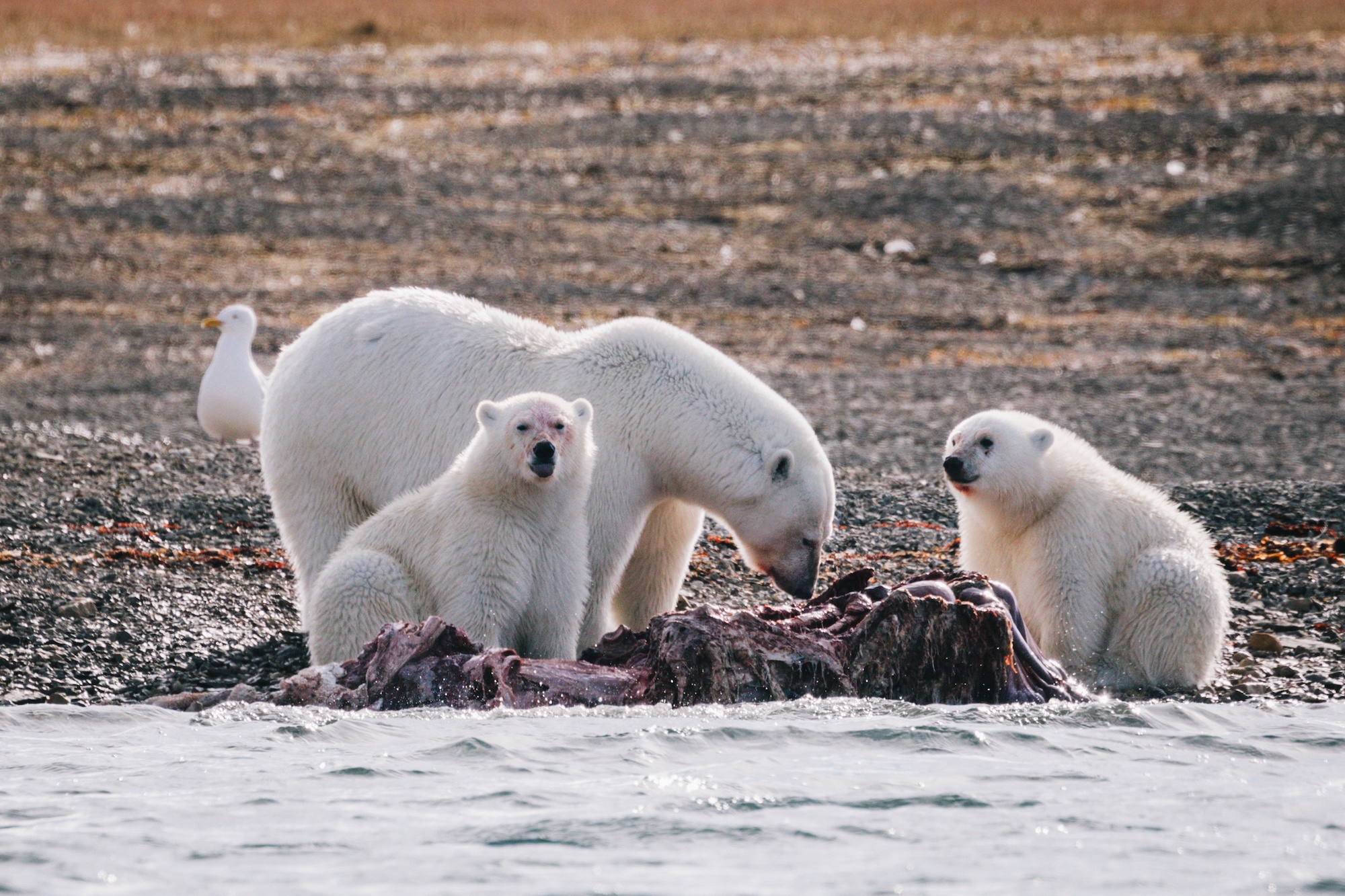
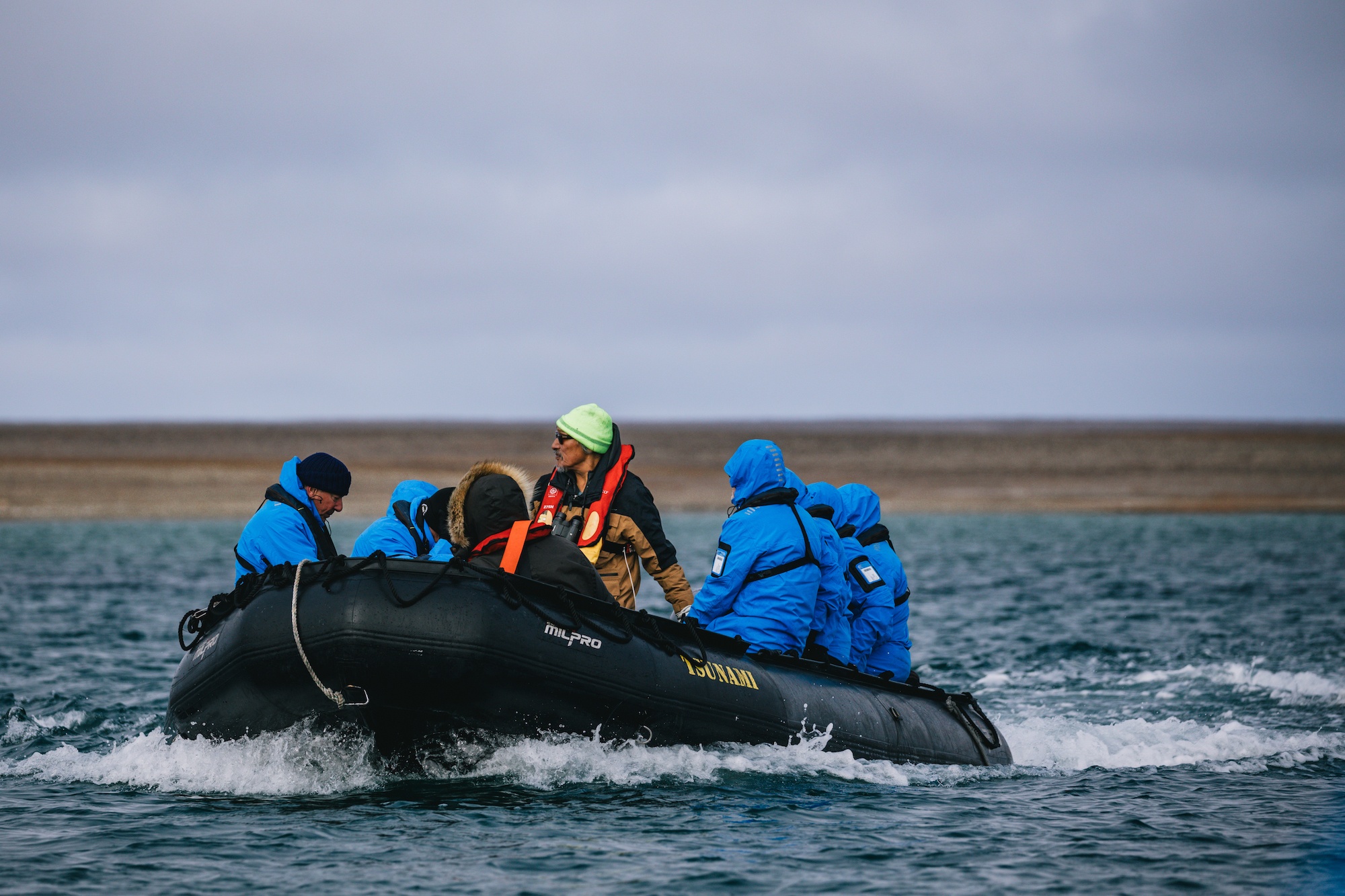
Upon deployment via Zodiac watercraft, passengers and expedition staff entered the crystalline, near-freezing coastal waters. The initial approach revealed immediate biological activity, including the presence of a narwhal (Monodon monoceros) navigating the shallow entrance channel. Within the bay itself, approximately twelve polar bears were documented distributed along the shoreline and shallows. The demographic composition of the observed bears included solitary males, a maternal female accompanied by two cubs, and active swimmers. Several individuals were observed interacting with marine mammal carcasses, confirming successful predation events facilitated by the geography of the bay.
Wildlife Management and Expedition Protocols
Operating in close proximity to apex predators in the High Arctic requires stringent safety protocols and adherence to international conservation guidelines. Expedition cruises operating in these regions typically align with the standards established by the Association of Arctic Expedition Cruise Operators (AECO). These protocols mandate strict distance thresholds for marine mammals and terrestrial wildlife to prevent behavioral disruption, stress, or habitat displacement.
In addition to distance regulations, commercial vessels traversing polar bear habitats deploy specialized mitigation teams. These units frequently include local Inuit bear guards equipped with non-lethal deterrents, such as acoustic flare pistols and bear bangers, alongside emergency intervention gear. The integration of Indigenous expertise into expedition frameworks ensures both passenger safety and the minimization of human-wildlife conflict in fragile Arctic ecosystems.
Broader Environmental Implications and Climate Context
The observations recorded at Coningham Bay offer researchers valuable insights into the behavioral adaptability of polar bears amid changing environmental conditions. As global temperatures rise at rates disproportionately higher in the Arctic compared to lower latitudes, traditional sea ice habitats are experiencing accelerated decline and fragmentation.
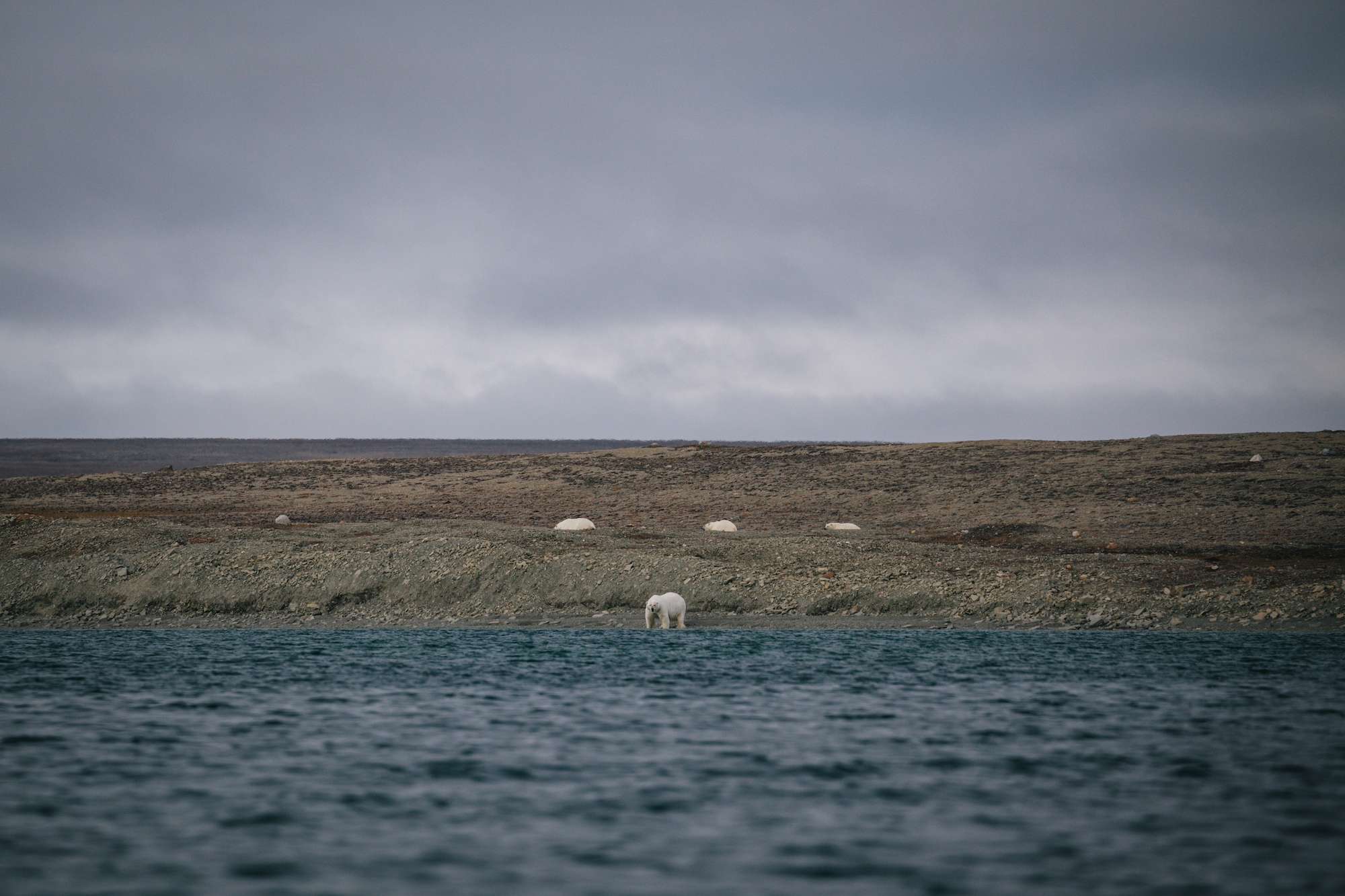
The degradation of multi-year pack ice forces polar bears to spend extended periods on land, compelling shifts in foraging behavior. While marine mammal concentrations in localized areas like Coningham Bay provide temporary sustenance, scientists emphasize that terrestrial scavenging and opportunistic whale hunting cannot fully compensate for the loss of seal-rich sea ice platforms. Long-term monitoring of predator-prey dynamics in the Northwest Passage remains critical for understanding how apex species adapt to rapid climatic shifts across the circumpolar north.
Related posts: