The quest for the perfect wine glass and the balance between elegance and household durability

For many, the transition into domestic stability is marked not by major life milestones, but by the gradual curation of a functional, organized home environment. This process often involves moving away from the "mismatched era"—a period characterized by repurposed plastic take-out containers, chipped glassware, and a general lack of aesthetic cohesion. Recent consumer trends indicate that as young professionals increasingly prioritize home hosting, the demand for high-quality, durable kitchenware that bridges the gap between everyday utility and formal elegance has seen a marked uptick. Central to this evolution is the search for glassware that can withstand the rigors of modern living while maintaining the sophisticated profile required for refined dining.
The evolution of domestic kitchen standards has been well-documented by interior design analysts and lifestyle experts. Over the past decade, the "organized kitchen" movement has shifted from a niche hobby to a mainstream consumer priority. Retail data suggests that consumers are increasingly moving away from disposable or low-quality goods in favor of "buy-it-for-life" items. This shift is driven by a desire for sustainability, long-term cost efficiency, and the psychological benefits of a clutter-free living space.
The Chronology of Modern Kitchen Organization
The journey toward a fully realized home environment often follows a predictable, chronological path. Initially, young adults living in transient housing arrangements often rely on communal or legacy dishware. This phase is characterized by high breakage rates and a lack of investment in specialized tools. As individuals transition into long-term cohabitation or homeownership, there is typically a systematic effort to upgrade essential items.
- Phase One: The Consolidation (Years 1-3): During this period, individuals often standardize their pantry storage, moving from mismatched containers to uniform, often modular, food storage systems. This phase also frequently includes the replacement of varied, chipped drinking vessels with matching sets of glassware.
- Phase Two: The Specialization (Years 3-5): Once the core functionality of the kitchen is established, focus shifts toward specialized equipment. This includes the acquisition of high-quality linens, formal flatware, and specific stemware intended for entertainment purposes.
- Phase Three: The Sustainability Threshold (Ongoing): The final stage involves the pursuit of items that are not only aesthetically pleasing but also structurally resilient. This is where the intersection of material science and design becomes paramount.
Material Science and the Durability Dilemma
The primary challenge in selecting wine glassware remains the trade-off between the thickness of the rim—which significantly impacts the sensory experience of wine consumption—and the durability of the glass. Traditional, high-end, hand-blown glassware is prized for its extreme thinness and lightness, but it is notoriously fragile. Conversely, mass-market, machine-pressed glass is durable but often features thick, clumsy rims that detract from the wine’s bouquet and mouthfeel.
Recent advancements in glass manufacturing have sought to reconcile these extremes. The industry has seen a pivot toward machine-blown crystal, a process that allows for a thin-rimmed, elegant aesthetic while maintaining structural integrity. By eliminating the seams that are inherent in traditional two-piece glass manufacturing—where the stem and bowl are joined post-production—manufacturers have significantly reduced the "weak points" that lead to most accidental breakages.
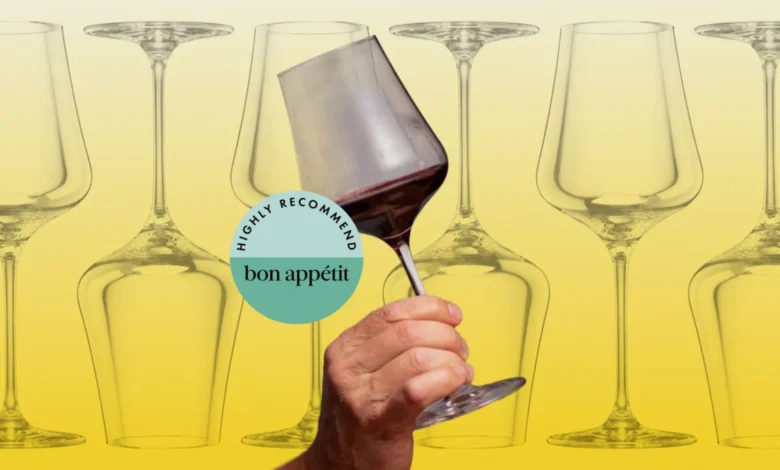
Gabriel-Glas, among other innovators in the space, has utilized this single-piece construction method to target the "prosumer" market. The StandArt glass, for instance, is crafted from lead-free crystal in a single, molten pour. This manufacturing technique ensures a consistent density throughout the vessel, which significantly improves resilience to thermal shock and minor impacts.
Consumer Behavior and Economic Impact
Market research confirms that consumers are increasingly willing to pay a premium for glassware that promises durability. According to recent reports in the home goods sector, the average household spends roughly 15% more on kitchenware annually compared to pre-pandemic figures, with a significant portion of that spend directed toward "all-purpose" items.

The appeal of an "all-purpose" glass is rooted in both convenience and economic prudence. By utilizing a single design for reds, whites, and sparkling wines, consumers reduce the storage footprint required for their glassware collection while minimizing the number of items that need to be cleaned and maintained. From an economic perspective, while the initial investment in high-quality, machine-blown crystal is higher than that of mass-market glass, the lower frequency of replacement creates a more favorable long-term cost-to-use ratio.
Expert Insights on Glassware Selection
Industry experts, including sommeliers and industrial designers, emphasize that the shape of the glass is just as important as the material. A well-designed, all-purpose glass should feature a conical base to allow for aeration of red wines, while the inward-curving rim is essential for concentrating aromatics.
"The goal for any serious host is to find a vessel that acts as a conduit for the wine rather than a distraction," notes one hospitality consultant. "When you remove the need for five different types of glasses, you allow the user to become more familiar with the specific glass they are using. They learn how to handle it, how to wash it, and ultimately, how to enjoy it. That familiarity is the best protection against breakage."
The move toward more durable, elegant glassware also speaks to a broader cultural shift. As hosting at home becomes a preferred alternative to dining out, the quality of the "at-home" experience has become a point of pride. The ability to present a cohesive table setting, regardless of whether it is for a quiet Tuesday evening or a holiday gathering, is viewed as a hallmark of a modern, well-maintained home.
Implications for the Future of Kitchen Design
The trend toward durable, high-utility luxury is likely to continue as urbanization forces more people into smaller living spaces. With limited cupboard capacity, the demand for multi-functional, high-quality objects will only intensify. We can expect to see further innovations in material science, potentially incorporating even lighter, more shock-absorbent crystalline structures that challenge the current limits of glass manufacturing.
Furthermore, the rise of e-commerce in the luxury kitchen space has democratized access to professional-grade tools. Where once a home cook might have needed access to specialty restaurant supply stores, they can now procure top-tier, machine-blown crystal via direct-to-consumer digital storefronts. This has lowered the barrier to entry for consumers seeking to improve their domestic environment.
In summary, the transition from mismatched, fragile, and disorganized kitchenware to a curated, resilient, and intentional collection is a significant reflection of personal and economic maturity. By prioritizing construction quality and design efficiency, individuals are not merely purchasing glassware; they are investing in a sustainable lifestyle that values the longevity of their belongings as much as the aesthetic pleasure they provide. As the market continues to evolve, the focus will undoubtedly remain on finding the perfect equilibrium: the point where form meets function in a way that can withstand the reality of everyday life. The success of these products suggests that, for the modern consumer, the most sophisticated item is the one that is elegant enough to impress and durable enough to last.