
Navigating Flight Delays: Essential Strategies, Industry Insights, and Passenger Rights for Modern Air Travelers

Air travel has become an increasingly unpredictable endeavor for global commuters and vacationers alike. While modern aviation operates under meticulously coordinated schedules, a convergence of systemic pressures—ranging from volatile weather patterns and technological vulnerabilities to staffing shortages and airspace congestion—frequently disrupts departures and arrivals. For passengers, encountering a flight delay ranging from a few minutes to over 24 hours is a realistic and increasingly common hurdle. Understanding the root causes of these disruptions, knowing how to track and anticipate schedule changes, and being familiar with airline obligations and travel insurance policies can significantly mitigate the friction of modern transit.
Anatomy of Flight Disruptions: Understanding the Causes
Flight delays are rarely isolated incidents; rather, they are typically the byproduct of interconnected operational challenges. Industry analysts categorize disruptions into several primary vectors, each carrying different implications for passenger rights and itinerary management.
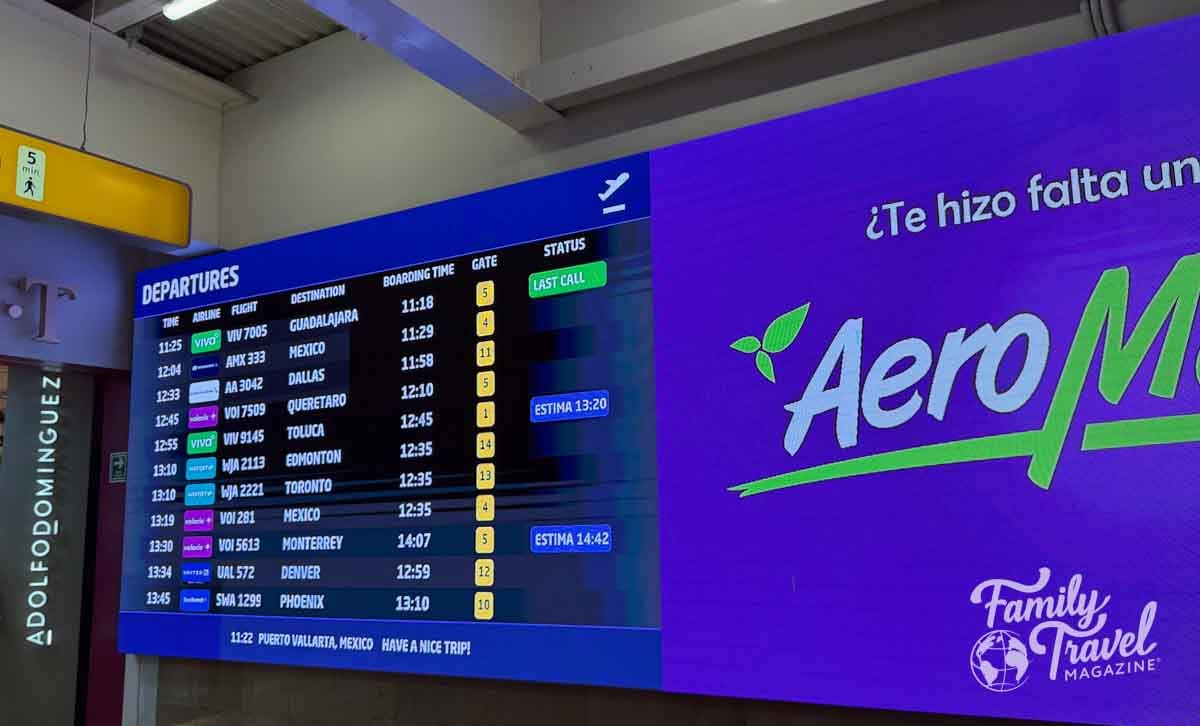
Air Traffic Control (ATC) delays represent one of the most unpredictable categories. Imposed by federal aviation authorities to manage airspace capacity, weather constraints, or staffing limitations at regional facilities, ATC restrictions are entirely outside an airline’s direct control. These mandates can manifest as ground stops—preventing departures toward specific destinations—or spacing intervals between aircraft. Because ATC parameters can shift rapidly based on real-time airspace conditions, departures are occasionally pulled forward unexpectedly, requiring travelers to remain vigilant near their assigned boarding gates.
Mechanical issues, conversely, present a different logistical challenge. While airlines maintain rigorous maintenance schedules, unexpected technical faults can ground an aircraft. A mechanical delay often creates a domino effect, as an aircraft delayed during its morning rotation frequently carries schedule discrepancies throughout the rest of the day. While minor repairs, such as addressing cabin fixtures or overhead bin latches, are resolved swiftly, complex issues requiring specialized replacement parts sourced from remote hubs can result in extended groundings. According to aviation consumer regulations in various jurisdictions, mechanical delays are among the most likely scenarios to prompt airlines to issue meal vouchers or hotel accommodations, as these failures fall within carrier responsibility.
Weather-related disruptions are perhaps the most visible, though their origins are frequently misunderstood. While localized storms, heavy snowfall, or high winds at a departure or arrival airport directly impact operations—requiring critical safety procedures such as aircraft de-icing—downstream weather events are equally disruptive. An aircraft slated to operate a morning flight may be delayed hours earlier in a completely different region due to fog or severe thunderstorms, creating a ripple effect across the airline’s network.

Proactive Preparation and Real-Time Tracking
Mitigating the stress of a delayed itinerary begins long before a traveler arrives at the terminal. Seasoned travel experts recommend incorporating buffer time into every journey, particularly when critical connections or time-sensitive events are involved. For instance, travelers embarking on cruises or attending destination weddings are routinely advised to arrive at their port city or destination at least 24 to 48 hours prior to the scheduled start of the event. This structural padding absorbs substantial delays without threatening the core itinerary.
In the digital age, passive reliance on airport departure boards is no longer sufficient. Industry best practices dictate active engagement with flight tracking systems. Travelers are encouraged to input their contact details directly into airline reservation systems to receive immediate SMS and email alerts regarding gate changes or schedule adjustments. Furthermore, downloading and configuring official airline mobile applications with push notifications enabled ensures real-time updates.
Beyond carrier-specific tools, third-party aviation tracking platforms have transformed how passengers monitor their itineraries. Advanced applications utilize raw aviation data feeds to provide granular insights into aircraft routing. By tracking the physical aircraft assigned to a specific flight route—often before the flight crew has boarded—these platforms can alert passengers to inbound delays hours in advance. Monitoring the inbound aircraft’s journey allows travelers to anticipate rolling delays and make informed decisions regarding their departure from home or hotel.
Protocol for Disruptions: Before and At the Airport
When a delay is identified prior to leaving for the airport, passengers must assess the viability of their schedule. If a delay threatens a tight connection, contacting the airline’s customer service center immediately provides the greatest flexibility for rebooking. Airlines often implement voluntary change waivers during forecasted widespread weather events, allowing passengers to shift their travel dates without incurring standard penalty fees.
If a disruption occurs while at the airport, establishing direct communication with gate agents is the critical first step. Determining the precise classification of the delay—whether ATC, mechanical, or operational—dictates the passenger’s immediate strategy. For ATC holds, remaining in the immediate vicinity of the gate is imperative to catch sudden boarding calls. For extended mechanical delays, travelers gain flexibility to seek alternative seating or airport amenities.
When managing significant connection risks or cancellations while at the terminal, passengers frequently encounter congested service desks. A proven strategy employed by experienced flyers is to simultaneously join the physical queue at the airline’s airport customer service desk while calling the carrier’s toll-free reservation hotline. In many instances, remote call center representatives access reservation systems and execute rebooking options long before a passenger physically reaches the front of the terminal desk.

Passenger Rights, Accommodations, and the Role of Travel Insurance
Airline obligations during delays vary significantly by jurisdiction and the root cause of the disruption. In the United States, while federal regulations do not mandate cash compensation for weather or ATC delays, carriers are increasingly publishing specific commitments regarding meals and hotel accommodations for controllable delays—those stemming from mechanical or airline-induced operational failures. European Union regulations (EU 261), by contrast, enforce strict statutory compensation structures for long-haul and short-haul delays under specific carrier conditions, providing robust financial recourse for affected international travelers.
When overnight delays occur due to controllable circumstances, airlines typically issue hotel vouchers and ground transportation arrangements. However, during widespread weather events, carriers are generally exempt from providing hotel compensation, leaving travelers responsible for their own lodging expenses.
To bridge these financial gaps, travel industry analysts strongly advocate for comprehensive third-party travel insurance policies. A robust insurance plan frequently covers out-of-pocket expenses incurred during prolonged delays, including emergency lodging, meals, local transportation, and essential items necessitated by delayed or lost luggage. Travelers utilizing insurance benefits are advised to maintain meticulous records of all communications, retain itemized receipts for every expense, and keep policy documentation readily accessible throughout their journey.
Ultimately, while flight delays remain an inherent risk of modern commercial aviation, a combination of strategic itinerary planning, advanced digital tracking tools, and a clear understanding of passenger rights equips travelers to navigate disruptions efficiently and minimize logistical fallout.