Endo at Chelsea: The Resilient Evolution of London’s Most Exclusive Culinary Destination

The culinary landscape of London has long been defined by the pursuit of perfection, yet few establishments have managed to encapsulate the intersection of artistic discipline and sheer public fervor quite like the newly opened Endo Chelsea. Tucked away on a quiet street in the heart of Chelsea, just moments from the bustle of Sloane Square, the restaurant represents the latest chapter in the career of master chef Endo Kazutoshi. Following the closure of his acclaimed Rotunda location, the debut of this ten-seat sanctuary has sparked a level of competition for reservations rarely seen in the capital, underscoring the enduring influence of high-end omakase in the city’s gastronomic hierarchy.
The Architecture of Intimacy
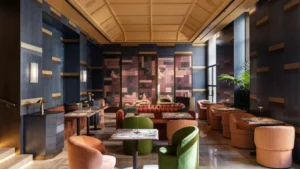
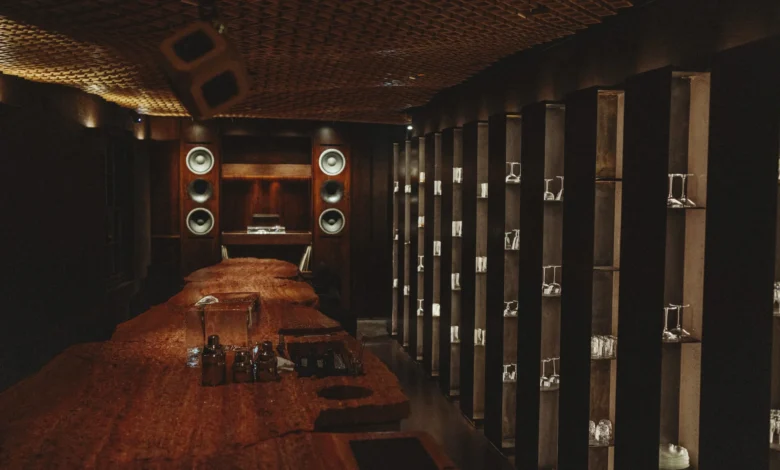
The physical space of Endo Chelsea is a deliberate departure from the bright, expansive dining rooms often associated with contemporary fine dining. Clad in a chalky, charcoal-black exterior that demands a keen eye to locate, the restaurant establishes a mood of quiet sophistication from the threshold. The interior follows suit, utilizing a dark, minimalist palette that draws the eye toward the center of the experience: the bespoke sushi counter.

Constructed from 200-year-old hinoki wood, the counter serves as the stage for the evening’s performance. Upstairs, a hi-fi listening bar provides a sensory prelude, with seating arranged around a singular, rough-hewn stone table. This deliberate division of space—from the atmospheric bar to the subterranean, water-feature-flanked corridor leading to the main counter—functions to transition the guest from the pace of London life to the deliberate, rhythmic cadence of Kazutoshi’s kitchen.
A Chronology of Artistic Resilience
To understand the weight of the opening of Endo Chelsea, one must examine the timeline of Chef Kazutoshi’s recent history in London. His previous venture, Endo at the Rotunda, opened in 2019 and quickly secured its reputation as a pinnacle of the city’s dining scene. Following a comprehensive refurbishment that concluded in 2024, the restaurant maintained its momentum until a fire in the fall of 2025 forced its permanent closure.
The intervening period was a test of the brand’s resilience. Rather than retreating, Kazutoshi sought to maintain his connection with his clientele through a high-profile residency at Annabel’s nightclub. This interim period allowed the team to refine the conceptual framework for the new Chelsea project. As Kazutoshi himself describes it, the trauma of the 2025 fire served as a catalyst for a return to fundamental roots. By adopting the philosophy of Kintsugi—the Japanese art of repairing broken pottery with gold to highlight its history—the chef has integrated the loss of the Rotunda into the narrative of his new endeavor.

The Economics of Exclusivity
The logistical reality of Endo Chelsea is one of extreme scarcity. With only ten seats available per sitting and a capacity of two sittings per evening, the restaurant accommodates a maximum of 20 guests per night. Operating four nights a week, the total weekly capacity sits at 80 covers. When reservations for the inaugural period opened on September 7, the digital infrastructure reportedly faced unprecedented strain. Industry analysts suggest that approximately 18,000 individuals attempted to secure a seat, leaving roughly 13,000 applicants disappointed within the first few minutes of the booking window opening.
This supply-demand imbalance is a testament to the "cult" status Kazutoshi has achieved. The current booking policy limits reservations to a two-month horizon, a mechanism designed to ensure fairness while managing the immense pressure on the restaurant’s concierge and administrative teams. From a business perspective, the model prioritizes quality of engagement over volume, favoring an intimate environment where the chef can maintain direct, personal interaction with every guest.
The Omakase Philosophy: A Synthesis of Ingredients
At the core of the experience is the omakase menu, consisting of approximately 16 courses that undergo weekly and seasonal adjustments. The menu acts as a bridge between tradition and innovation. Long-standing favorites, such as the Cornish crab shinjo in bonito-flake broth and the signature fatty bluefin tuna belly "business card," remain as anchors.

However, the menu is punctuated by experimental techniques and rare ingredients. The service typically includes a scallop topped with N25 caviar, aged monkfish in a light tempura batter finished with awayuki (a delicate, snow-like salt), and charcoal-grilled mackerel. The progression of the meal is calculated, moving from lighter nigiri to more substantial plates such as lobster-stuffed chicken wings and chilled Nagasaki udon, concluding with high-grade Himawari wagyu.
The supply chain for these ingredients is perhaps the most rigorous in the industry. Kazutoshi sources rice from his own farm in Japan, which is shipped weekly alongside the specific water required for its preparation. The restaurant’s soy sauce is a proprietary, double-brewed blend, and the sake selection includes bottles not otherwise available in the European market. Every vessel used, including the sake cups, is handmade by the chef, reinforcing the theme of a holistic, artisan-led project.
Professional Analysis: The Shift in Fine Dining
The success of Endo Chelsea reflects a broader shift in global fine dining: the transition from "luxury as opulence" to "luxury as access and intimacy." In a post-pandemic landscape, diners are increasingly prioritizing the personality and philosophy of the chef over the physical grandeur of the venue.

The "warmth" noted by attendees at Endo Chelsea is not accidental. It is a strategic effort to dismantle the sterile, overly formal atmosphere that has historically plagued high-end sushi bars. By engaging guests in conversation about his recent travels and personally plating the majority of the dishes, Kazutoshi creates an environment of mutual respect. For the regulars who have followed the chef from the Rotunda to Annabel’s and now to Chelsea, the experience is less about a transaction and more about participating in a community.
The implications for the wider London restaurant sector are clear: exclusivity remains a potent currency. However, the longevity of such an establishment relies on the chef’s ability to remain present. The sight of Kazutoshi on the street after midnight, bidding farewell to his guests as they board their taxis, serves as a poignant conclusion to the evening. It is a level of hospitality that is physically demanding and operationally challenging, yet it is arguably the most effective tool for building long-term brand loyalty.
Conclusion
As Endo Chelsea establishes itself as a permanent fixture in the city’s culinary geography, it serves as a case study in brand resilience. The fire of 2025 could have signaled the end of a career; instead, it prompted a refinement of vision. Whether the restaurant can maintain this level of fervor in the coming years will depend on its ability to navigate the logistical challenges of high-demand dining. For now, however, it stands as a testament to the idea that when a creator is grounded in their roots—as Kazutoshi insists he is—the scars of the past do not signify an end, but rather a more profound beginning. The demand for the next two months remains absolute, and for those 13,000 who missed out on the first cycle, the wait for a seat at the hinoki counter continues.