Costa Rica Through the Eyes of a Five-Year-Old: A Child-Led Travel Journal Chronicles a Two-Week Family Expedition

When family travel writers set out to document an international vacation, the resulting narratives typically focus on logistics, culinary highlights, historical context, and adult-oriented itineraries. However, a recent family expedition to Costa Rica offered a unique departure from traditional travel journalism. By handing a travel journal over to their five-year-old son, a traveling family captured an unfiltered, authentic perspective of a two-week journey through Manuel Antonio and surrounding coastal regions. The resulting diary—spoken entirely by the child and transcribed by his mother—offers a rare glimpse into how young children process international travel, blending everyday comforts like video games and macaroni and cheese with extraordinary encounters with tropical wildlife, natural disasters, and vibrant local cultures.
Background Context of the Journey
Costa Rica remains one of the premier ecotourism destinations in the world, renowned for its rich biodiversity, commitment to environmental conservation, and family-friendly infrastructure. For families traveling with young children, the Central American nation provides a unique educational environment where dense rainforests, marine sanctuaries, and accessible national parks exist side by side.
For this particular family, the October trip marked the young boy’s second visit to the country. Traveling during the rainy, or green, season in Central America presents specific challenges, including afternoon downpours, muddy hiking trails, and occasional weather-related itinerary changes. Yet, rather than dampening the experience, the seasonal climate provided a backdrop for resilience and adaptability, elements that stood out sharply in the five-year-old’s daily recollections. Child-led travel documentation, such as the pocket-sized journal utilized on this trip, has grown increasingly popular among family psychologists and travel educators. Such tools encourage children to develop observational skills, process unfamiliar environments, and retain memories through tactile engagement, drawing parallels between their home routines and exotic surroundings.
Chronology of the Two-Week Expedition
The 15-day itinerary was marked by a blend of structured travel delays, wildlife viewing, culinary discoveries, and unexpected geological events.
Arrival and Initial Transit Delays

The journey commenced with an international flight followed by an extended automobile transit to the coastal region of Manuel Antonio. Due to a major vehicular accident along the nation’s primary thoroughfare, the family encountered a grueling five-hour traffic delay. For a five-year-old, the primary milestones of this challenging travel day were not the panoramic mountain views, but rather a restorative stop at a local supermercado to purchase Oreos and provisions, as well as a roadside sighting of American crocodiles in the Tarcoles River.
Wildlife Encounters and Domestic Rhythms
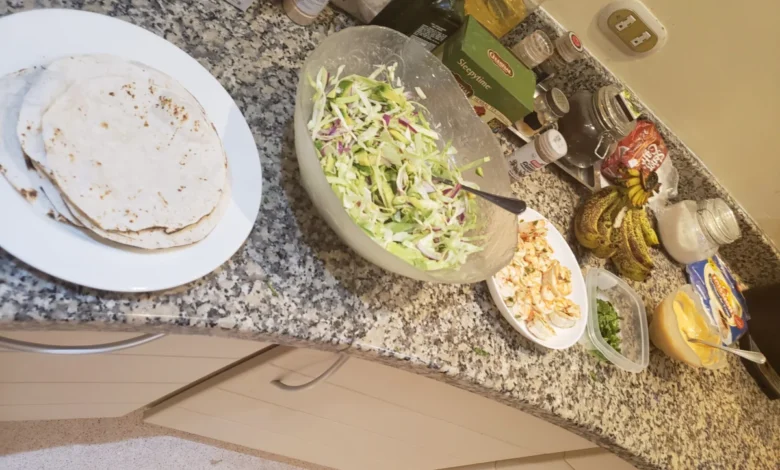
By the second day, the child’s journal highlighted the seamless integration of Costa Rican wildlife into everyday accommodations. Sloths and monkeys were observed directly in the property’s backyard, contrasting sharply with standard metropolitan experiences. Culinary exploration began early, with the child developing an affinity for simple ham and cheese sandwiches at local establishments like Jolly Rogers, alongside home-cooked shrimp tacos prepared during a rainy afternoon indoors.
Weather Adaptability and Technological Distractions

True to Costa Rica’s green season, Days 3 and 4 brought significant rainfall, confining the family indoors. Demonstrating the universal nature of modern childhood, the five-year-old balanced tropical exploration with familiar digital comforts, logging time on his tablet to play Roblox and video games. Brief excursions to local marinas to inspect vessels and casual meals featuring macaroni and cheese grounded the international experience in familiar routines.
Marine Adventures and Rainforest Treks
Day 5 introduced oceanic exploration via a boat tour, during which the young traveler experienced mild seasickness—a common hazard of coastal excursions—yet maintained a positive outlook after spotting a sea turtle and exploring beachside caves.
The following day required an early rise for a rainforest trek to local waterfalls. The child navigated riverbeds and boulder-strewn paths on foot before heading to the coast to ride ocean waves. Notably, this day also marked the departure of traveling companions who returned to Michigan, leaving the immediate family to transition into a more relaxed pace.

Geological Events and Culinary Milestones
Day 7 introduced a dramatic geological phenomenon when the family experienced a magnitude 4.9 earthquake during the night. While seismic activity is a regular occurrence in the seismically active Pacific Ring of Fire, experiencing an earthquake left a lasting impression in the child’s chronicle, juxtaposed immediately against the enjoyment of local poultry dishes.
Subsequent days featured visits from new friends, beachside barbecues, and the introduction of new dietary favorites. While adults sampled regional barbecues and fresh seafood, the young diarist remained steadfast in his preference for blue popsicles with sprinkles, cheese quesadillas from Sanchos, and cookie-based ice cream tubs known as Trits.
Culinary Evolution and Cultural Immersion

As the trip progressed into its second week, the young traveler’s palate expanded. Following a morning storm that cancelled a planned excursion to waterfalls near Dominical, the family breakfasted at Cafe Milagro. There, the five-year-old sampled mango crepes and fried plantains, declaring plantains his new favorite food.
By Day 12, the itinerary included a bustling visit to the Quepos farmers market. Amidst the stalls, the child interacted with local vendors, tasted white pineapple, mora juice, and dragon fruit, and examined a preserved shark’s jaw. Conversations with beachside vendors yielded a freshly prepared beef empanada, celebrated as the culinary highlight of the day, alongside the discovery of a jade stone washed ashore by turbulent coastal waves.
Departure and Homeward Transit
After a period of reflection where two days of the journey went unrecorded due to diary omissions, Day 15 marked the conclusion of the trip. The family undertook a three-hour drive to the airport, navigating a layover in Houston before arriving home late at night to be greeted by family. The journal concluded with a sentiment shared by travelers of all ages: a reluctance to leave and an eagerness to return.

Supporting Data and Tourism Context
The family’s experience aligns with broader tourism metrics regarding travel to Costa Rica during the shoulder and green seasons. According to the Costa Rican Tourism Board (ICT), green season travel—typically spanning from May to November—offers visitors lower accommodation rates and fewer crowds, though it requires flexibility due to localized heavy rainfall and temporary road closures.
Furthermore, data from family travel associations indicates that integrating children into the documentation process of long-haul trips significantly enhances language acquisition and cultural retention. In this instance, the five-year-old’s exposure to bilingual environments resulted in measurable improvements in his Spanish vocabulary over the course of two weeks.
Broader Impact and Implications for Family Travel

The documentation of this trip sheds light on the evolving dynamics of modern family tourism. By prioritizing a child’s-eye view, the narrative challenges the notion that successful international travel requires an unbroken chain of monumental tourist attractions. Instead, it underscores the value of unstructured downtime, the blending of local gastronomy with comforting child-friendly staples, and the resilience required to navigate environmental variables such as tropical storms and seismic events.
Experts in child development note that travel journals serve as valuable developmental tools, helping young children anchor transient memories into tangible milestones. For the travel industry, the account emphasizes the importance of family-friendly infrastructure—from accessible coastal paths and safe swimming areas to diverse culinary options that cater to younger palates while introducing authentic local ingredients like plantains and fresh tropical fruits.
As the family looks ahead to future returns to Manuel Antonio, the experiment stands as a testament to the fact that international travel, when viewed through the unfiltered lens of a child, becomes an exercise in curiosity, adaptability, and the finding of wonder in both the extraordinary and the everyday.