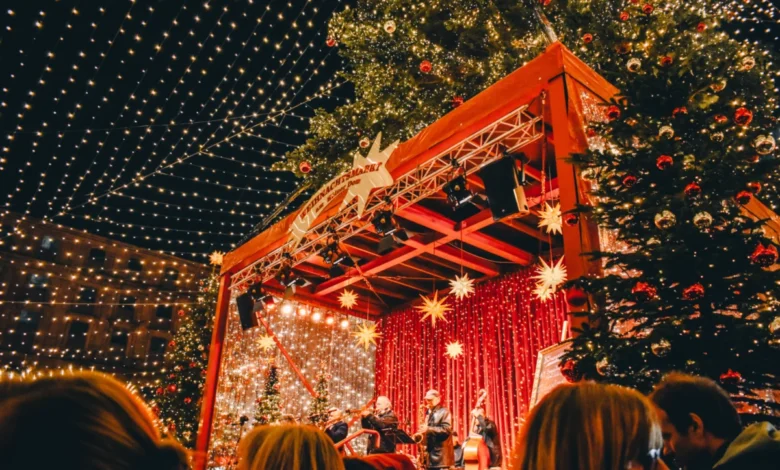
Heidelberg, the historic university city on the banks of the Neckar River, is preparing to host its annual Christmas market, a centuries-old tradition that serves as a cornerstone of the regional holiday tourism economy. Known in German as the Weihnachtsmarkt, the event transforms the city’s baroque Altstadt (Old Town) into a focal point of cultural heritage and commerce. Spanning five distinct squares and the historic Hauptstrasse, the market represents one of Germany’s most significant seasonal attractions, drawing hundreds of thousands of visitors annually from across Europe and the globe.

The 2026 iteration of the Heidelberg Christmas market is scheduled to operate from November 23 through December 22, 2026, with select areas extending their activities through January 1, 2027. This extended duration reflects a strategic shift by the city’s tourism board to capitalize on the growing demand for post-holiday travel and the "winter magic" aesthetic that continues to gain popularity throughout the Rhine-Neckar metropolitan region.

Historical Context and Cultural Significance
The tradition of the Christmas market in Heidelberg is deeply rooted in the history of the region. While the specific origins of the market date back to the early modern period, the current format emphasizes a blend of historical reverence and modern economic vitality. The backdrop of the Heidelberg Castle, a sprawling sandstone ruin that dominates the cityscape, provides a unique aesthetic that has become synonymous with German winter tourism.

The market is not merely a collection of stalls but a highly organized municipal event. Each of the five main squares—Bismarckplatz, Anatomiegarten, Universitätsplatz, Marktplatz, and Kornmarkt—is curated to offer a specific atmosphere, ranging from the commercial hub at the entrance of the city to the more intimate, artisanal displays near the church squares. The logistical planning involves over 140 vendors, many of whom have operated in the same locations for generations, maintaining the traditional crafts and culinary standards that define the region.

Chronology and Operational Logistics
The market operates on a standardized schedule, though variations exist for specific attractions. General operating hours are set from 11:00 AM to 9:00 PM, Sunday through Friday, with extended hours until 10:00 PM on Saturdays.

The timeline for the 2026 season is as follows:

- Opening Date: November 23, 2026.
- Core Market Period: November 23 – December 22, 2026.
- Extended Attractions: Select locations, including the "Winterwäldchen" (Winter Woods) at Kornmarkt and the market at Bismarckplatz, will remain open through January 1, 2027.
- Ice Skating: The open-air ice-skating rink at Karlsplatz, often cited as one of the most scenic in Germany, is scheduled to operate from November 25, 2026, through January 6, 2027, with daily hours from 10:00 AM to 10:00 PM.
Economic Impact and Tourism Trends
The economic significance of the Heidelberg Christmas market cannot be overstated. For a city with a population of approximately 160,000, the influx of seasonal tourists provides a critical boost to the local retail, hospitality, and service sectors. Market data suggests that the "experience economy" surrounding Christmas markets has seen a steady annual growth rate of 3-5% over the past decade, with international visitors increasingly prioritizing these events in their winter travel itineraries.

Local authorities and the city’s Chamber of Commerce have observed that the market functions as an anchor for the tourism sector, encouraging longer stays in the city and increased patronage of local hotels, such as the historic Hotel Ritter and the various establishments along the Hauptstrasse. The shift toward sustainable tourism has also prompted the organizers to implement stricter waste management protocols, including the widespread use of returnable ceramic mugs for Glühwein (mulled wine), which has become a standard practice across the state of Baden-Württemberg to reduce single-use plastic waste.

The Five Pillars of the Market
The spatial distribution of the market serves to manage crowd flow while offering distinct experiences:

- Bismarckplatz: Serving as the gateway to the Old Town, this area functions as the primary transport hub. It features large-scale retail stalls and traditional food vendors, catering primarily to the high volume of foot traffic arriving via the regional tram network.
- Anatomiegarten: This smaller, more specialized space focuses on high-quality artisanal crafts. It has gained a reputation for personalized gift items and represents a segment of the market that prioritizes local craftsmanship over mass-produced goods.
- Universitätsplatz: As one of the largest squares, it hosts the majority of the food and beverage stalls. It is the site of traditional displays, including the Feuerzangenbowle—a classic German holiday drink made with rum-soaked sugar cones.
- Marktplatz: Located near the Church of the Holy Spirit, this square is the center for family-oriented activities, including the historic carousel and the Santa Claus meet-and-greet programs.
- Kornmarkt: Often described as the most scenic portion of the market, this square emphasizes the visual connection to the Heidelberg Castle. It is the designated location for the "Winterwäldchen," a carefully curated forest-themed display that has become a staple of the city’s festive marketing.
Regional Connectivity and Broader Implications
The success of the Heidelberg market is partially attributed to its strategic location within the "Golden Triangle" of European Christmas markets. Its proximity to other major hubs—including the renowned markets in Strasbourg and Colmar, France, and the major German markets in Cologne and Baden-Baden—makes Heidelberg a logical stop on a multi-day regional itinerary.

The integration of regional public transport, specifically the efficient rail links between Mannheim, Heidelberg, and the surrounding Palatinate region, allows for high-capacity visitor movement. This connectivity reduces the reliance on private vehicles, aligning with the city’s long-term environmental sustainability goals.

Furthermore, the decision to remove the market from the castle grounds—a measure enacted to protect the local bat population and maintain the structural integrity of the site—has been cited by environmental advocacy groups as a positive example of balancing cultural tourism with ecological preservation. While some visitors initially expressed disappointment, the consensus from city officials is that the current layout, which concentrates the activity in the Altstadt, offers a more cohesive and accessible experience for the public.

Practical Guidance for Visitors
For those planning an excursion to the market, logistical preparation is advised. The city center is a pedestrian-friendly zone, and the Hauptstrasse is famously one of the longest pedestrianized streets in Europe. Visitors are encouraged to utilize the public tram system, as parking in the Old Town is extremely limited and subject to high demand during the weekends of the Advent season.

In terms of cultural etiquette, it is important to note that the market operates on a cash-heavy system. While digital payment adoption is increasing, many independent artisans and small food stalls still prefer or require cash transactions. Visitors should also be aware that the "Pfand" (deposit) system for mugs and plates is strictly enforced; returning these items to the designated stations is not only expected but necessary to receive the deposit refund and ensure the circular economy of the market’s dishware.

Conclusion: A Staple of European Winter Culture
The Heidelberg Christmas market continues to be a definitive example of German holiday tradition. By balancing historical aesthetics with modern logistical efficiency, the city has maintained its status as a premier destination for seasonal tourism. As the 2026 season approaches, the market remains a testament to the enduring appeal of communal, festive gatherings that bridge the gap between the historic past and the contemporary visitor experience. Whether one is visiting for the culinary traditions, the artisanal crafts, or the unique atmosphere created by the illuminated castle, the Heidelberg market offers a comprehensive insight into the cultural life of Southern Germany.