Asheville, nestled in the heart of North Carolina’s Blue Ridge Mountains, has transitioned from a niche Appalachian destination into a premier hub for family-oriented tourism. While the city is historically recognized for its vibrant arts scene and burgeoning craft brewery culture, recent data indicates a significant shift in visitor demographics. Increasingly, families with children under the age of five are selecting Asheville as their primary travel destination, drawn by the city’s unique combination of accessible outdoor recreation and urban amenities.

For parents, traveling with a toddler or infant requires a balance of logistical planning and flexible scheduling. As of 2024, the city has adapted to this influx by prioritizing infrastructure that supports young families, ranging from stroller-friendly transit routes to designated play areas within commercial spaces.

Logistical Framework: Arrival and Transportation
For families planning a trip to the Blue Ridge region, logistics begin with the choice of arrival airport. The Asheville Regional Airport (AVL) serves as the most direct point of entry. Despite its compact footprint and limited number of daily direct flights, its proximity—situated just 15 minutes from the downtown corridor—minimizes travel fatigue for young children.

Statistical trends show that many families opt for larger international hubs, such as Charlotte Douglas International Airport (CLT) or Greenville-Spartanburg International Airport (GSP), to secure more favorable flight schedules. However, these choices necessitate a drive of approximately two to three hours. Transportation data confirms that rental cars remain the most efficient method for navigating the region. While the Asheville Rides Transit (ART) system offers the S3 South route, providing a link between the airport and the downtown transit hub, frequency remains a constraint for families reliant on precise nap schedules or frequent stops.

Regarding safety equipment, the lack of reliable car seat availability among local rental agencies is a recurring issue for travelers. Industry experts and travel advocates consistently advise that parents bring their own equipment to ensure compliance with safety standards and to avoid the volatility of inventory shortages at rental desks. For those seeking to reduce baggage weight, professional baby equipment rental services have emerged in the Asheville area, providing high-quality cribs, strollers, and carriers that can be delivered directly to vacation rentals or hotels.

Strategic Neighborhood Selection
The geography of Asheville offers distinct experiences depending on the neighborhood. Downtown remains the most pragmatic choice for families seeking walkability. The area is dense with hotels that have modernized their amenities to include cribs, high chairs, and child-safe pool facilities, such as the Renaissance Asheville Downtown Hotel.

Conversely, neighborhoods like West Asheville and the historic Montford district offer a more residential atmosphere. These areas are increasingly popular for short-term vacation rentals, which provide the domestic infrastructure—such as kitchens and separate bedrooms—that families require for extended stays. For those prioritizing space over immediate downtown access, the surrounding towns of Black Mountain, Weaverville, and Mills River offer a quieter, more scenic environment. These satellite communities maintain the cultural charm of the larger city while providing direct access to the natural landscape, making them ideal for families looking to avoid the noise of the urban center.

Navigating Local Infrastructure and Amenities
Effective travel in Asheville requires understanding the local approach to child-centric needs. Grocery chains, including Harris Teeter, Ingles, and Publix, are strategically distributed throughout the city, ensuring that essential supplies such as formula, diapers, and organic snacks are readily available.

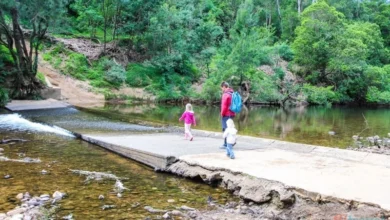
When it comes to mobility, the city is a blend of paved urban walkways and rugged mountain terrain. Downtown sidewalks are generally suitable for standard strollers; however, the mountainous geography means that visitors will frequently encounter steep grades. Parents are advised to utilize high-quality, lightweight travel strollers for city exploration and to consider ergonomic baby carriers for more rigorous, unpaved excursions, such as the trails at the Beaver Lake Bird Sanctuary. While these trails offer flat, scenic walks, they are not paved, which can prove challenging for heavy or low-clearance strollers.

Educational and Recreational Engagement
Asheville has successfully integrated its cultural assets with the needs of young families. The Asheville Art Museum, for instance, serves as a cornerstone of the city’s family-friendly offerings. By dedicating significant square footage to interactive, age-appropriate play areas, the museum allows parents to engage with art while providing a safe, sensory-rich environment for toddlers.

Similarly, the Asheville Museum of Science (AMOS) provides a hands-on learning experience that caters to early childhood development. These indoor facilities are particularly vital during the winter months or during the frequent rainfall that characterizes the Southern Appalachian climate.

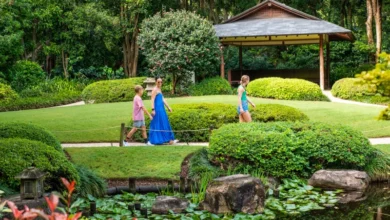
Beyond museums, the city’s park system has received significant investment. The Tempie Avery Montford Community Center and the Roy Pope Memorial Park are frequently cited as top-tier locations. The latter is notably popular for its enclosed design, which provides a controlled environment for toddlers to explore. These parks also serve as community hubs, offering picnic shelters and proximity to local coffee shops, which allows for a seamless transition between recreational activity and parent-focused downtime.

The Evolution of Family-Friendly Hospitality
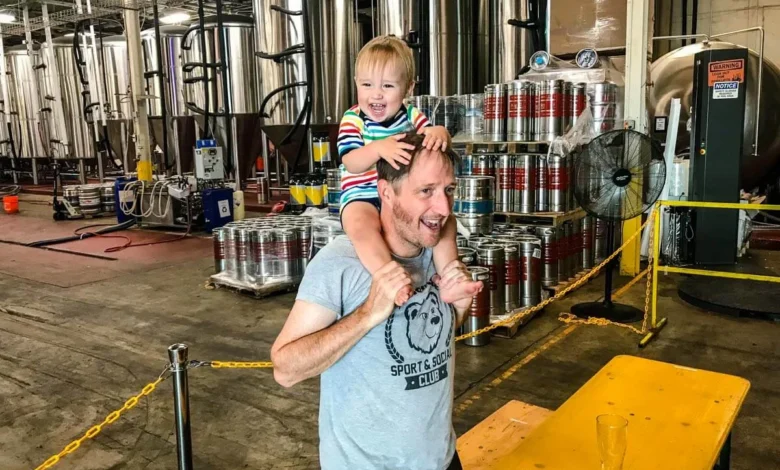
Perhaps the most notable trend in Asheville’s tourism sector is the integration of children into traditionally adult-centric spaces, specifically breweries. In many cities, breweries are restricted to 21-and-over patrons; however, Asheville has fostered a culture where establishments like New Belgium, Highland Brewing, and the various locations of Wedge Brewing Company act as quasi-community centers.

These venues often feature expansive outdoor grassy areas, which provide a critical outlet for children to run while parents enjoy local products. From an economic perspective, this model has proven successful. By catering to the "family-friendly" demographic, these businesses capture a segment of the market that would otherwise be excluded from the social scene. Furthermore, many of these breweries maintain a commitment to community stewardship, often operating as B-Corps or donating portions of their proceeds to local charities, aligning with the values of the modern, socially conscious parent.

The Biltmore Estate: A Complex Case Study
The Biltmore Estate remains the most significant tourist attraction in the region. Spanning thousands of acres, the estate presents a unique challenge for families. While the interior of the 250-room mansion is often crowded and logistically difficult for strollers, the surrounding landscape is highly accessible.

Analysis of visitor trends suggests that the most successful family trips to the Biltmore focus on the conservatory, the expansive gardens, and the estate’s trails, rather than the house tour itself. The winery, despite its adult focus, is surprisingly accommodating to families, offering a space where parents can engage with local viticulture while children are welcome to accompany them. However, given the high cost of admission, the recommendation for families remains to treat the Biltmore as a day-long outdoor excursion, prioritizing the natural beauty and wide-open spaces over the indoor historical tour.

Broader Implications and Future Outlook
The rise of family-oriented tourism in Asheville reflects a broader national trend where families are seeking "lifestyle" travel—destinations that allow parents to maintain their own interests while simultaneously providing high-quality experiences for their children.

The economic implications for Asheville are substantial. By diversifying its visitor base to include families, the city has successfully reduced its reliance on seasonal, peak-weekend tourism. This year-round interest supports local businesses, from independent bookstores to specialized toy shops and cafes, creating a resilient local economy.

As the city moves forward, the primary challenge for municipal planners will be maintaining the balance between growth and livability. For the traveling family, however, the current trajectory is promising. The city continues to prove that mountain charm and urban sophistication are not mutually exclusive, provided that the infrastructure—from the airport to the playground—is designed with the youngest travelers in mind. Whether through the inclusion of family-sized facilities in new developments or the maintenance of public green spaces, Asheville is positioning itself as a leader in the American family-travel landscape, ensuring that the next generation of travelers is welcomed as warmly as the last.