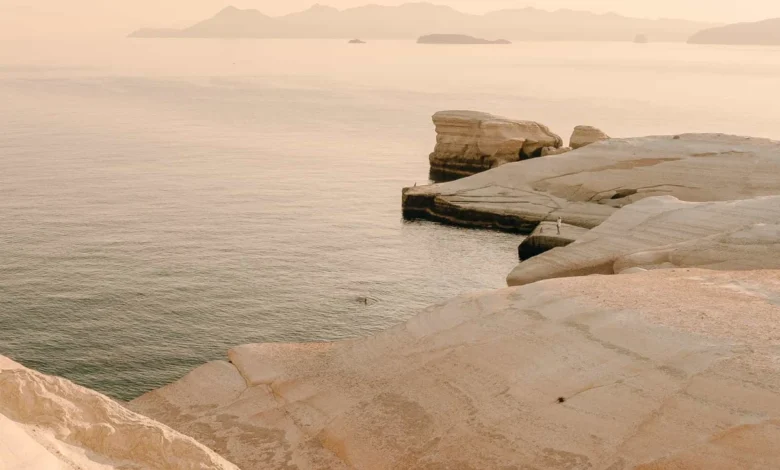
Milos, a volcanic island in the Aegean Sea, has emerged as a premier destination within the Cyclades, offering a distinct geological profile and historical narrative that differentiates it from neighboring tourism hubs like Santorini or Mykonos. While the island lacks a major international airport, it has successfully managed to balance a surge in visitor numbers with the preservation of its rugged, moon-like landscapes and traditional maritime culture. Access to the island is primarily facilitated through high-speed ferry services connecting it to the Port of Piraeus and other central Cycladic islands, as well as domestic flights from Athens International Airport.

The following guide details key sites and activities on Milos, providing context for travelers and stakeholders interested in the island’s expanding tourism infrastructure and its commitment to preserving its natural and historical heritage.

The Geological Significance of Sarakiniko Beach
Sarakiniko Beach, located on the northern coast near the port of Adamantas, serves as the most prominent geological feature of the island. Unlike traditional beaches characterized by sand, Sarakiniko is defined by volcanic rock formations that have been sculpted over millennia by wind and sea erosion. The white volcanic tuff creates a stark, lunar-like topography that has made the site a focal point for geological tourism.

Local environmental authorities advise visitors to exercise caution due to the high solar reflectivity of the white rock, which significantly increases UV exposure. Furthermore, as an undeveloped natural site, it lacks commercial infrastructure, necessitating that visitors carry their own supplies. The site remains a primary example of the island’s unique volcanic origins, which have shaped the local economy and tourism offerings for decades.

Maritime Exploration and the Kleftiko Complex
The southern coast of Milos is inaccessible by road, making maritime transport essential for accessing some of the island’s most significant landmarks, including Kleftiko Bay. Historically known as a hideout for pirates, Kleftiko is a collection of towering white rock arches and sea caves that are now protected under the Natura 2000 network.

Data from local tourism boards suggests that boat excursions in Milos are becoming a significant driver of the island’s revenue, with a marked increase in private and small-group charters. These tours often incorporate visits to the Sykia Cave, a collapsed sea cavern that offers a unique look at the island’s subterranean geology. The economic impact of these tours is substantial, as they encourage longer stays and higher daily expenditures per visitor.

Historical Preservation in Plaka
The town of Plaka, the administrative center of the island, provides a critical link to the medieval history of the region. Built at an elevation that offers a strategic view of the Gulf of Milos, the town is home to the remains of the Venetian Castle (Kastro). Archaeological evidence in this area suggests human activity dating back to the Byzantine and Venetian periods.

Key historical sites in the vicinity include the Panagia Korfiatissa and the Panagia Thalassitra churches. The preservation of these sites is a point of pride for the local community, which has resisted the rapid commercialization seen in other parts of the Cyclades. The integration of traditional tavernas and small-scale artisanal businesses into the historic fabric of Plaka serves as a model for sustainable tourism development.

The Cultural Heritage of Mandrakia and Firopotamos
Mandrakia and Firopotamos represent the traditional "syrmata"—fishing village architecture characterized by low-lying, colorful boat garages built directly into the rock face at the water’s edge. These structures were historically used by fishermen to protect their vessels during winter storms.

Today, these villages provide a window into the island’s maritime evolution. While some of these structures have been repurposed into vacation rentals, local preservation efforts aim to maintain the original aesthetic and structural integrity of the bays. These areas are not merely tourist attractions but remain active, if small-scale, fishing harbors that support the local culinary scene, specifically regarding fresh, locally sourced seafood.

Archaeological Significance: Catacombs and the Ancient Theatre
Milos holds a significant position in early Christian history, housing the Catacombs of Milos, which date back to the 1st century AD. These underground burial chambers are among the most important in the Mediterranean, rivaling those found in Rome. Archaeological study of the catacombs has provided researchers with valuable insights into early social and religious structures on the island.

Proximity to the Ancient Theatre of Milos—a structure built during the Hellenistic period and later expanded by the Romans—adds to the archaeological value of the area. The theater, which overlooks the bay of Klima, remains in a remarkable state of preservation. The local municipality, in collaboration with the Greek Ministry of Culture, continues to monitor these sites, as they represent the bedrock of the island’s cultural tourism strategy.

Infrastructure and Accommodation Trends
The tourism sector in Milos is currently undergoing a shift toward high-end, boutique accommodation. Developments such as the Thalassitra Private Pool Suites and the Cave Suites Milos reflect a broader trend in the Greek islands: catering to a demographic that prioritizes privacy, exclusive amenities, and architectural integration with the natural landscape.

Analysis of current booking trends indicates that demand for "experience-based" stays—where the accommodation itself offers a connection to the island’s geography—is outpacing demand for traditional hotel models. This shift has encouraged local developers to focus on smaller, low-density projects that minimize environmental impact while maximizing visitor satisfaction.

Archaeological and Natural Resource Management
The management of sites such as the Catacombs and the Ancient Theatre requires a delicate balance between public access and preservation. During peak summer months, the influx of visitors can strain existing infrastructure. To mitigate this, local authorities have implemented timed entry systems and educational initiatives to inform visitors about the fragility of these historical assets.

Natural sites, particularly those prone to erosion like the cliffs of Papafragas or the precarious access points at Tsigrado Beach, are subject to seasonal safety assessments. The decision by local authorities to restrict access during adverse weather conditions highlights the island’s proactive approach to safety and resource management.

Economic Implications of Tourism
Tourism now accounts for a significant portion of the Milos GDP, with a clear trend toward diversifying the visitor base. By promoting the island’s history, geology, and culinary traditions, stakeholders aim to extend the tourism season beyond the traditional July-August peak.

The success of local establishments, such as those in Adamantas and Plaka, illustrates the potential for small businesses to thrive by emphasizing authenticity. Economic data shows that businesses prioritizing local ingredients and traditional hospitality methods see higher return rates, suggesting that "slow tourism" could be the key to the island’s long-term economic stability.

Future Outlook
Milos stands at a crossroads. As it gains popularity as a destination for those seeking an alternative to the crowded streets of Oia or Mykonos Town, the challenge remains to maintain the quiet, rugged charm that defines the island. Future development is expected to focus on sustainable water management, waste reduction, and the protection of the island’s unique volcanic sites.

The island’s commitment to its heritage, combined with a pragmatic approach to tourism infrastructure, positions it as a resilient destination. Whether through the exploration of its ancient catacombs, the navigation of its hidden pirate caves, or the simple enjoyment of a meal in a traditional fishing village, Milos continues to offer a comprehensive experience that honors its past while navigating the demands of the modern global traveler. The ongoing cooperation between local residents, the archaeological community, and the tourism sector will be the determining factor in whether Milos can maintain its status as a premier, sustainable destination for years to come.