From Shelf to Skyline: How BookTok and Literary Tourism Are Reshaping Global Travel Trends


The intersection of literature and tourism has undergone a profound transformation in recent years, evolving from traditional literary pilgrimages into a major economic driver for the global travel sector. While historical precedents—such as the annual Bloomsday celebrations in Dublin, where enthusiasts meticulously trace the footsteps of characters from James Joyce’s seminal 1922 novel Ulysses—have long demonstrated the enduring appeal of place-based reading, contemporary travel habits are increasingly dictated by digital culture. Today, the phenomenon of the "book-cation" has emerged as a dominant trend, driven largely by the digital literary community known as BookTok on the TikTok platform. By combining viral video reviews with global storytelling, this community has turned both contemporary bestsellers and rediscovered classics into influential itineraries for a new generation of travelers.
The Rise of the Digital Literary Movement
The mechanics of BookTok represent a fundamental shift in how publishing and tourism intersect. Within this ecosystem, user-generated video content can propel a backlist title or a newly released romance novel to the top of international bestseller lists overnight. Industry analysts note that this rapid digital curation bypasses traditional marketing pipelines, creating immediate, localized surges in tourism demand. When a novel achieves viral status, the fictional landscapes described within its pages instantly transform into tangible destinations for readers eager to experience the settings firsthand. Travel agencies and tour operators have taken notice, tailoring itineraries that mirror the narrative arcs of popular literature. This trend reflects a broader shift toward experiential and narrative-driven travel, where consumers seek emotional and cultural connections to the destinations they visit.
From Beach Reads to Historic Journeys: Seven Literary Itineraries

The modern literary travel catalog spans multiple genres, offering diverse geographical and cultural touchpoints for readers turned travelers.
Contemporary Romance and Cinematic Landscapes
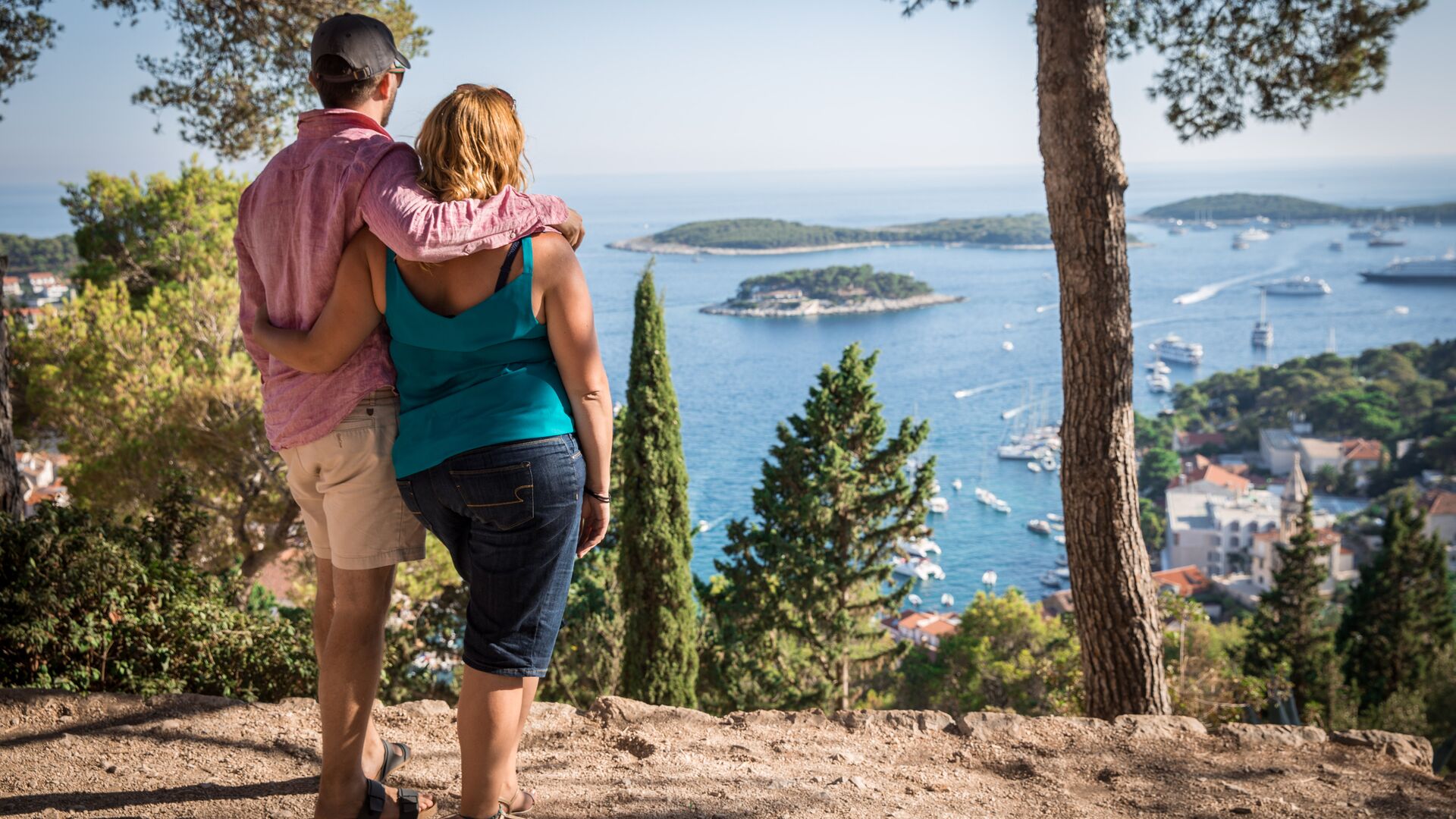
Emily Henry’s 2001 contemporary romance People We Meet On Vacation serves as a primary example of how modern fiction shapes travel choices. The novel follows a travel writer navigating personal dynamics across various global locations. Travelers looking to replicate the narrative can explore the historic coastal cities of Split and Dubrovnik via regional sailing excursions, or experience urban itineraries spanning Las Vegas and Los Angeles. These trips bridge the gap between fictional settings and physical exploration, offering travelers a chance to interact directly with landscapes popularized by contemporary fiction.
The Literary Legacy of University Towns and Historic Cities
Academic institutions and historic European cities have long inspired authors, creating enduring destinations for literary tourists. David Nicholls’ novel One Day begins against the backdrop of the University of Oxford—a historic academic hub that has similarly inspired writers such as Philip Pullman and Thomas Hardy. However, it is Edinburgh, where the novel’s central relationship begins on graduation day, that has experienced a surge in academic and leisure tourism. Travelers exploring the United Kingdom often combine these literary touchpoints, visiting Oxford’s historic libraries before journeying north to Edinburgh to scale Arthur’s Seat, the prominent geographic landmark that bookends Nicholls’ narrative.
Modern Classics and Regional Identity
In the realm of modern classics, Elena Ferrante’s Neapolitan novels—spearheaded by My Brilliant Friend, which secured a top position on prominent 21st-century literature lists—have directed international attention toward the socioeconomic and geographic realities of southern Italy. Ferrante’s vivid depiction of Naples, contrasted with the transformative escape to the volcanic island of Ischia, offers readers an intimate look at regional Italian culture. Travelers frequently seek out these settings through specialized regional tours, utilizing free time to explore Ischia’s natural thermal springs and coastal geography, thereby engaging directly with the physical environments that catalyzed the characters’ personal growth.
Historical Fiction and Culinary Diplomacy
Historical fiction also plays a significant role in modern literary tourism, often utilizing regional cuisine as a narrative device. Yang Shuang-zi’s Taiwan Travelogue, winner of the International Booker Prize, exemplifies this approach. Set in 1938 during the period of Japanese rule, the novel employs metafictional techniques and structures each chapter around a distinct Taiwanese dish, highlighting the complex dynamics between colonizer and colonized through the medium of food. In response to such works, culinary tourism initiatives in Taipei and surrounding regions have seen increased engagement, with travelers participating in tea-leaf rolling, street-food tours, and traditional cooking workshops designed to connect them with the cultural history depicted in the text.
Memoir, Adventure, and Non-Fiction Exploration

Non-fiction narratives continue to inspire physically demanding adventure travel. William Finnegan’s Pulitzer Prize-winning memoir, Barbarian Days: A Surfing Life, chronicles a lifelong pursuit of wave culture across California, Hawaii, Fiji, and Madeira. Endorsed widely across cultural platforms, the book encourages readers to step outside conventional tourism parameters in search of natural environments. Consequently, adventure travel operators report heightened interest in active itineraries, such as highland river rafting and waterfall swimming in Fiji, or extensive walking tours across the rugged terrain of Madeira, aligning reader aspirations with active outdoor pursuits.
Gothic Literature and Dark Tourism
Classic literature offers enduring appeal through atmospheric and gothic settings. Bram Stoker’s 1897 epistolary novel Dracula established a literary framework that continues to draw travelers to Eastern Europe. Although Stoker never visited the region, his depiction of Count Dracula was heavily influenced by Vlad the Impaler, a 15th-century Wallachian prince. Today, literary tourists frequently visit Romania to explore historical sites such as Bran Castle, engaging in regional trekking along routes like the Via Transilvanica Trail while experiencing local village culture and traditional hospitality.
Multi-Generational Sagas and Cultural Heritage
Multi-generational epics provide deep historical and cultural context for travelers interested in East Asian studies and diaspora narratives. Min Jin Lee’s Pachinko follows a Korean family across four generations as they navigate displacement and survival in 20th-century Japan. The novel’s exploration of food, cultural identity, and labor finds practical expression in culinary and heritage tours. Visitors frequently incorporate stops at historic marketplaces, such as the Busan fish market in South Korea or Osaka’s Kuromon Market in Japan, connecting the daily struggles and triumphs of the novel’s characters with contemporary urban commerce and local cuisine.

Broader Economic and Cultural Implications
The convergence of digital media platforms and traditional publishing has created measurable economic impacts for local tourism economies. Tourism boards and hospitality providers increasingly coordinate with literary figures, publishers, and digital creators to anticipate demand spikes associated with viral media trends. This synergy allows regional economies to diversify their tourism portfolios, attracting demographics that prioritize cultural authenticity, narrative immersion, and sustainable travel practices over conventional resort-based vacations.
As digital communities continue to influence consumer behavior, the boundary between reading an immersive narrative and experiencing its physical geography will likely continue to blur. For the global tourism industry, the ongoing evolution of the book-cation underscores a fundamental human desire: to step out of the pages of a book and into the living history, culture, and landscapes of the world.