Portugal has experienced an unprecedented surge in tourism over recent years, transforming the nation into one of Europe’s most sought-after travel destinations. To accommodate millions of international visitors and domestic commuters alike, the country has heavily invested in modernizing its national railway infrastructure. Operated primarily by the state-owned enterprise Comboios de Portugal (CP), the national rail network offers an efficient, scenic, and remarkably affordable way to traverse the country, connecting bustling urban centers, historic towns, and sun-drenched coastal regions. However, navigating the ticketing systems, understanding fare structures, and avoiding common pitfalls can pose challenges for travelers unfamiliar with the local processes.
Understanding the Official Rail Provider and Ticketing Channels
At the heart of Portugal’s rail network is Comboios de Portugal, the official national rail service provider. While tickets can be purchased directly through the official CP website, international travelers frequently encounter technical hurdles. Common issues include payment processing failures with foreign credit cards, linguistic translation glitches, and platform restrictions that prevent the purchase of cross-border international itineraries, such as direct journeys from Lisbon to Madrid.
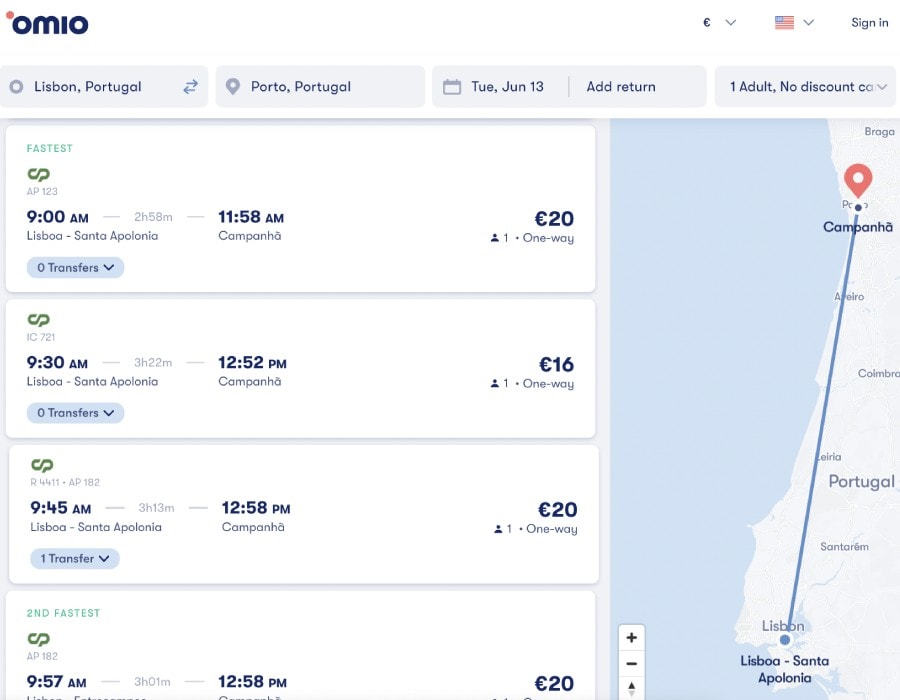
To circumvent these technological barriers, industry experts and frequent travelers often recommend utilizing third-party digital booking platforms. Services such as Omio and Trainline aggregate the exact same inventory and schedules provided by Comboios de Portugal while offering streamlined, user-friendly interfaces designed specifically for international users. These platforms successfully process foreign credit cards and provide robust customer service infrastructure. Although they typically levy a modest service fee ranging from $1 to $3 per transaction, the ticket prices themselves remain identical to those found on the official carrier’s site.
For those who prefer purchasing tickets in person, every station across Portugal features automated ticket kiosks equipped with English-language options. While convenient, these machines occasionally reject foreign bank cards. Travelers can also purchase tickets directly from station ticket windows, where staff members generally speak passable English and can process any standard credit card. Nevertheless, passengers must exercise caution: ticket windows at smaller regional stations and during weekend hours frequently open late in the morning, creating severe logistical bottlenecks for individuals attempting to catch early morning departures.
Step-by-Step Methodology for Securing Optimal Fares
Securing the best value train tickets in Portugal requires a strategic approach to timing and itinerary planning. High-speed and long-distance tickets typically become available for purchase online approximately 60 days prior to the scheduled departure date. Attempting to search for or book tickets further in advance will yield empty search results, as the inventory has not yet been released into the system.
Once tickets are released, pricing operates on a dynamic, tiered structure. Early planners are rewarded with deeply discounted promotional fares, whereas procrastinators face steep full-price tariffs. Statistical trends indicate that tickets purchased five days in advance can secure a discount of roughly 50 percent off standard rates, while bookings made eight days prior often realize savings of up to 60 percent. For instance, a high-speed route that costs roughly €10 when booked a month ahead can easily escalate to €35 if purchased on the day of travel.
Travelers must carefully evaluate the fare class when booking. The cheapest tier consists of non-refundable, non-exchangeable promotional fares ("promo fares"), which require absolute adherence to travel schedules. Conversely, standard fares permit cancellations and modifications up to 15 minutes before departure, albeit at a significantly higher initial cost. Second-class accommodations on Portuguese trains are widely regarded as exceptionally comfortable, clean, and spacious, making the 50 percent price premium for first-class tickets unnecessary for most passengers.
Categorizing Portugal’s Train Fleet and Infrastructure
The Portuguese rail network utilizes distinct categories of rolling stock, each tailored to specific distances, speeds, and regional demands. Understanding these classifications allows passengers to select the most appropriate service for their travel schedule.
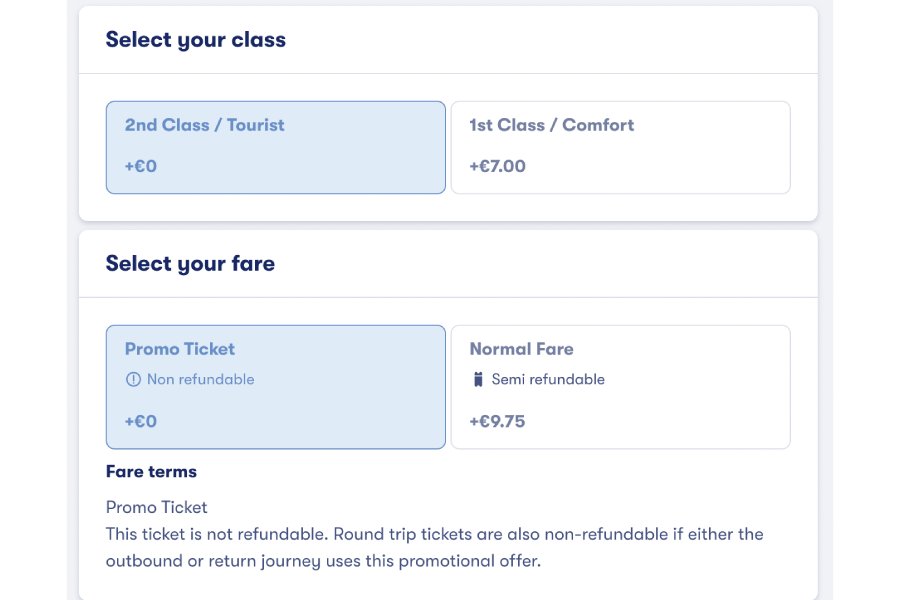
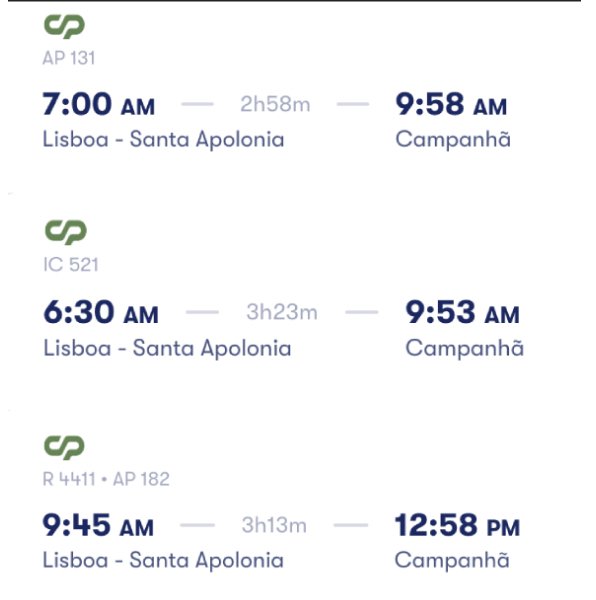
The Alpha-Pendular (AP) represents the pinnacle of modern rail engineering in Portugal. As high-speed tilting trains capable of reaching velocities up to 125 miles per hour, AP units connect major metropolitan hubs with minimal intermediate stops. They form the backbone of long-distance travel, particularly along the vital north-south corridor.
Operating alongside the high-speed fleet are Intercidades (IC) intercity trains. While slightly older and more basic than the Alpha-Pendular units, Intercidades trains cover similar long-distance routes but incorporate additional stops, resulting in marginally longer overall journey times. Both AP and IC services require mandatory seat reservations, which are automatically assigned and included at the time of ticket purchase.
For shorter journeys and suburban transit, the network relies on Regional (R), Interregional (IR), and Urban (U) trains. These services connect smaller towns, rural districts, and metropolitan peripheries. Operating on fixed pricing models, tickets for these slower services cannot be purchased online and must be acquired locally at stations or via municipal transit cards.
Validating Tickets and Navigating Digital Passes
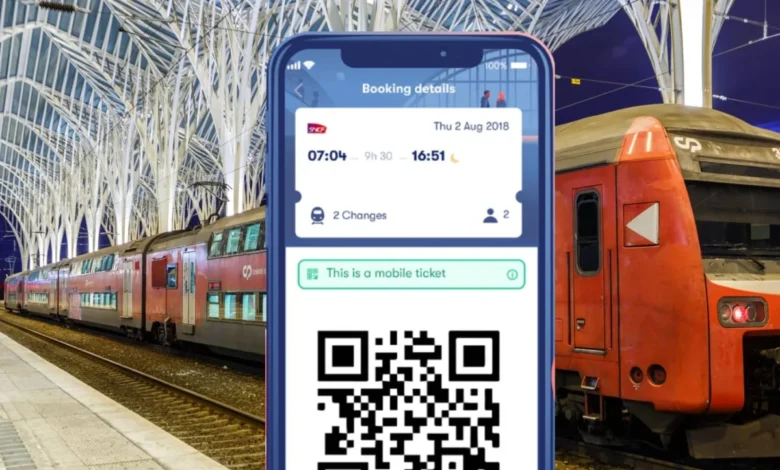
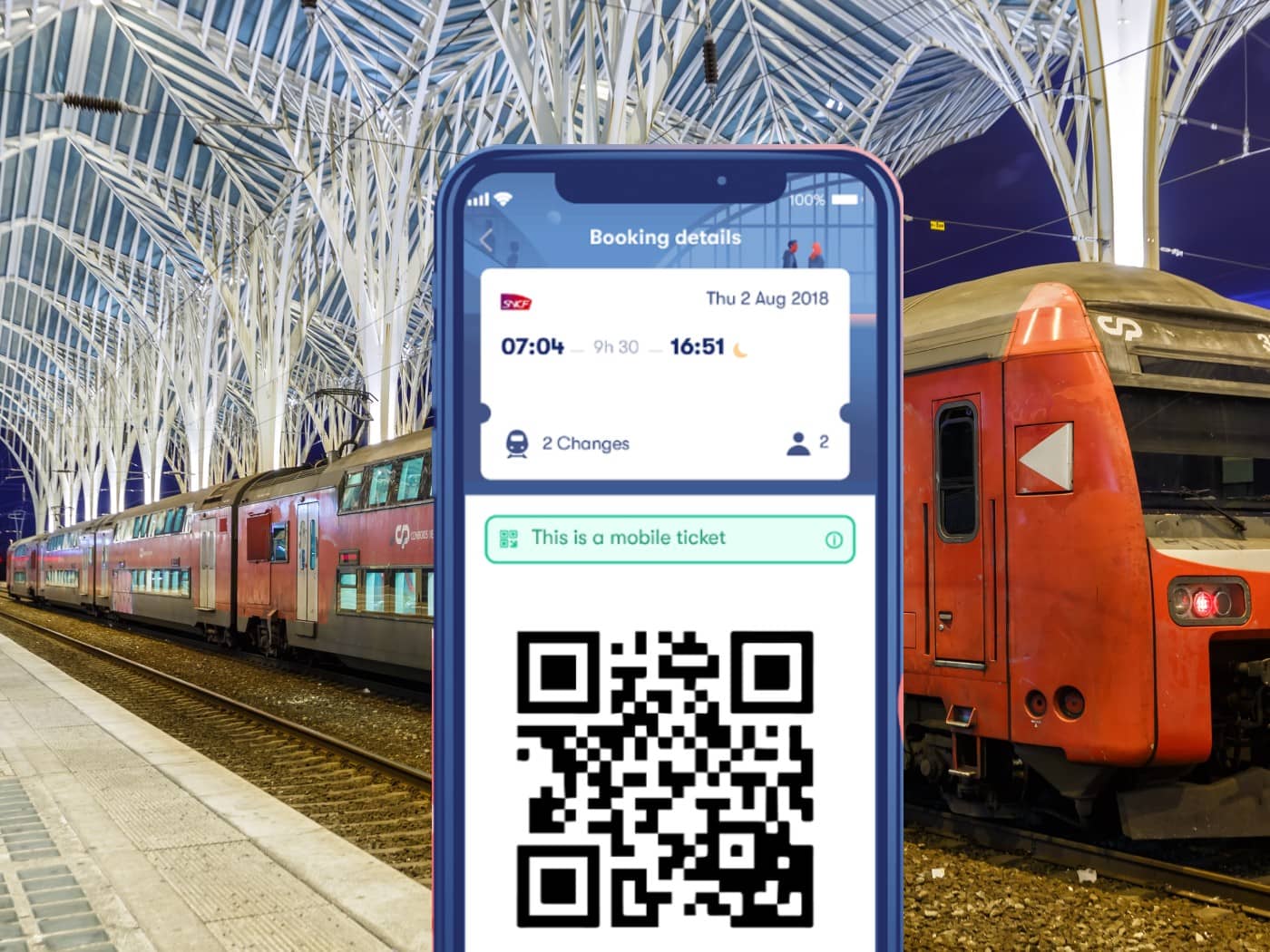
A critical distinction in Portuguese rail travel involves the fulfillment and validation of tickets. The vast majority of tickets purchased through digital aggregators like Omio or Trainline are issued as mobile e-tickets. Passengers receive a digital pass containing a unique QR code directly through an application or via email. Conductors scan these codes directly from smartphone screens during transit.
Conversely, physical paper tickets purchased at station counters or kiosks require manual validation prior to boarding, provided a specific departure time is not explicitly printed on the face of the stock. Passengers must scan their physical tickets at designated validation terminals located throughout station platforms. Neglecting this crucial step can result in substantial on-board fines during ticket inspections.

Key Routes Linking Major Portuguese Destinations
While Lisbon serves as the primary tourist hub, Portugal’s rail network seamlessly connects the capital to several vital regional centers.
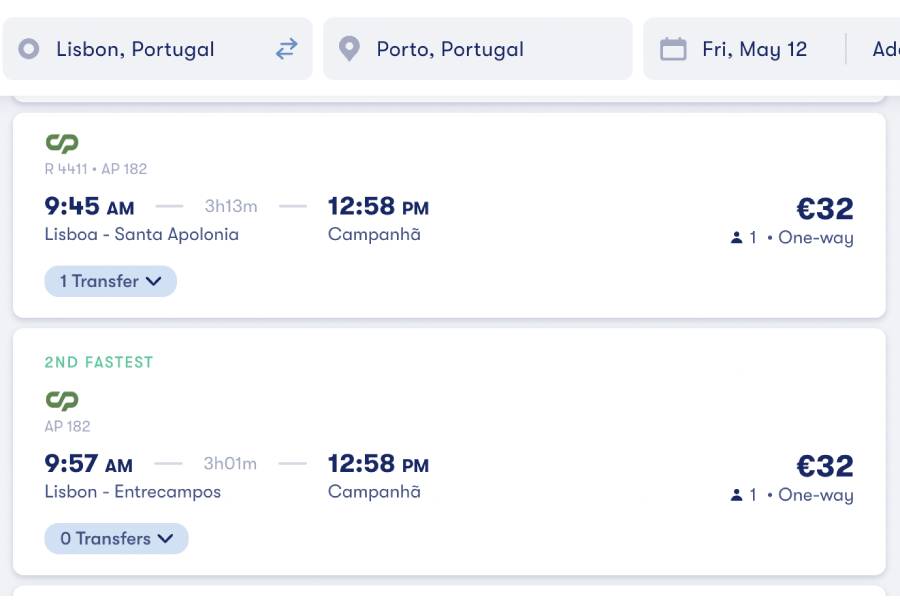
The Lisbon to Porto corridor is the country’s most heavily traveled high-speed route. Operating between Lisbon’s Oriente Station and Porto’s Campanhã Station, direct services take approximately 2 hours and 40 minutes aboard the Alpha-Pendular, or roughly 3 hours and 10 minutes on an Intercity train. Standard fares start near €32, though substantial discounts apply for early bookings.

For travelers journeying further north, the Lisbon to Braga route spans approximately 3 hours and 15 minutes via high-speed rail. While multiple daily departures exist, many itineraries require a brief transfer in Porto, making direct services the preferred choice for efficiency.
Mid-tier destinations such as Coimbra, situated roughly halfway between Lisbon and Porto, are easily accessible within 90 to 110 minutes, with standard fares ranging from €20 to €26. Meanwhile, travelers heading south toward the sun-drenched Algarve region can reach Faro from Lisbon in approximately 3 to 3.5 hours via the network’s southern trunk lines.
Finally, short-haul commuter routes, such as the immensely popular historic day trip from Lisbon to Sintra, rely on frequent local urban services. Operating multiple times per hour—with departures every 10 minutes during peak tourist seasons—these regional trains complete the journey in under an hour for a nominal flat fare of €2.30 each way. Because these specific regional tickets are restricted to station purchases, early morning arrivals at the ticket counters are strongly advised to mitigate lengthy seasonal queues.

Practical Boarding Guidelines and Onboard Amenities
To ensure a seamless travel experience, passengers should adhere to several foundational guidelines established by Comboios de Portugal. Commuters must meticulously verify their departure station, as major metropolitan areas like Lisbon and Porto frequently house multiple transit hubs.
Regarding luggage policies, official regulations technically limit passengers to a personal item and one primary suitcase. However, enforcement remains lenient unless baggage volumes are excessive. Dedicated luggage storage areas are positioned between passenger cars, complemented by overhead racks above individual seats.

Onboard amenities on long-distance Alpha-Pendular and Intercidades trains include generous legroom, power outlets, and fully accessible cafe or restaurant cars offering a selection of snacks, beverages, and alcoholic refreshments. Furthermore, passengers are legally and practically permitted to bring their own food and beverages aboard any domestic service.
Ultimately, while international rail travel options to neighboring Spain remain limited—primarily restricted to a lengthy 14-hour cross-border journey that prompts most travelers to fly instead—Portugal’s domestic rail network stands as a shining example of modern European public transit. By understanding booking timelines, leveraging reliable digital aggregators, and planning station logistics in advance, travelers can efficiently and economically explore the diverse landscapes of the Iberian nation.
Related posts: