Holafly Launches Global eSIM Subscription Plans to Compete with Traditional International Roaming

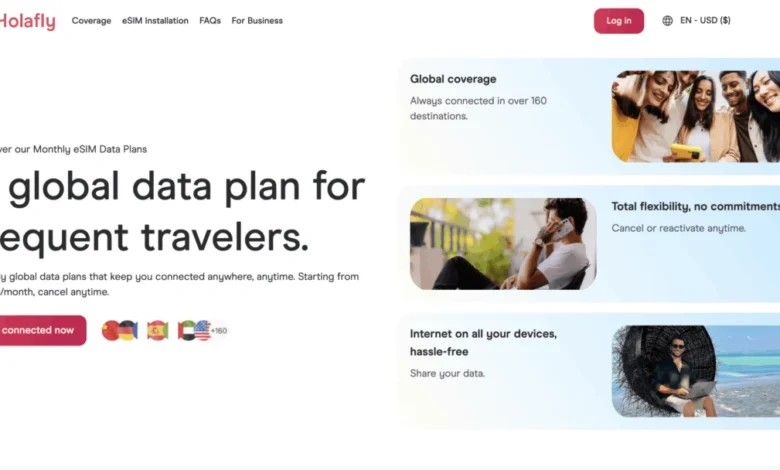
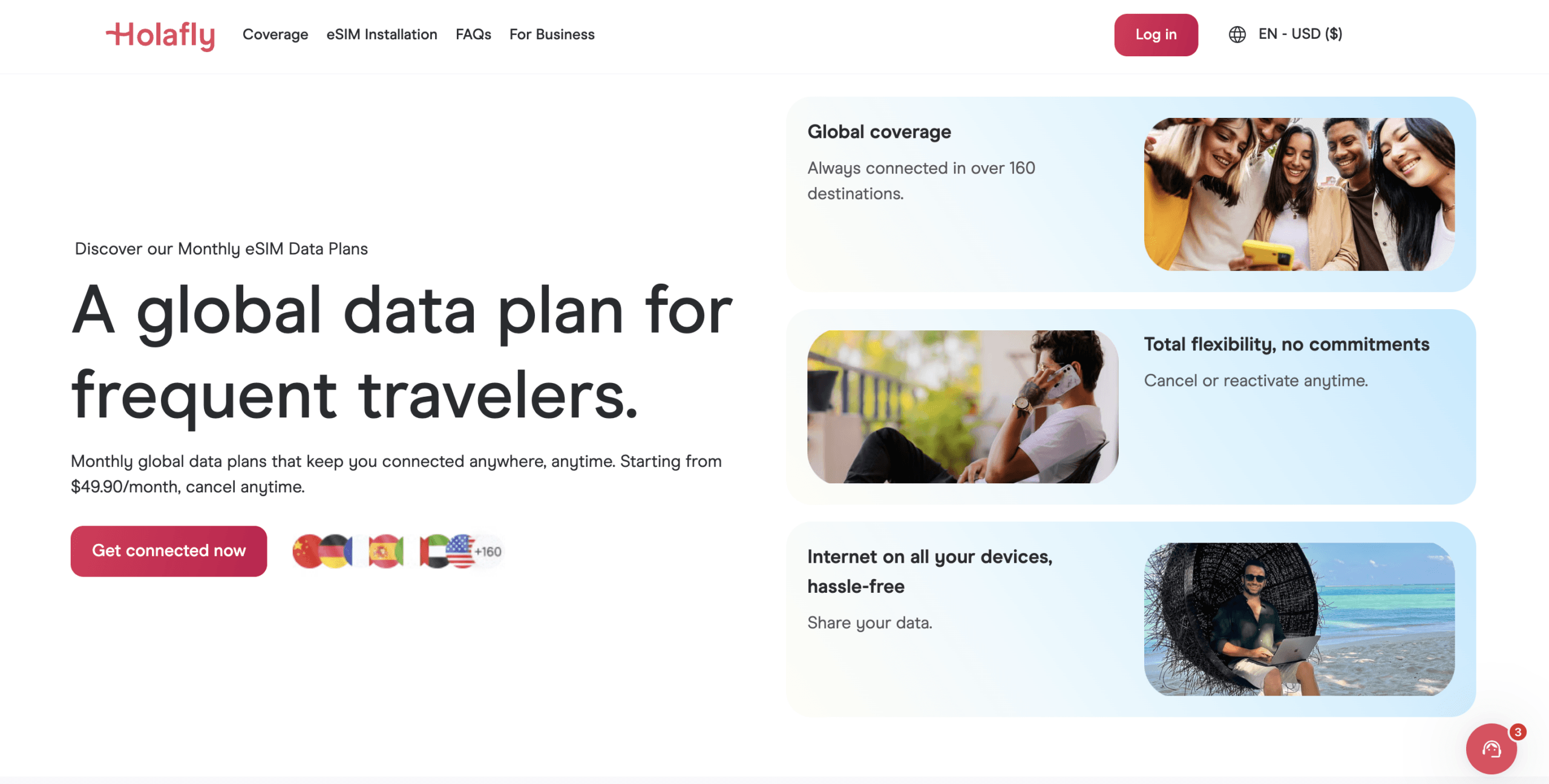
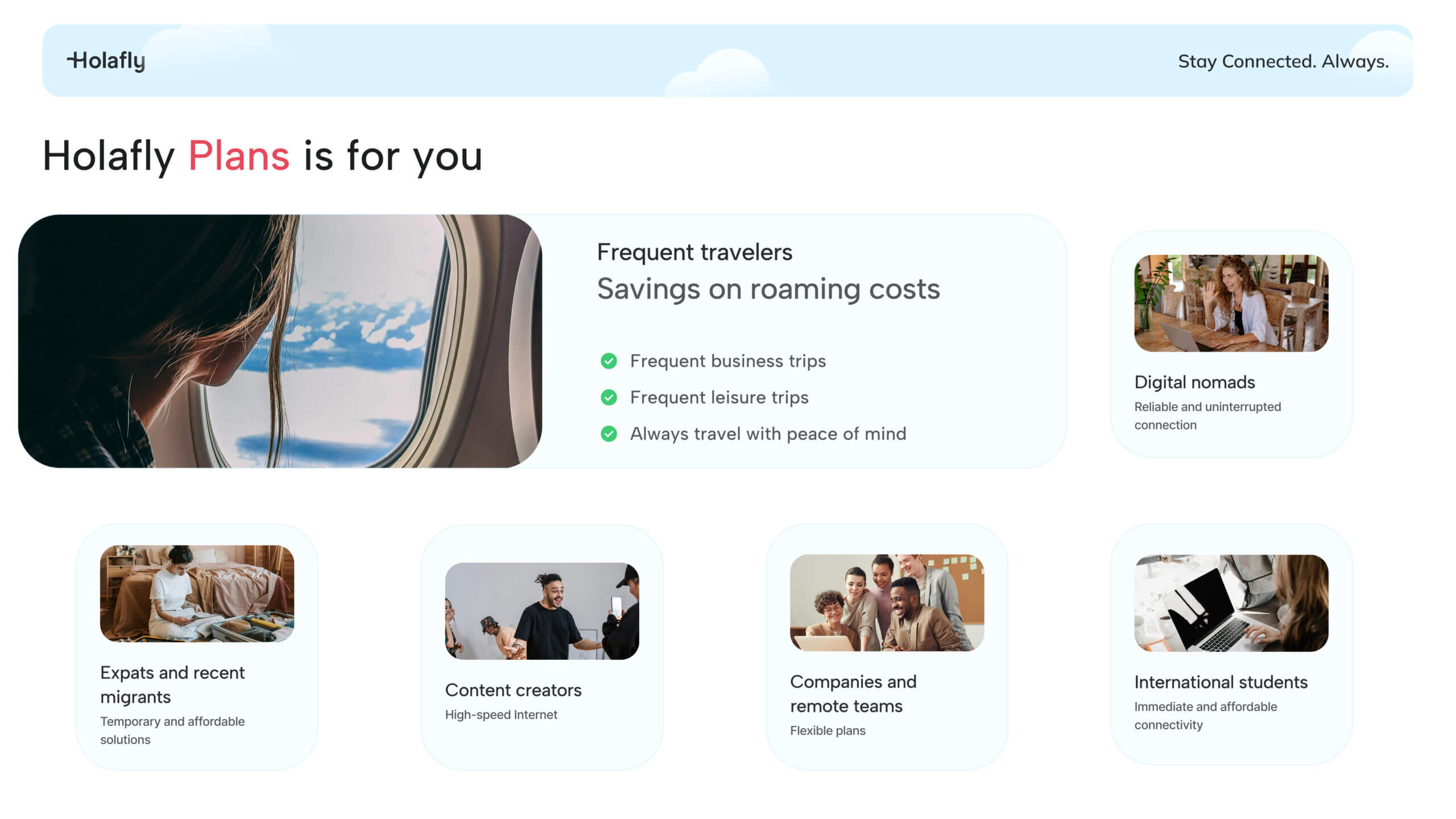
Travel connectivity provider Holafly has officially introduced "Holafly Plans," a new line of global eSIM subscriptions designed to offer continuous, cross-border mobile data across more than 160 destinations. Unlike traditional electronic SIM cards typically marketed toward short-term vacations, the newly launched service functions as an ongoing, multi-country subscription model. The product rollout targets the growing global demographic of digital nomads, remote workers, and frequent international travelers who require uninterrupted connectivity without the logistical friction of swapping physical or digital SIM cards per destination.
Background Context of the International Roaming Market
For years, international travelers have relied on a fragmented ecosystem of connectivity options. Traditional domestic mobile carriers have long provided international roaming passes, but these services frequently come with prohibitive daily fees—often averaging $10 per day—or aggressive data throttling after a minimal consumption threshold is reached. Alternatively, travelers have purchased localized physical SIM cards upon arrival or utilized single-destination eSIMs through various digital storefronts.

While regional and country-specific eSIMs solved the issue of physical card swapping, they created a different administrative burden. Long-term travelers moving across multiple borders within a single month found themselves repeatedly purchasing, installing, and configuring new digital profiles for every new country code. The introduction of standardized global subscription plans represents a significant shift in the telecom sector, bridging the gap between local prepaid data solutions and expensive enterprise-grade international roaming.
Service Architecture and Core Tier Offerings
Holafly Plans operates as a software-based architecture embedded directly into modern smartphone hardware. Rather than purchasing a temporary profile tied to a specific geographic region, users maintain a single, ongoing profile that automatically re-establishes network connections upon arrival in a supported country.
The service is structured into distinct tiers billed on monthly, quarterly, or annual cycles, featuring automated renewal capabilities and no long-term binding contracts:
- The Light Plan: Geared toward casual connectivity, this tier provides 25GB of high-speed monthly data alongside mobile hotspot functionality. It is primarily marketed toward travelers whose usage centers on navigation tools, instant messaging, and web browsing across the network’s 160+ covered destinations.
- The Unlimited Plan: Aimed at remote professionals and data-heavy users, this option removes data caps entirely and includes unrestricted hotspot capabilities for tethering secondary devices such as laptops. Furthermore, it incorporates a local phone number originating from the United States, United Kingdom, or Canada, enabling users to receive SMS verification codes and text messages globally.
- The Ultra Plan: Serving as the premium tier, the Ultra option integrates the full feature set of the Unlimited Plan while incorporating bundled travel-related perks and minor incident coverage, such as compensation for delayed or lost baggage, alongside digital support resources.
Additionally, both primary tiers feature an "Always On" safety net, granting users 1GB of monthly backup data indefinitely, even if the primary subscription is canceled. Pricing structures scale according to the billing duration; quarterly commitments typically yield a 10% discount, while annual commitments reduce overall costs by up to 15% compared to monthly renewals.
Comparative Cost Analysis and Market Implications
Industry analysts note that subscription-based eSIM models significantly undercut legacy carrier roaming tariffs. Major North American telecommunications providers regularly bill upward of $100 to $300 monthly for international data add-ons that include speed restrictions. In contrast, global eSIM subscription tiers generally price out between $50 and $90 per month depending on the chosen tier and payment frequency, offering a more economically viable alternative for individuals residing abroad for extended periods.
The elimination of border-crossing interruptions addresses a primary pain point for the digital nomad community. Historically, travelers crossing land borders or taking multi-leg international flights frequently experienced extended offline periods while troubleshooting network handshakes with local telecom partners. Automated multi-network switching protocols embedded in global eSIM platforms seek to mitigate these connectivity gaps entirely.
Implementation and Device Compatibility
Activation requires compatible smartphone hardware equipped with eSIM technology—a standard feature across most modern flagship devices manufactured within the last several years. Users enroll via a digital interface, install the singular configuration profile via a QR code or companion mobile application, and maintain the connection indefinitely through automated billing renewals. Customer support infrastructure operates on a continuous 24/7 basis to resolve activation bottlenecks, network registration delays, or device-specific provisioning errors.
The broader implications of this product rollout point toward an accelerated transition away from traditional physical telecommunications infrastructure toward cloud-managed, borderless connectivity solutions. As remote work trends persist globally, telecommunication providers are expected to face increasing consumer demand for flexible, subscription-driven alternatives to legacy roaming agreements.