Discovering a Quieter Side of La Bella Firenze: An Inside Look at Borgo Pignano Florence


Florence has long captivated international travelers with its rich repository of Renaissance art, historical architecture, and quintessential Tuscan ambiance. However, standard itineraries typically frame the city as a fast-paced urban destination, leaving visitors to navigate dense crowds and bustling historic centers from traditional hotels. Shifting this dynamic, the debut of Borgo Pignano Florence introduces an alternative hospitality model: an expansive, secluded luxury retreat situated just beyond the immediate urban core.
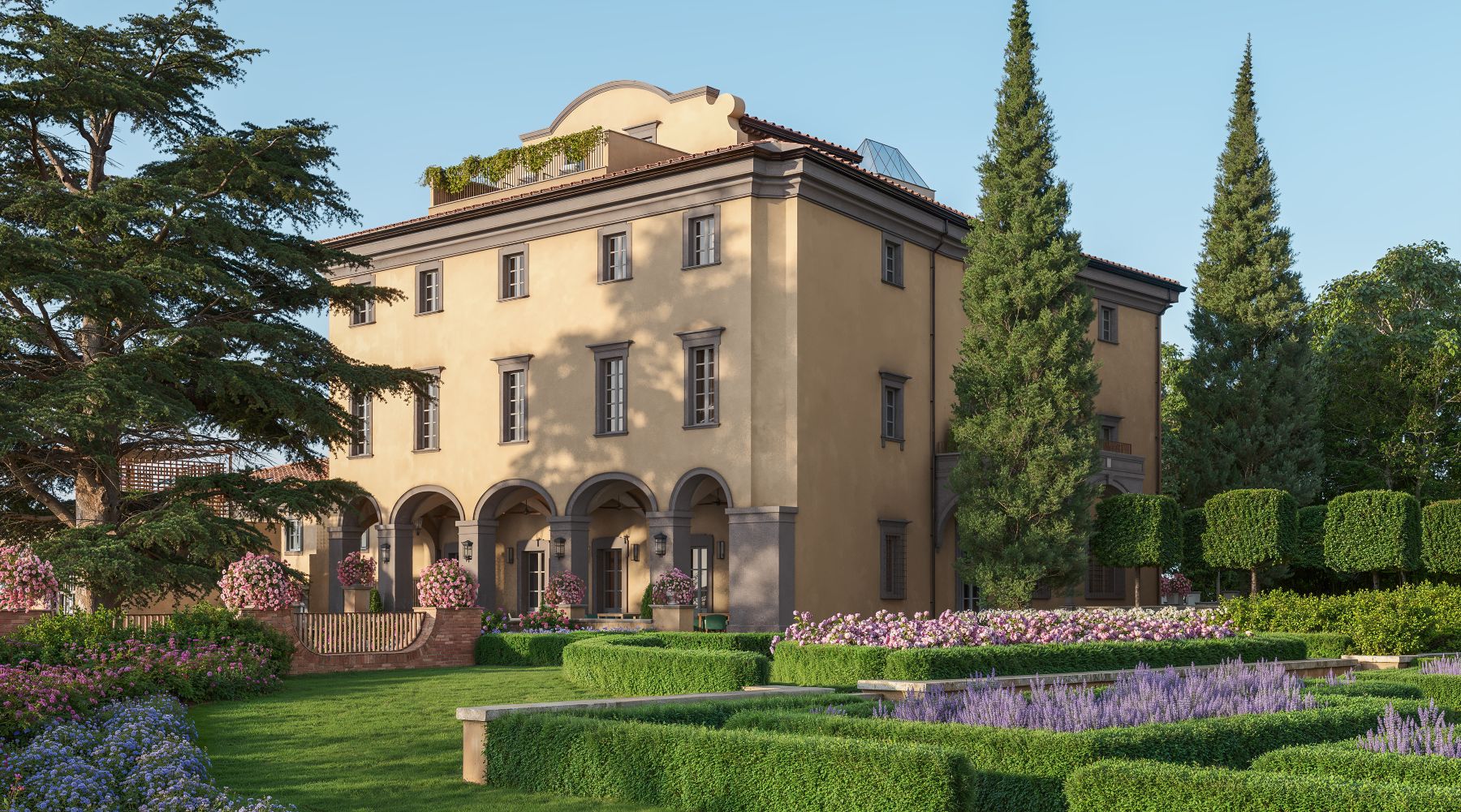
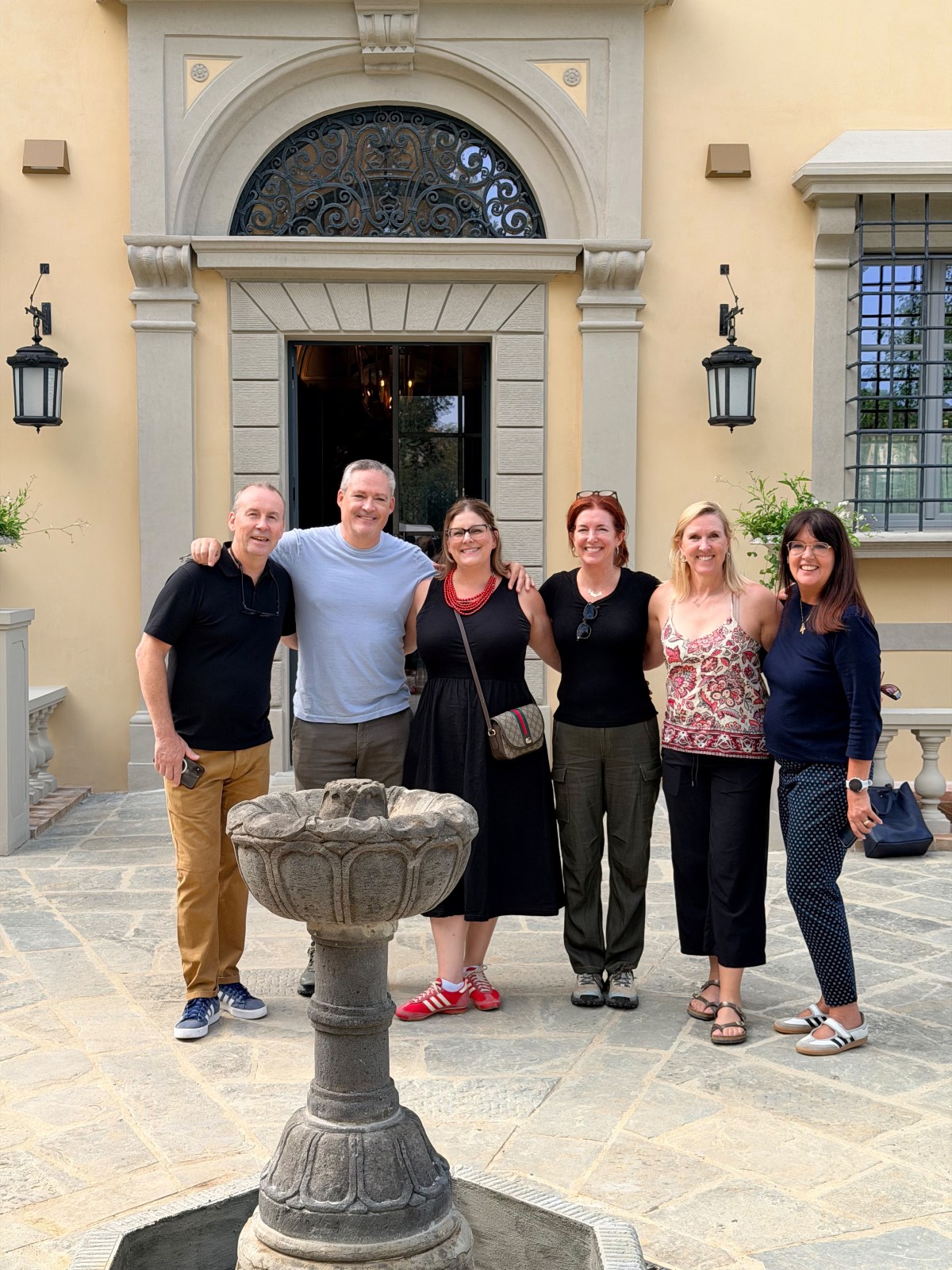
Recently, hospitality executives and travel advisors had the opportunity to experience the 15th-century estate during its soft-opening phase. This insider perspective highlights how the property blends high-end hospitality with countryside serenity, offering a fresh lens through which to experience the Tuscan capital.
Main Facts and Property Overview
Located in the residential Via Bolognese area—historically recognized as the ancient route connecting Florence to Bologna—Borgo Pignano Florence occupies a strategic position that bridges urban accessibility with rural tranquility. Guests can reach the central Piazza della Repubblica in approximately 10 minutes, combining proximity to major cultural landmarks with an unusually large footprint for a city-based property.
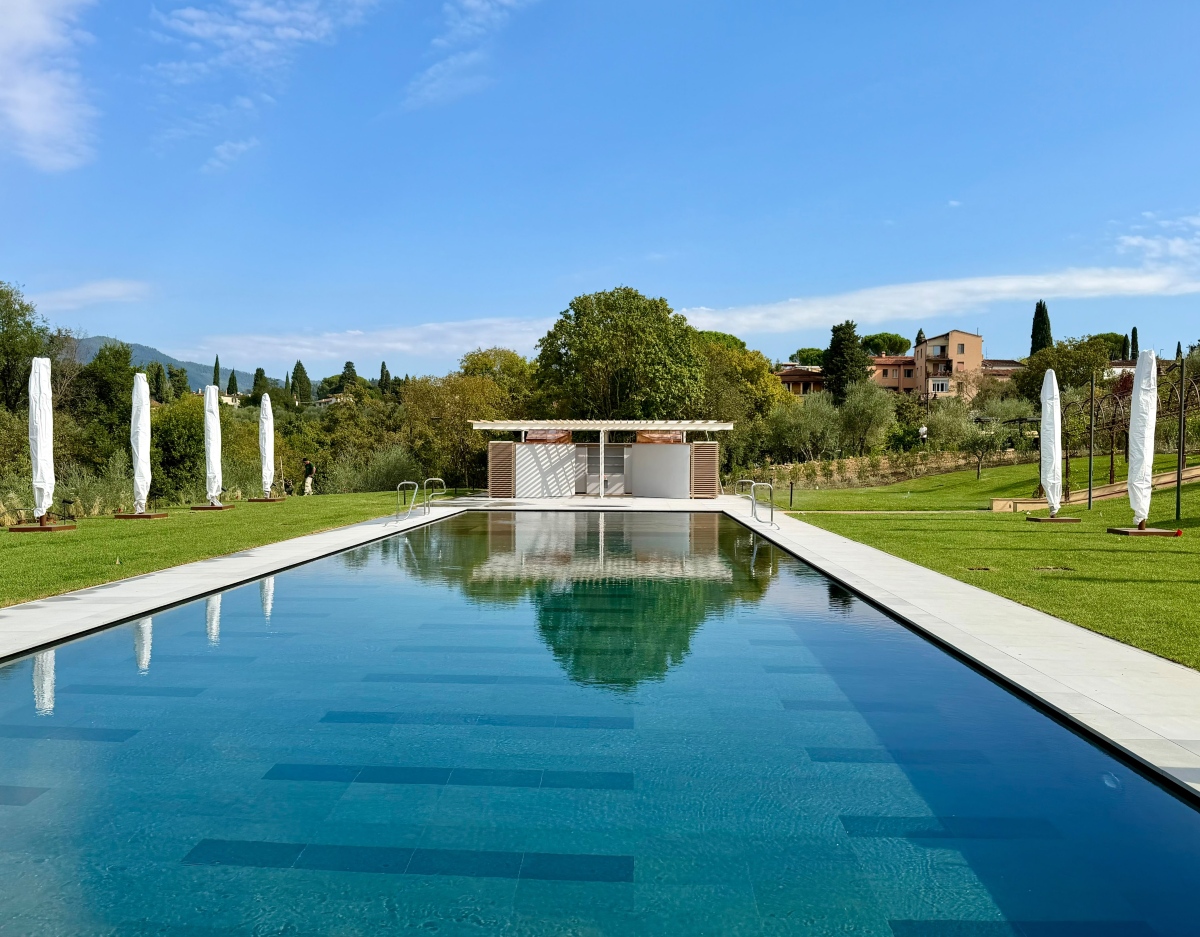
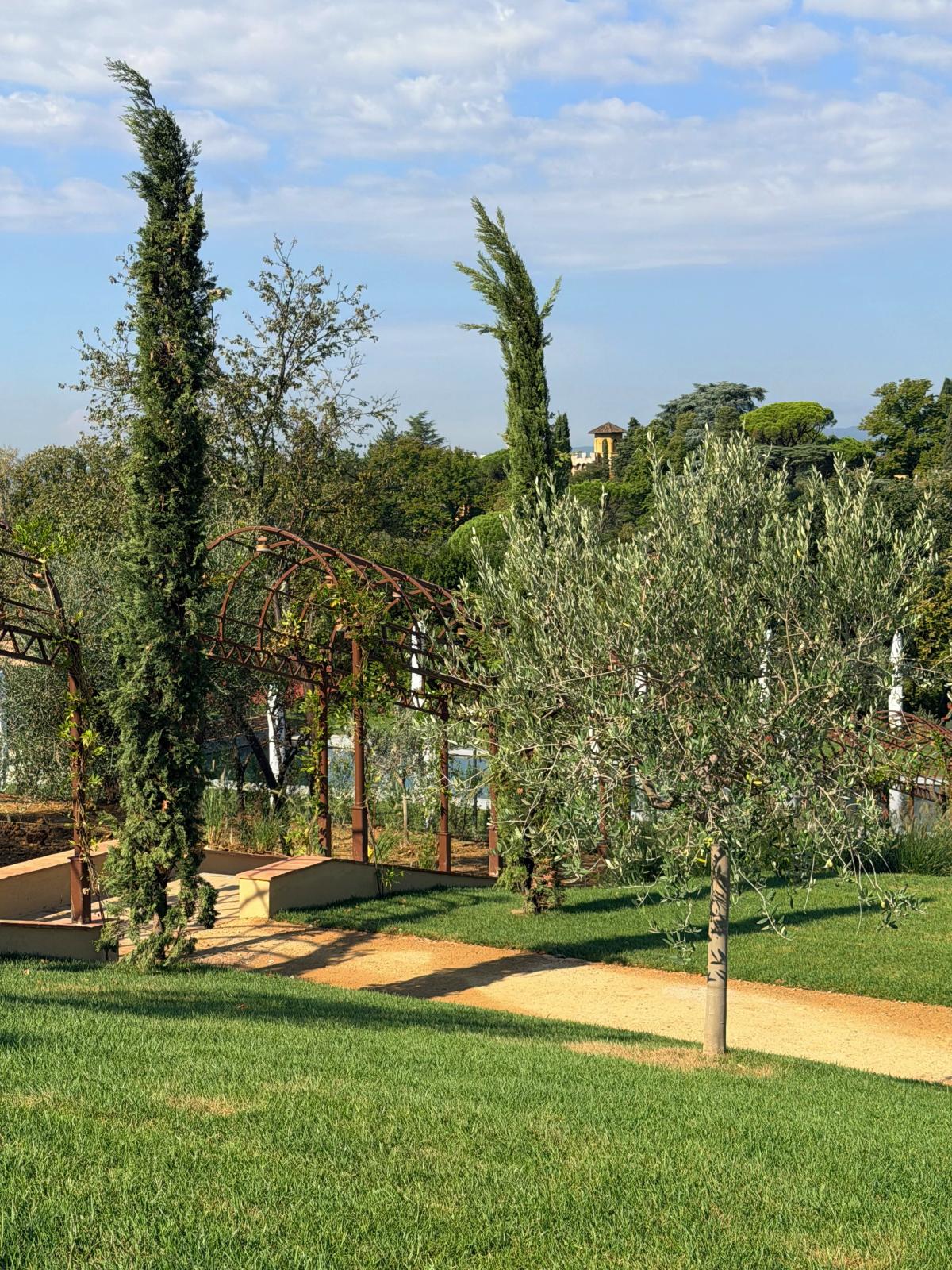
The estate spans a five-hectare (approximately 12-acre) private garden, ranking it among the largest privately held green spaces within the Florentine municipal limits. Key features of the property include:
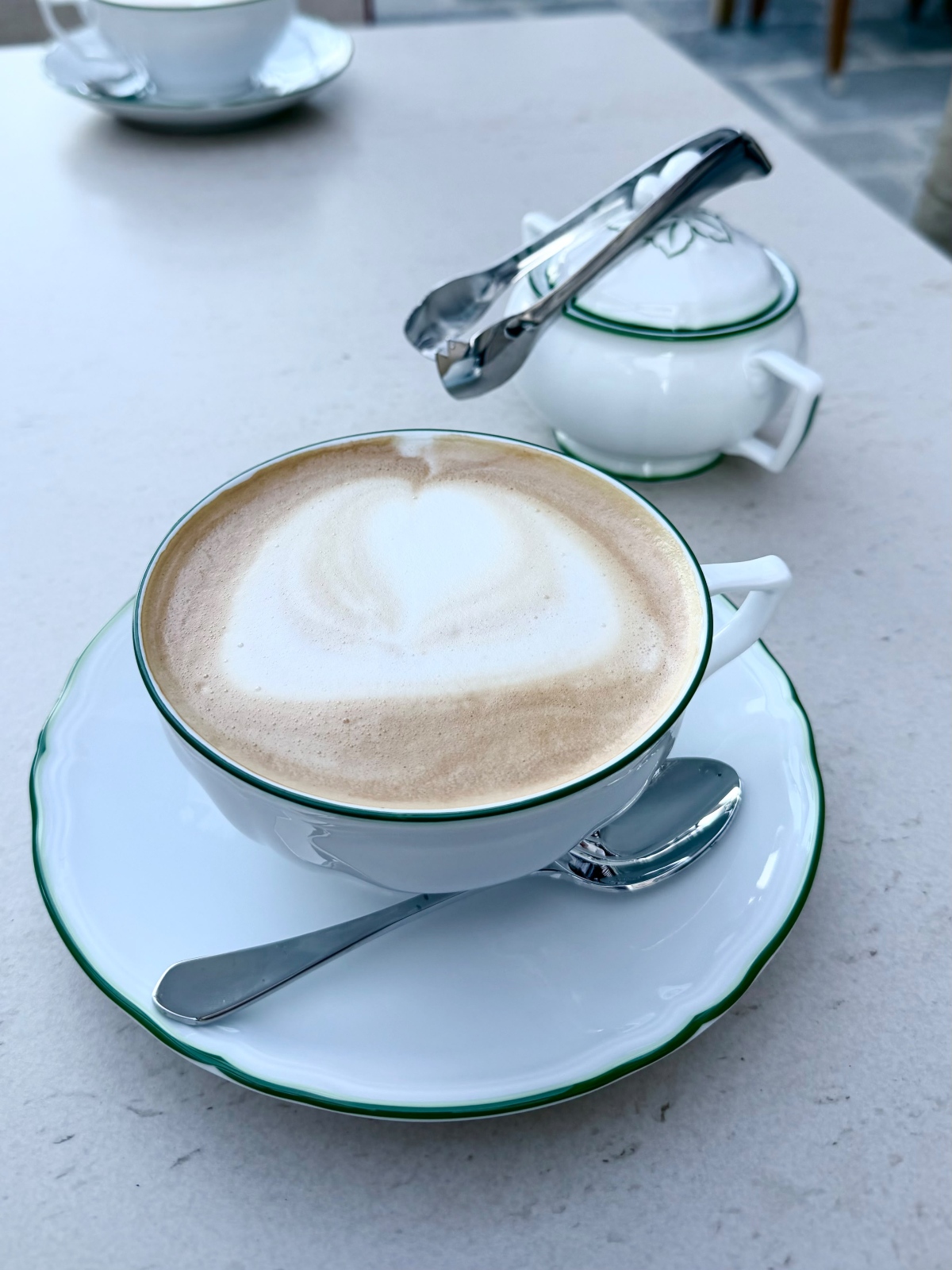
- The Pool: A 30-meter heated swimming pool, recognized as the largest in Florence, complemented by a dedicated poolside café.
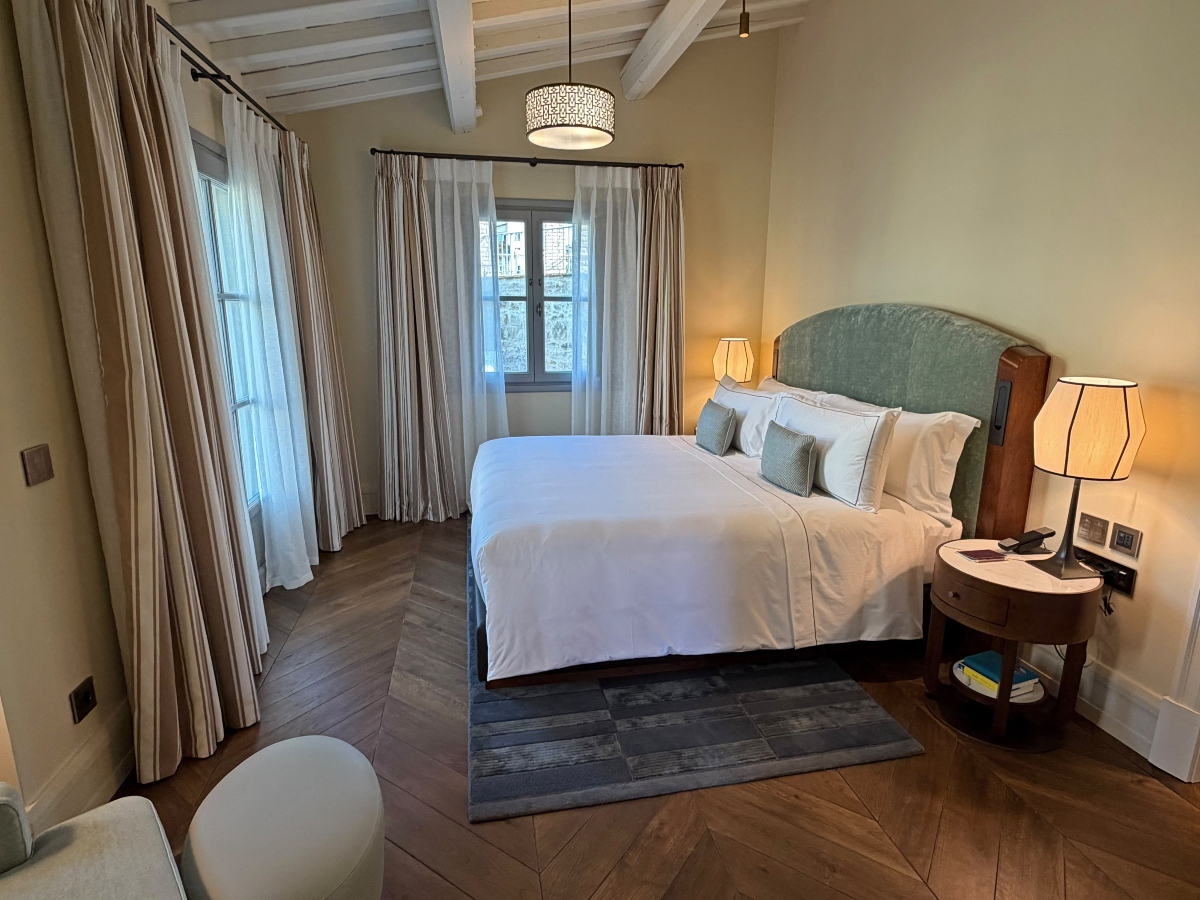
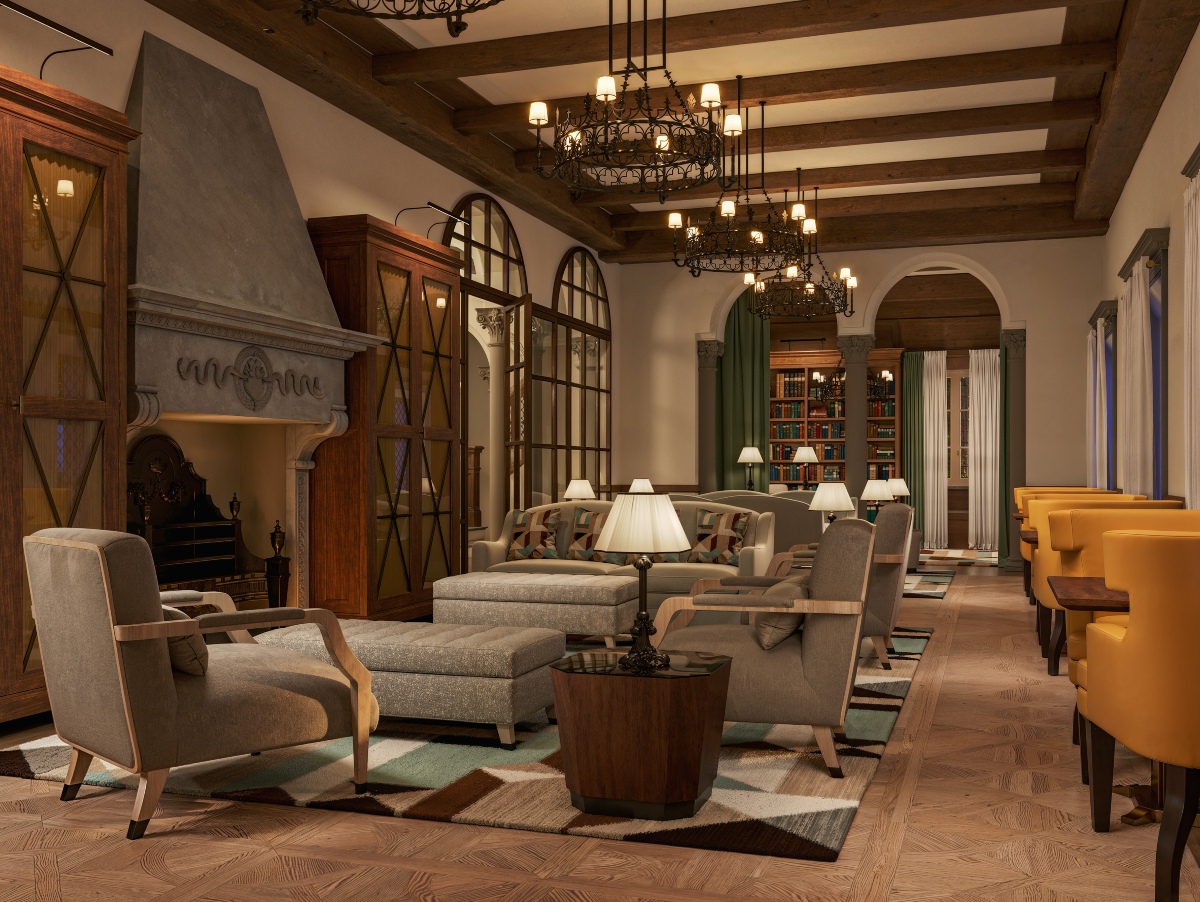
- Accommodations: An intimate collection of 32 uniquely designed guest rooms housed within a meticulously restored historic villa.
- Wellness Facilities: A comprehensive gym and an intimate spa facility offering specialized botanical and neuroscience-based treatments.
- Culinary Programs: Farm-to-table dining concepts emphasizing seasonal, locally sourced ingredients.
Chronology and Development Background
The launch of Borgo Pignano Florence represents a significant expansion for the Borgo Pignano brand, which established its reputation through its flagship rural estate in Volterra, a popular base for travelers exploring Tuscany, Siena, and the Chianti Classico region.
The historical lineage of the Florentine villa adds considerable depth to its modern incarnation. Over the centuries, the estate has passed through the hands of notable historical figures, including Marchese Carlo Ginori, renowned for founding the Doccia porcelain manufactory, and Giorgio Emo di Capodilista, a military commander who served during the First World War.
Following comprehensive architectural and interior redesigns, the 15th-century structures have been adapted to meet contemporary luxury standards while preserving historic architectural elements, such as hand-carved stone fireplaces, timber-beamed ceilings, and expansive formal gardens. During its current soft-opening phase, the property operates on a seasonal schedule, closing for the majority of January through the end of March before transitioning to year-round operations alongside its Volterra counterpart.
Supporting Data and Gastronomic Integration
A defining characteristic of the Borgo Pignano brand is its rigorous commitment to internal supply chains and regional artisanal production. Rather than relying entirely on third-party commercial vendors in Florence, the property sources a substantial portion of its provisions directly from its sister estate in Volterra.
Key supply metrics and culinary integration points include:
- Agricultural Synergy: The Volterra farm supplies honey, eggs, seasonal fruits, estate-pressed olive oil, cured meats, and four distinct proprietary wine labels.
- Culinary Leadership: Gastronomic operations are guided by Chef Stefano Cavallini, who previously earned a Green Michelin Star at the Volterra property for sustainable culinary practices.
- Botanical Wellness: Spa products and essential oils are formulated in-house within Volterra’s dedicated herbal laboratory, utilizing dried flowers harvested directly from regional gardens. Notably, the spa is the exclusive provider in Italy of treatments utilizing Neuraé, a botanical skincare line grounded in neuroscience principles.
Official Responses and Strategic Vision
Hospitality analysts note that the introduction of properties like Borgo Pignano Florence addresses a growing demand among affluent travelers for "slow travel" options. Industry experts observe that post-pandemic tourism trends heavily favor properties that mitigate the friction of over-tourism by offering immediate access to green spaces and wellness amenities without sacrificing cultural proximity.
Amie O’Shaughnessy, founder and CEO of travel advisory network Ciao Bambino, emphasized the strategic advantage of the property’s dual-location model. "Borgo Pignano Florence is a natural extension of the commitment to local artisanal products, homage to historic details, and amazing staff that have already made the brand so special," O’Shaughnessy noted following her stay. "It allows travelers to experience Florence in a leisurely format that is second to none, pairing the calm of the villa with the city’s design and cuisine."
To accommodate larger parties, the estate features Villa La Sosta, a standalone building comprising five en-suite bedrooms capable of housing 10 to 12 adults. Outfitted with a private gourmet kitchen and dedicated indoor and outdoor living spaces, the villa caters to private family buyouts and extended multi-generational gatherings.
Broader Impact and Market Implications
The launch of Borgo Pignano Florence underscores a broader architectural and commercial shift within historic Italian cities. As municipal authorities grapple with the infrastructural pressures of mass tourism, luxury hoteliers are increasingly investing in suburban and peri-urban estates that offer expansive open-air amenities—such as olive groves, woods, and large swimming pools—which are virtually impossible to develop within the densely packed UNESCO-protected city centers.
For the regional tourism economy, this trend encourages longer average length-of-stay metrics. By positioning the hotel as an urban sanctuary rather than a mere sightseeing transit point, properties of this scale incentivize visitors to balance intensive morning cultural excursions with restorative afternoon downtime. Consequently, travelers are better equipped to engage with regional commerce over extended itineraries, potentially diffusing economic benefits beyond the immediate historic core of Florence into surrounding Tuscan agricultural corridors.