An Evening Walk With Huskies: Redefining Arctic Tourism Beyond the Northern Lights in Abisko

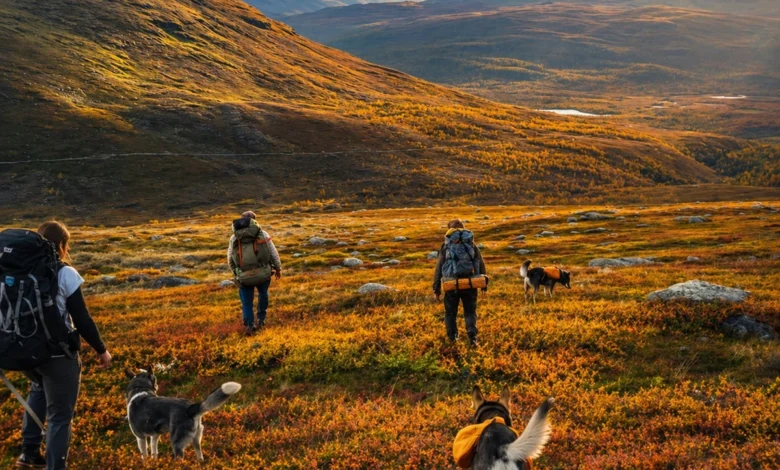
The picturesque mountain village of Abisko, situated deep within the Swedish Arctic circle, is globally renowned as a premier destination for aurora borealis tourism. Thousands of international travelers arrive each winter with the singular ambition of capturing photographs of the emerald-green lights dancing across the night sky. However, a growing faction of local eco-tourism operators is challenging this fast-paced approach to Arctic exploration. Companies such as Abisko Hikes, founded by local guides Anna and Fredrik, are successfully pivoting toward a slower, more immersive model of tourism. By pairing travelers with packs of Alaskan huskies for unhurried evening walks through birch forests and open mountain terrain, these guides are offering a refreshing counter-narrative to standard whirlwind sightseeing tours. Rather than reducing the Arctic wilderness to a checklist of meteorological spectacles, this slow-travel initiative emphasizes deep connections with local nature, Indigenous Sámi heritage, and human-animal bonds.

The operational framework of Abisko Hikes diverges significantly from traditional high-speed motorized excursions. Visitors do not board a traditional dog sled to be pulled across frozen expanses at breakneck speeds; instead, participants walk on foot alongside the animals. This deliberate pace allows guests to experience the terrain from a ground-level perspective, navigating uneven paths and fresh snowbanks alongside a pack of approximately 60 Alaskan huskies housed at the base kennel. This intimate proximity offers a stark contrast to commercialized kennel visits, allowing guests to witness the distinct personalities of the dogs, ranging from high-energy jumpers to more reserved observers. According to industry analysts tracking Nordic travel trends, experiential tourism that fosters direct engagement with local fauna and guides has seen a steady rise in consumer demand, driven by post-pandemic preferences for authentic, low-impact outdoor adventures.
A standard excursion spans three to four hours during the winter season, which typically runs from early October through late March, though summer and autumn alternatives exist to showcase the region’s dramatic seasonal shifts. The chronological flow of an evening hike is carefully designed to balance physical activity with restorative pauses. Participants begin by gathering at the Abisko.net reception area, where guides inspect their winter gear. Thermal overalls, insulated boots, specialized mittens, and headlamps are systematically distributed to ensure safety against sub-zero temperatures. From the reception, the group transitions on foot to the kennel, where introductions are made between guests and their four-legged trail companions.

Once on the trail, the expedition winds through undulating birch forests and open Arctic tundra. The itinerary intentionally lacks a rigid script, allowing the route and conversation topics to evolve dynamically based on weather conditions and the interests of the participants. Guides Anna and Fredrik utilize these movements to impart knowledge regarding the surrounding ecology, native wildlife tracking, local lichens, and the rich cultural traditions of the Indigenous Sámi people. This educational component transforms a simple recreational walk into an interpretive journey across a fragile northern ecosystem.
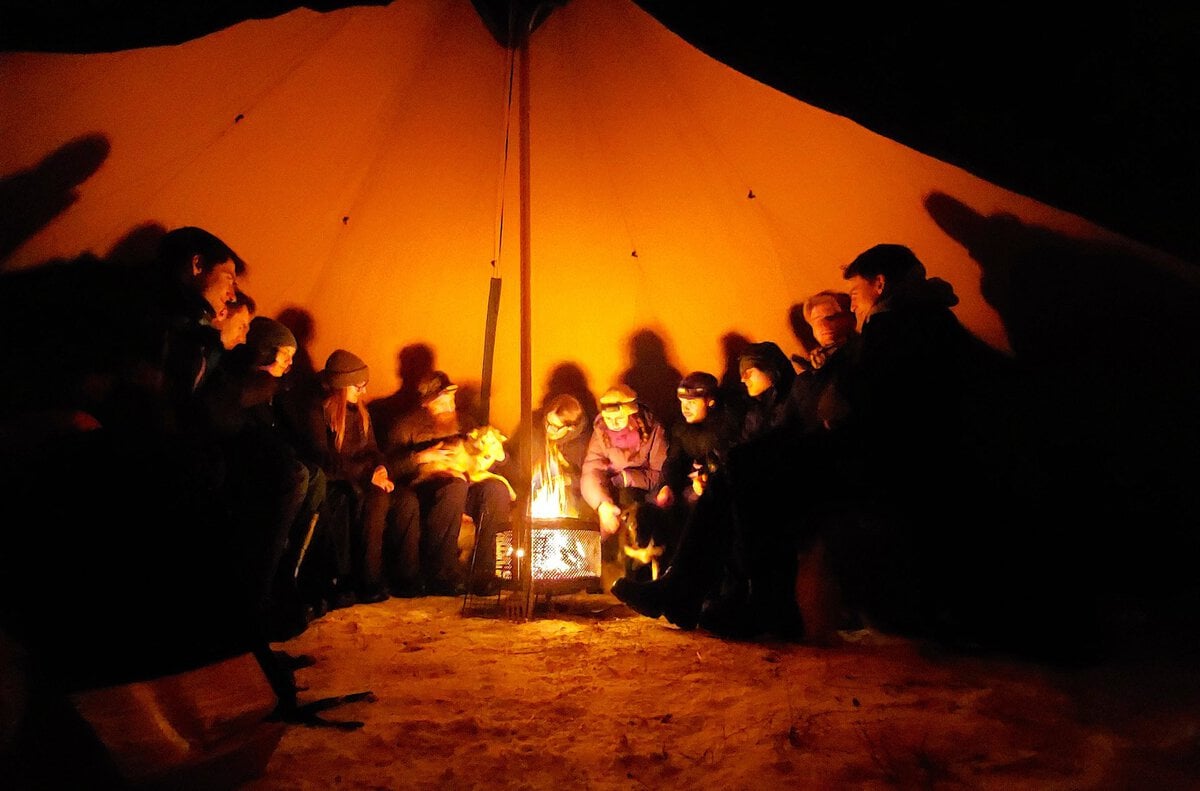
Midway through the trek, the expedition reaches a traditional lávvu—a tent-like structure historically used by the Sámi. Here, the group engages in what many participants describe as the emotional centerpiece of the evening: a prolonged rest around a crackling wood fire. While the Alaskan huskies quietly settle into the snow around the perimeter, guides distribute hot lingonberry juice and traditional sweets. This communal gathering around the hearth breaks down social barriers among strangers, fostering a profound sense of camaraderie under the expansive Arctic night sky. Following the fire break, the group commences the return trek through the darkness, relying on headlamps and, occasionally, the natural luminescence of the aurora borealis if atmospheric conditions permit.
Market analysis of Arctic tourism reveals a critical vulnerability in destinations that rely exclusively on natural phenomena like the northern lights. Industry experts point out that traveler satisfaction frequently plummets when weather conditions obscure the sky, leading to disappointment and a sense of wasted financial investment. Abisko Hikes actively seeks to mitigate this phenomenon by reframing the psychological expectations of its clientele. By explicitly communicating that the aurora borealis is a hoped-for bonus rather than a guaranteed service, the operators foster a mindset of radical presence. Post-trip feedback collated by local tourism boards indicates that some of the highest satisfaction ratings come from evenings where zero auroral activity occurred. Participants frequently report that the tactile experience of walking with the dogs, smelling the wood smoke, and listening to the absolute silence of the mountains provided a deeper, more enduring emotional resonance than a fleeting light show overhead.
The economic implications of this localized, low-density tourism model are significant for small communities like Abisko. Priced from approximately 1,390 SEK per person, these excursions operate in small cohorts to minimize environmental degradation along fragile sub-arctic trails while maximizing the economic retention within the local guide community. This boutique approach contrasts sharply with mass-market tourism operations that deploy heavy machinery and large tour buses, which have faced increasing scrutiny from environmental scientists concerned about habitat disruption in sensitive polar zones. By prioritizing human-powered locomotion and strict group size limits, Abisko Hikes demonstrates that commercial outdoor recreation can coexist harmoniously with ecological conservation.
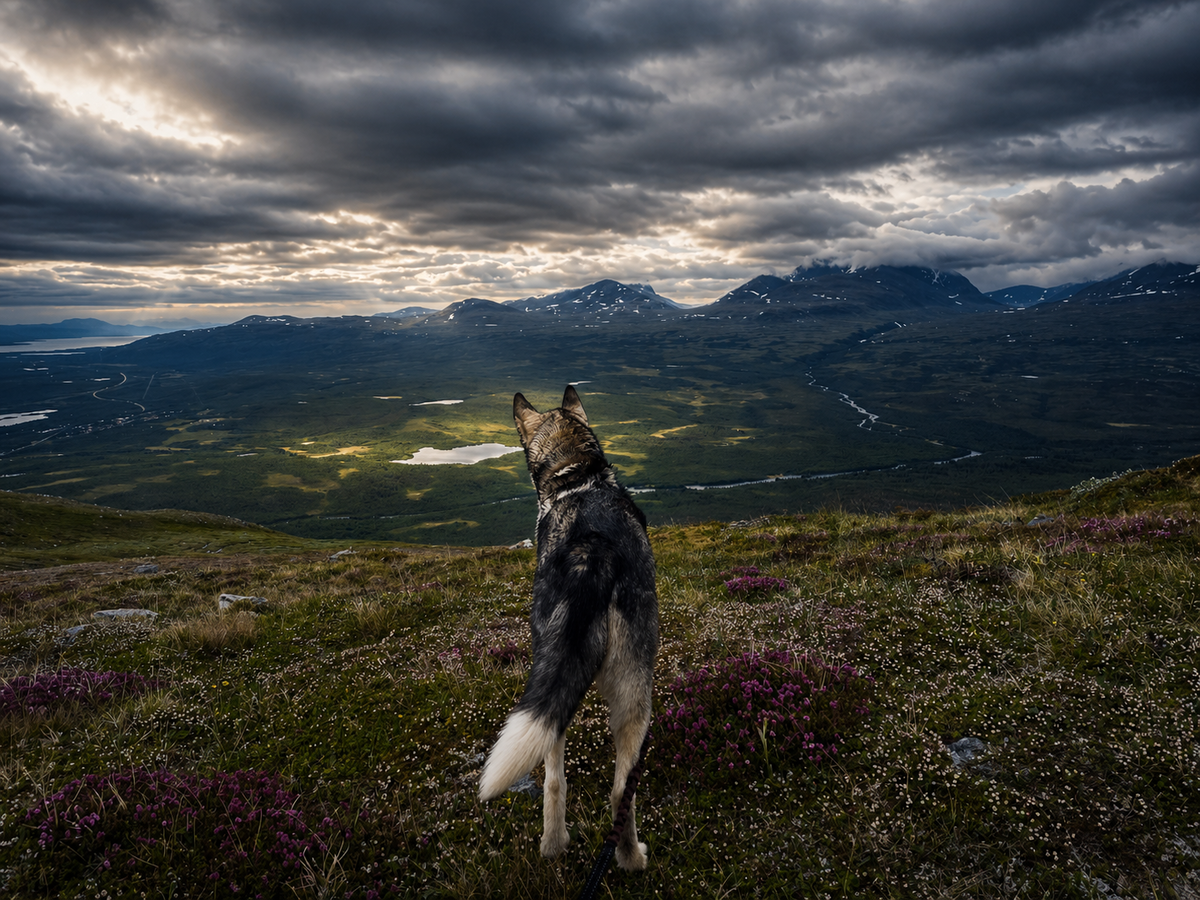
Furthermore, the operational viability of Abisko Hikes across multiple seasons underscores a broader diversification strategy within the Lapland tourism sector. While winter provides the classic snowy landscape, crisp dry air, and the potential for northern lights viewing, autumn introduces a vibrant color palette of golden birch leaves, early frosts, and transitional darkness. Conversely, the summer months offer the endless daylight of the midnight sun, allowing visitors to experience the sensory richness of the region through the scent of wet ground, blooming flora, and rushing glacial streams. This multi-seasonal adaptability ensures year-round economic stability for local operators while mitigating the over-concentration of visitors during peak winter months.
Ultimately, the guided husky hikes of Abisko offer a compelling case study in modern sustainable travel. By shifting the primary objective from the pursuit of a fleeting atmospheric phenomenon to the appreciation of the broader environment, these local guides have created an experience that respects both the animals and the landscape. As travelers increasingly seek depth over spectacle, the slow rhythm of walking beside a husky through the snow-draped valleys of Swedish Lapland provides an enduring reminder that the true value of an Arctic journey lies not just in what one sees in the sky, but in how one experiences the earth beneath their feet.