The 2026 edition of the Piolets d’Or, hosted in the heart of the French Alps, marked a pivotal juncture for the world’s most prestigious mountaineering accolade. Held against the dramatic, snow-dusted backdrop of the Ecrins Massif, the event served as more than just a ceremony for honoring the year’s finest ascents; it acted as a crucible for the future of high-altitude exploration. As the organization pivots to address the rapid integration of technology and the changing landscape of extreme sports, the 2026 gathering provided a definitive look at how the ethos of "pure" alpinism is being recalibrated for the modern era.
A Legacy of Alpine Mastery
Founded in 1991 by the French magazine Montagnes and the Groupe de Haute Montagne, the Piolet d’Or—or "Golden Ice Axe"—was created to recognize the spirit of adventure, technical skill, and commitment in the mountains. Historically, the award prioritized "alpine style," a rigorous philosophy characterized by small, self-sufficient teams, speed, and minimal use of fixed ropes or supplemental oxygen. Over the decades, the criteria have evolved to keep pace with the sport’s progression.
The 2026 event in Saint-Christophe-en-Oisans and Bourg-d’Oisans brought together a diverse cohort of luminaries, ranging from the legendary Peter Habeler, who at 84 received a Lifetime Achievement award, to modern pioneers like Nicolas Jean and Benjamin Vedrines, honored for their ground-breaking ascent of Jannu East. This blend of generational wisdom and cutting-edge performance defined the atmosphere, as the community grappled with the implications of an increasingly digitized and commercialized approach to the peaks.
The Selection Process: A Shielded Jury
One of the most frequent points of public discourse regarding the Piolet d’Or is the transparency of its selection process. Organizers Christian Trommsdorf and David Chambre clarified that the procedure remains intentionally rigorous and insulated from external pressure. The "Big List" of candidate climbs, curated by veteran experts such as Lindsay Griffin of the American Alpine Journal and representatives from the UK’s Alpine Club, serves as the foundation for the process.
Once the initial list is established, a specialized jury—this year including Jordi Corominas and Paul Ramsden—conducts an exhaustive review. Decisions are reached through a multi-stage voting process. Despite suggestions from the public to make short-listed candidates transparent, the organizers reaffirmed their commitment to keeping these lists private. The rationale is clear: by avoiding the public labeling of "finalists," the organization prevents the award from becoming a popularity contest, ensuring the focus remains on the intrinsic quality of the climb rather than social media optics or sponsor-driven campaigns.

The Drone Dilemma: Technology vs. Tradition
Perhaps the most contentious topic at the 2026 expert panel was the proliferation of drone technology. Once considered a luxury or a cinematic novelty, drones are now frequently deployed to scout routes, assist in search-and-rescue operations, and verify summit reaches.
For many modern climbers, the drone is merely a tool, comparable to the transition from leather boots to specialized climbing shoes or the adoption of satellite communication devices. Proponents, including members of the Jannu East team, argue that drones offer a crucial safety layer, allowing for detailed reconnaissance in environments where the risks of physical scouting are prohibitive.
However, the opposition to this technological creep is fierce. Paul Ramsden, a five-time recipient of the Piolet d’Or and a staunch defender of traditional alpine ethics, voiced concerns that the use of drones fundamentally alters the nature of the challenge. For Ramsden, the essence of alpinism lies in the uncertainty and the "blind" commitment to a line. When a climber can view the entire face of a mountain via a high-definition monitor at base camp, the element of exploration is arguably diminished. The debate remains unresolved, but it highlights a growing rift: does the use of modern technology enhance safety, or does it sanitize the very struggle that makes mountaineering meaningful?

Expanding the Horizon: New Categories and Disciplines
Looking toward the future, the Piolet d’Or committee is actively exploring the expansion of the award to encompass rock climbing and ski mountaineering. This move is a direct response to the increasing technical complexity of these disciplines. The inclusion of a "Performance" category this year—which saw the recognition of Typhaine Duperier and Boris Langenstein for their Nanga Parbat ascent—signals a shift toward recognizing broader achievements in the mountains.
Yet, this expansion brings significant logistical and philosophical challenges. Defining the boundary between a standard rock climb and a high-altitude alpine ascent on a dry face is a nuanced task. Furthermore, the committee must reconcile the ethics of supported expeditions—such as those involving oxygen-assisted ski descents—with the traditional, minimalist values of the Piolet d’Or. If the award is to remain the gold standard, it must develop a framework that can distinguish between high-performance athletic achievement and the pure, self-sufficient exploration that defined its inception.
A Symbolic Shift: From Ice Axes to History
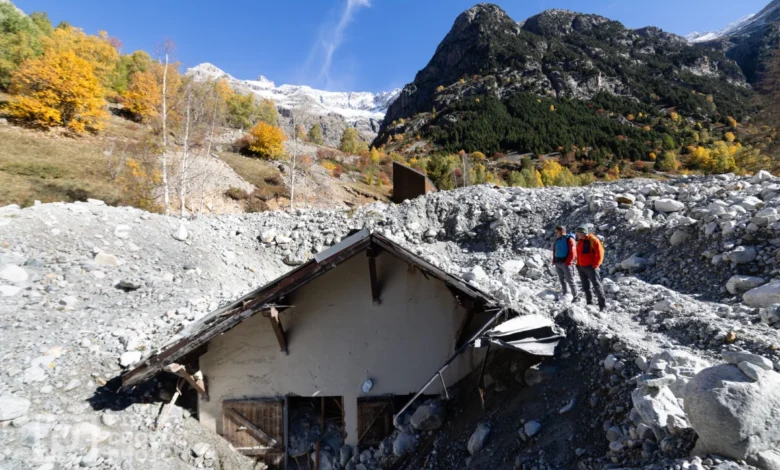
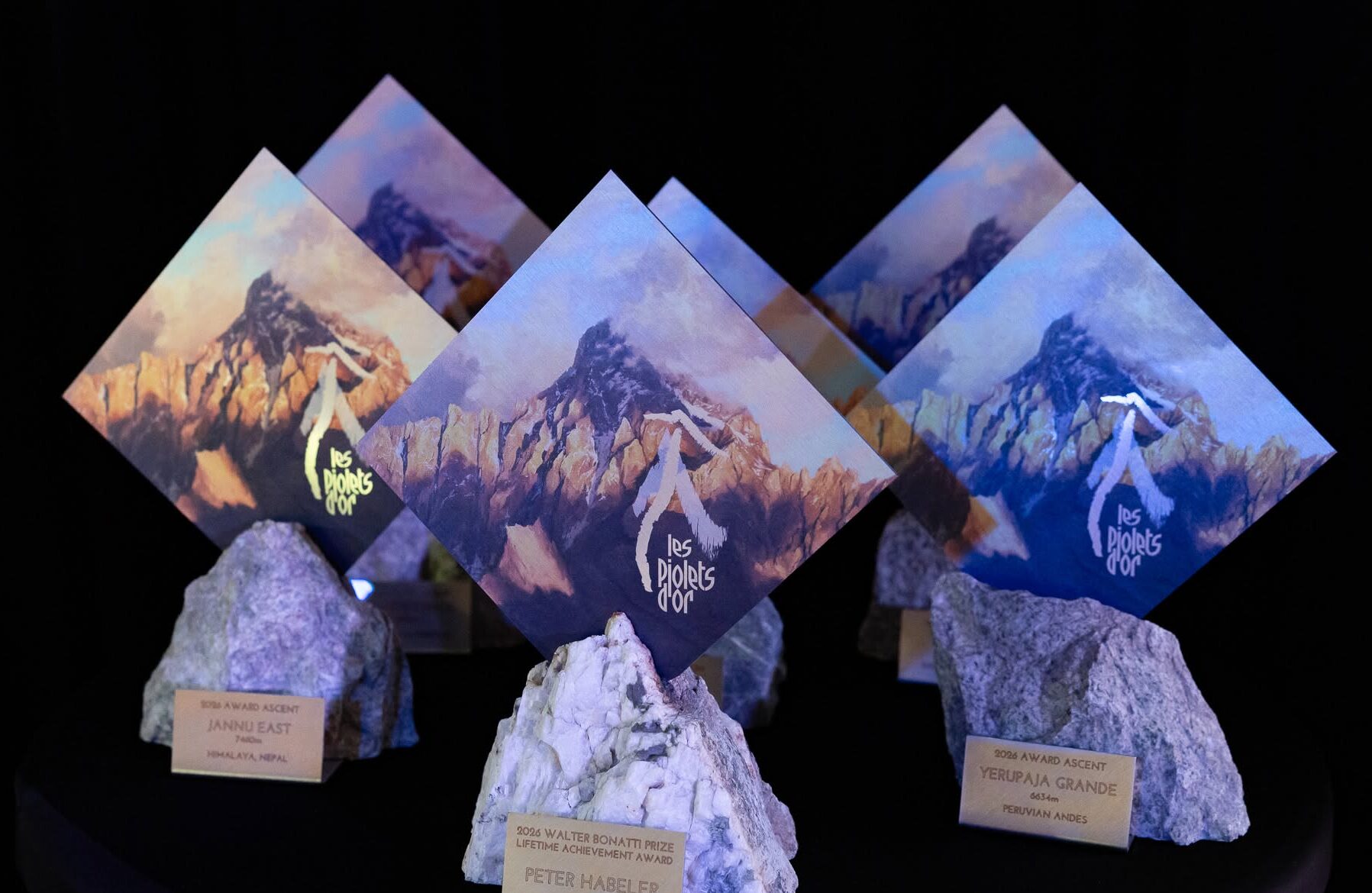
The physical manifestation of the award has also seen a deliberate transformation. The traditional golden ice axe, while iconic, has been replaced by bespoke, location-specific trophies. In 2026, the award featured a reproduction of La Meige, the most prominent peak in the Ecrins National Park, mounted on stone salvaged from the wreckage of La Berarde. This village was decimated by catastrophic flooding in 2024, and the inclusion of its stone serves as a poignant reminder of the fragility of the alpine environment and the impact of climate change on mountain communities.

This shift symbolizes the Piolet d’Or’s broader ambition: to become a center for mountain culture rather than merely a trophy ceremony. Plans are already in motion for the 2027 edition, which will coincide with the 150th anniversary of the first ascent of La Meige. The organization aims to leverage this milestone to launch a comprehensive international mountain festival, bringing together geographers, historians, and athletes to discuss the future of the peaks in a warming world.
Analytical Outlook: The Path Forward
The 2026 Piolets d’Or underscores a reality that the entire mountaineering industry must eventually face: the era of the "blank space on the map" is largely over. As technology makes remote peaks more accessible and digital documentation becomes instantaneous, the definition of "pioneering" must evolve.
The organizers have successfully maintained the prestige of the award by doubling down on the human element. While the tools of the trade—drones, satellite trackers, and high-performance synthetic gear—continue to advance, the Piolet d’Or is positioning itself as the guardian of the why behind the climb. Whether through the rigorous, private deliberations of its jury or the thoughtful inclusion of climate-conscious symbolism in its trophies, the committee is attempting to steer the sport toward a future where technical excellence does not come at the cost of ethical integrity.
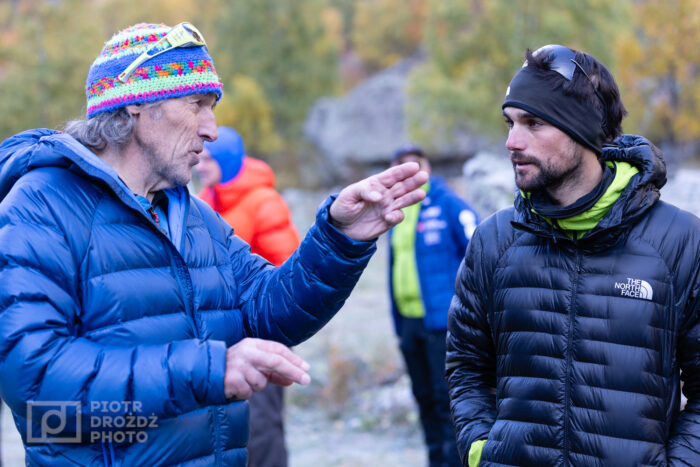
For the international climbing community, the 2026 event was a call to reflection. As the sport continues to gain mainstream popularity, the tension between commercialized "peak bagging" and the disciplined, minimalist art of alpinism will only increase. By fostering an open, albeit rigorous, dialogue, the Piolet d’Or ensures that the core values of the sport remain relevant to the next generation of explorers, even as the mountains they climb continue to change.
The consensus from the panels in the Oisans valley was clear: the Piolet d’Or is not a static relic. It is a living, breathing institution that must adapt to the modern world’s complexities without losing sight of the spirit that defined the first golden ice axes over three decades ago. As the sun set over the jagged skyline of the Ecrins, the message was one of cautious optimism—a commitment to the idea that as long as there are those willing to face the mountains with courage, respect, and humility, there will always be a place for the highest honors in the world of climbing.