The Social Architecture of Greek Coffee Culture: A Socio-Economic Analysis of a National Tradition

In the Mediterranean landscape, coffee is far more than a caffeinated beverage; it serves as the foundational architecture for social cohesion and the rhythmic pace of daily life in Greece. While global coffee culture often emphasizes the mechanical efficiency of the extraction process or the specific origin of the bean, the Greek approach prioritizes the temporal experience—the "siga-siga" (slowly-slowly) philosophy that defines local interaction. This cultural phenomenon, deeply rooted in the historical evolution of the Greek kafeneio, functions as an essential social lubricant that facilitates community discourse, intergenerational exchange, and a deliberate rejection of modern workplace hyper-productivity.
Historical Evolution and the Modern Agora
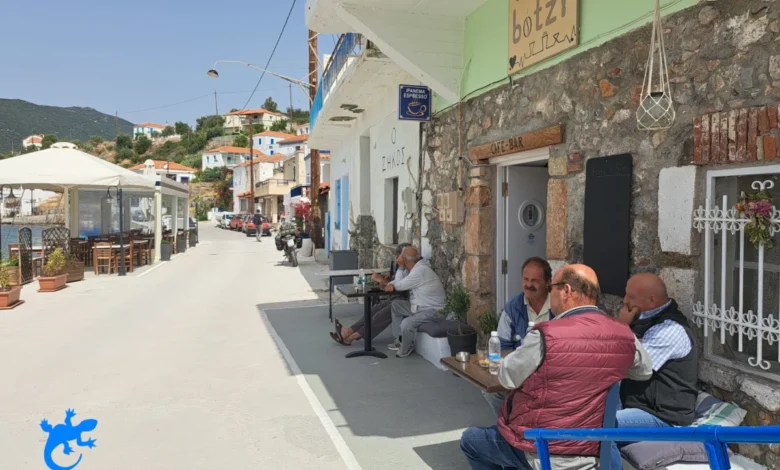
The roots of Greek coffee culture are inextricably linked to the period of Ottoman influence, which introduced the preparation methods still in practice today. Historically, the coffee house, or kafeneio, served as the functional successor to the ancient Greek agora. These establishments were not merely retail outlets for drinks; they were the nerve centers of local politics, news dissemination, and communal debate.
By the early 20th century, the kafeneio had become a permanent fixture in both urban centers like Athens and rural villages across the Peloponnese and the islands. Following the industrial shifts of the mid-20th century, specifically the 1960s, the landscape began to diversify. This era marked a departure from the singular focus on traditional Greek coffee—brewed in a long-handled copper pot known as a briki—toward the experimentation that birthed the modern iced coffee industry. The introduction of the frappé during the 1957 Thessaloniki International Fair by a Nestlé representative is a pivotal moment in this chronology. What began as a product demonstration gone wrong—as the story goes, an employee used a shaker to mix instant coffee with cold water because hot water was unavailable—evolved into a national staple, eventually leading to the contemporary preference for freddo espresso and freddo cappuccino.
Technical Nuances and Preparation Standards
The preparation of traditional Greek coffee is a precise, ritualistic process that demands technical patience. The grounds, pulverized into an ultra-fine powder, are combined with water and, if requested, sugar within the briki. The mixture is then heated, traditionally over hot sand or embers, to allow for a slow, controlled rise of the foam, known as kaimaki.
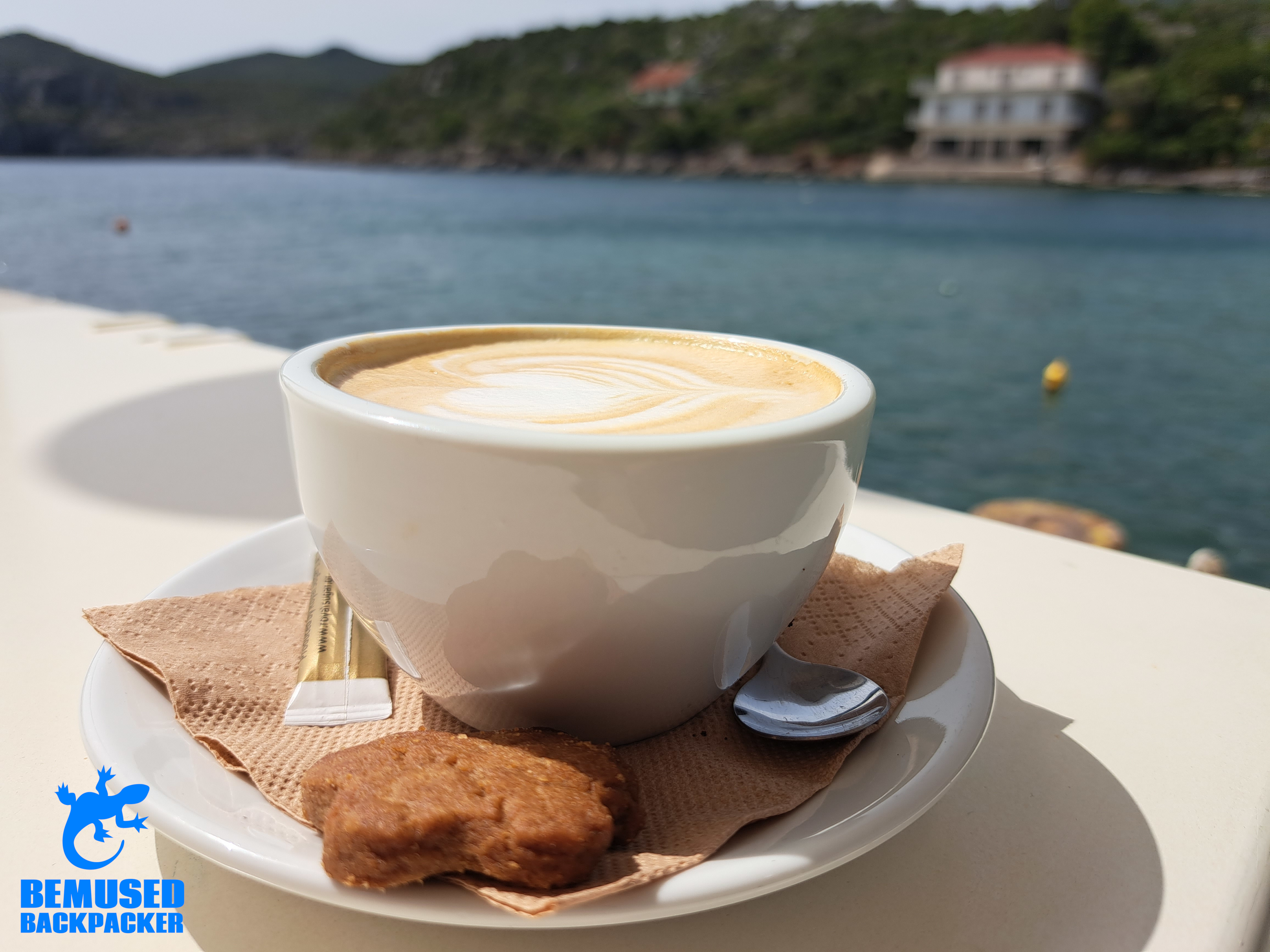
Data indicates that the temperature and the speed of the rise are critical to the chemical profile of the beverage. Unlike drip or espresso brewing, Greek coffee is unfiltered; the grounds remain at the bottom of the demitasse cup. This creates a high concentration of dissolved solids and caffeine. Because of this, it is standard practice for servers to provide a glass of cold water alongside the coffee. This is not merely a palate cleanser; it serves a physiological purpose, allowing the consumer to hydrate and manage the intensity of the beverage, which is often accompanied by a "spoon sweet"—a traditional fruit or nut preserve served in a small portion to balance the bitterness of the coffee.

Socio-Economic Implications and the Work-Life Balance
The prevalence of the coffee break in Greece serves as a distinct indicator of the nation’s socio-economic values. Sociological studies on Mediterranean labor patterns suggest that the emphasis on "socialized time" during the workday acts as a stress-mitigation strategy. In many Western economies, the coffee break is a timed interval for refueling; in Greece, it is an extension of the social contract.
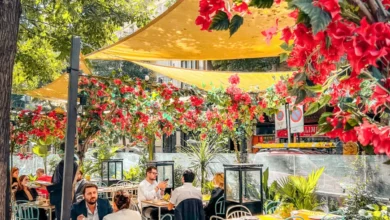
When a Greek professional takes an hour-long break to discuss news or family matters at a café, they are participating in a tradition that predates modern corporate management structures. Analysts argue that this practice reinforces local community ties, which in turn provides a robust support network that compensates for other inefficiencies in the professional environment. The implications are clear: the Greek coffee shop acts as a secondary institution of public education and social welfare, where information is shared, local grievances are aired, and collective identity is reaffirmed.
Navigating the Contemporary Café Landscape

For the modern consumer or international traveler, navigating the Greek coffee lexicon requires an understanding of specific terminology. The ordering process is a standardized negotiation of sweetness and caffeine concentration. The terms are as follows:
- Sketos: Coffee served without sugar, often perceived by locals as the "purest" form.
- Metrios: A medium-sweet preparation, generally considered the standard for balance.
- Glykos: A high-sugar preparation, reflecting the historical Mediterranean preference for sweetness.
- Vary Glykos: A high-caffeine, high-sugar variant that is significantly more potent.
While the kafeneio remains the traditional bastion, the influx of international coffee chains has created a hybrid market. Despite this competition, the domestic preference for Greek-owned, independent establishments remains strong. Market research indicates that local consumers maintain a high degree of loyalty to their neighborhood café, viewing it as an extension of their living room rather than a commercial space.
Comparative Global Perspectives
To understand the uniqueness of the Greek model, one must look at the varying cultural attitudes toward coffee globally. In Ethiopia, the birthplace of the coffee plant, the ceremony is a formal, liturgical event involving the roasting of beans in front of guests. In Italy, the coffee culture is defined by rapid consumption—the espresso is treated as an urgent, utilitarian necessity consumed standing at a bar. In Turkey, the beverage is shrouded in lore and proverb, treated with a reverence that borders on the culinary and the medicinal.

Greece occupies a middle ground. It adopts the intensity of the Eastern traditions but blends it with the relaxed, sedentary lifestyle of the Mediterranean. It is less about the speed of consumption, as in Italy, and more about the duration of the stay. In Greece, the time spent sitting is effectively "paid for" by the price of the cup, a social agreement that allows patrons to linger for hours without pressure from service staff to vacate the table.
Conclusion: The Future of a National Ritual
The future of Greek coffee culture appears stable, despite the rapid digitalization of social interactions. While younger generations are increasingly adopting global trends, such as specialty cold brews and single-origin beans, the core value of the kafeneio persists. The ritual of sitting, watching, and interacting remains the most significant aspect of the Greek experience.
As the nation continues to navigate the complexities of a modern global economy, the persistence of these traditional coffee rituals serves as a reminder of the value placed on human connection over transactional efficiency. Whether it is a quick freddo consumed on the way to an office or an hour-long session over a traditional briki during a mid-day respite, the act of drinking coffee in Greece remains a fundamental expression of hospitality and a vital component of the national identity. The Greek coffee shop remains, as it has for centuries, the heart of the community—a place where the pace of the world slows down, and the importance of the individual within the collective is constantly renegotiated over a cup of coffee.