Amsterdam: A Comprehensive Guide for Navigating the Dutch Capital with Infants and Toddlers

Amsterdam has long maintained a reputation as one of Europe’s most vibrant cultural hubs, frequently associated with its historical nightlife and liberal social policies. However, in recent years, the city has undergone a demographic shift, increasingly becoming a premier destination for young families. With its extensive network of parks, pedestrian-friendly urban planning, and a public infrastructure that prioritizes accessibility, the Dutch capital now ranks among the most accommodating European cities for travelers accompanied by infants and toddlers.

The Urban Landscape for Young Families
The city’s infrastructure presents a unique blend of historical constraints and modern accessibility. While the iconic 17th-century canal rings are characterized by narrow, steep staircases and cobblestone streets—features that can present challenges for parents navigating with strollers—the city’s broader transit network is remarkably robust.
Data from the Amsterdam City Council indicates that over 90 percent of the public transport network, including trams and metro lines, is equipped with low-floor boarding or elevator access. This has significantly reduced the logistical burden for tourists. Nevertheless, urban planners and local authorities consistently advise families to opt for lightweight, collapsible strollers, particularly when visiting the historic center, where older buildings often lack elevators and space for larger equipment.

Infrastructure and Mobility Trends
The dominance of cycling in Amsterdam is perhaps the most notable feature of its mobility landscape. Statistics show that there are more bicycles than residents in the city, with approximately 800,000 bikes for a population of roughly 900,000. For families, this manifests in the ubiquitous "bakfiets"—a cargo bicycle equipped with a large, front-facing wooden box.
While the sight of a parent cycling through the city with two or three children in a bakfiets is a quintessential Amsterdam experience, it is an endeavor that requires significant practice. For the average visitor, renting a standard bicycle with an attached child seat is the recommended alternative. Local safety regulations mandate that pedestrians exercise extreme caution regarding bike lanes, which are clearly demarcated by red paving or distinct road symbols. Authorities emphasize that bike lanes are strictly reserved for cyclists; straying into these lanes with a stroller is a frequent cause of minor accidents and remains a primary point of friction for unsuspecting tourists.

Arrival and Transit Logistics
For families arriving via Amsterdam Schiphol Airport, the most efficient method of reaching the city center remains the national rail system. The airport’s train station is situated directly beneath the main terminal, offering seamless, barrier-free access. A direct journey to Amsterdam Centraal Station typically takes under 20 minutes, bypassing the costs and traffic delays associated with road transport.
Furthermore, the lack of standardized car seat requirements in many taxi fleets makes private transfer services an increasingly popular, albeit premium, alternative. Several operators now cater specifically to families, offering pre-booked, age-appropriate child restraints. This service has seen a rise in demand following reports from travel advocacy groups highlighting the risks of navigating high-speed Dutch motorways without proper safety equipment for minors.

Curating a Family-Friendly Itinerary
Amsterdam’s tourism board has significantly expanded its family-oriented programming over the last decade. The city now boasts a high density of museums that feature dedicated interactive displays for younger demographics.
- Educational Engagement: The NEMO Science Museum, located near the waterfront, serves as a primary example of modern, hands-on learning. Its design, which includes an accessible rooftop plaza, provides a safe environment for toddlers to explore while parents enjoy views of the harbor.
- Historical Context: While the Anne Frank House is a profound site of historical significance, parents are advised that the facility involves navigating very steep, narrow staircases that are not conducive to strollers or carriers. Conversely, the National Maritime Museum and the Van Gogh Museum offer specialized kid-friendly tours and spatial arrangements that accommodate young families more effectively.
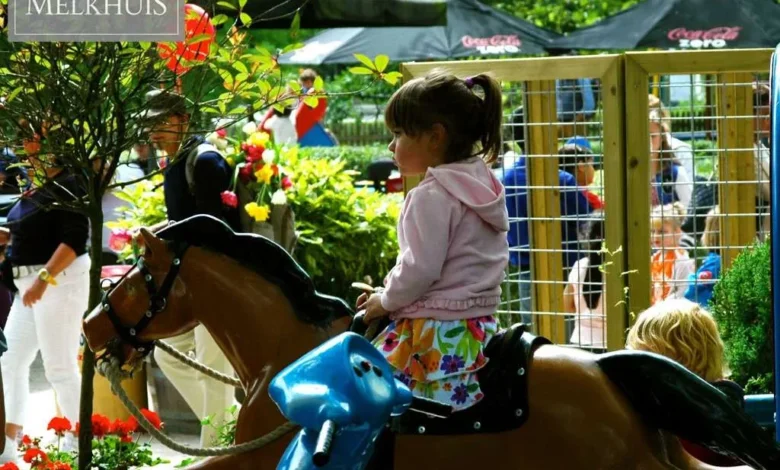
- Green Spaces: Vondelpark, the city’s largest public park, acts as the primary recreational lung of the capital. It serves as a focal point for families, featuring multiple play areas, the Groot Melkhuis café, and ample space for strollers.
Socio-Economic Considerations and Public Services
The ease of travel in Amsterdam is further bolstered by the accessibility of basic supplies. The Netherlands maintains a high standard of consumer goods, and the presence of major supermarket chains like Albert Heijn ensures that parents do not need to over-pack necessities such as diapers, formula, or specialized baby food. These items are readily available throughout the city, often within the same stores that serve as the primary source of food for residents.

For those planning an extended stay, the "I amsterdam" City Card represents a significant cost-saving measure. Beyond offering discounted access to over 70 museums and attractions, the card includes unlimited access to the GVB public transport network. A 72-hour pass, in particular, allows for spontaneous travel, permitting families to avoid the stress of navigating ticket machines during peak hours.
Strategic Neighborhood Selection
Choosing where to stay is a critical decision for families. The Jordaan district, known for its picturesque canals and quieter streets, provides a more residential atmosphere that is often preferred by parents over the high-density nightlife zones near Dam Square. The Leidseplein area, while active, remains a central hub with proximity to both major museums and Vondelpark, offering a compromise between accessibility and calm.

Hospitality providers have responded to the influx of family travelers by upgrading their amenities. Several hotels now offer specialized services, including in-room babysitting, high-chair rentals, and dedicated play corners, reflecting a broader trend in the European hospitality sector to cater to the "family-traveler" segment.
Analytical Outlook
The transformation of Amsterdam into a family-friendly destination is not merely a marketing pivot but a byproduct of systemic urban planning. By prioritizing public transit, maintaining high levels of public safety, and integrating green spaces into the city core, Amsterdam has mitigated many of the traditional barriers associated with international travel with children.

However, the rapid growth in tourism continues to place pressure on local resources. As the city continues to implement policies to manage tourist volume, families are encouraged to prioritize off-peak travel seasons. The spring and autumn months, in particular, offer a more manageable pace for navigating the city’s narrow thoroughfares, ensuring a safer and more enjoyable experience for both the visitor and the local population. Through careful planning and a reliance on the city’s robust public infrastructure, families can successfully integrate the cultural richness of Amsterdam with the practical needs of traveling with an infant or toddler.