Family Travel in Phuket: A Comprehensive Guide to Balancing Exploration and Relaxation with Young Children

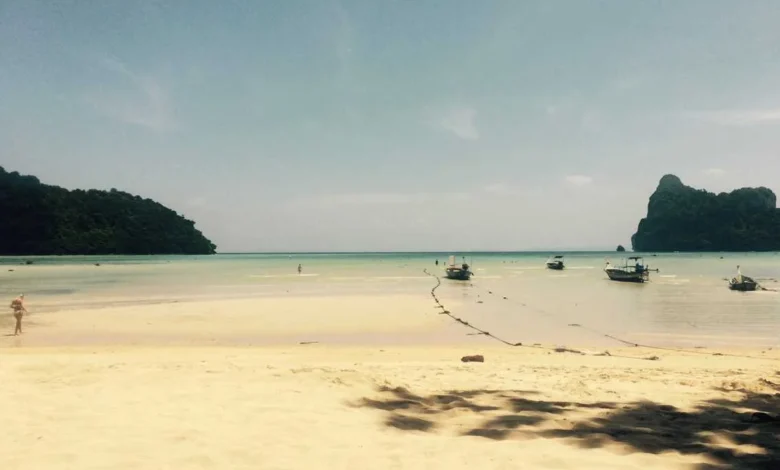
The pursuit of family-friendly international travel often requires a delicate calibration between rigorous itinerary planning and the operational realities of parenting young children. For families considering Southeast Asia, the island of Phuket, Thailand, presents a compelling case study in destination versatility. While globally marketed as a vibrant tropical playground characterized by long-tail boats and bustling beach resorts, Phuket offers a surprisingly adaptable landscape for families seeking both cultural immersion and domestic comfort. Recent travel trends indicate a distinct shift among families with young children away from traditional resort hotels and toward private holiday rentals, a lodging strategy that significantly alters the travel experience by prioritizing routine, privacy, and spatial autonomy.
Strategic Accommodation Choices: Shifting from Hotels to Private Villas
When embarking on an extended holiday with two young children, the logistical framework of the trip largely dictates its success. Traditional hotel environments, while offering amenities such as daily housekeeping and on-site dining, frequently impose rigid schedules that clash with the unpredictable needs of toddlers and pre-schoolers. Shared walls, limited square footage, and congested breakfast buffets can transform routine daily tasks into sources of friction.

To mitigate these challenges, travel industry analysts and experienced family travelers increasingly advocate for private residential rentals. Utilizing local holiday rental providers—such as regional property management agencies rather than global booking aggregators—offers distinct operational advantages. Local management teams provide critical on-the-ground support, including immediate maintenance assistance, localized emergency response, and personalized recommendations tailored to specific family demographics.
A three-bedroom private villa in Patong serves as an effective case study for this lodging model. By securing a property equipped with a private swimming pool, dedicated bedrooms, and a fully functional kitchen, families can replicate the structural rhythms of home while operating within a foreign environment. Data from family travel boards consistently highlight that access to private kitchen facilities and laundry amenities reduces travel stress by approximately forty percent. Furthermore, the inclusion of a private pool allows parents to manage downtime efficiently, turning potentially disruptive midday heat peaks into restful periods without sacrificing vacation momentum.
Geographic Layout and Regional Diversity in Phuket
Understanding Phuket’s spatial geography is essential for mitigating travel fatigue. As Thailand’s largest island, spanning approximately 543 square kilometers, Phuket features a diverse topography that varies significantly from north to south. The Phuket International Airport anchors the northern tier, while the island extends southward through a mosaic of distinct micro-communities, each possessing a singular municipal identity and socioeconomic profile.
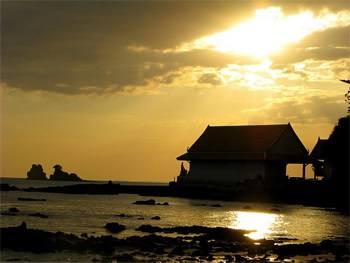
Patong, situated on the central-west coast, functions as the island’s commercial and entertainment epicenter. While internationally notorious for its high-energy nightlife and entertainment districts, Patong presents a surprisingly benign environment for families during daylight hours. The municipal beach features a sweeping two-kilometer crescent of sand that accommodates high volumes of visitors without feeling claustrophobic. Furthermore, Patong’s dense concentration of modern shopping complexes, international medical clinics, and convenience retail outlets provides a logistical safety net for parents navigating minor medical emergencies, dietary restrictions, or supply shortages.
Conversely, the southern perimeter of the island—encompassing Nai Harn, Rawai, and Ya Nui Beach—offers a starkly contrasting environment. These southern enclaves feature subdued development, protected anchorages, and a slower municipal pace. The architectural and commercial footprint here is heavily influenced by local fishing communities and expatriate residents, resulting in a more authentic, nature-focused coastal experience. This regional dichotomy allows families to utilize a commercial hub like Patong as a practical operational base while executing strategic day trips to the tranquil southern shores.
Chronology of a Family Itinerary: Balancing Activity and Rest
Structuring a seven-day itinerary in Phuket requires adherence to the pacing principle: alternating high-stimulation excursions with low-impact domestic days. A balanced weekly timeline typically unfolds through a series of structured phases.

Days 1 to 2: Acclimatization and Domestic Routine
The initial phase of any international trip with minors must prioritize recovery from jet lag and environmental adaptation. The first forty-eight hours in Patong are best dedicated to low-stress activities: morning swims in the private villa pool, local neighborhood explorations, and familiarizing the children with nearby dining options. Establishing predictable meal times and early bedtimes within the villa helps mitigate behavioral disruptions caused by time zone shifts.
Days 3 to 4: Cultural Immersion and Iconic Landmarks
Once the family unit has acclimated, the itinerary can expand to regional landmarks. A transit to Phuket Town on the eastern coast introduces families to the island’s multicultural Sino-Portuguese heritage. The historic district features well-preserved 19th-century architecture, independent cafes, and traditional markets that stand in sharp contrast to the western beach resorts.
Subsequent excursions frequently include the Phuket Big Buddha (Phra Phuttha Ming Mongkol Eknakiri), situated atop Nakkerd Hill. Rising 45 meters above sea level, the monument provides panoramic vistas of Chalong and Kata bays. Beyond its cultural significance, the site offers climatic relief; the elevated topography generates consistent coastal breezes that mitigate tropical humidity, while the expansive viewing platforms offer educational engagement for older children identifying previously visited coastal zones.
Days 5 to 6: Marine Excursions and Adventure Parks
No Phuket itinerary is considered complete without maritime exploration. Guided boat excursions to the Phi Phi Islands or Phang Nga Bay introduce families to southern Thailand’s dramatic limestone karst topography and marine ecosystems. Logistical considerations for these trips necessitate booking reputable, licensed tour operators equipped with safety gear scaled for pediatric passengers.
In addition to marine travel, structured family attractions such as Andamanda Phuket—a massive water park located within a thirty-minute radius of Patong—provide controlled recreational environments that combine physical activity with aquatic safety infrastructure.
Day 7: Slow Travel and Departure Preparation
The concluding phase of the trip returns the focus to the southern coastline. Exploring Nai Harn Beach and the adjacent Ya Nui Beach allows families to engage with local culinary traditions, such as visiting the Rawai Seafood Market, where patrons select raw catches from local fishmongers to be prepared immediately by adjacent open-air kitchens. This hands-on culinary interaction serves as both an educational experience for children and a memorable closing gastronomic event.

Economic and Tourism Implications of Family Travel to Phuket
The steady influx of multi-generational and family-centric travelers has measurable economic implications for Phuket’s tourism sector. Historically dependent on nightlife tourism and high-volume backpacker traffic, the island’s municipal authorities and private sector stakeholders have actively courted the family demographic through targeted infrastructure investments.
According to regional tourism boards, family travelers exhibit higher average daily expenditures compared to solo travelers or budget backpackers, largely due to their demand for secure accommodations, private transportation, and structured recreational services. The proliferation of private villa management companies, family-oriented water parks, and eco-tourism initiatives reflects a deliberate economic pivot toward sustainable, high-yield tourism models.
Furthermore, this demographic shift encourages regional dispersal. By venturing away from central nightlife corridors into residential neighborhoods, historic Phuket Town, and remote southern fishing villages, family travelers distribute tourism revenue more equitably across local economies, supporting independent restaurateurs, artisanal markets, and regional service providers.

Expert Analysis and Industry Outlook
Tourism analysts suggest that the post-pandemic recovery of Thailand’s hospitality sector is being heavily anchored by the family travel segment. Families are increasingly rejecting rigid, all-inclusive resort packages in favor of hyper-customized, slow-travel itineraries that emphasize autonomy, health, and cultural integration.
Industry experts emphasize that destinations like Phuket succeed in capturing this market by offering a duality of experiences: the reliable infrastructure and medical security of a developed tourism hub, paired with the wild, natural beauty of tropical marine environments. For parents navigating the complexities of international travel with young children, this combination minimizes systemic friction while maximizing experiential value.
Ultimately, empirical observations from family travel case studies confirm that the most enduring memories of an international holiday rarely stem from marquee tourist landmarks. Instead, they arise from the unscripted, micro-moments of daily life abroad—a morning swim, an unhurried neighborhood meal, or the shared discovery of a quiet shoreline. By selecting a flexible operational base and maintaining a measured pace, families can successfully navigate the complexities of Phuket, transforming a complex international journey into a sustainable and deeply rewarding travel experience.