The Ultimate Backpacking Europe Packing List: A Comprehensive Guide to Traveling Light and Smart

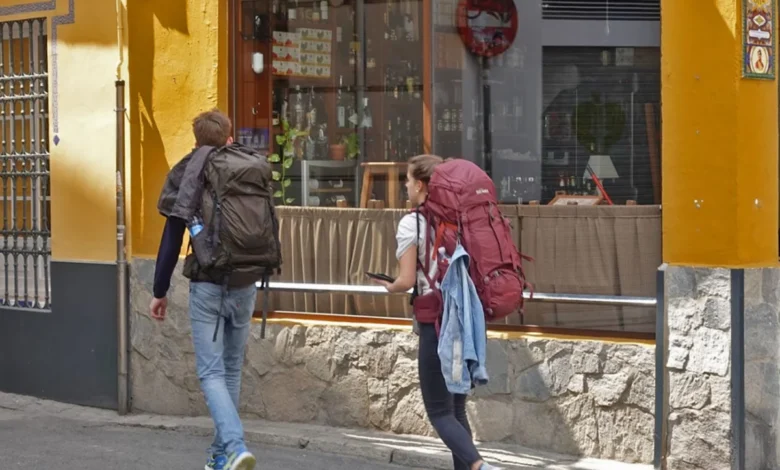
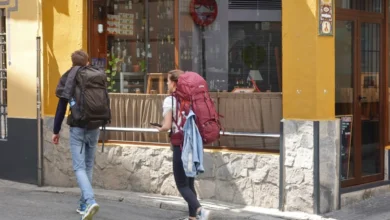
Preparing for an extended trip across the European continent presents a perpetual challenge for travelers, particularly those embarking on their first international journey. Industry data compiled by budget travel organizations indicates that roughly 60% of novice backpackers consistently make the same critical error: overpacking. Carrying excess baggage not only transforms routine transit between historic cities and bustling railway stations into an exhausting physical ordeal, but it also significantly elevates vulnerability to opportunistic theft. Travelers encumbered by massive, unmanageable packs frequently struggle to maintain constant situational awareness of their personal property, making them prime targets for pickpockets operating in high-traffic tourist zones.
To address these logistical hurdles, seasoned globetrotters and budget travel advocates emphasize the adoption of an ultralight philosophy. Streamlining a packing list to meet strict carry-on restrictions enforced by European low-cost carriers—typically capped at 20 to 22 pounds (10 kilograms)—ensures seamless transitions through airports and train terminals while safeguarding physical well-being. This comprehensive guide outlines strategic methodologies for reducing superfluous gear, optimizing clothing selections, curating essential electronics, and managing vital travel accessories to ensure a successful European expedition.

The Core Philosophy of Ultralight Travel
The foundational rule of modern backpacking centers on weight management. Exceeding the 22-pound threshold not only invites expensive baggage fees on budget airlines such as Ryanair and EasyJet, but it also places undue physical stress on the spine and shoulders during long walking commutes over cobblestone streets. Expert analysis reveals that the duration of a trip—whether spanning two weeks or two months—has negligible impact on the volume of clothing required, provided the traveler utilizes local laundromats or sink-washing techniques.

Achieving a sub-22-pound pack requires aggressive reductions across three primary categories: apparel, toiletries, and footwear. Because garments constitute the majority of a bag’s physical mass, paring down wardrobe options is the most effective mitigation strategy. Similarly, replacing full-sized hygiene containers with travel-sized equivalents or purchasing basic toiletries upon arrival eliminates unnecessary dead weight. Finally, limiting footwear to a maximum of two versatile pairs prevents excessive bulk while adequately accommodating varied daily itineraries.
Strategic Apparel and Layering System
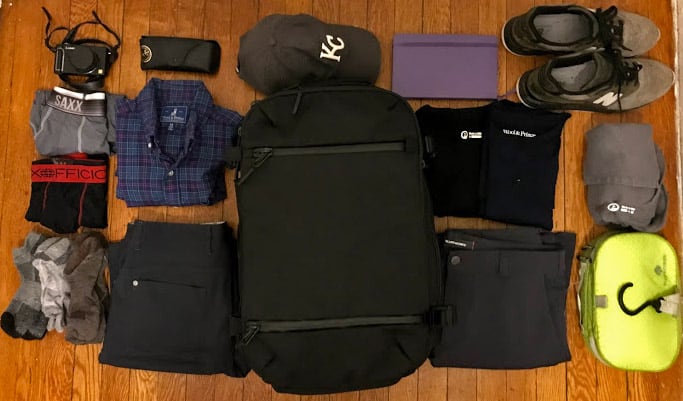
Developing a functional wardrobe for a multi-country European tour requires prioritizing versatility, durability, and moisture-wicking properties. Rather than packing a distinct outfit for every day of the trip, travelers should embrace a mix-and-match capsule wardrobe utilizing neutral color palettes.
Footwear and Foundation Garments
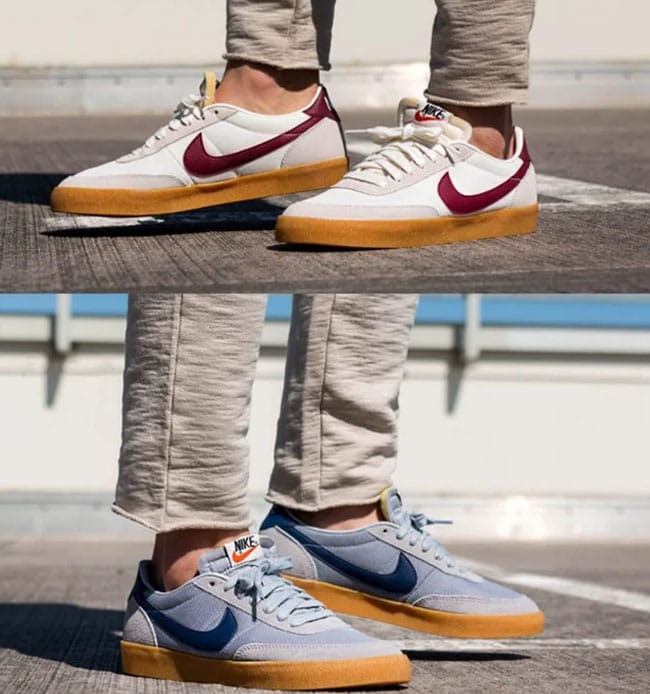
Footwear selection dictates daily comfort during intensive sightseeing excursions that often exceed 15,000 steps. Travel analysts recommend prioritizing supportive, cushioned lifestyle sneakers or specialized walking shoes that seamlessly transition from daytime exploration to casual evening dining. Heavy, rigid hiking boots should be strictly avoided unless the itinerary explicitly features dedicated alpine trekking. Additionally, packing a lightweight pair of rubber flip-flops is mandatory for maintaining hygiene in shared hostel shower facilities.

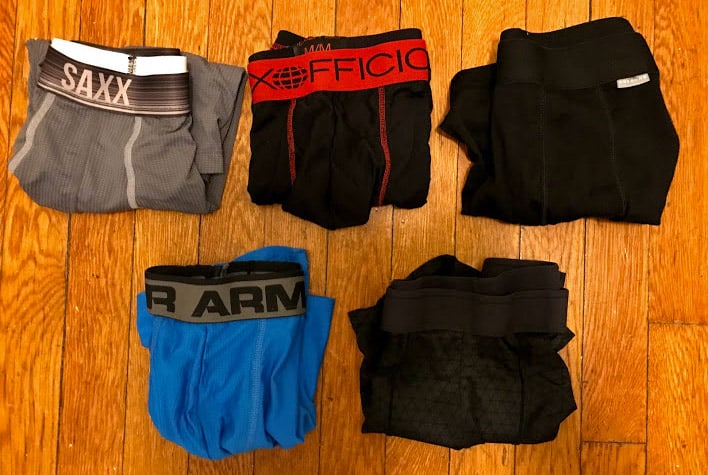
Undergarments and socks require careful material selection. Industry standards strongly advocate for merino wool or advanced synthetic blends over traditional cotton. Merino wool naturally regulates temperature, resists microbial growth, and manages moisture, allowing garments to be worn multiple times before laundering. Travelers typically pack five to nine pairs of quick-drying underwear and six to eight pairs of premium socks to ensure continuous comfort and blister prevention.

Outerwear, Pants, and Tops
Pants should be limited to two dependable pairs, typically featuring a combination of dark-wash denim—widely adopted by urban Europeans for its durability and versatility—and lightweight, neutral-colored chinos. Cargo shorts and overly athletic styles are traditionally discouraged in metropolitan settings, though tailored shorts are acceptable during peak summer months in Southern Europe.
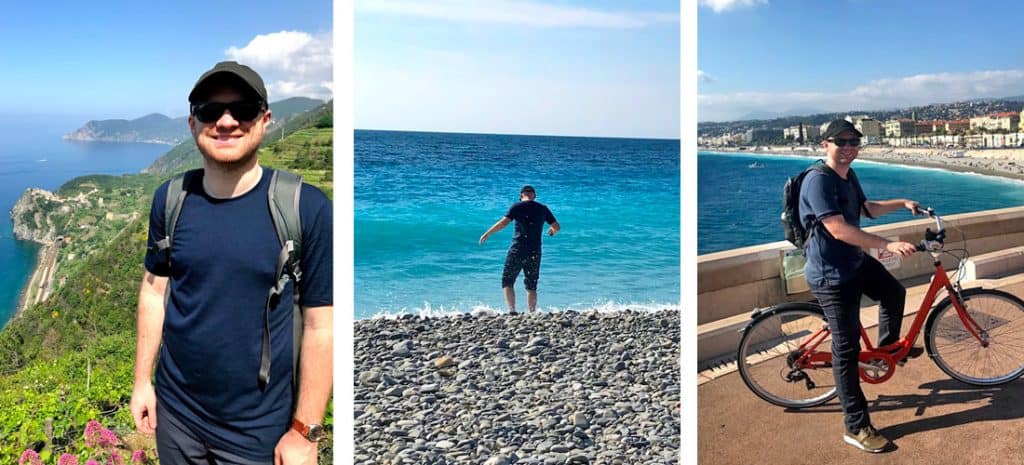
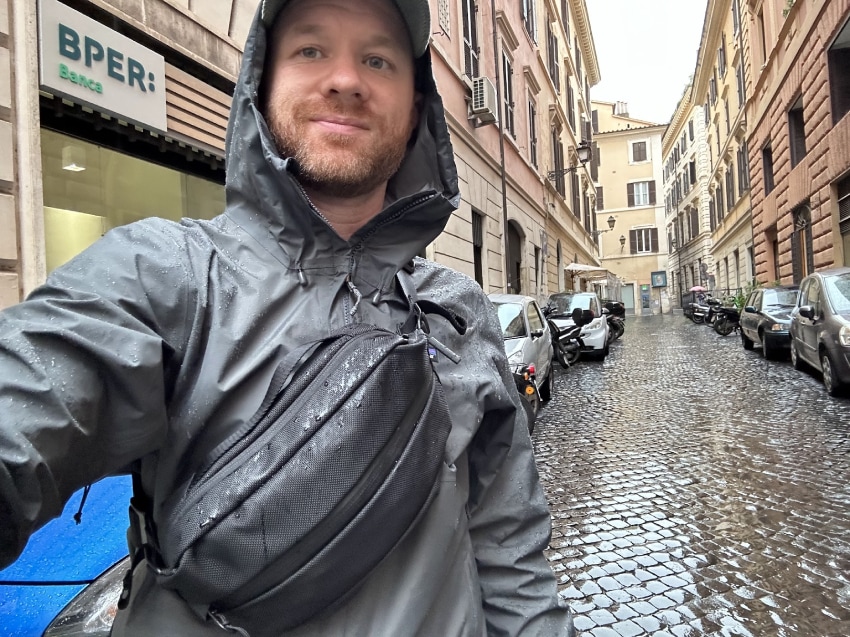
Tops should comprise a balanced mix of breathable T-shirts, lightweight sweaters, and versatile button-up shirts suitable for layering against unpredictable continental weather. Depending on the season, a packable rain jacket or a wind-resistant shell completes the weatherproofing strategy, ensuring protection against sudden downpours without adding burdensome bulk.
Essential Travel Accessories and Logistics
Navigating foreign transit networks and accommodations demands a curated selection of organizational and security accessories designed to maximize efficiency.
Organization and Security
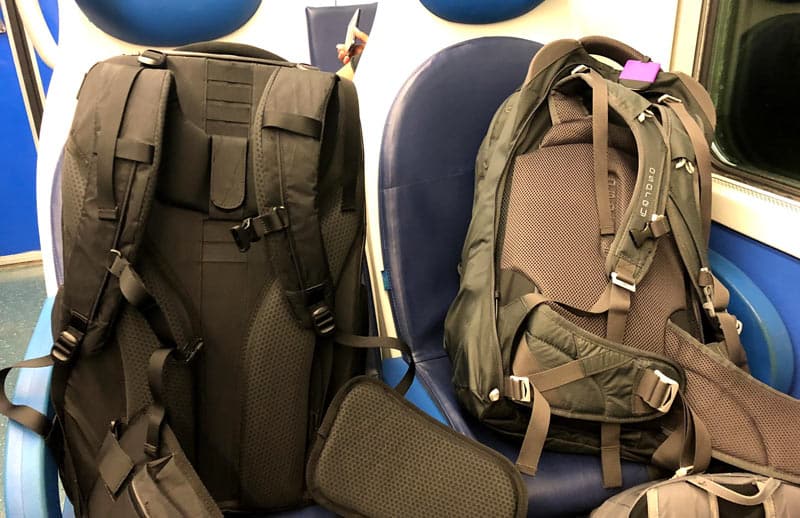
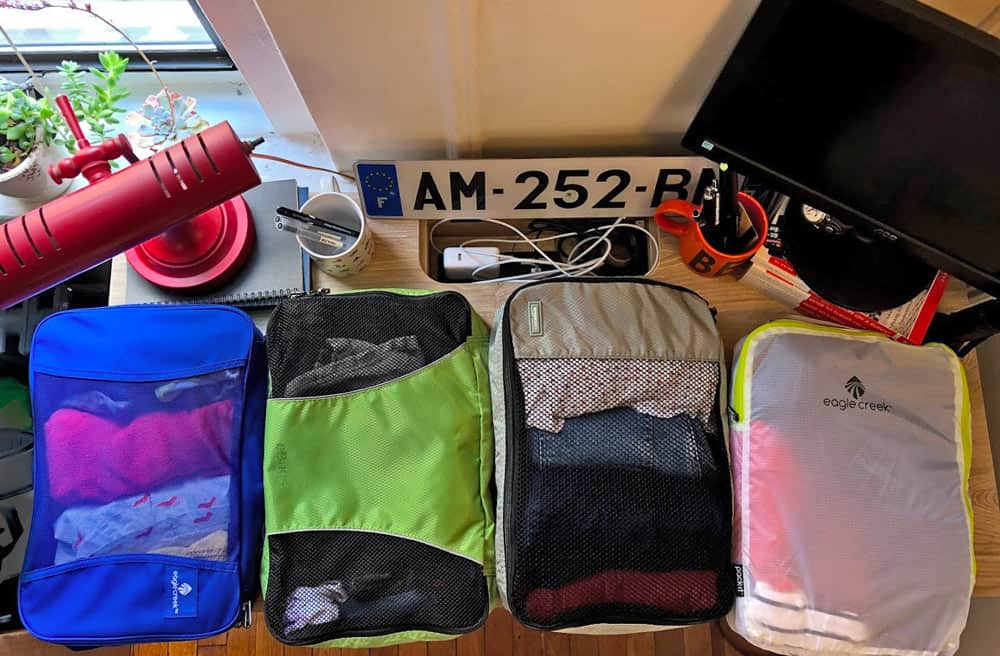
Packing cubes represent one of the most significant advancements in modern travel organization. By compartmentalizing garments—separating socks, undergarments, and shirts into distinct zippered pouches—travelers can instantly locate specific items without disrupting the entire contents of their luggage. Furthermore, compression cubes minimize wrinkles and reduce overall volume.
Security in shared hostel dormitories requires reliable hardware. Standard combination padlocks paired with retractable cable locks allow backpackers to secure their primary luggage to bunk frames or luggage racks during sleep or absence. Additionally, physical and digital redundancy for travel documents—including encrypted cloud storage of passports, rail passes, and insurance policies—mitigates the catastrophic impact of lost or stolen paperwork.
Connectivity and Power Management
Staying connected while traversing international borders has been revolutionized by embedded subscriber identity module (eSIM) technology. Industry pricing benchmarks indicate that regional European eSIM data plans cost approximately $3 per day, representing a substantial savings compared to traditional domestic carrier international roaming packages that routinely charge $10 to $15 daily. Providers such as SimOptions and Holafly offer seamless digital activation upon arrival.

To power modern smartphones, e-readers, and cameras, travelers must account for regional electrical standards. While continental Europe utilizes standard two-prong plugs operating on 230 volts, high-end electronics feature dual-voltage compatibility and require only a physical plug adapter rather than a heavy voltage converter. Incorporating a compact travel power strip or a multi-port USB charger ensures simultaneous device management in accommodations with limited wall outlets.

Risk Management and Financial Protection
Comprehensive travel insurance remains a critical investment for international expeditions. Industry advisors note that policies acquired through established providers such as World Nomads safeguard against unexpected medical emergencies, emergency medical evacuations, trip cancellations, and baggage loss. Given the prevalence of petty crime in major European tourist hubs, securing financial protection provides essential peace of mind throughout the journey.
Ultimately, successful backpacking through Europe is defined by preparation, adaptability, and restraint. By adhering to a minimalist packing checklist, prioritizing multi-functional gear, and respecting weight limitations, travelers can ensure a mobile, comfortable, and deeply rewarding cultural experience.
Related posts: