The Hidden Cost of Tourism: How Animal Welfare Concerns Are Reshaping Global Travel Choices

The global tourism industry has long grappled with the dark underbelly of animal exploitation, transforming once-in-a-lifetime adventures into subjects of intense ethical scrutiny. From elephant-riding excursions in Thailand and handling sea turtles in the Cayman Islands to lion-walking tours in South Africa, the intersection of leisure and wildlife welfare has reached a critical juncture. While travelers are naturally drawn to iconic monuments and exotic wildlife, the operational reality behind curated itineraries often carries a devastating cost for working animals, native wildlife, and local ecosystems.
The Catalyst: A Dream Trip Cancelled Over Welfare Realities
For travelers like Michiko, years of meticulous planning for a journey through Egypt and Jordan—regions celebrated for their ancient civilizations and globally recognized UNESCO World Heritage sites—culminated in a sobering realization. While reviewing final itineraries and conducting deeper research on traveler forums, Michiko uncovered widespread documentation regarding the severe mistreatment of working animals stationed at major tourist hubs.
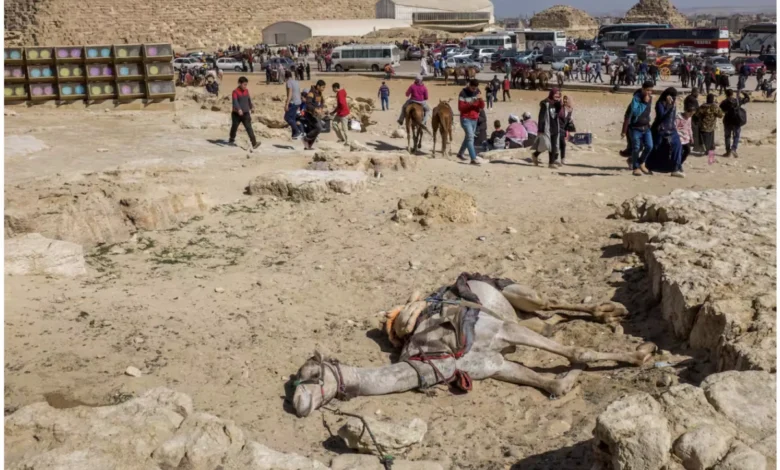
The findings painted a harrowing picture of horses, donkeys, and camels enduring chronic physical abuse. Reports detailed animals suffering from mutilated and bleeding noses, alongside severe emaciation that exposed skeletal frames beneath punishing desert temperatures. Further investigations brought to light accounts of exotic creatures confined to dark, cramped enclosures for decades, as well as notorious "animal graveyards" situated behind historical landmarks like the Giza Pyramids. In these remote areas, working animals deemed no longer useful or economically viable are reportedly abandoned to perish in the harsh heat.
This systemic abuse is frequently dismissed by local operators as entrenched tradition or excused by economic hardship. However, welfare advocates and conscious travelers argue that systemic poverty does not excuse animal cruelty. This perspective underscores a growing movement within international tourism: that compassion and ethical treatment are conscious choices independent of socioeconomic circumstances.
Shifting Tides: The Power of the Consumer Purse
Faced with mounting evidence of systemic neglect, a growing demographic of international tourists is voting with their wallets. Michiko ultimately chose to cancel the long-awaited trip, stating an unwillingness to allocate financial resources toward industries that profit from animal suffering.
This decision reflects a broader behavioral shift across the global travel community. Platforms such as TripAdvisor, Reddit, and Facebook host thousands of firsthand accounts from tourists expressing shock and remorse after witnessing the conditions of working animals at historical sites. Investigative exposés by organizations such as People for the Ethical Treatment of Animals (PETA) and the Society for the Protection of Animal Rights in Egypt (SPARE) have further illuminated the extent of the crisis, amplifying calls for comprehensive regulatory reform.
Recognizing that individual action requires institutional engagement, travelers are increasingly moving beyond simple cancellations. Michiko, alongside numerous advocacy groups, formally petitioned the Egyptian Ministry of Tourism and Antiquities and the Egypt Tourism Promotion Authority, demanding enhanced welfare standards, stricter enforcement of existing animal protection laws, and accountability for tour operators found in violation.

Regulatory Responses and Institutional Pressures
The rising tide of international criticism has placed intense pressure on local governments and tourism boards to address long-standing welfare deficits. A significant development occurred in April 2026, when Egypt’s Chamber of Tourism Establishments and Restaurants issued an official directive banning the use of both domestic and wild animals in artistic and entertainment performances across hotel properties and tourism facilities.
While welfare organizations have welcomed this regulatory milestone as a step in the right direction, industry analysts emphasize that the ban addresses only a fraction of the broader crisis. The daily exploitation of working equines and camels at high-traffic archaeological sites—such as the Giza Pyramids and Luxor—remains largely unchecked by current enforcement mechanisms, highlighting a persistent regulatory gap between hospitality venues and open-air historical attractions.
Furthermore, this ongoing controversy forces a critical examination of international designations. The presence of prolific animal welfare violations at globally recognized UNESCO World Heritage sites raises complex questions regarding the responsibilities of international bodies in monitoring and conditioning heritage status on ethical animal management.
The Broader Implications for Global Heritage Tourism
The intersection of cultural tourism and animal welfare has far-reaching implications for destination management worldwide. As consumers become increasingly sensitive to the ethical dimensions of their itineraries, destinations plagued by well-documented animal abuse risk long-term reputational damage and a measurable decline in high-value, conscientious tourism.
Conversely, destinations that prioritize sustainable practices, human rights, and animal welfare are gaining a competitive advantage. Publications and organizations, such as Ethical Traveler, regularly highlight developing nations that balance cultural preservation with robust environmental and social safeguards. By assessing nearly 150 nations annually on criteria ranging from ecological protection to animal welfare, these initiatives guide travelers toward regions that actively champion ethical stewardship.
Navigating Responsible Travel: Practical Steps Forward
For individuals still wishing to explore regions rich in history and culture without compromising ethical standards, industry experts recommend a proactive approach to trip planning:
- Conduct Rigorous Pre-Trip Research: Utilize independent travel forums, animal welfare organization reports, and investigative journalism to screen local tour operators and excursions before booking.
- Avoid Exploitative Transport: Refrain from utilizing animal-powered transport, such as carriage rides, camel treks, or donkey rides at historical monuments, where animal fatigue and dehydration are frequently overlooked.
- Support Verified Sanctuaries: If interacting with wildlife, seek out accredited sanctuaries that prioritize rehabilitation and non-interference over performance and direct contact.
- Report Violations: Document instances of abuse and report them directly to local tourism authorities, international welfare NGOs, and travel booking platforms to hold operators accountable.
- Engage with Advocacy Campaigns: Support ongoing legislative petitions and awareness campaigns led by established organizations like PETA and SPARE to pressure governments into enacting enforceable animal protection laws.
Ultimately, the decisions made by individual travelers carry collective weight. By shifting demand away from exploitative practices and toward responsible operators, the global tourism community possesses the leverage necessary to redefine the boundaries of tradition, ensuring that the preservation of human heritage no longer comes at the expense of sentient life.