Discovering Your Travel Persona: How Psychological Profiles and Digital Connectivity are Transforming Modern Tourism

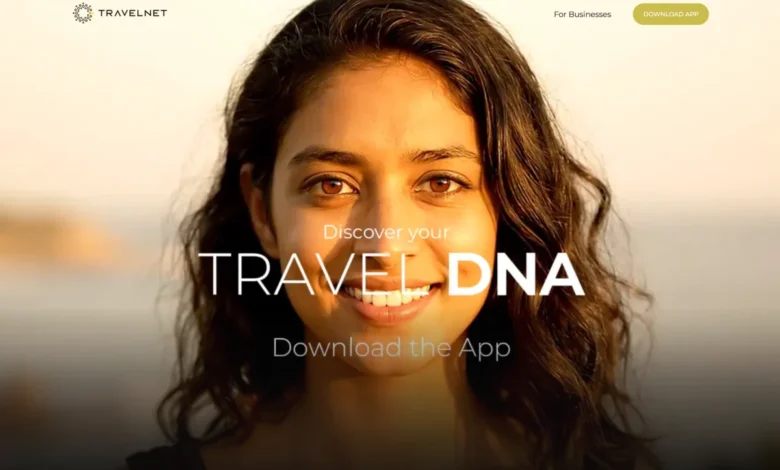
The modern tourism landscape has undergone a profound structural evolution over the past decade, driven largely by rapid advancements in mobile telecommunications and an increasing shift toward hyper-personalized travel experiences. As global mobility rebounds to pre-pandemic levels, industry analysts and behavioral psychologists have turned their attention to the underlying motivations that drive human movement. Understanding what compels an individual to traverse the globe has become a cornerstone for destination marketing organizations, tech-driven travel startups, and multinational hospitality chains alike. Central to this paradigm shift is the concept of the travel persona—a psychological categorization that defines a tourist’s preferences, risk tolerance, cultural curiosity, and expenditure patterns. Recent initiatives by travel technology platforms to integrate interactive personality quizzes with logistical incentives, such as complimentary digital data solutions and high-stakes sweepstakes, reflect a broader industry trend aimed at merging self-discovery with seamless connectivity.
The integration of digital identity profiling into travel planning is not merely a novelty; it represents a calculated response to the fragmentation of the global tourism market. Historically, travelers were broadly classified by demographic metrics such as age, disposable income, and geographic origin. However, contemporary market research indicates that psychographic segmentation—grouping individuals based on attitudes, values, interests, and lifestyle choices—yields significantly higher engagement and satisfaction rates. By prompting consumers to participate in rapid, interactive digital assessments, travel service providers can collect nuanced data regarding whether a user identifies as an intrepid explorer, a luxury relaxation seeker, a cultural anthropologist, or a budget-conscious nomad. This alignment between psychological profiling and service delivery allows platforms to curate bespoke itineraries, reducing the cognitive load often associated with modern vacation planning.
The Evolution of Traveler Typologies and Market Research
To understand the current fascination with travel personas, one must examine the historical progression of tourism sociology. In the early 1970s, sociologist Stanley Plog introduced one of the earliest models of traveler typology, dividing populations into psychocentric profiles (risk-averse, prefer familiar destinations) and allocentric profiles (adventurous, seek unchartered territories). Over the subsequent decades, as commercial aviation democratized international travel, these rigid binaries dissolved into a complex spectrum of behaviors.
In the digital era, this spectrum has been accelerated by social media and mobile technology. Today’s travelers are frequently influenced by peer-generated content, real-time reviews, and the desire for authentic, Instagram-worthy or TikTok-documented experiences. Consequently, modern travel tech platforms utilize advanced algorithms and interactive quizzes to bridge the gap between abstract psychological desires and concrete logistical arrangements. When a user engages with a "travel type" assessment, they are participating in a sophisticated data exchange: in return for self-insight, they provide platforms with precise intent-based data. This data enables tourism boards and ancillary service providers to target specific consumer segments with unprecedented accuracy, transforming generic marketing campaigns into personalized digital dialogues.
The Geopolitical and Technological Role of the eSIM in Global Mobility
Concurrently, the mechanics of international travel have been revolutionized by technological shifts in telecommunications, most notably the widespread adoption of embedded subscriber identity modules, commonly known as eSIMs. For decades, international travel was fraught with friction regarding telecommunications. Arriving in a foreign country meant navigating confusing airport kiosks for physical SIM cards, paying exorbitant roaming fees to domestic carriers, or enduring the anxiety of being disconnected from essential navigation and communication tools.
The introduction of the eSIM has fundamentally altered this dynamic. Operating entirely via software embedded directly into a smartphone’s hardware, eSIM technology allows users to download and activate international cellular profiles before ever boarding their flight. Market data from telecommunications research firms indicates that the global eSIM market has experienced exponential growth, driven by consumer demand for instant connectivity and cost-efficiency. Travel platforms have quickly recognized that offering complimentary eSIM trials serves as an optimal customer acquisition strategy. By removing one of the primary logistical friction points of international travel—connectivity—these platforms build immediate trust and utility with the consumer. Furthermore, the provision of free data aligns with the expectations of the modern hyper-connected traveler, for whom internet access is viewed not as a luxury, but as a critical infrastructure component akin to electricity or clean water.
Guatemala as a Case Study in Emerging Destination Marketing
The strategic pairing of behavioral profiling and digital connectivity tools often culminates in targeted promotional campaigns designed to stimulate interest in emerging or under-represented global destinations. A prime example of this strategy is the promotional focus on Central America, specifically Guatemala, as an ideal frontier for contemporary travelers. Historically overshadowed by traditional tourism powerhouses in the region, Guatemala has recently emerged as a focal point for sustainable, cultural, and adventure tourism.
Geographically positioned in the heart of the Mayan world, Guatemala offers a diverse topography that appeals directly to the adventurous and culturally curious travel personas. From the colonial architecture and cobblestone streets of UNESCO World Heritage site Antigua, flanked by three towering volcanoes, to the dense jungle canopy of Petén housing the monumental ruins of Tikal, the nation provides a rich tapestry of historical and natural attractions. Furthermore, Lake Atitlán, surrounded by indigenous Mayan villages and dramatic cliffs, serves as a major draw for wellness seekers and eco-tourists.
Despite these rich offerings, tourism authorities in Guatemala have historically faced challenges in capturing a larger share of the international long-haul market, largely due to informational gaps and infrastructural hurdles perceived by first-time visitors from North America and Europe. In response, collaborative initiatives between regional tourism boards and international travel tech companies have sought to reframe the narrative. By utilizing sweepstakes, dream-trip giveaways, and incentivized digital platforms, these entities aim to lower the psychological barrier to entry for hesitant travelers. Offering a fully funded exploratory journey to Guatemala functions as a high-impact public relations mechanism, generating user-generated content, media coverage, and direct testimonials that far outweigh traditional advertising expenditures.
Chronology of Modern Travel Tech Integration and Promotion
The convergence of interactive marketing, telecommunications, and destination promotion did not happen overnight. A review of the timeline reveals a deliberate progression toward digital integration in the tourism sector:
Phase One: The Digitization of Booking (Late 1990s to 2010s)
The initial wave of travel technology focused on disintermediation—moving travel booking from brick-and-mortar travel agencies to online aggregators and direct-to-consumer airline and hotel websites. During this era, the focus was purely transactional: flights, hotels, and car rentals.
Phase Two: The Social and Experiential Shift (2010s to 2020)
The rise of smartphones, high-speed mobile data, and social media platforms shifted consumer demand from standardized package tours to experiential travel. Consumers began seeking authentic local interactions, unique accommodations (such as home-sharing networks), and destinations popularized by digital influencers.
Phase Three: The Frictionless and Personalized Era (2020 to Present)
Accelerated by the global disruptions of the early 2020s, the contemporary phase prioritizes safety, flexibility, seamless connectivity, and hyper-personalization. Travel platforms began utilizing artificial intelligence and behavioral quizzes to match consumers with trips tailored to their psychological profiles. Simultaneously, technologies like eSIMs emerged to eliminate logistical pain points, while gamified promotions—such as destination sweepstakes—were deployed to reignite interest in emerging markets like Central America.
Economic and Sociological Implications of Hyper-Personalized Tourism
The intersection of psychological profiling, instantaneous telecommunications connectivity, and strategic destination promotion carries significant implications for the global tourism economy. From an economic perspective, lowering the friction of travel through complimentary digital tools and targeted incentives stimulates consumer spending across ancillary sectors, including local transport, artisanal retail, and regional hospitality. When travelers are confident in their connectivity and feel that a destination aligns with their core personality and interests, they are more likely to venture beyond traditional tourist hubs, thereby distributing economic benefits more equitably to local communities.
Sociologically, the trend toward hyper-personalization reflects a broader cultural shift wherein consumers view travel not merely as a leisure activity, but as an essential component of personal identity construction. The popularity of travel persona quizzes suggests that modern individuals use travel as a canvas for self-expression and self-actualization. By identifying as an adventurer, a cultural preservationist, or a digital nomad, the traveler establishes a narrative framework for their lived experiences.
However, industry analysts also note potential challenges associated with this hyper-digitalized approach to tourism. The reliance on algorithmic profiling can occasionally create confirmation bias, trapping travelers within predictable itineraries that prevent serendipitous discoveries. Furthermore, as emerging destinations like Guatemala experience increased visibility through digital sweepstakes and promotional campaigns, local infrastructure must adapt to manage potential visitor influxes sustainably, ensuring that natural resources and indigenous heritage sites are protected from over-tourism.
Conclusion and Future Outlook
Ultimately, the contemporary alignment of personality-driven travel discovery tools, frictionless eSIM connectivity, and promotional campaigns for rich cultural destinations like Guatemala illustrates the sophisticated trajectory of the modern tourism industry. As technology continues to evolve, the boundaries between digital engagement and physical exploration will undoubtedly blur further. For the modern traveler, the journey now begins long before packing a bag—it starts with a digital swipe, a moment of introspection, and the seamless activation of a global connection that bridges the gap between curiosity and reality.