The Death of the Traditional Hiking Boot Marks a Cultural and Environmental Shift in Outdoor Recreation

October 22, 2026, marks a distinct milestone in the ongoing evolution of outdoor gear, highlighting a profound shift in how modern backpackers and long-distance hikers equip themselves for the trail. While technological advancements have continuously revolutionized outdoor recreation—producing lighter fabrics, advanced global positioning devices, and high-performance GPS tracking gear—one foundational piece of equipment is rapidly vanishing from the backcountry: the traditional leather hiking boot.
Data compiled from major long-distance trails, including the Appalachian Trail and the Pacific Crest Trail, reveal that up to 90 percent of modern thru-hikers now opt for low-cut trail runners or lightweight athletic shoes over traditional footwear. This trend underscores a broader modernization of outdoor sports, wherein speed, agility, and minimal weight take precedence over durability and ankle support. However, this transition away from heavy-duty boots carries complex implications for consumer habits, environmental sustainability, and the cultural heritage of backpacking.
The Shift from Leather to Mesh: A Chronological Overview of Trail Footwear
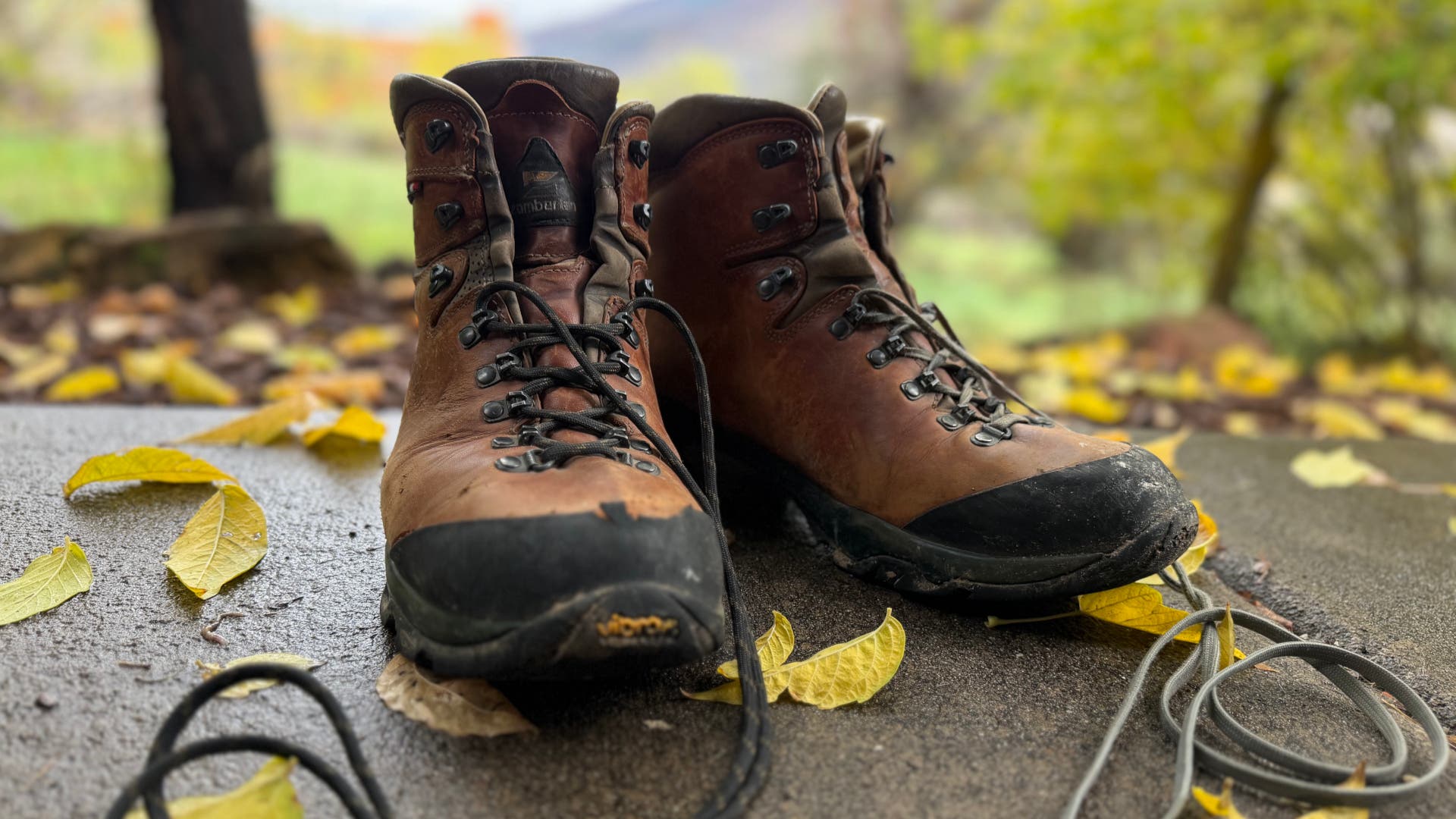
The evolution of hiking footwear mirrors the broader history of outdoor recreation over the past century. For generations, leather boots reinforced with steel shanks, Vibram rubber lug soles, and heavy-duty laces served as the mandatory uniform for mountaineers, forestry workers, and recreational hikers alike. These boots required grueling "break-in" periods, weighed several pounds per pair, and offered rigid protection against adverse weather and jagged terrain.
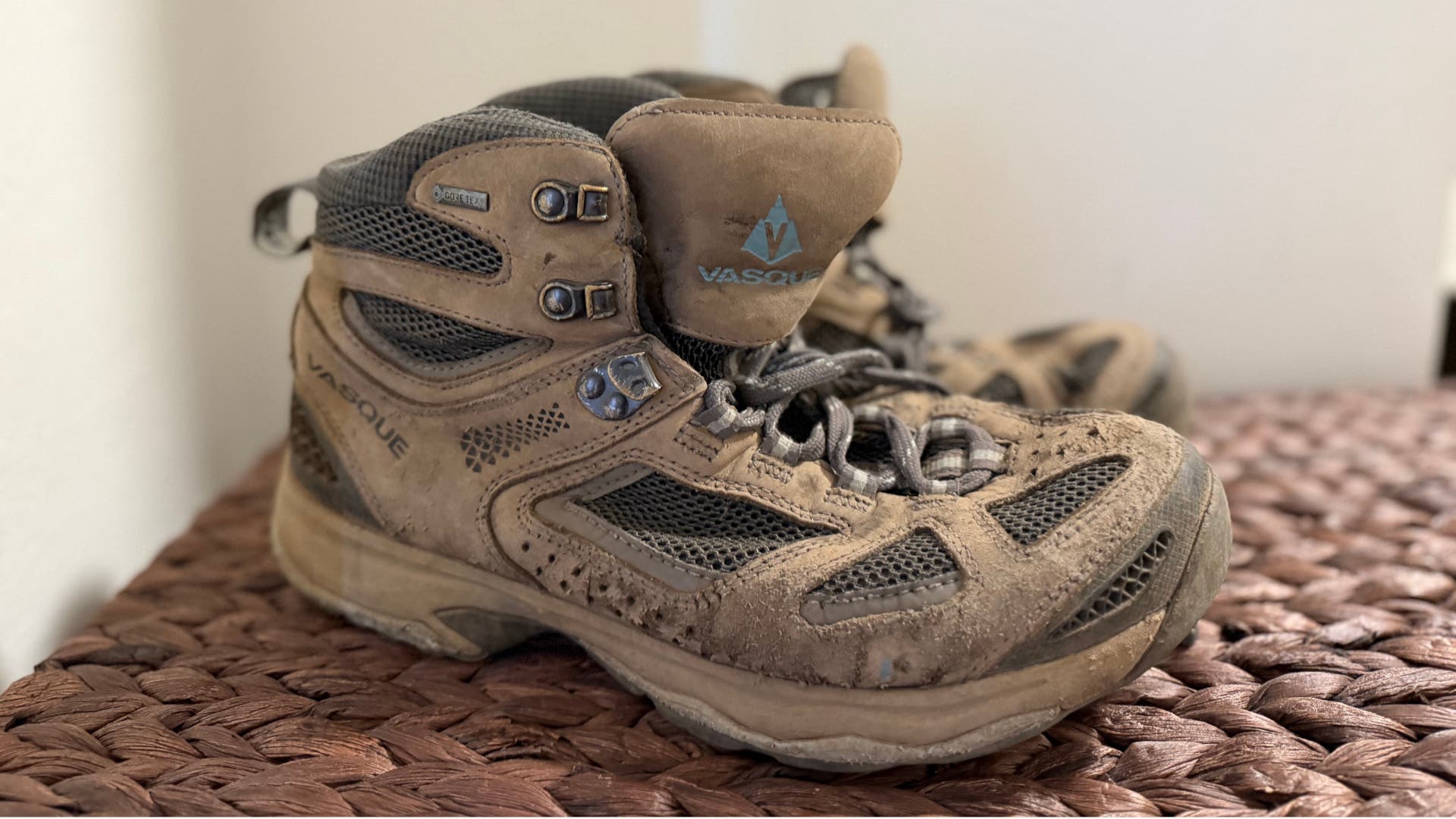
By the early 2000s, the advent of synthetic materials began to alter the market. Manufacturers introduced mid-height hiking shoes that blended the ankle coverage of boots with the lighter weight of sneakers. However, the true paradigm shift occurred during the 2010s and 2020s, driven by the explosive growth of ultralight backpacking and the rise of speed-hiking records, known as Fastest Known Times (FKTs).
Athletes pursuing ultra-distance endurance feats began favoring running shoes designed for rugged off-road terrain. These trail runners offered immediate comfort without a break-in period, superior breathability, and drastically reduced weight—a critical factor given the outdoor industry adage that a pound on the feet equals five pounds on the back. Consequently, retail sales data over the past decade show a steady decline in traditional boot purchases, contrasted by a sharp surge in the market share of low-profile athletic trail shoes.
Consumer Habits and the Rise of "Disposable" Footwear
The transition from boots to trail runners has fundamentally altered consumer purchasing patterns within the outdoor industry. Traditional hiking boots are engineered for longevity. Constructed from full-grain leather and robust synthetic fabrics, quality boots frequently last for years, withstanding thousands of miles of rugged abuse. Furthermore, many heritage boot manufacturers offer resoling and repair services, enabling owners to rebuild worn soles and extend the lifespan of their footwear by an additional half-decade or more.
In contrast, modern trail runners are frequently treated as consumable goods. Industry interviews with long-distance thru-hikers reveal that high-mileage athletes can burn through anywhere from 10 to 14 pairs of running shoes during a single continuous continental journey, such as the 2,190-mile Appalachian Trail. Because trail runners utilize soft, high-traction foam midsoles and lightweight mesh uppers optimized for grip and cushioning rather than durability, they degrade rapidly under abrasive rock conditions. Once the tread wears thin or the structural integrity fails, these shoes are rarely repairable and are typically discarded entirely.
Environmental Implications: Waste Generation and Microplastics
The shift toward lightweight athletic footwear introduces pressing environmental concerns that industry analysts and conservationists are increasingly forced to address. Chief among these is the sheer volume of municipal solid waste generated by the high turnover rate of trail shoes. While numerous footwear brands have integrated recycled plastics into their uppers or launched take-back initiatives, the rapid obsolescence of footwear means millions of pairs end up in landfills annually.
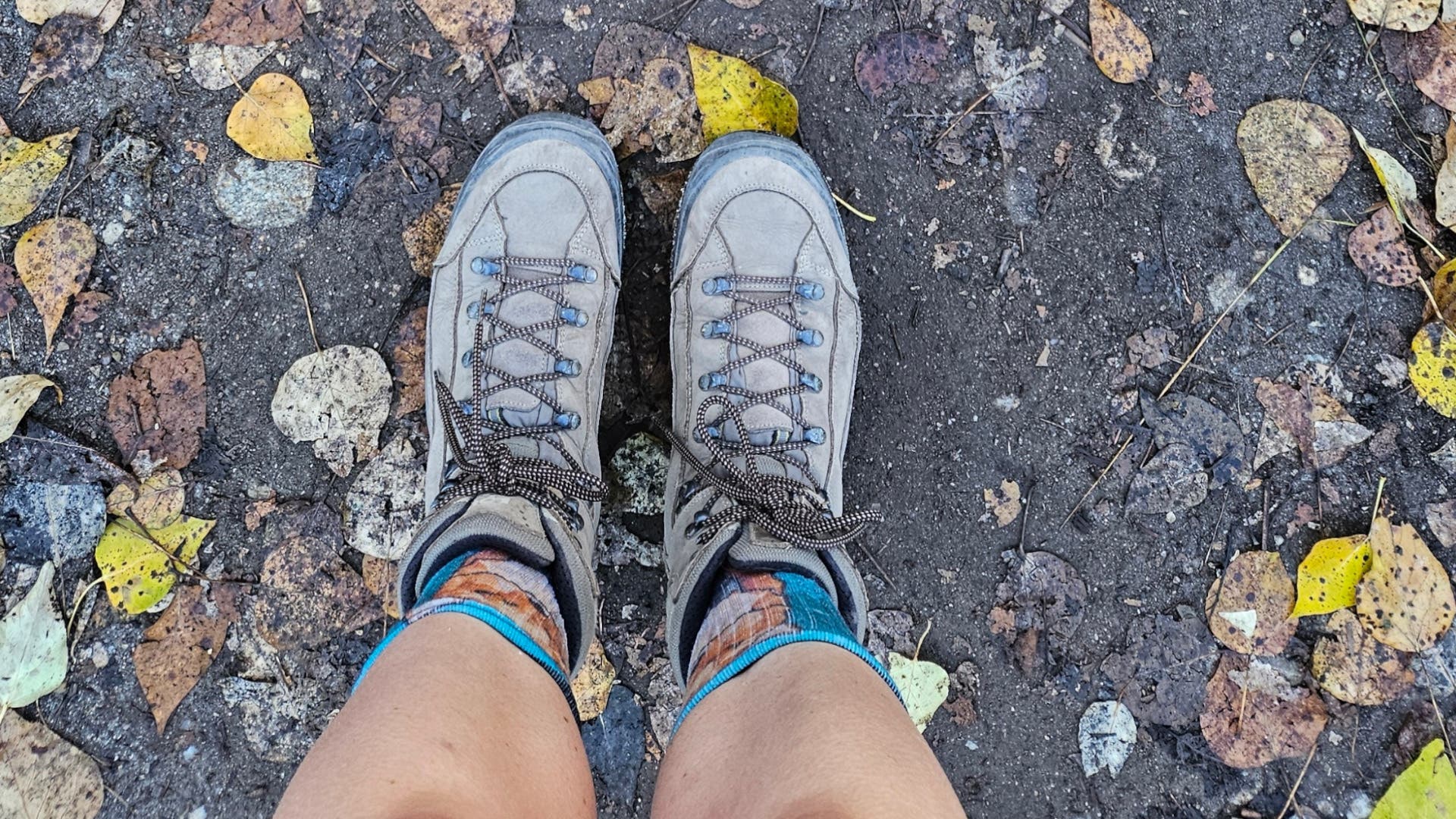
Compounding the waste issue is the emerging scientific concern regarding microplastic pollution in remote aquatic ecosystems. Recent environmental studies have identified soft-soled athletic shoes—particularly those utilizing polyurethane and ethylene-vinyl acetate (EVA) foams—as significant contributors to microplastic accumulation in pristine alpine lakes, creeks, and streams. As millions of hikers traverse wilderness areas, microscopic particles shed from degrading shoe treads are washed away by rain and snowmelt, entering fragile watersheds. Conversely, hard-soled rubber boots constructed with vulcanized compounds exhibit significantly lower rates of immediate surface abrasion and particulate shedding in the field.
Ergonomic Debate: Speed Versus Joint Protection
The divergence between boot loyalists and trail-shoe advocates fundamentally centers on differing philosophies of movement and safety in the backcountry. Proponents of trail runners emphasize the physiological benefits of reduced weight. Less mass on the feet reduces overall energy expenditure, lowering the risk of overuse injuries such as shin splints, hip flexor strain, and general fatigue over long daily distances. Additionally, the lower stack height and flexible soles of trail runners enhance proprioception—the body’s ability to sense its position and movement—allowing hikers to instinctively adjust their footing on uneven terrain.
Conversely, advocates for traditional boots argue that heavy-duty footwear provides essential mechanical protection and psychological peace of mind. Full-height boots shield the feet from sharp scree, accidental impacts with roots and rocks, and deep mud or stream crossings. More importantly, they offer structural ankle stabilization for hikers prone to rolling their ankles on unstable surfaces.
Furthermore, outdoor traditionalists note that wearing heavier boots inherently alters a hiker’s pace, forcing a slower, more deliberate rate of travel. While speed-focused athletes view this restriction as a disadvantage, proponents of traditional footwear argue that a slower pace fosters deeper immersion in the natural environment, encouraging hikers to observe landscape details, sounds, and wildlife that might otherwise blur past a fast-moving runner.
Industry and Cultural Reflections
As the outdoor retail market continues to heavily favor lightweight athletic designs, manufacturers of traditional leather boots find themselves catering to a dedicated, albeit shrinking, demographic of heritage enthusiasts and alpine professionals. While major footwear companies have not entirely abandoned boot production, research and development budgets have overwhelmingly shifted toward technical trail runners and hybrid hiking sneakers.
Cultural analysts within the outdoor community view this transformation as a bittersweet milestone. The hiking boot—once a universal symbol of outdoor exploration, endurance, and self-reliance, much like the cowboy boot is to ranching or the Xtratuf boot is to commercial fishing—is gradually losing its ubiquity.
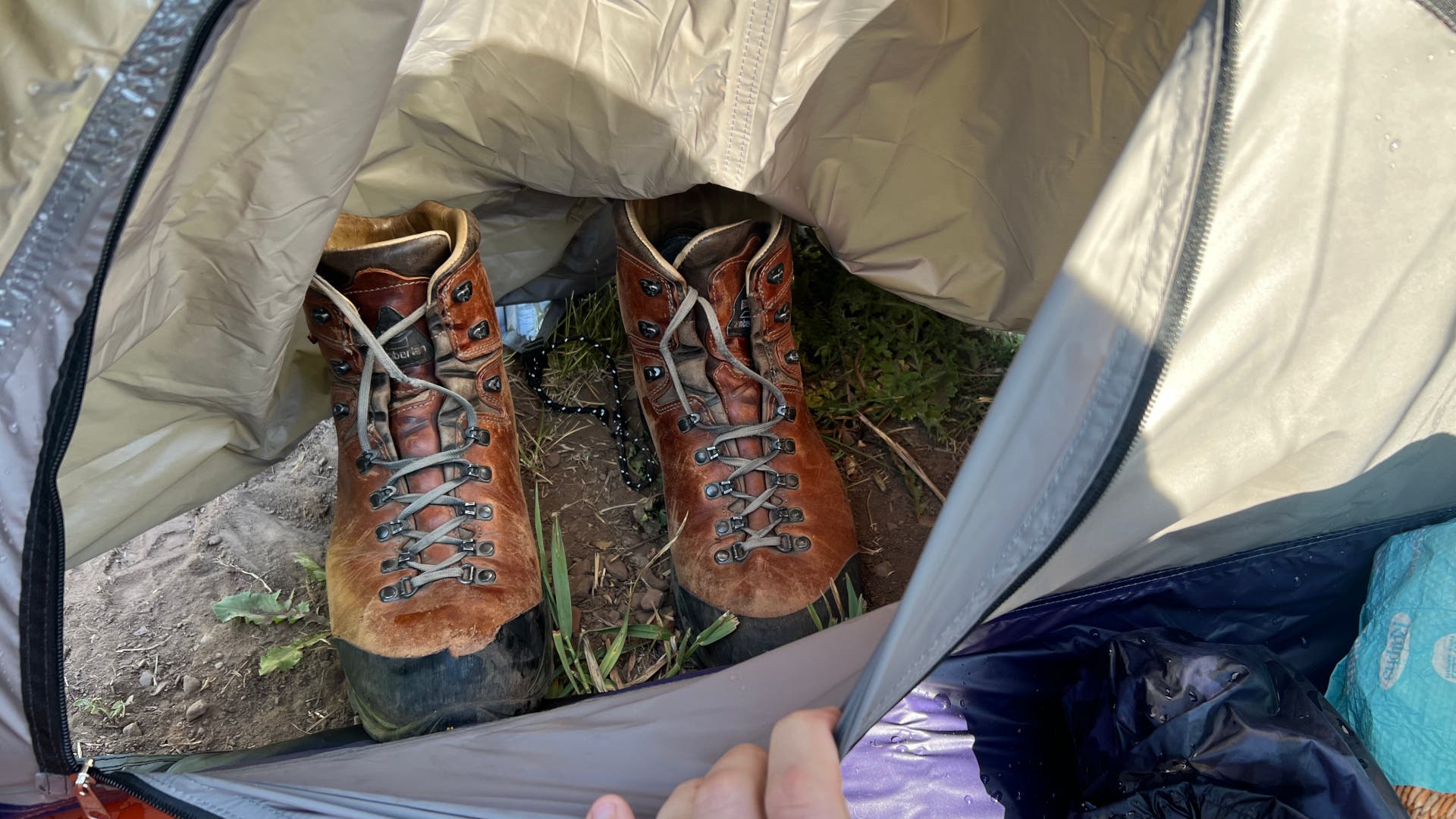
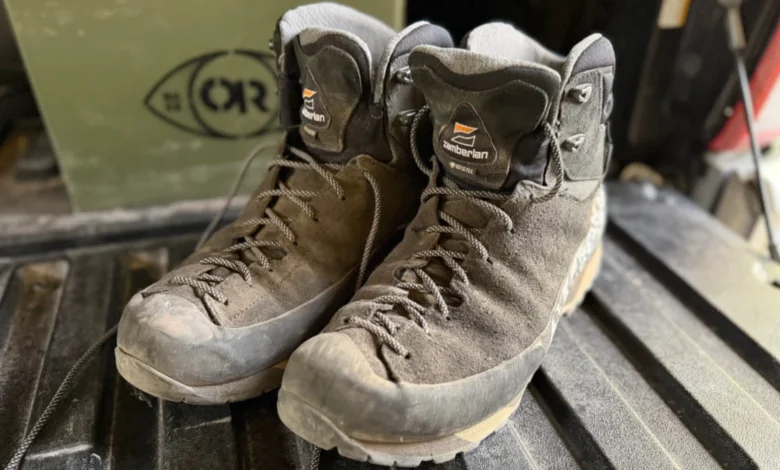
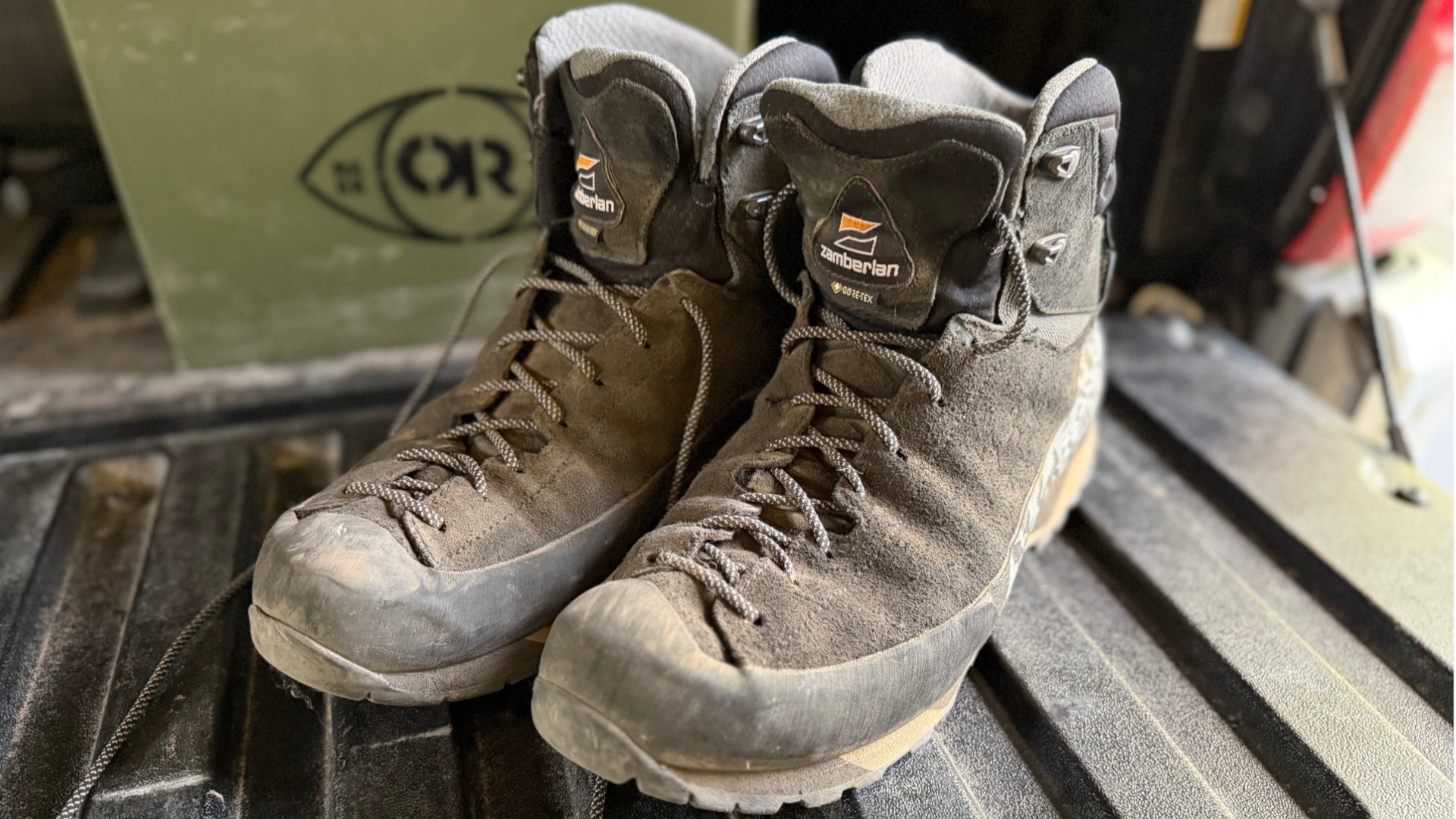
Nevertheless, the enduring loyalty of traditionalists ensures that the boot will not disappear entirely from the trail. For a dedicated segment of the backpacking community, the scuffed leather, mismatched replacement laces, and structural scars of a well-traveled pair of boots remain far more than mere equipment; they serve as a physical chronicle of journeys completed, memories forged, and a deliberate connection to the foundational traditions of wilderness travel.