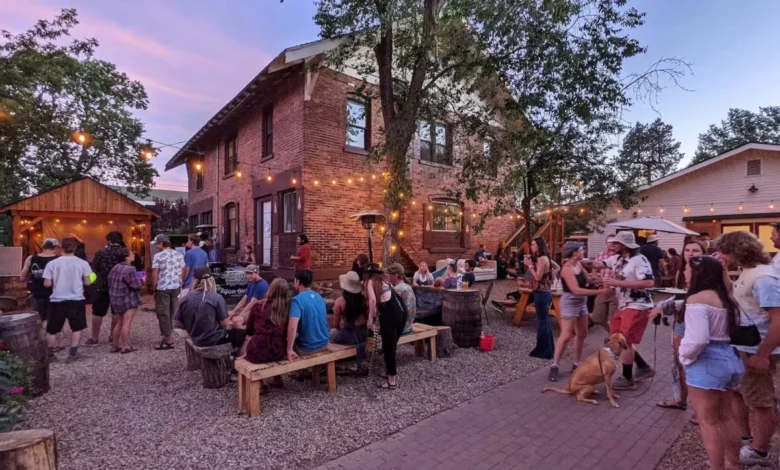
The traditional "bed and breakfast" model, a staple of the American tourism industry for decades, is undergoing a significant transformation as the craft beer revolution alters consumer preferences. Across states such as California, Oregon, New Mexico, and Nebraska, a new category of lodging—informally dubbed "bed and brews"—has emerged, prioritizing access to local, high-quality fermentation over the standard morning continental buffet. This shift reflects a broader trend in the hospitality sector where travelers are increasingly seeking experiential stays that integrate local culture, artisan production, and social atmosphere directly into their overnight accommodations.
The concept is not merely a marketing gimmick but a response to the evolving demographics of travelers. According to the Brewers Association, the craft beer industry has seen explosive growth over the last twenty years, with more than 9,000 breweries currently operating in the United States. As these businesses become central to local economies and social life, the integration of lodging with brewing operations has become a logical evolution for boutique property owners.
Historical Evolution of the Brew-Lodging Hybrid
The intersection of brewing and hospitality has roots that extend back centuries, particularly in Europe, where the "inn" served as a central hub for travelers, locals, and local brewers. In the American context, the revival of this model began in the late 1980s and early 1990s as the craft beer movement took hold in the Pacific Northwest and California.
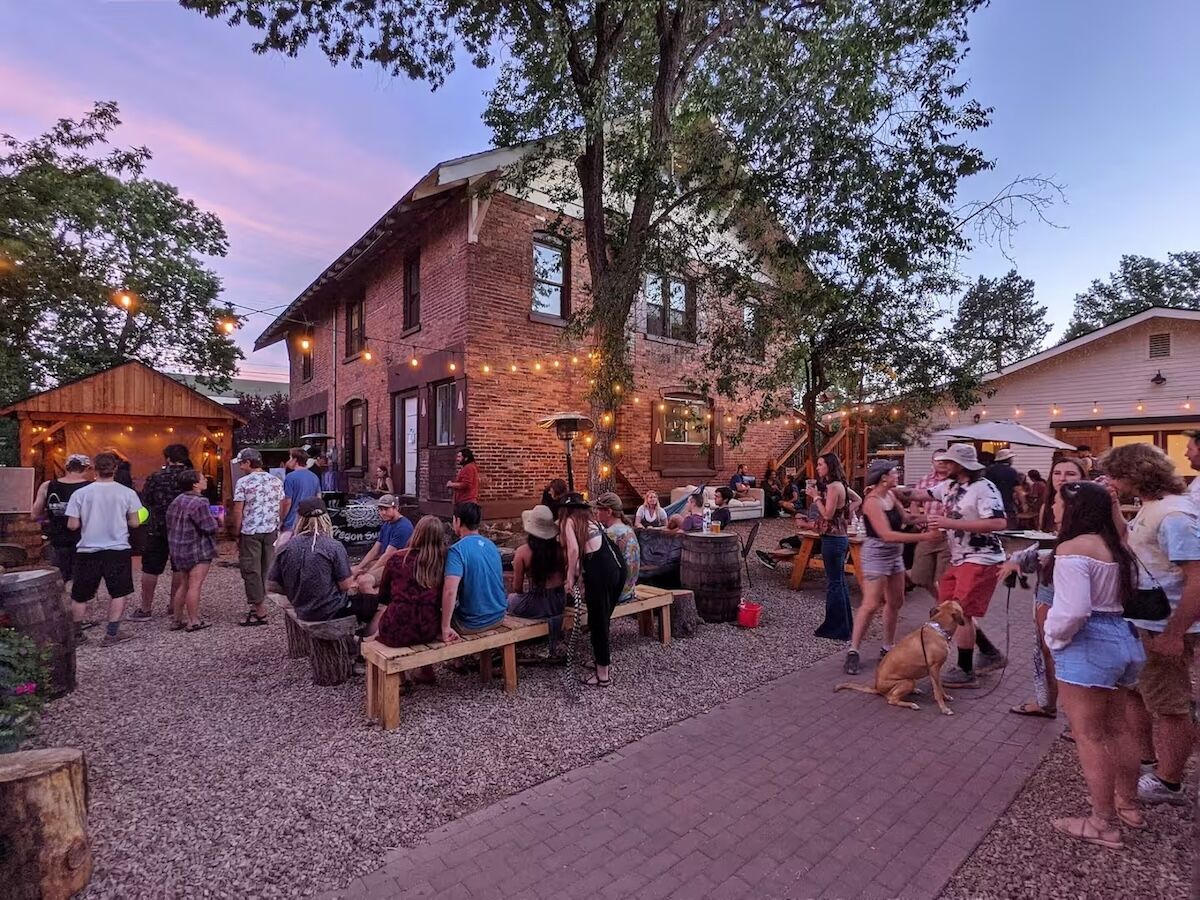
However, the modern "bed and brew" iteration differs from traditional taverns. Today’s properties are often retrofitted historical buildings that leverage the "sense of place" to attract visitors. In Albuquerque, the Painted Lady Bed & Brew operates out of a former brothel and saloon, dating back to a time when hospitality and spirits were intrinsically linked. By converting these spaces into boutique inns, owners are not only preserving local architecture but also creating a curated experience that connects guests to the history of the region.
The Economic Implications of Integrated Hospitality
The financial performance of these properties suggests that the model is sustainable. By attaching lodging to a revenue-generating brewery or pub, property owners diversify their income streams. A study on "agritourism" and niche hospitality suggests that when a business provides both lodging and an on-site experiential activity (such as a brewery tour or tasting), the average length of stay for guests increases by approximately 15 to 20 percent.
At locations like the SLO Brew Lofts in San Luis Obispo, California, the integration is seamless. By offering luxury lofts directly above an established, high-traffic brewpub, the property ensures a steady flow of foot traffic while providing guests with an immediate, frictionless entry into the local nightlife scene. This symbiotic relationship reduces marketing costs for the brewery while providing a premium, unique value proposition for the traveler.
Case Studies in Modern Beer-Centric Lodging
The Painted Lady Bed & Brew: Albuquerque, New Mexico
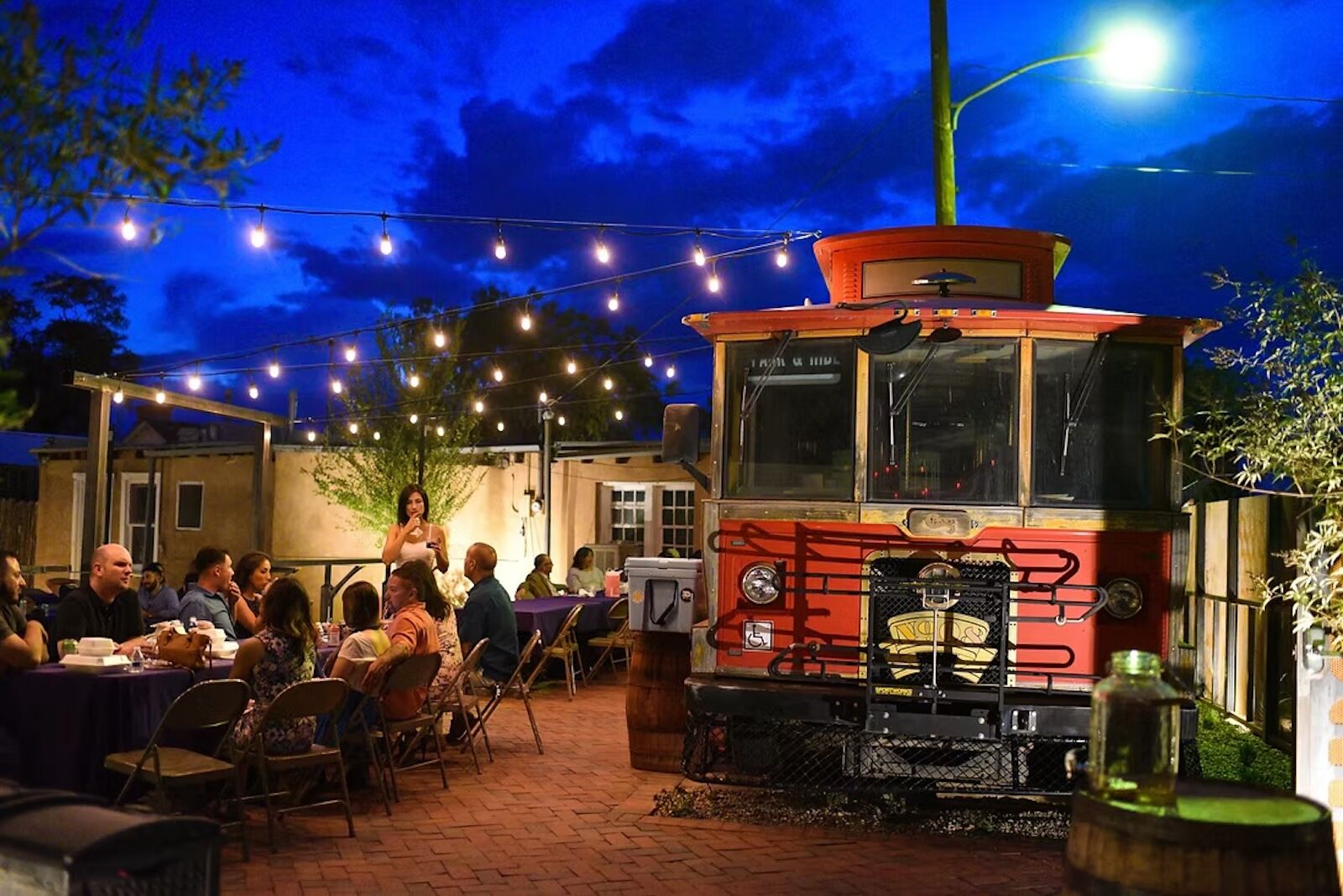
Located at 1100 Bellamah Ave NW, this establishment explicitly markets itself as an alternative to the standard breakfast-heavy hotel model. By replacing the traditional morning meal with a nightly craft beer, the inn caters to a demographic that values leisure and social interaction. The use of a converted vintage trolley car as a bar serves as a focal point for the property, fostering a communal environment. With rates starting at $199, the property utilizes its historical status and unique amenities—including private patios and kitchenette-equipped suites—to command premium pricing in a competitive market.
SLO Brew Lofts: San Luis Obispo, California
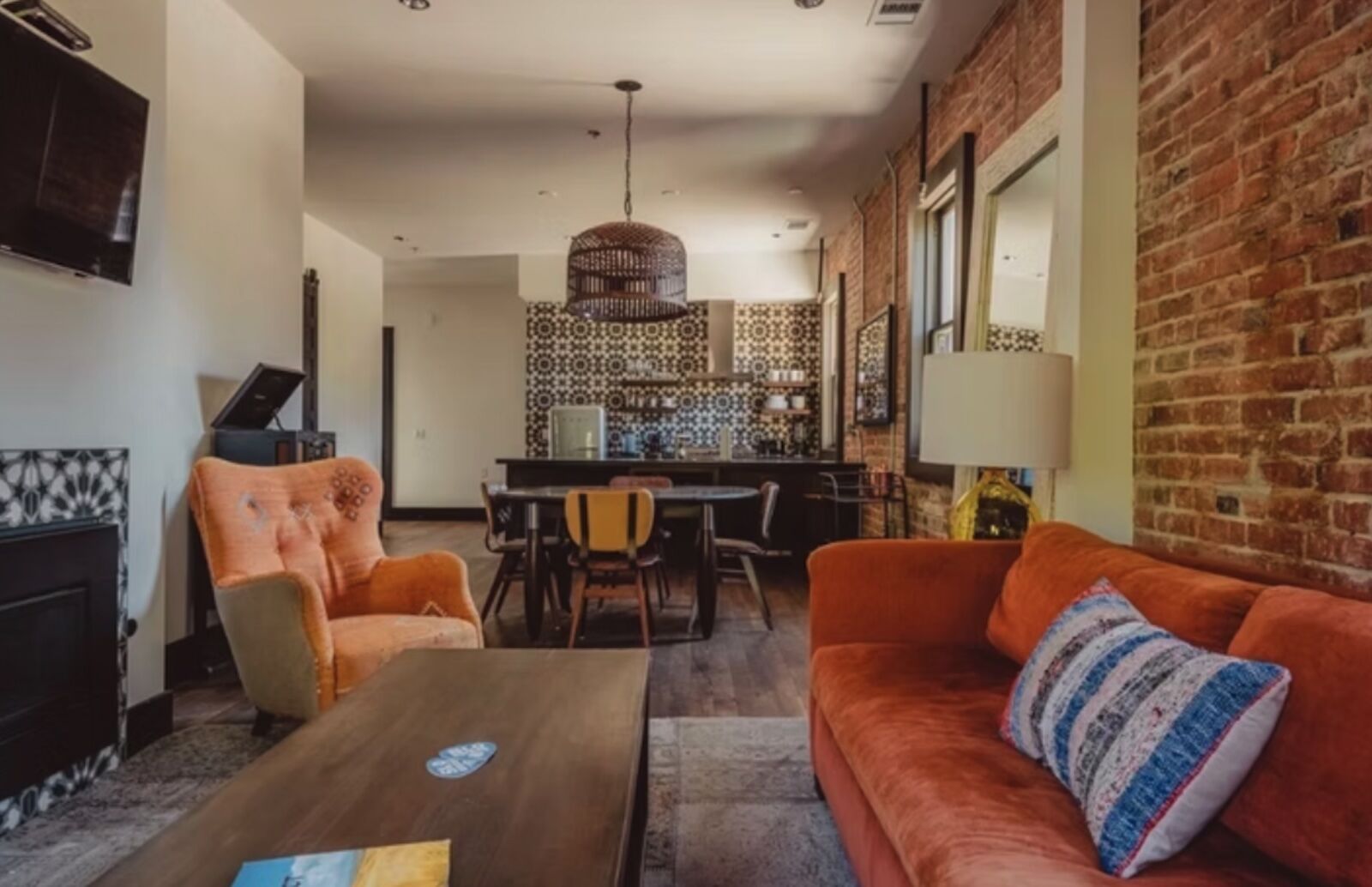
As one of the longest-standing brewpubs in California, SLO Brew has leveraged its brand equity to create five high-end rental apartments. The property is a masterclass in modern branding; the lofts are outfitted with high-end Smeg appliances and curated modern art. The business model here targets the "experience seeker." Given its downtown location, the property is a direct participant in the urban development of San Luis Obispo. However, it also highlights the realities of such stays: the proximity to nightlife, while a draw, requires operational considerations like noise mitigation for guests, as the local scene remains active until 2:00 AM.
Kinkaider Brewing Co.: Broken Bow, Nebraska
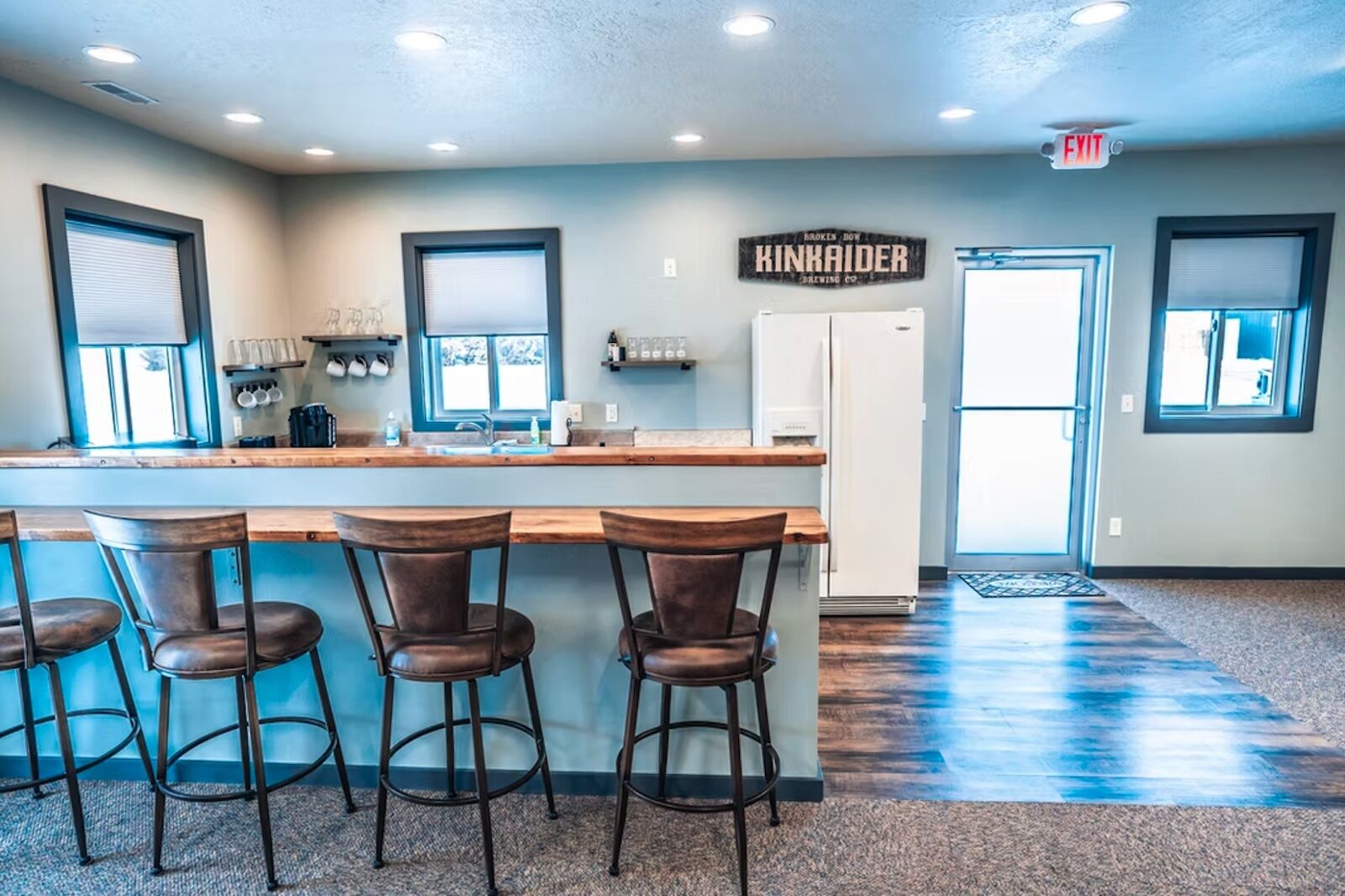
The Kinkaider model represents the "farm brewery" segment of the market. Located in the Sandhills of Nebraska, this property emphasizes a more rural, immersive experience. By offering an exclusive two-bedroom guesthouse that accommodates up to eight guests, the business taps into the group-travel and family-reunion market. The inclusion of a six-pack of beer in the shower fridge is a distinctive touch that illustrates how these properties use "surprise and delight" tactics to encourage repeat visits and social media engagement.
Bunk+Brew and Tudor Inn: Bend, Oregon
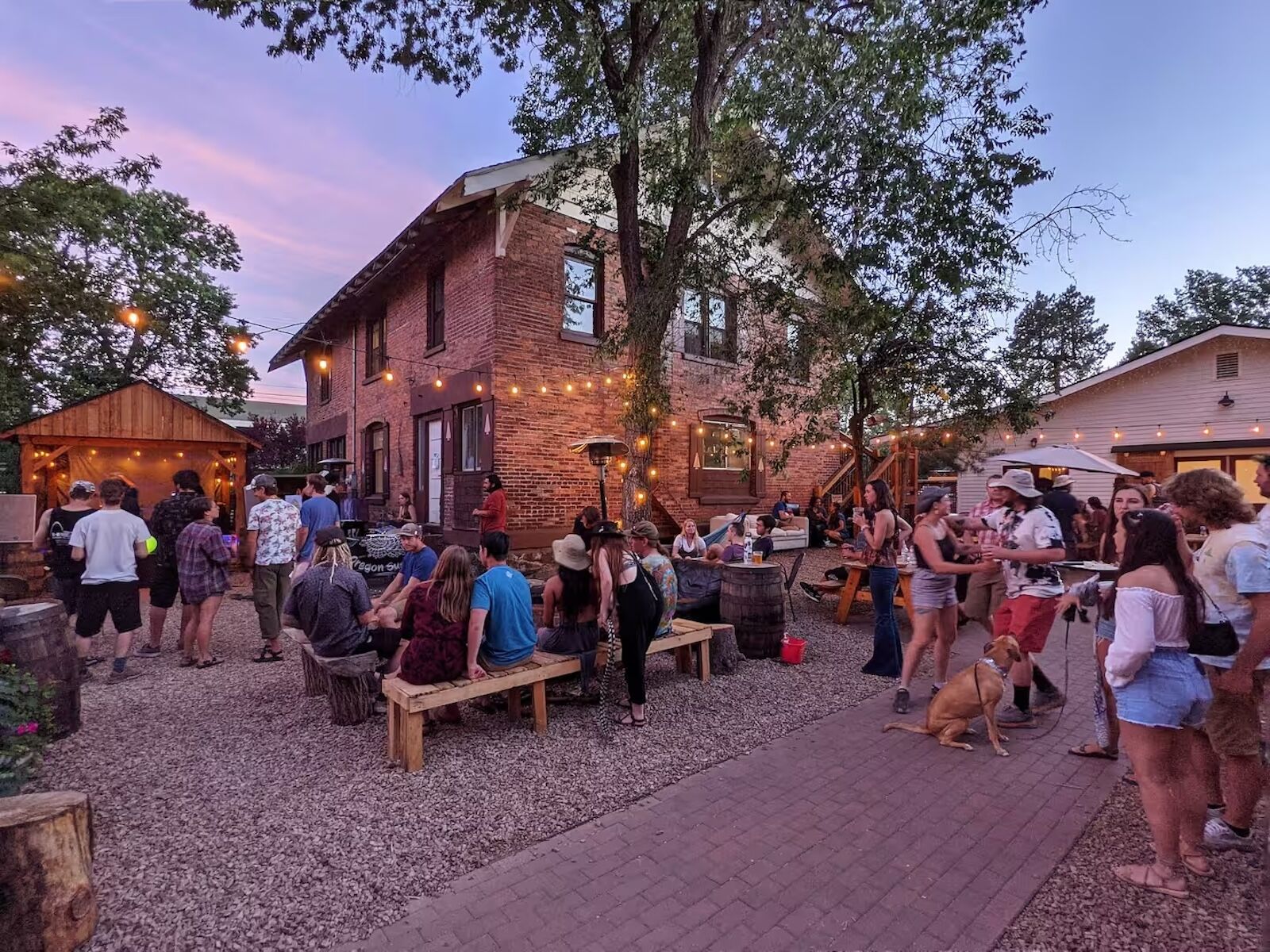
Bend has established itself as a premier destination for craft beer enthusiasts, boasting one of the highest concentrations of breweries per capita in the country. Bunk+Brew, located in the 1910 Lucas House, functions as a hybrid hostel that caters to a younger, more budget-conscious demographic. The property’s inclusion of a Finnish sauna and a food truck court, alongside its beer-centric perks, demonstrates how hostels are rebranding to compete with short-term rentals. Conversely, the Tudor Inn offers a more refined, quiet atmosphere, catering to travelers who want the beer-focused perks of Bend without the communal living aspect of a hostel.
Ison House Bed & Brew: Baker City, Oregon
The Ison House demonstrates the role of historical preservation in the bed and brew sector. Built in 1887 as a Victorian manor for Judge Luther B. Ison, the property now serves as a boutique inn perched above a pub. The ability to reserve an entire floor suggests that these properties are increasingly popular for small private events and weddings, providing a unique "home base" for guests who are also visiting for the local brewery scene.
Operational Challenges and Regulatory Landscape
While the "bed and brew" model appears ideal, it faces significant regulatory hurdles. Zoning laws in many municipalities are strictly divided between commercial food/beverage service and residential transient lodging. Achieving a seamless integration requires meticulous compliance with health codes, liquor licensing, and fire safety regulations.
Furthermore, the "bed and brew" must manage the expectations of two distinct audiences: the brewery patrons, who may be loud or transient, and the overnight guests, who require rest and privacy. Effective management of these properties requires a sophisticated approach to hospitality that is rarely found in standard hotel operations. Owners must act as both property managers and community event coordinators.
The Future of Experience-Based Lodging
Industry analysts anticipate that the "bed and brew" concept will continue to expand as travelers move away from generic chain hotels in favor of properties that offer a "local" narrative. The success of these establishments is largely tethered to the health of the broader craft beer industry. As the market for craft beer matures and potentially consolidates, the properties that thrive will be those that have successfully pivoted from being "just a brewery" to being a "lifestyle destination."
The impact of this trend on the hospitality industry is significant. It forces traditional hoteliers to consider how they might integrate local artisan products into their own offerings to remain relevant. Whether through partnerships with local craft producers or the development of internal, small-scale taprooms, the influence of the bed and brew movement is likely to reshape the landscape of boutique hospitality for the next decade.
As these rentals continue to operate with limited room counts, their exclusivity often drives higher occupancy rates and premium pricing. For the traveler, the value lies in the elimination of the "tourist experience" in favor of something that feels curated, local, and inherently social. As the industry evolves, one can expect to see more specialized lodging options—perhaps extending to wineries, distilleries, and cideries—following the trail blazed by the bed and brew pioneers.
Related posts: