Beyond the Horizon: The Shift in Polar Expedition Tourism and the Rise of Specialist Travel Curators

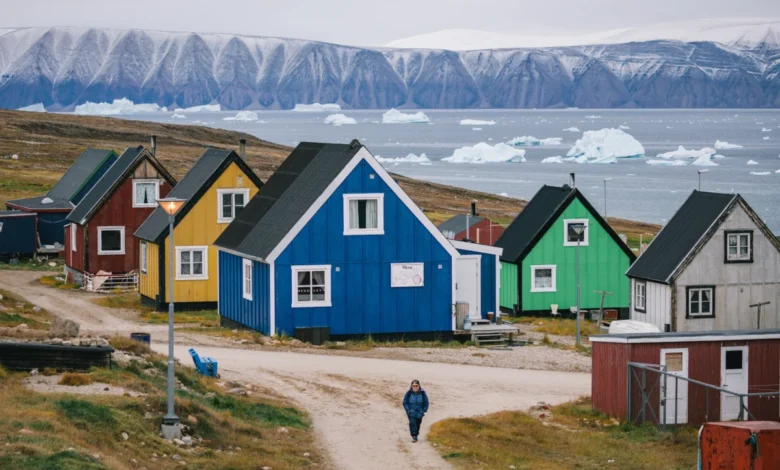
The landscape of modern travel journalism and expedition guiding is undergoing a quiet yet profound transformation, highlighted by the career evolution of prominent travel writers and polar guides who are transitioning from digital content creation to specialized expedition curation. As global interest in remote destinations surges, seasoned professionals who spend months navigating the high latitudes are pivoting toward roles that combine hands-on maritime navigation with personalized travel advisory services. This shift reflects a broader recalibration within the adventure travel sector, where travelers increasingly seek authentic, expert-led journeys to some of the planet’s most isolated regions.
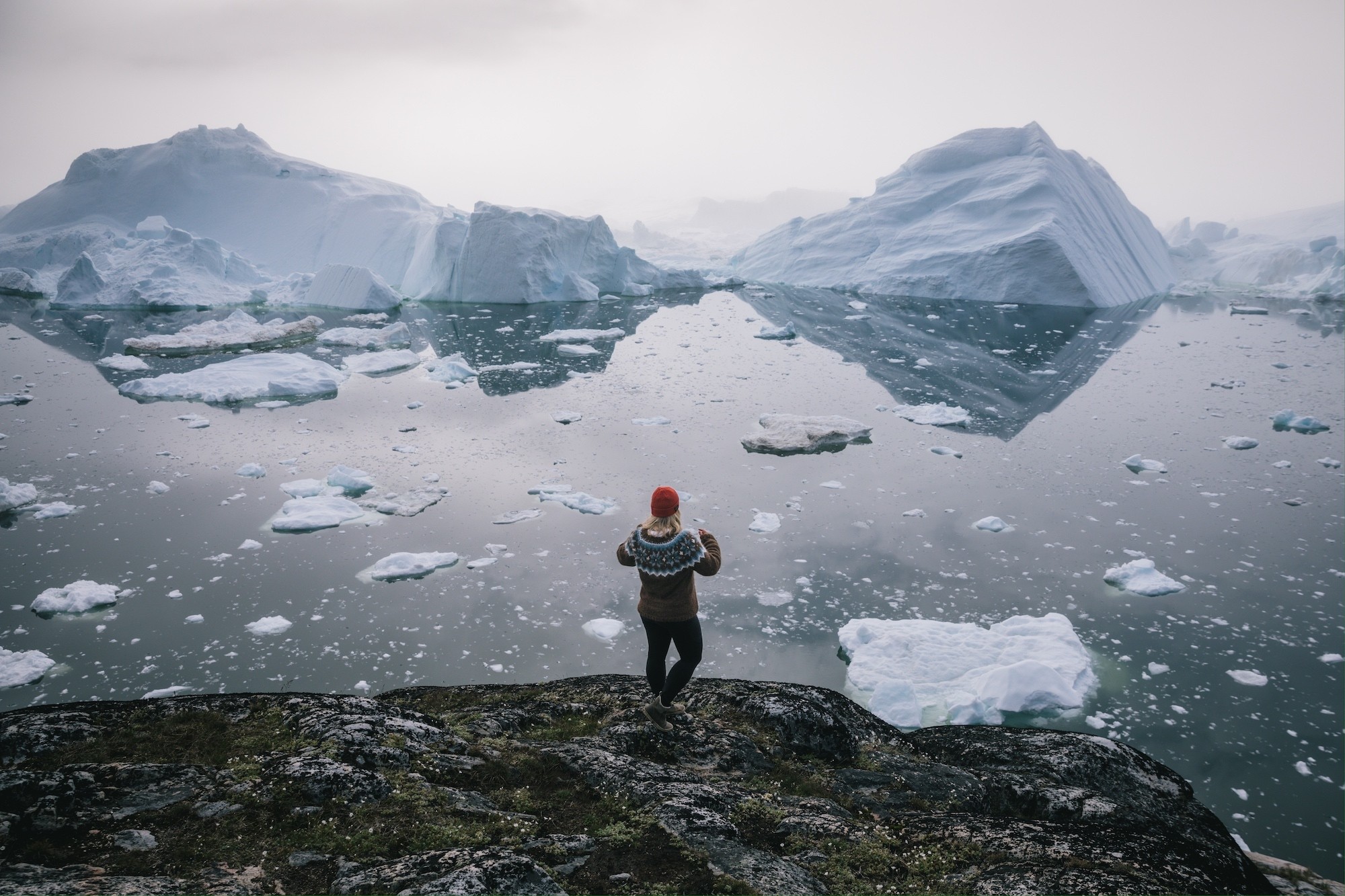
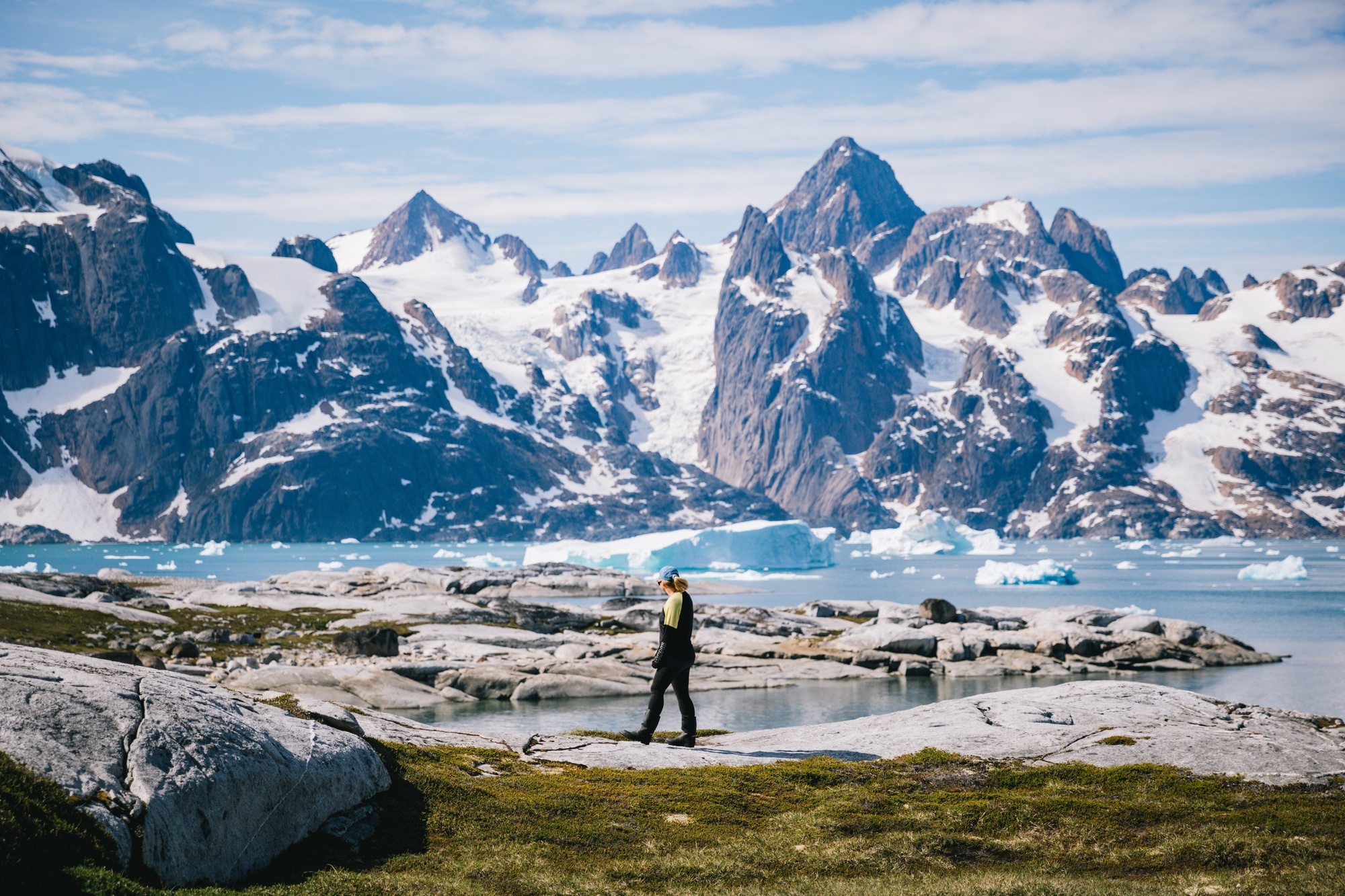
Polar travel, long considered the ultimate frontier for leisure and scientific exploration, presents unique logistical challenges. The Arctic and Antarctic remain virtually inaccessible for the majority of the calendar year, sealed off by impenetrable packs of multi-year sea ice. Efficient and safe access is restricted to specialized expedition vessels equipped with reinforced hulls, operating during a narrow window of summer months when the ice recedes sufficiently to allow maritime passage. Beyond ships, transportation in these extreme environments relies on specialized bush planes, rigid-hull inflatable boats (Zodiacs), and, during the winter months, snowmobiles. This inherent isolation has historically limited tourism to a privileged few, but demand for high-latitude voyages has grown exponentially over the past decade.
Background Context of Polar Tourism Growth
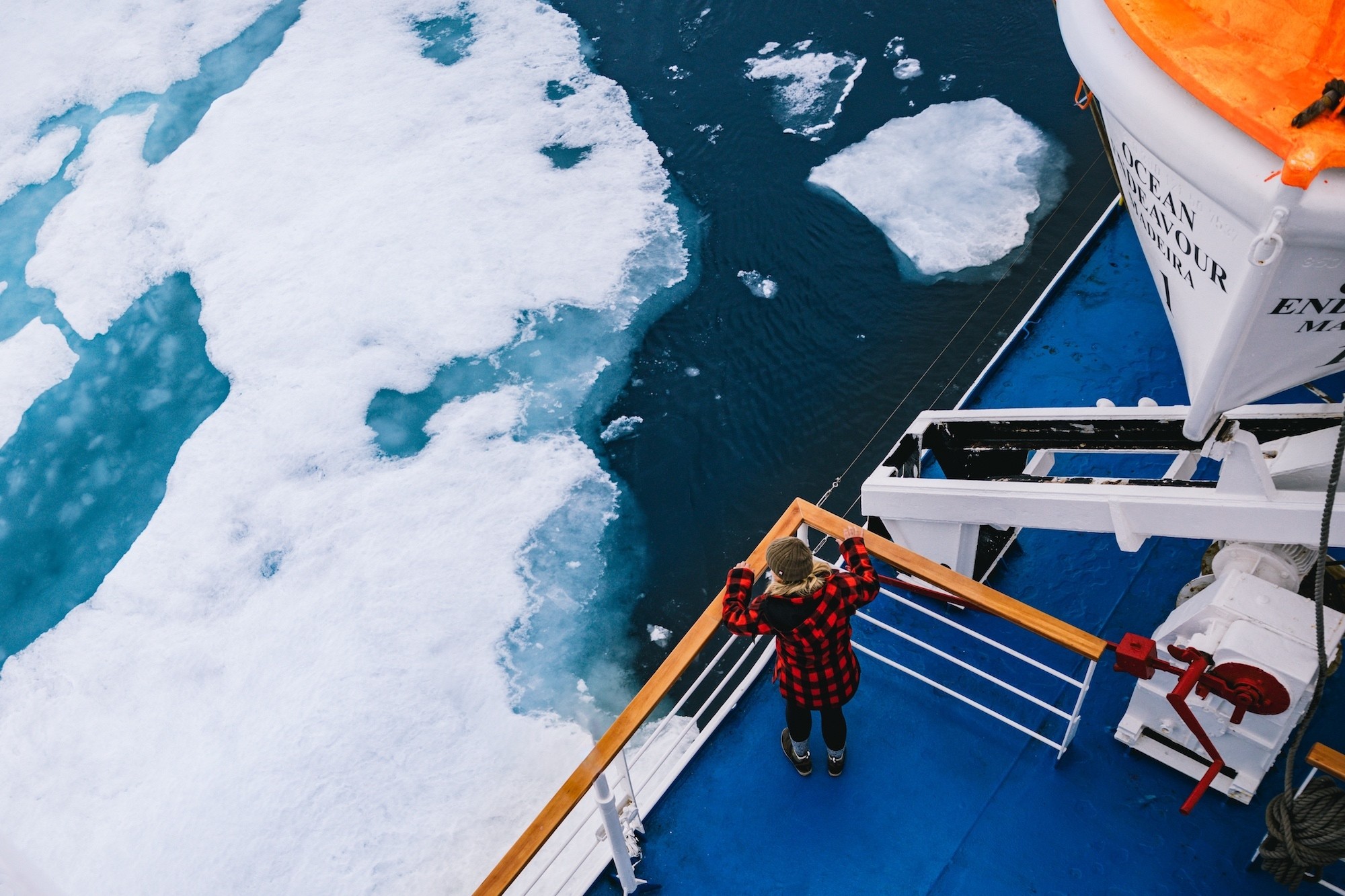
The modern era of polar tourism has its roots in the early scientific and commercial shipping routes of the 20th century, but it has accelerated dramatically in the 2020s. Following pandemic-related travel restrictions, the global tourism industry experienced a significant rebound, accompanied by a fundamental shift in consumer preferences. Travelers are increasingly prioritizing experiential, bucket-list journeys over conventional mass-market vacations. Destinations once reserved for researchers and hardened explorers—such as the high Canadian Arctic, Svalbard, and the coastlines of Greenland—have opened up to adventure-seeking travelers via specialized expedition cruise operators.
Companies such as Adventure Canada have capitalized on this demand by fostering a unique, community-oriented onboard model. Operating largely as family-run enterprises, these outfits emphasize continuity, employing veteran expedition guides, marine biologists, historians, and cultural interpreters who return season after season. This high retention rate among staff creates a distinctive atmosphere that contrasts sharply with mainstream commercial cruising, cultivating remarkable passenger loyalty—data from various polar operators indicates that return passenger rates on specialized expedition ships frequently exceed 40 to 50 percent.
Chronology of Industry Evolution and the Influencer Pivot
The transition of digital content creators into formal expedition guides and travel curators marks a notable maturation of the travel blogging industry, which originated in the early 2000s. For nearly two decades, travel writers relied primarily on ad revenue, sponsored content, and brand partnerships to monetize their digital footprints. However, the economic volatility of the post-pandemic media landscape, coupled with industry-wide saturation and the pressures of maintaining a constant digital presence, prompted many long-standing creators to seek more sustainable, offline professional avenues.
By integrating field-based guiding with direct trip curation, professionals are redefining their economic models. Rather than relying solely on passive advertising, these specialists now operate similarly to bespoke travel advisors. By partnering directly with established expedition lines, they facilitate bookings for clients seeking expert guidance, earning referral commissions while simultaneously serving as onboard staff. This hands-on approach bridges the gap between digital inspiration and physical execution, ensuring that travelers receive vetted, highly informed advice from individuals with firsthand operational experience in polar waters.
Operational Realities and Ecosystem Dynamics

Operating in the Arctic and Antarctic requires rigorous physical endurance, extensive nautical knowledge, and strict adherence to environmental regulations. Expedition guides routinely manage complex logistics, including piloting Zodiac boats through fields of icebergs, monitoring wildlife movements from the ship’s bridge, and educating passengers on local indigenous cultures and fragile polar ecosystems.
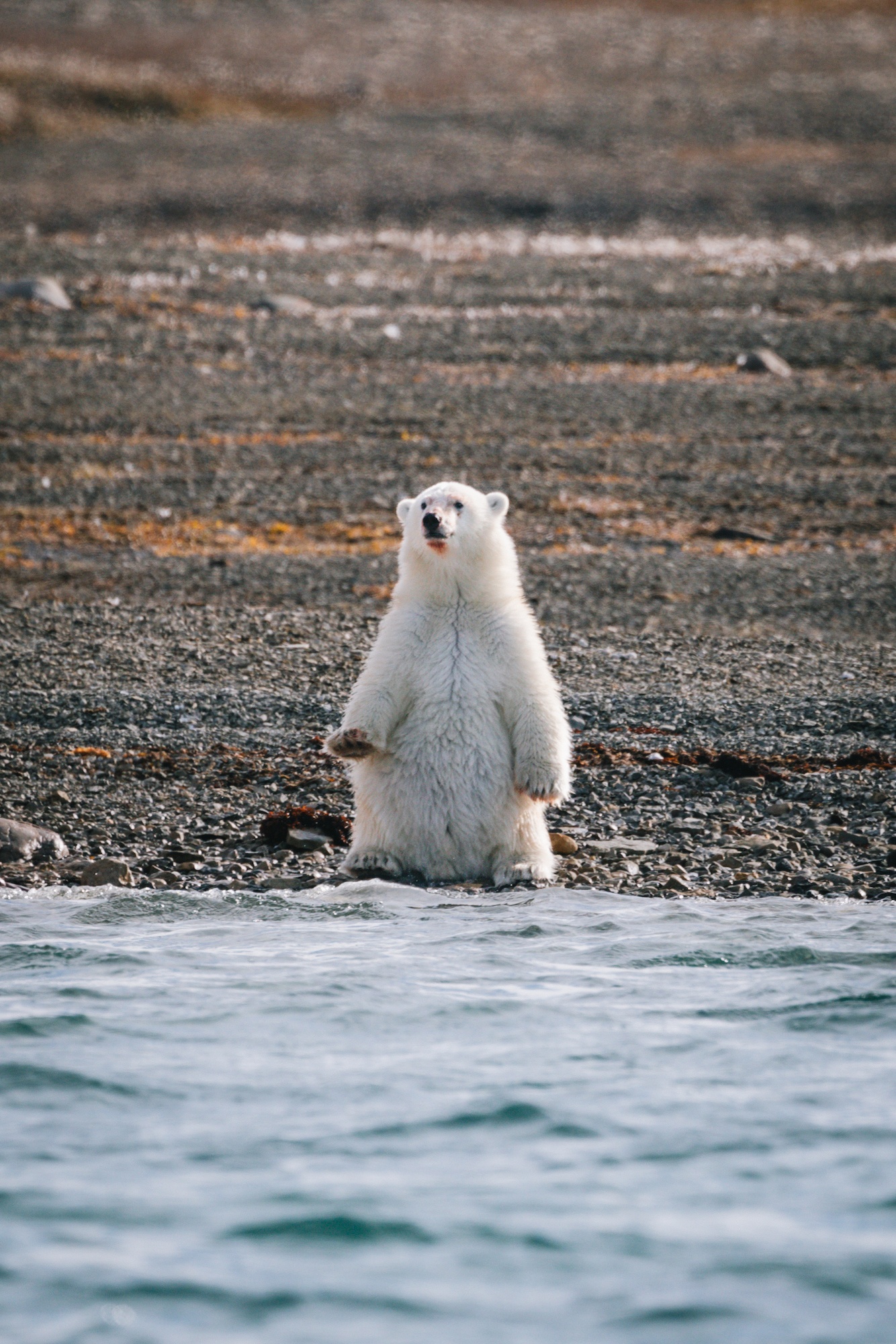
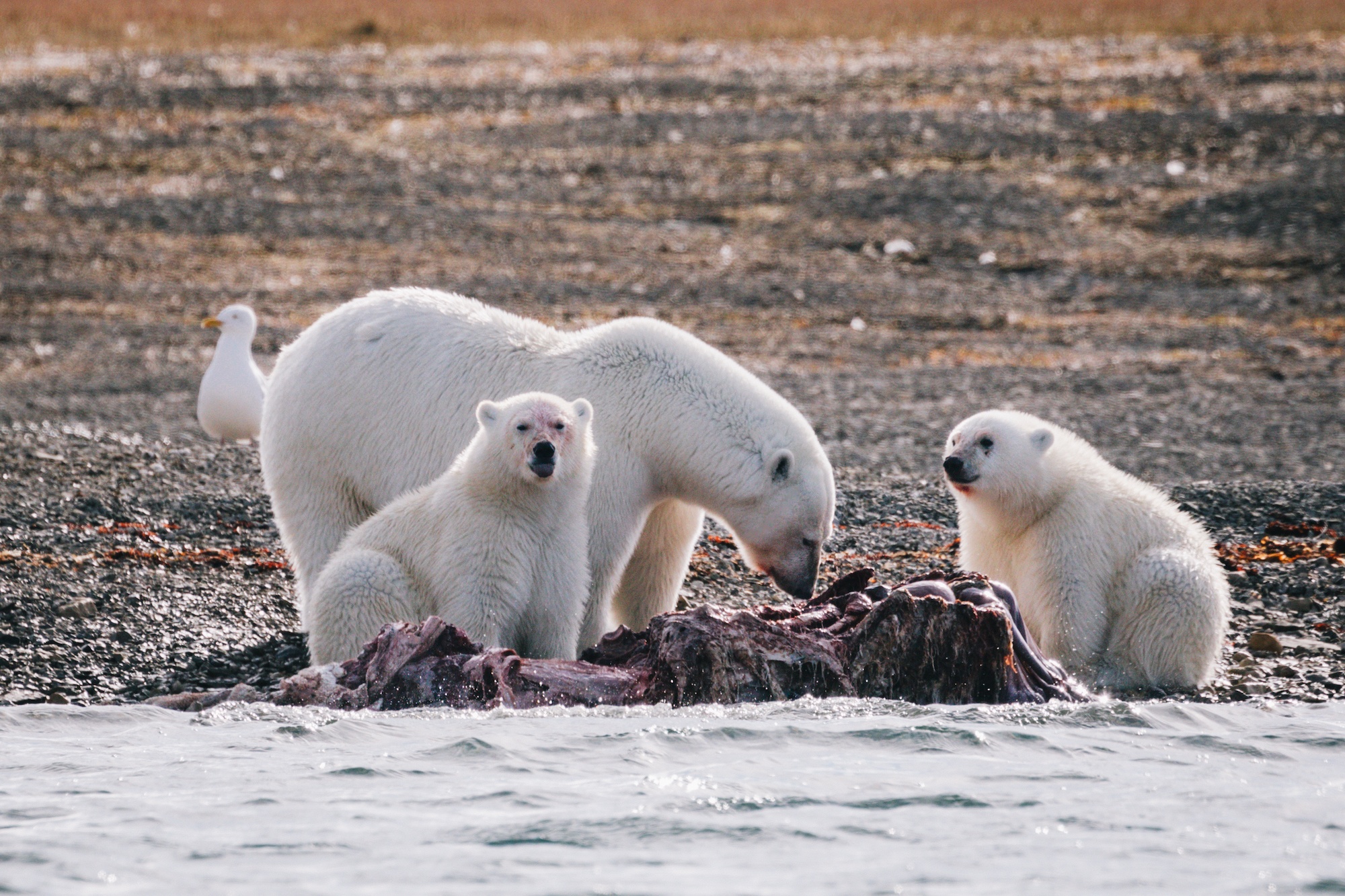
Wildlife encounters in these regions are strictly regulated by international bodies such as the International Association of Antarctica Tour Operators (IAATO) and the Association of Arctic Expedition Cruise Operators (AECO). These organizations enforce stringent guidelines regarding minimum approach distances for marine mammals and polar bears, waste management, and sustainable passenger footprint limits. Despite these restrictions, sightings of apex predators, cetaceans, and migratory birds remain a defining characteristic of polar voyages. Naturalist logs from recent Arctic seasons frequently document dozens of polar bear sightings, intricate marine mammal feeding behaviors, and historical site visits that trace the routes of early explorers like Sir John Franklin.
Statements and Industry Implications
While formal corporate statements from independent expedition curators are rarely issued as press releases, industry analysts note that the integration of expert-led referral networks benefits both consumers and operators. For operators, partnering with trusted polar guides reduces marketing acquisition costs and ensures a knowledgeable, pre-vetted passenger demographic. For consumers, booking through a specialist who actively works on the vessels minimizes logistical friction and provides realistic expectations regarding the unpredictable nature of polar weather and ice conditions.
Industry observers also point to the conservation implications of specialized polar travel. Environmental psychologists and tourism researchers have long argued that firsthand exposure to rapidly changing polar environments fosters a profound sense of environmental stewardship. Travelers who witness retreating glaciers, shifting sea ice patterns, and vibrant northern ecosystems frequently return home as informal ambassadors for climate advocacy and polar conservation. This psychological shift is viewed by conservationists as a vital component in building broader public support for global environmental policies.
Broader Economic and Environmental Impact
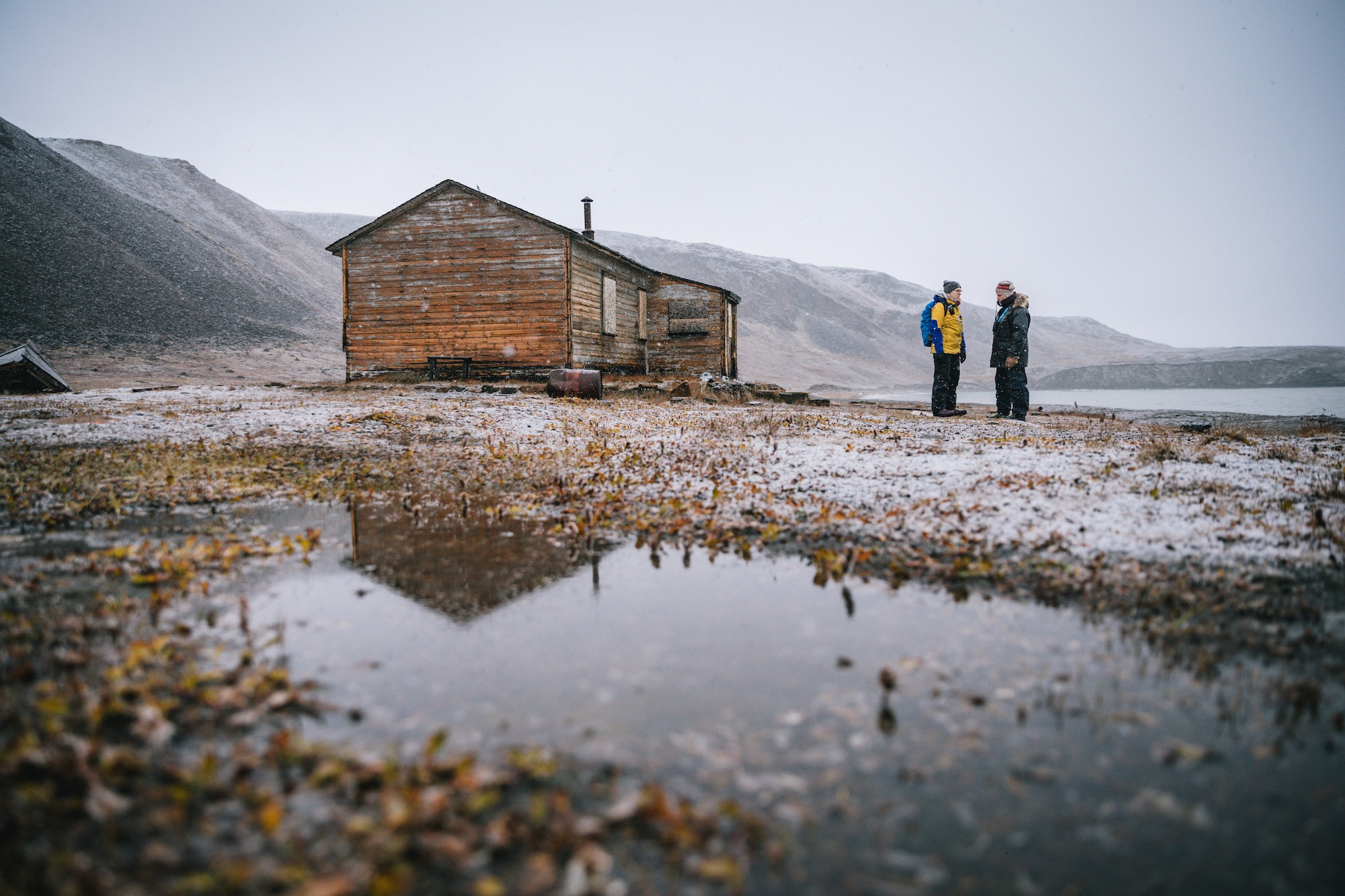
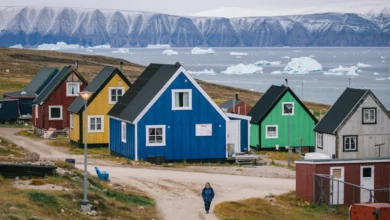
The financial mechanics of specialized polar travel play a crucial role in supporting remote northern communities. In regions spanning Nunavut, Greenland, and coastal Newfoundland, expedition cruise tourism provides essential economic input. Local artisans, performers, and community leaders often engage directly with visiting ships, selling traditional crafts—such as intricate Inuit carvings—and sharing cultural heritage directly with travelers. This community-based tourism model aims to ensure that the economic benefits of polar expeditions are shared equitably with the indigenous populations who have inhabited these harsh latitudes for millennia.
At the same time, the influx of tourism into fragile northern ecosystems necessitates continuous environmental monitoring. Operators are increasingly adopting hybrid propulsion technologies, low-sulfur marine fuels, and strict garbage-zero policies to mitigate their carbon footprints. Regulatory bodies continue to update safety and environmental protocols in response to changing climatic conditions, ensuring that maritime traffic in the Northwest Passage and surrounding polar waters remains sustainable.
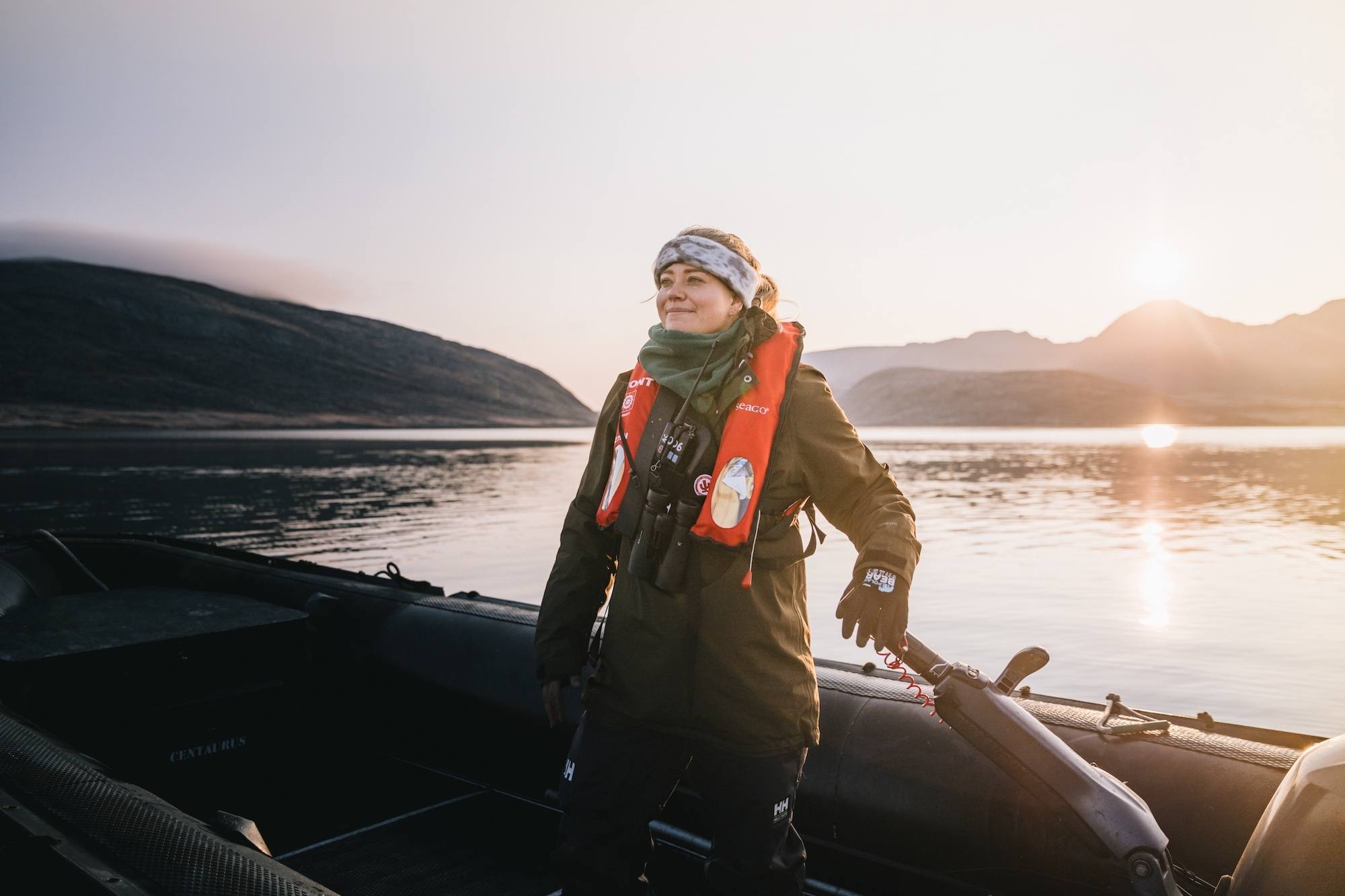
As the adventure travel sector continues to mature, the convergence of digital storytelling, professional expedition guiding, and personalized travel curation is expected to expand. For travelers drawn to the stark beauty, profound isolation, and rich wildlife of the high latitudes, consulting with specialized guides offers a reliable pathway into regions that remain among the most dynamic and protected on Earth.