Beyond the Gates of Hercules: A Comprehensive Guide to Expanding Your Moroccan Itinerary into Neighboring Territories

The geographical positioning of Morocco serves as a critical bridge between the African continent and Europe, yet many international travelers treat the nation as a solitary destination. Situated at the crossroads of the Atlantic Ocean and the Mediterranean Sea, Morocco offers a unique logistical opportunity to extend travel routes into the Iberian Peninsula, the Canary Islands, the British Overseas Territory of Gibraltar, and the Saharan regions of the south. Understanding the complexities of these border crossings requires a nuanced grasp of maritime schedules, visa regulations, and the geopolitical realities that govern North African transit.
The Strategic Maritime Corridor: Morocco and Spain
The Strait of Gibraltar, a narrow waterway spanning approximately 14 kilometers at its most constricted point, remains one of the world’s most traversed maritime boundaries. For centuries, this corridor has facilitated the movement of goods, culture, and people. Today, the connection between Morocco and Spain is characterized by high-frequency ferry operations and an established aviation network that allows for seamless multi-country transit.
From a regulatory standpoint, the European Union’s Schengen Area rules apply to arrivals in Spain. Most travelers from the United States, Canada, the United Kingdom, and the European Union are permitted entry for up to 90 days within a 180-day period without a visa. Passport validity must extend at least six months beyond the date of entry.

Ferry operators such as FRS, Balearia, and Trasmediterranea manage the bulk of this traffic. Key routes include the Tangier Med to Algeciras passage, which typically takes between 60 and 90 minutes, and the Tarifa to Tangier Ville route, a high-speed crossing favored by foot passengers. Data from the Spanish Port Authorities indicates that millions of passengers transit these routes annually, with peak volumes occurring during the summer months and the annual Operation Marhaba, a state-coordinated effort to facilitate the passage of Moroccan expatriates returning from Europe.
The Geopolitical Enclaves: Ceuta and Melilla
A unique feature of the Morocco-Spain border is the presence of the autonomous cities of Ceuta and Melilla. These Spanish territories on the North African coast represent the only land borders between the African continent and the European Union. Because these cities are sovereign Spanish soil, they are subject to EU border control protocols.
Historically, these cities have served as vital commercial hubs. However, they are also sites of complex migration management. Travelers intending to cross from Morocco into these cities should anticipate rigorous customs inspections. It is essential to note that a standard Schengen visa is required for those who hold passports from countries that do not enjoy visa-free status with the EU. The crossing experience is distinctly European, characterized by formal immigration checkpoints that contrast sharply with the surrounding Moroccan landscape.
Island Connections: The Canary Archipelago
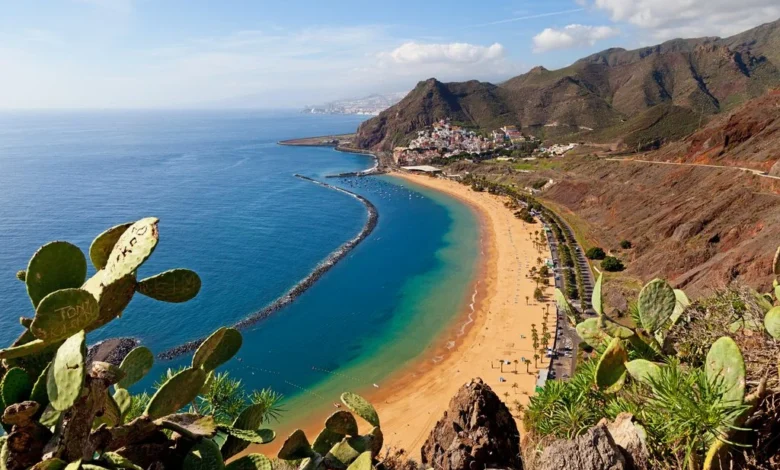
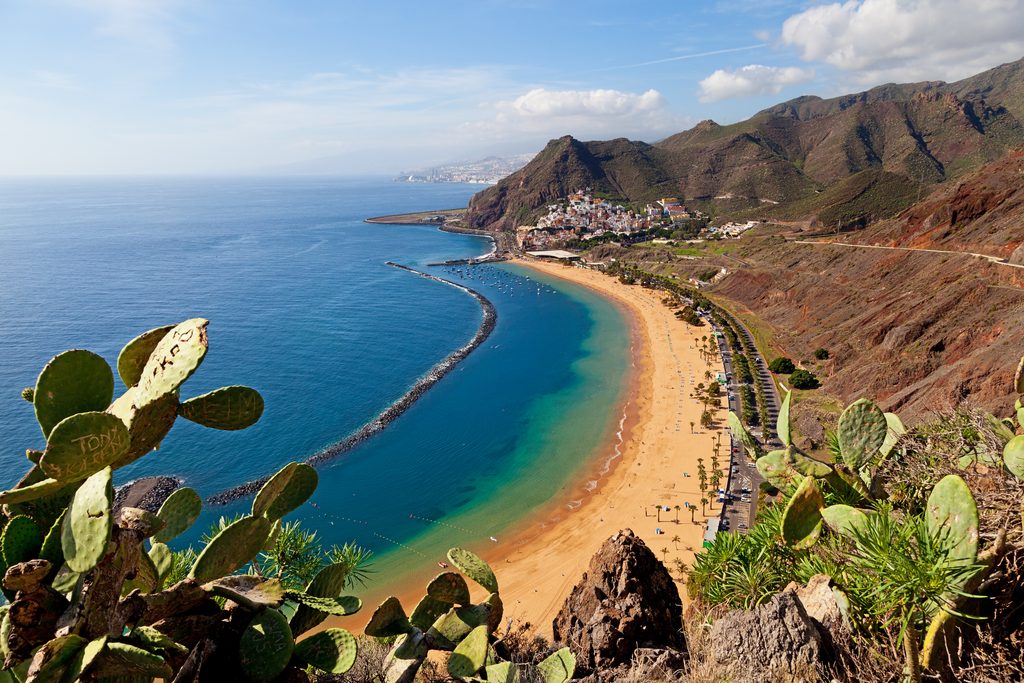
The Canary Islands, located approximately 100 kilometers off the southern coast of Morocco, offer a natural geographical extension for travelers. While the islands are an autonomous community of Spain, their proximity to the African mainland makes them an accessible destination via short-haul flights.

Major carriers provide consistent links between Casablanca, Marrakech, and hubs like Las Palmas or Tenerife. For the traveler, the transition from the arid, high-altitude landscapes of the Atlas Mountains to the volcanic, subtropical environment of the Canary Islands provides a significant ecological contrast. The tourism infrastructure in the islands is highly developed, adhering to EU standards, which provides a familiar layer of comfort for those accustomed to international travel, while still retaining the unique influence of Spanish and Guanche heritage.
The Strategic Value of Gibraltar
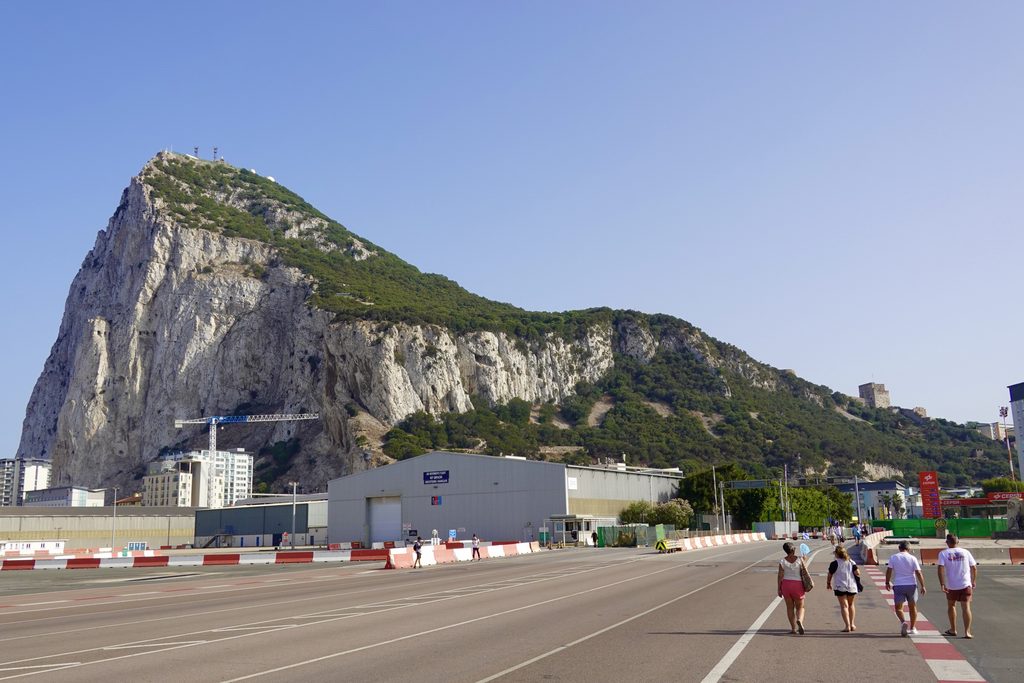
Positioned at the tip of the Iberian Peninsula, the British Overseas Territory of Gibraltar remains a focal point of regional history. Accessing the territory from Morocco usually involves a ferry to Spain followed by a transit across the land border at La Línea de la Concepción.
Gibraltar’s status as a British territory presents a distinct regulatory environment. While it is not part of the Schengen Area, it maintains specific entry requirements that often mirror those of the United Kingdom. Visitors are advised to monitor the status of the border, as political negotiations regarding the post-Brexit status of Gibraltar continue to evolve. The territory’s economy is largely driven by financial services, tourism, and its status as a port of call for cruise ships, making it an efficient, albeit culturally distinct, addition to a Mediterranean itinerary.
The Saharan Frontier and the Mauritanian Route
Venturing south of the Moroccan border into the Western Sahara represents a transition into one of the world’s most remote regions. The territory is largely administered by Morocco, and the coastal city of Dakhla has emerged as a global destination for kitesurfing and desert tourism.
Travelers moving beyond the Moroccan border into Mauritania face a significant shift in environmental and logistical conditions. The border crossing at Guerguerat is the primary, and often only, point of entry for those traveling by land. This route is not recommended for casual travelers; it requires rigorous vehicle preparation, sufficient water and fuel supplies, and a deep understanding of the desert’s climate.
Furthermore, the security environment in the broader Sahel region is fluid. Diplomatic advisories from various international agencies frequently urge caution due to the risk of civil unrest and the challenges of law enforcement in sparsely populated, remote desert zones. Travelers are strongly advised to register with their respective embassies before embarking on any overland expedition toward the Mauritanian border.
Regional Constraints: The Morocco-Algeria Border
A crucial aspect of regional planning is the recognition of the long-standing closure of the land border between Morocco and Algeria. The border has remained shut since 1994, following a period of heightened diplomatic tension. Consequently, there is no direct overland or air link between the two nations.
For travelers attempting to visit both, the standard protocol is to utilize a third-country hub, such as Tunis, Paris, or Madrid. This logistical hurdle is a constant in the region’s travel landscape, serving as a reminder of the geopolitical complexities that underpin North African relations. Efforts to resolve these tensions have been intermittent, but for the foreseeable future, direct transit remains an impossibility.
Implications for Future Travel
The ability to traverse these diverse territories—from the European-influenced ports of the Mediterranean to the vast, silent dunes of the Sahara—highlights the layered history of the region. For the contemporary traveler, the ease of movement between these borders is a testament to the infrastructure investments made by Morocco and its neighbors to integrate their economies.
However, the ease of movement should not be mistaken for a lack of complexity. Each border crossing, whether by ferry or by land, carries its own set of requirements. The shift from the digital-heavy, fast-paced atmosphere of a modern European city to the deliberate, time-tested rhythms of a Saharan caravan town requires a high degree of cultural agility.
In conclusion, extending a Moroccan itinerary is not merely a matter of convenience; it is an exercise in experiencing the transition between disparate worlds. As the Mediterranean Basin continues to evolve, the routes connecting Morocco to its neighbors will likely remain central to the region’s development. For those prepared to navigate the logistical requirements, the reward is an unparalleled perspective on a region that serves as a cornerstone of human history and cultural exchange. Travelers are encouraged to prioritize safety, remain updated on local diplomatic advisories, and approach these crossings with the respect due to the unique administrative and cultural boundaries they represent.