The annual transformation of New England’s landscape into a vibrant mosaic of crimson, gold, and burnt orange is one of the most significant seasonal tourism events in the United States. Each autumn, millions of travelers descend upon the six-state region to witness the deciduous forest canopy change color, a phenomenon driven by declining daylight hours and cooling temperatures. While peak conditions vary annually based on climatic factors, a strategic seven-day itinerary allows visitors to maximize their exposure to the changing foliage while experiencing the cultural and historical landmarks that define the region.
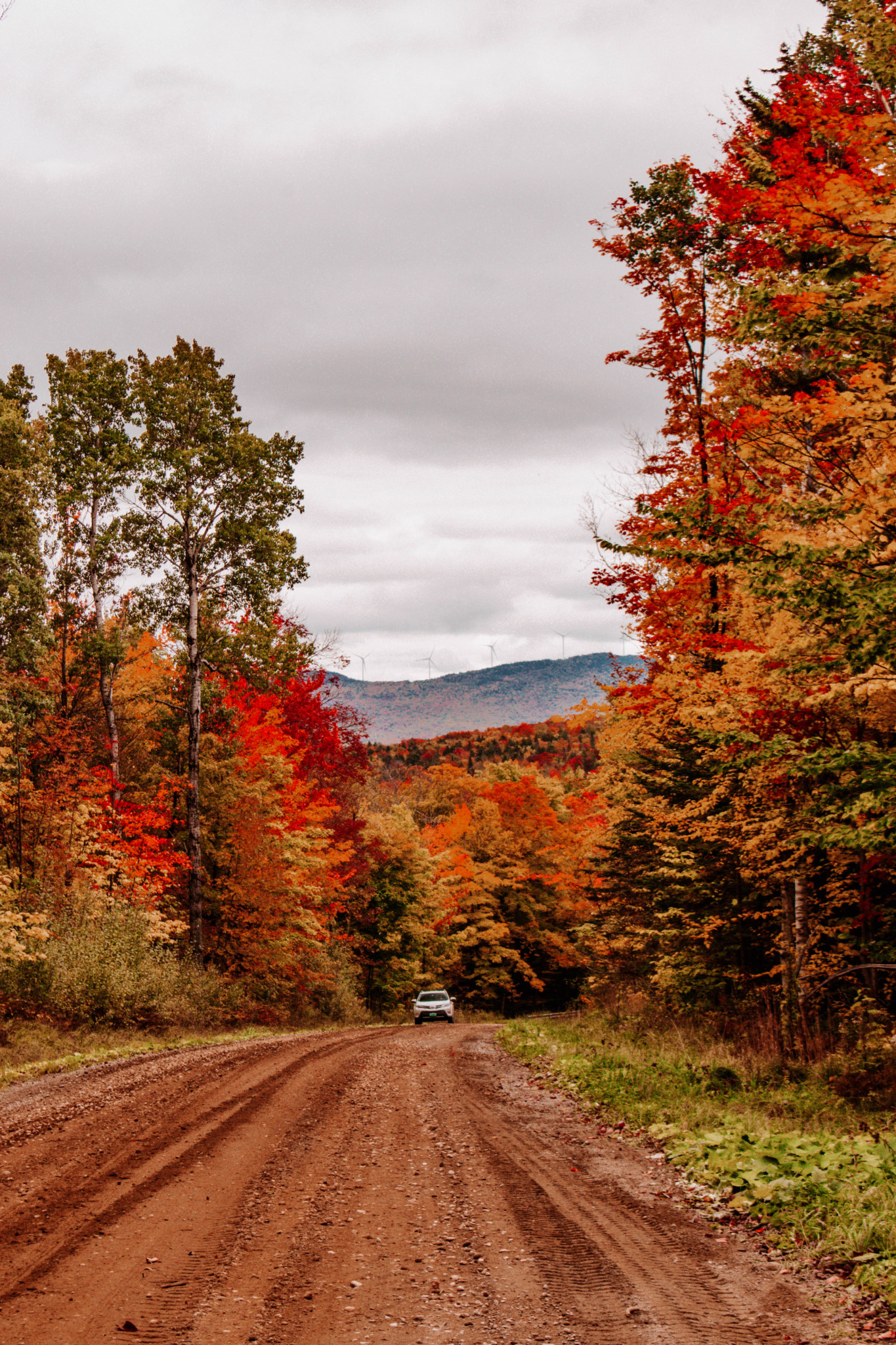
The timing of peak foliage—the period when colors are most vibrant—is notoriously difficult to predict, as it depends on a complex interplay of environmental variables. According to forestry experts, weather patterns throughout the summer, including drought and rainfall levels, influence the intensity and duration of the color display. Generally, northern areas like the White Mountains of New Hampshire and Northern Vermont reach their peak earlier in the season, typically in late September to early October, while southern regions in Connecticut and Rhode Island follow in mid-to-late October.
Strategic Planning and Geographic Overview
For travelers arriving by air, Boston, Massachusetts, remains the primary logistical hub due to its accessibility and rental car infrastructure. While the city itself offers historical significance, the objective of a dedicated foliage excursion is often the rural interior. A recommended seven-day progression moves from the metropolitan center of Massachusetts northward into the mountainous terrain of New Hampshire and Vermont, where the elevation creates a more dramatic shift in vegetation.
Data from state tourism boards consistently indicates that the White Mountains and the Green Mountains provide the most consistent viewing opportunities. For those looking to optimize their travel, monitoring real-time reports from state-run foliage trackers is essential. These resources provide up-to-date data on canopy saturation, allowing travelers to pivot their routes based on actual conditions rather than fixed schedules.
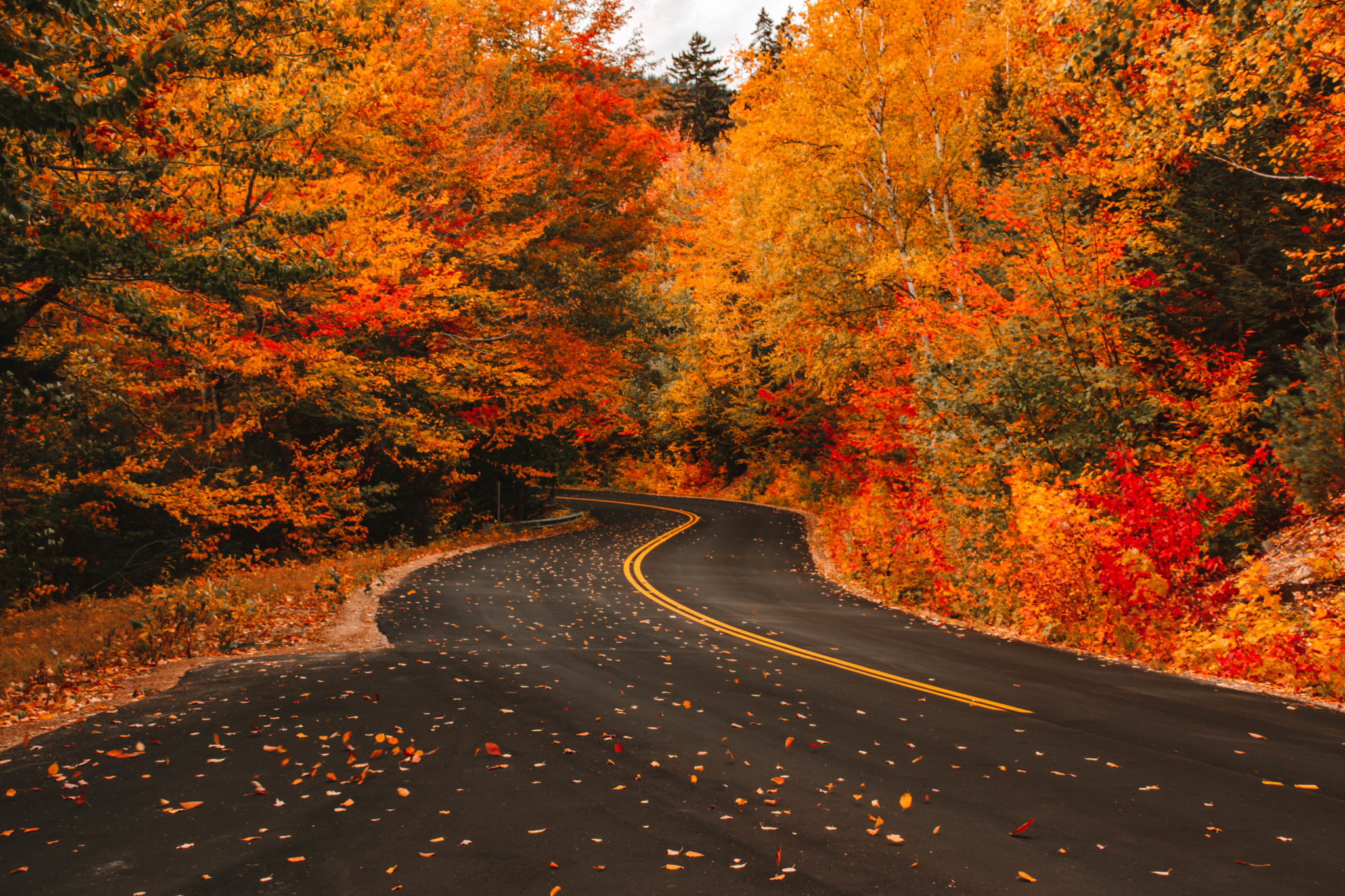
Phase 1: The New Hampshire Highlands (Days 1–3)
The journey begins with a departure from Boston, heading north toward the White Mountains. This route offers an immediate transition from urban architecture to the dense forests of the North Country. Portsmouth, New Hampshire, serves as an ideal intermediary stop, providing historical context through its maritime heritage and 17th-century architecture.
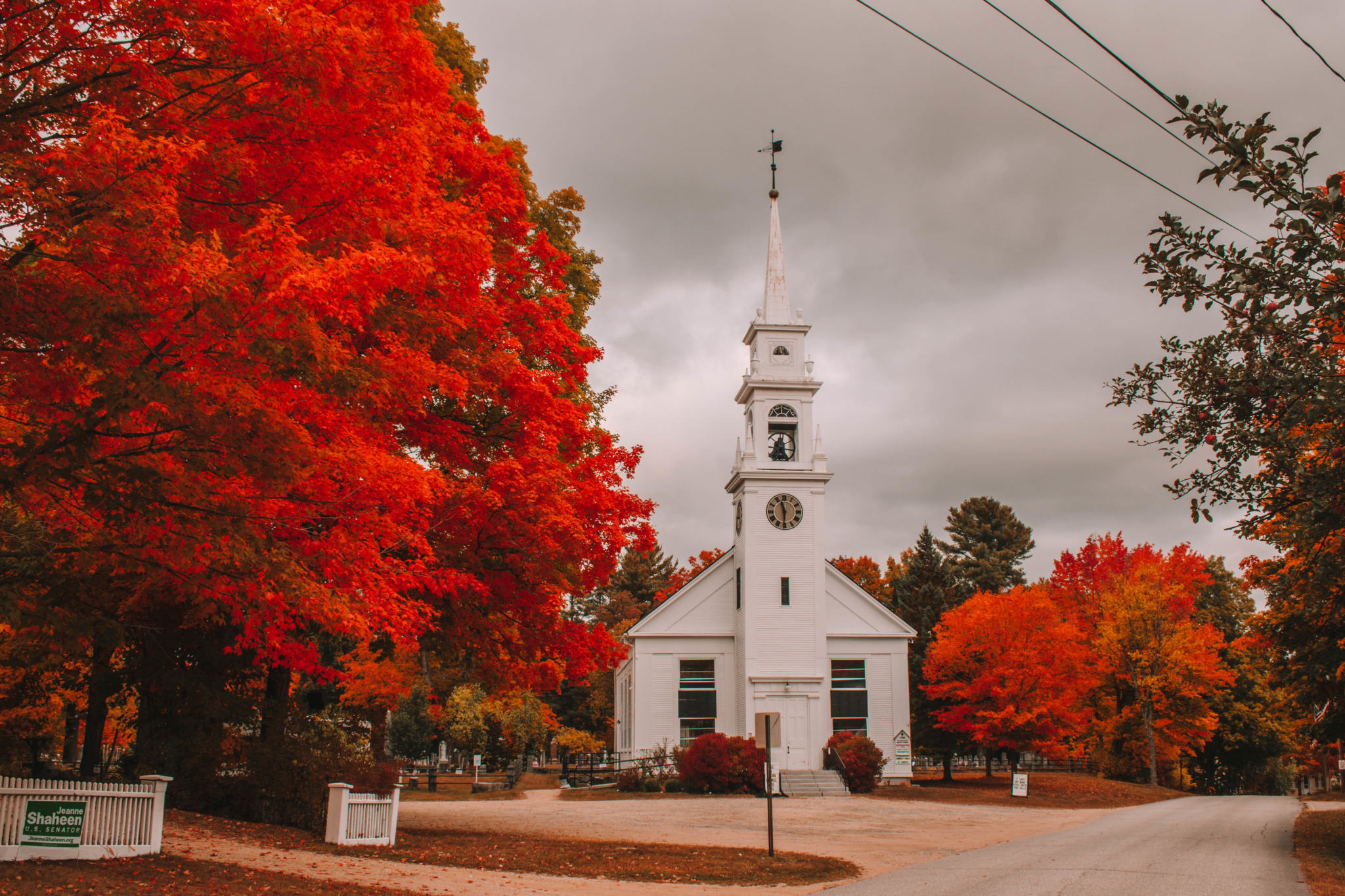
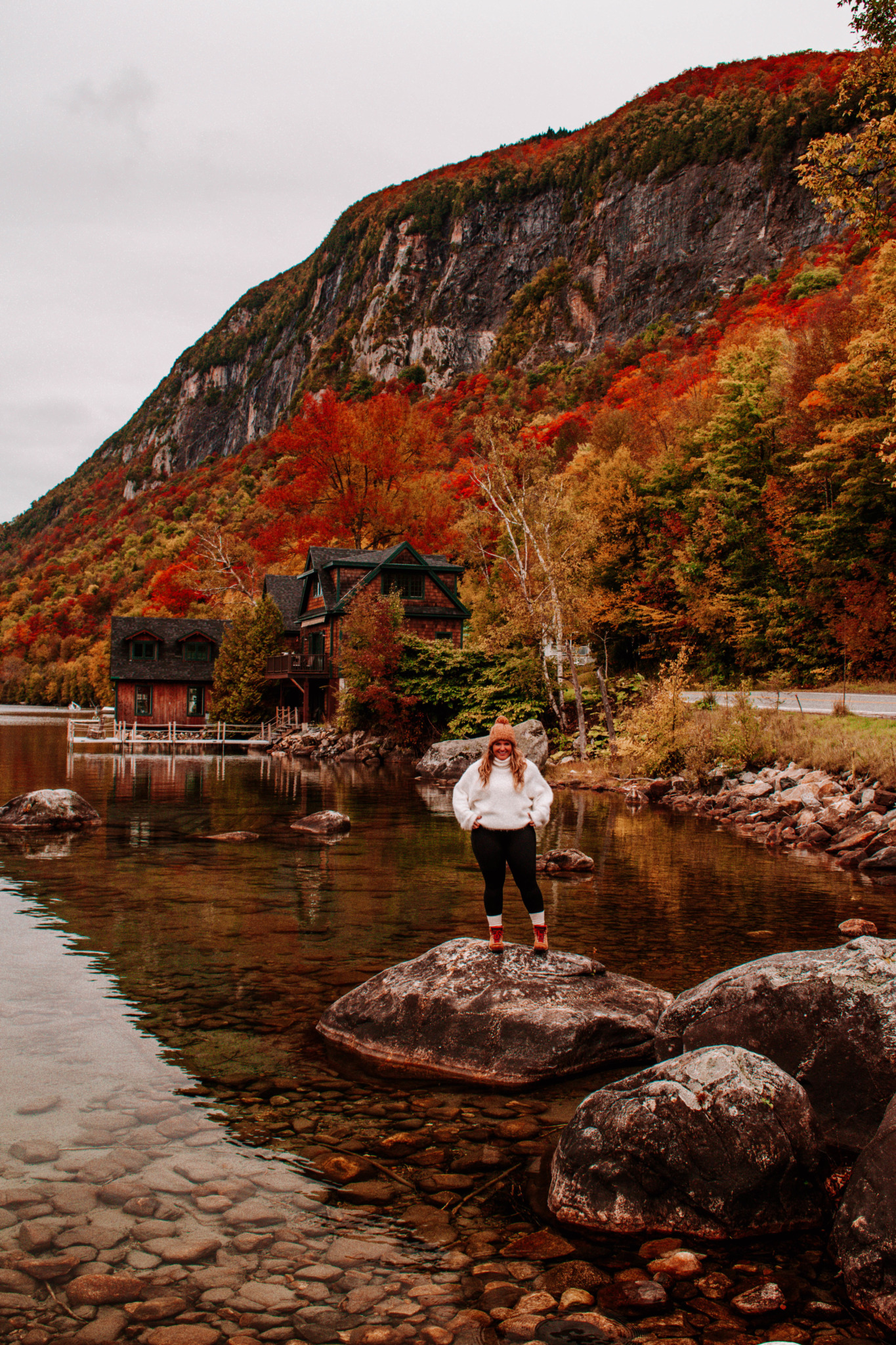
By the second day, travelers enter the Kancamagus Highway, a 34-mile stretch of Route 112 that is frequently cited as one of the premier scenic drives in the nation. The highway crosses the White Mountains and features numerous high-elevation overlooks. Geologically, this region is characterized by steep granite slopes that support a dense concentration of maples, beeches, and birches—the primary species responsible for the high-contrast foliage colors.
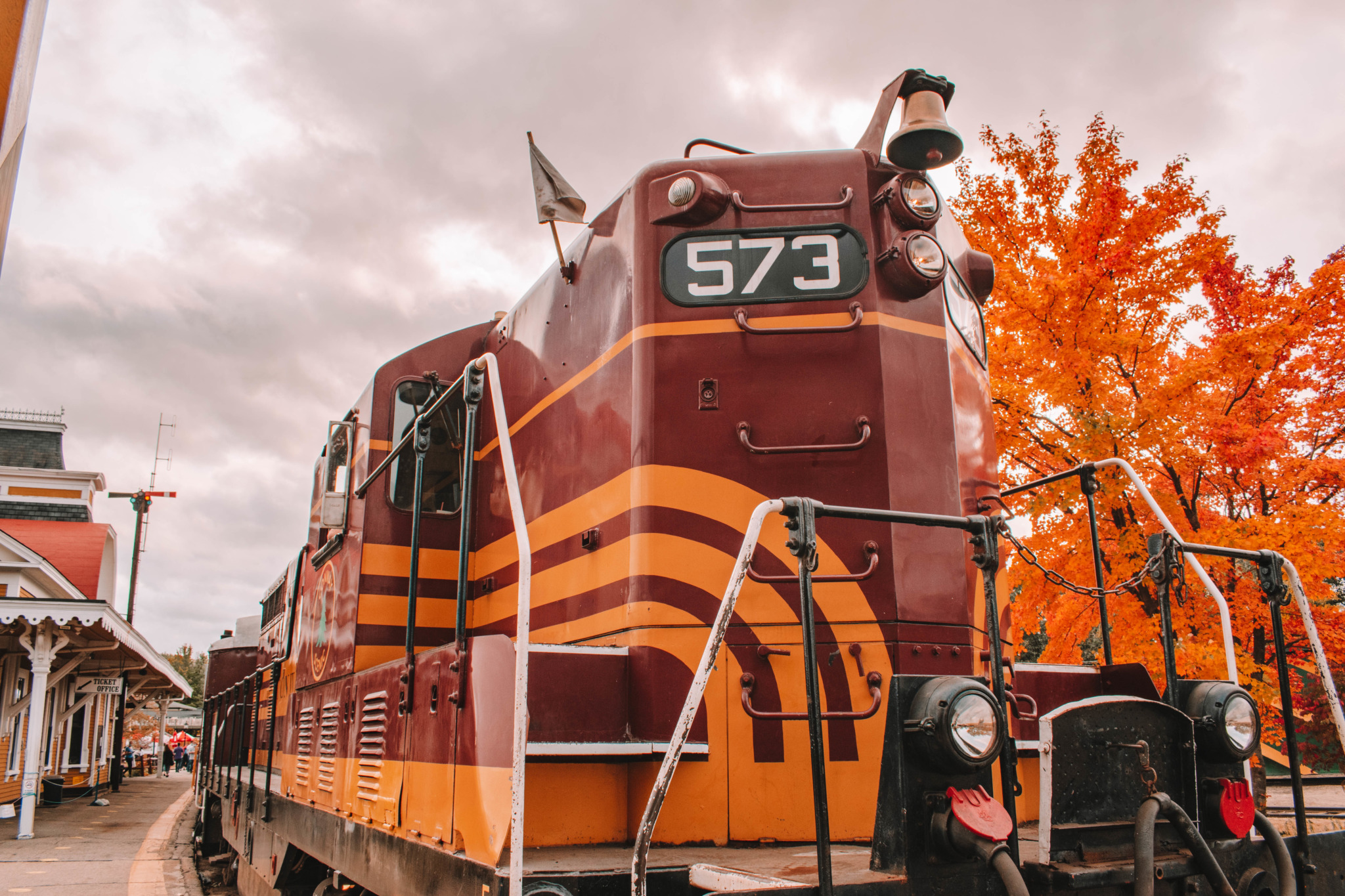
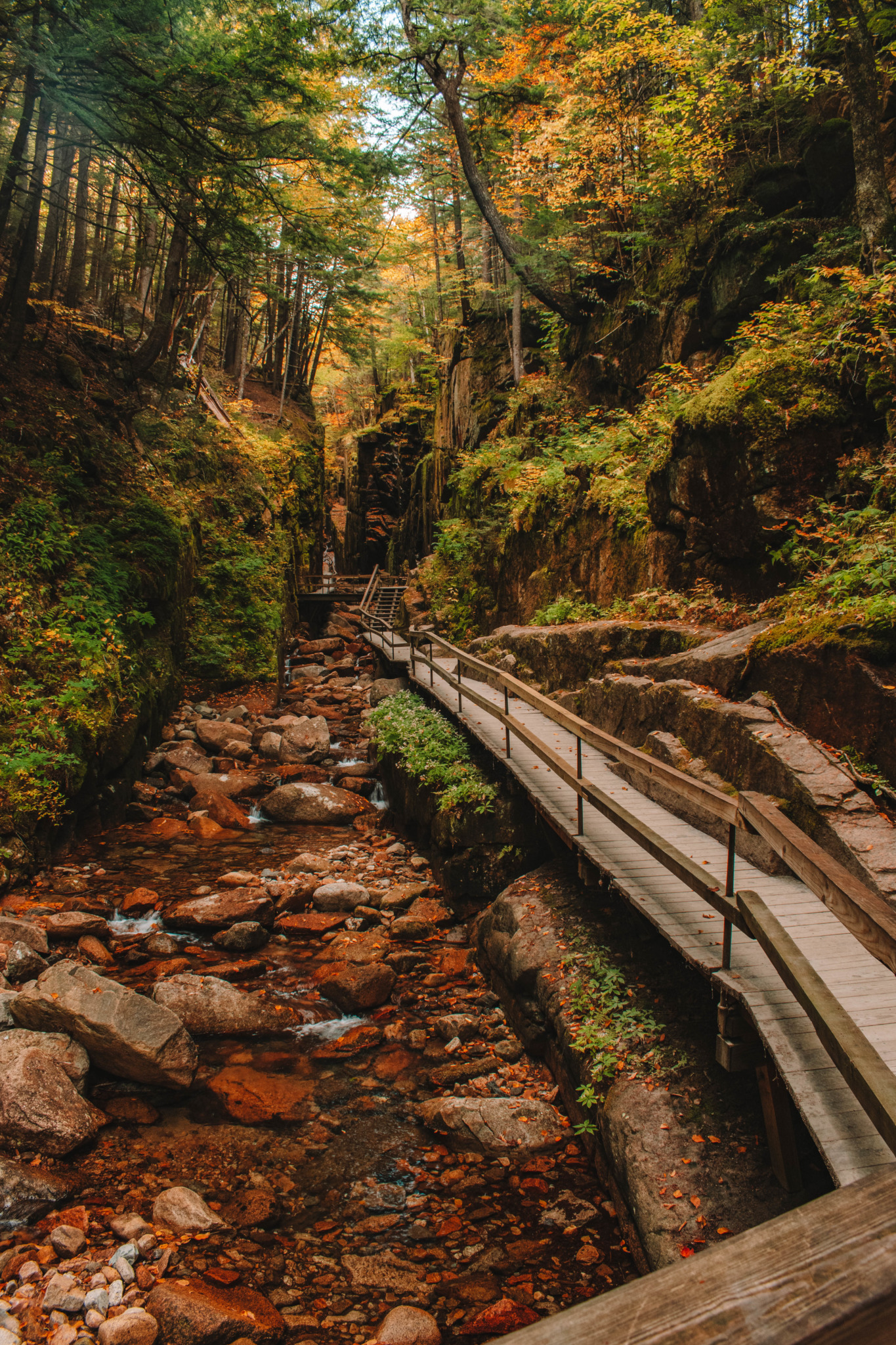
The third day focuses on Franconia Notch State Park, a high-mountain pass between the Kinsman and Franconia mountain ranges. The Flume Gorge, a natural granite canyon, serves as a primary point of interest. The area’s infrastructure, including the tramways and visitor centers, facilitates access to these features, though traffic management is a significant consideration for local authorities during the peak weeks of October.
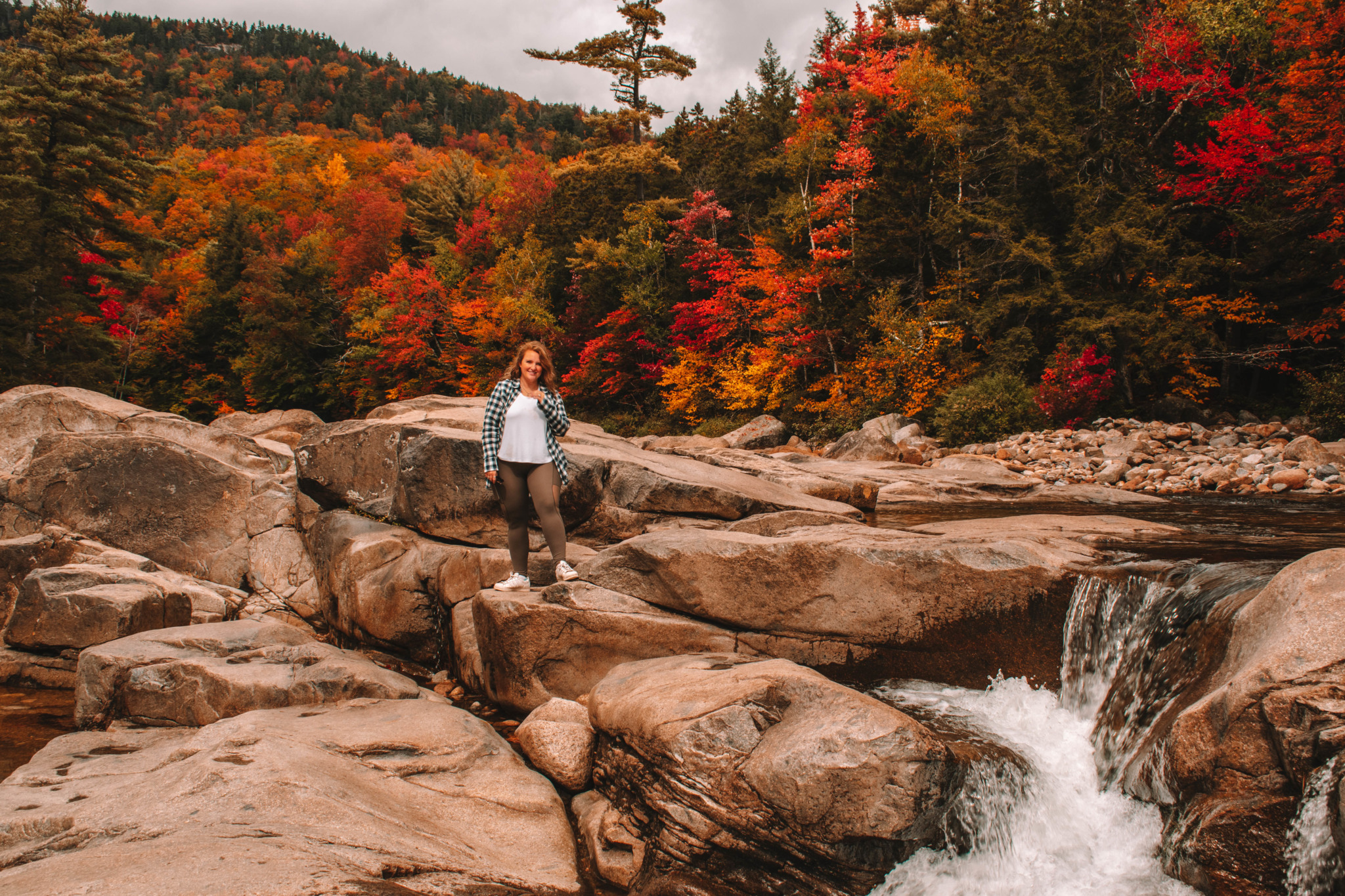
Phase 2: Vermont’s Agricultural and Mountain Landscapes (Days 4–6)
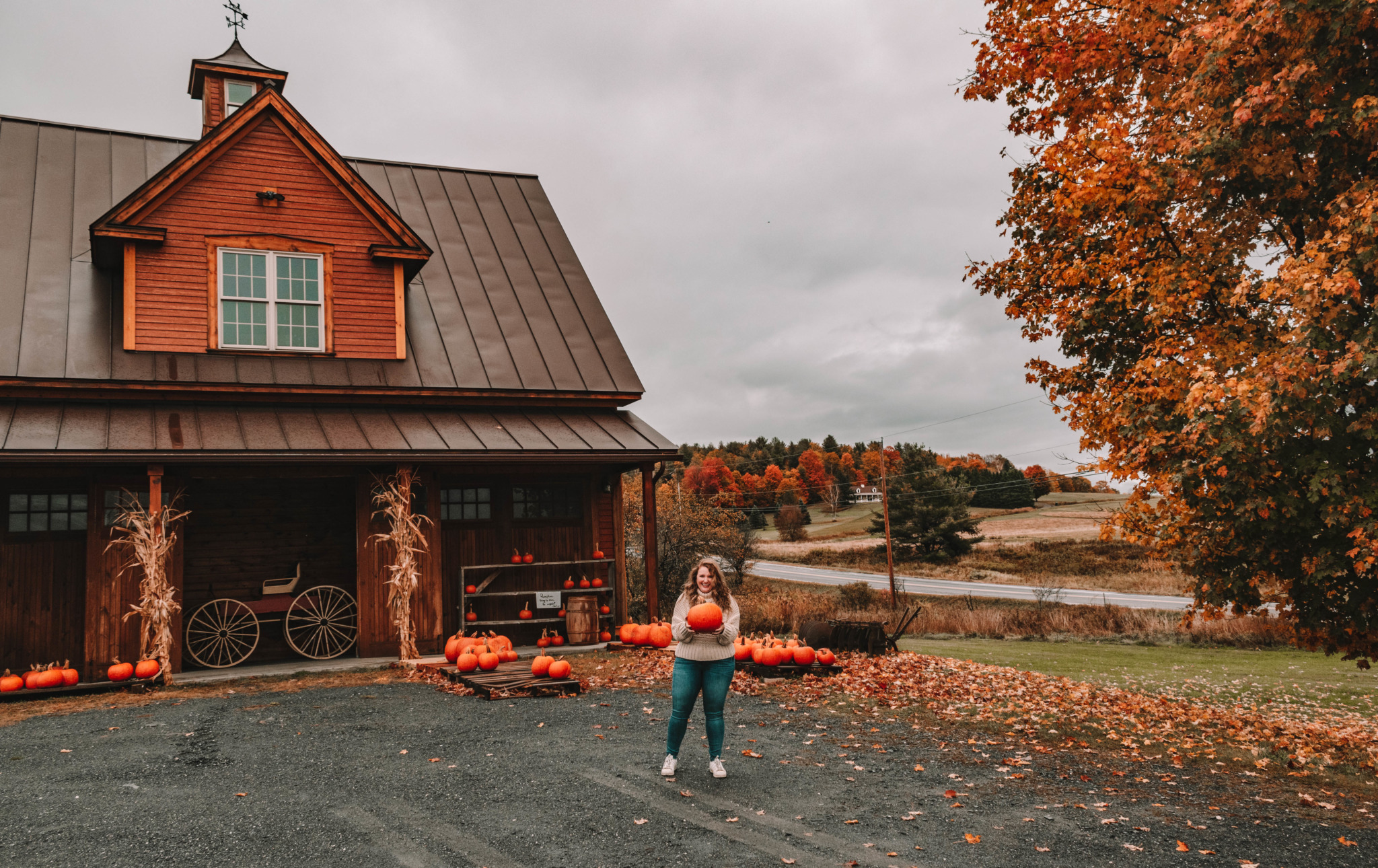
Crossing into Vermont, the landscape shifts from the rugged peaks of the White Mountains to the rolling hills and pastoral valleys of the Green Mountains. The capital city, Montpelier, acts as the gateway to the central region. A key feature of this leg is the agricultural economy, which has pivoted toward agritourism. The prevalence of "sugar houses"—facilities that produce maple syrup—provides a unique cultural lens through which to view the autumn harvest.
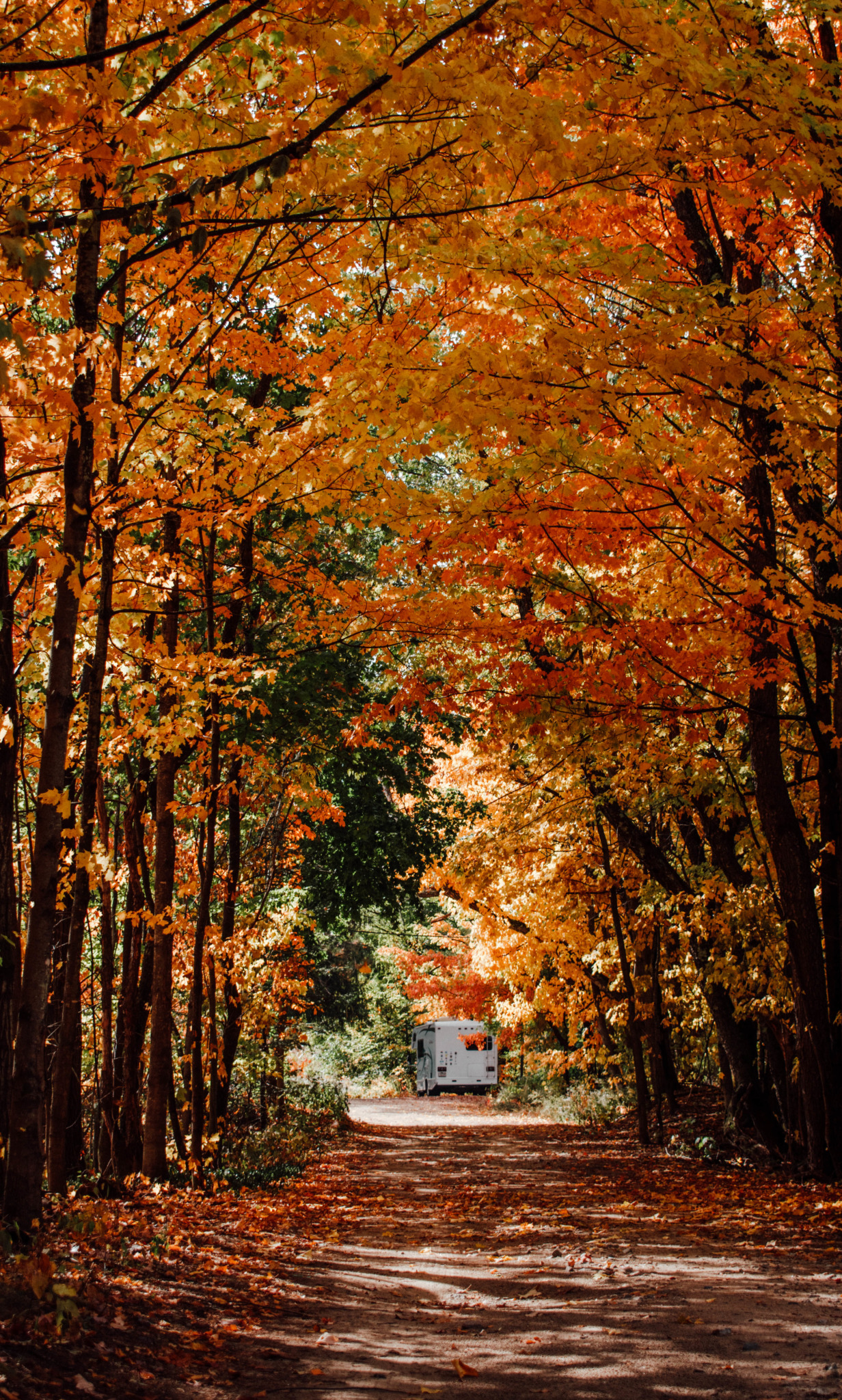
On the fourth and fifth days, the itinerary centers on the Stowe area and the Smuggler’s Notch pass. This corridor is known for its narrow, winding roads that navigate the mountainous terrain. The Von Trapp Family Lodge, established in the mid-20th century, highlights the historical intersection of European immigration and the development of Vermont’s tourism sector.
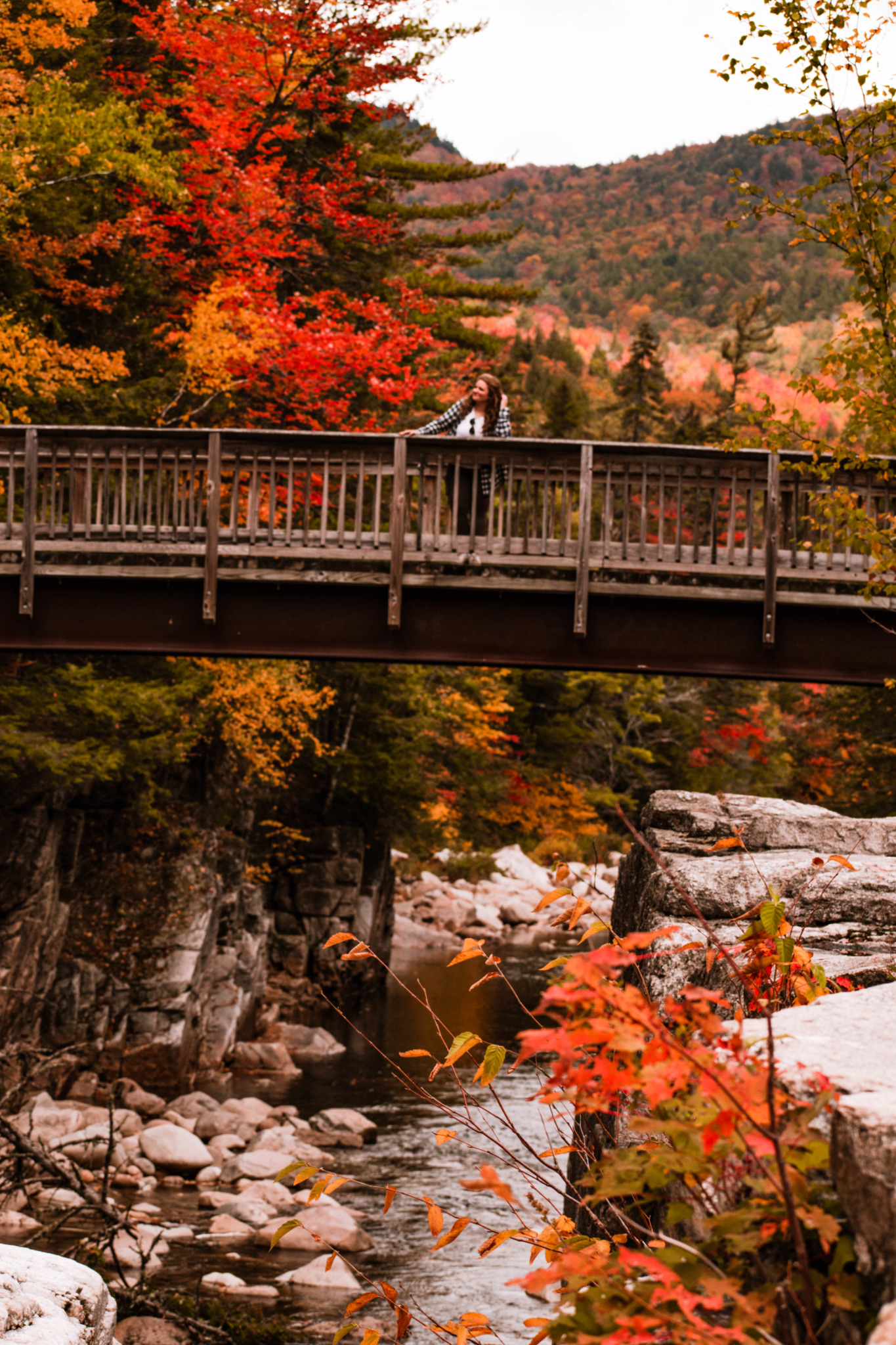
The economic impact of this season is profound for local businesses. In towns like Woodstock, which has garnered a reputation for its preserved 19th-century aesthetic, the hospitality sector experiences a surge in occupancy rates that sustains regional employment through the slower winter months. However, this influx of visitors has prompted local governments to implement traffic flow strategies, particularly at highly photographed locations like Sleepy Hollow Farm, where road congestion has become a recurring concern for local residents.
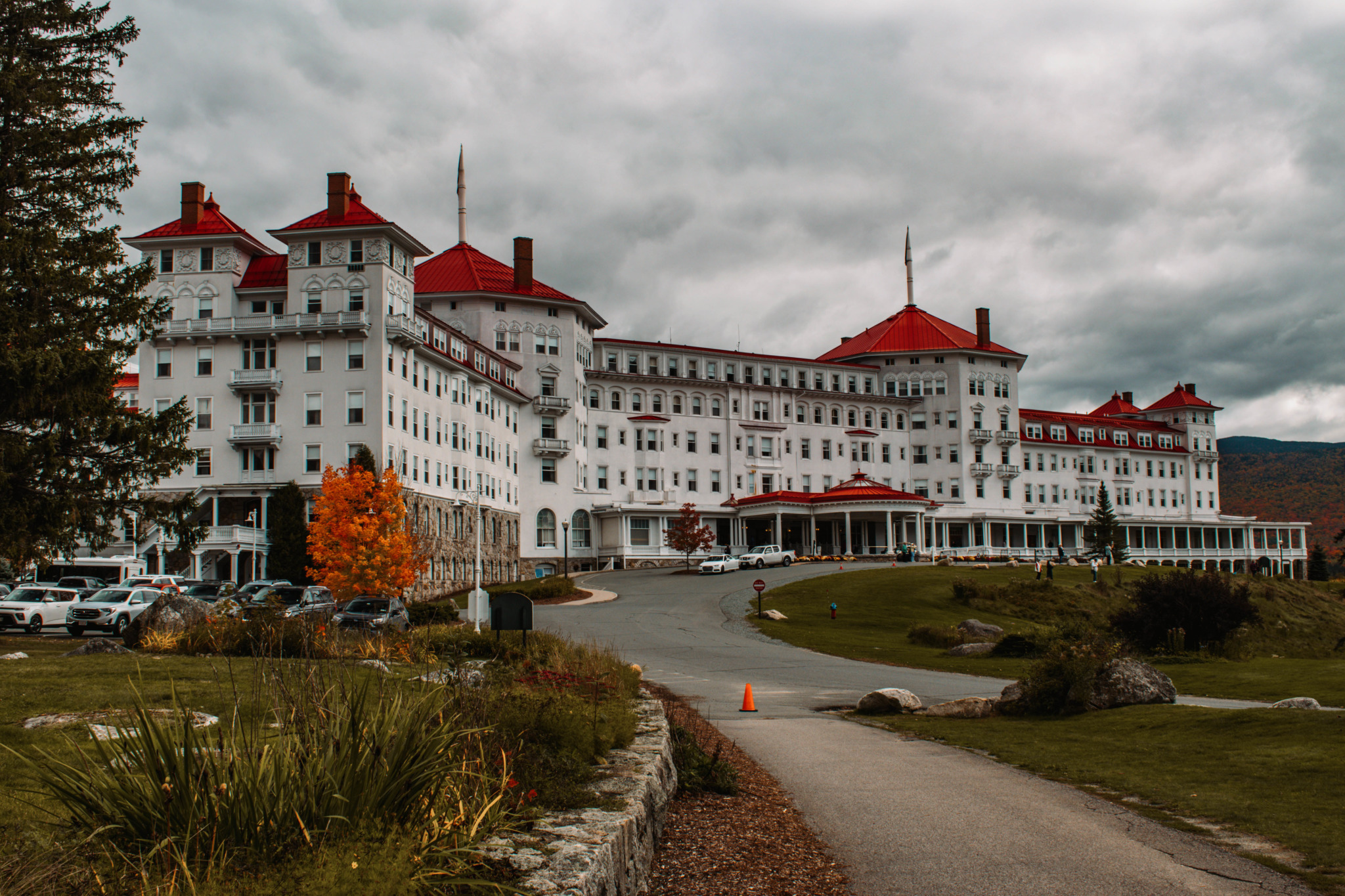
Phase 3: The Berkshires and Return Logistics (Day 7)
The final leg of the week-long trip involves a southward journey through the Berkshires in Western Massachusetts. This region, known for its concentration of cultural institutions and rural estates, provides a final, more subdued viewing experience compared to the high-elevation peaks of the north. The Mohawk Trail offers a historic route for the return toward Boston, passing through towns that rely on the preservation of early American industrial and artistic history.
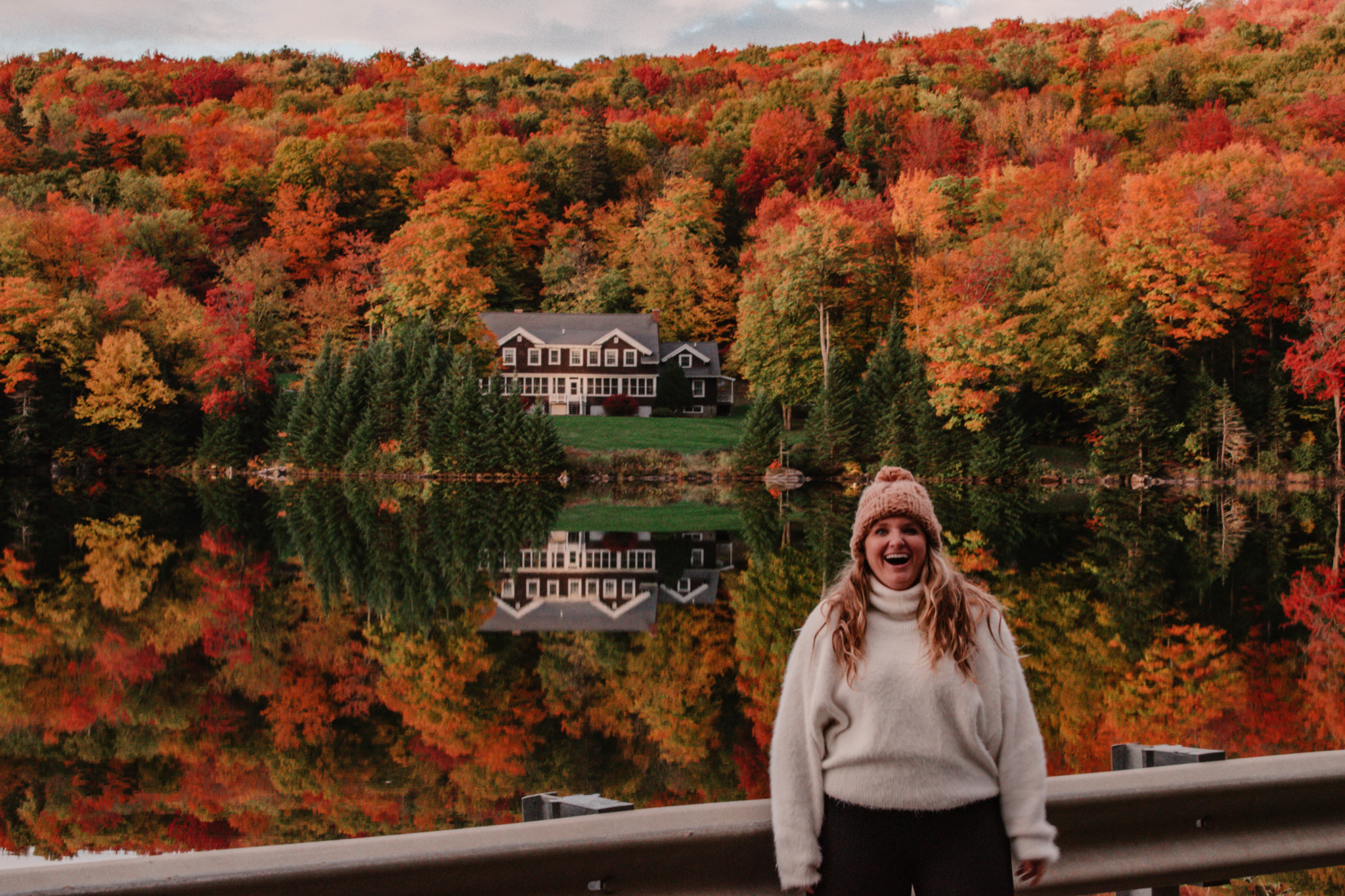
Broader Economic and Environmental Implications
The phenomenon of "leaf peeping" has evolved into a multi-billion-dollar industry for New England. According to regional economic studies, the autumn foliage season accounts for a significant percentage of annual tourism revenue for states like Vermont and New Hampshire.
However, the industry faces long-term challenges related to climate change. Researchers have noted shifts in the timing of peak color, which has become increasingly unpredictable. Additionally, rising global temperatures can affect the stress levels of the trees, potentially leading to less vibrant color displays or earlier leaf drop. These environmental changes are being monitored by agricultural departments to understand the potential long-term impacts on both forest health and the regional tourism economy.
For the modern traveler, a successful foliage trip requires a balance between a structured itinerary and the flexibility to respond to environmental conditions. By focusing on the northern mountain ranges early in the week and moving southward toward the valleys, travelers can maximize their chances of witnessing the peak of the autumn transformation while supporting the local economies that sustain these historic landscapes.