The Quiet Plant-Based Revolution in Paris: How French Cuisine Is Adapting to Climate Realities


The global culinary landscape is undergoing a profound paradigm shift, and nowhere is this tension more pronounced than in Paris, a city historically built on the pillars of butter, cream, livestock, and artisanal butchery. As the French government increasingly urges its citizens to scale back meat consumption as a core component of its national climate strategy, the capital’s vibrant dining scene finds itself at a fascinating crossroads. This evolution is not necessarily born of an overnight abandonment of heritage, but rather a quiet, pragmatic reimagining of what French food identity means in an era of climate change.

Initial Explorations and the Traditional Paradigm
The journey into Paris’s contemporary food culture often begins with expectations clashing against entrenched realities. Navigating the city as an omnivore traveling alongside a vegetarian highlights a lingering disconnect. Traditional bistros nestled within historic districts like Montmartre may offer progressive accommodations on paper, yet a closer inspection of menus frequently reveals that "plant-based" can still translate to little more than a side salad accompanying a prime cut of beef.

Historically, French cuisine was not always centered so heavily on animal protein. Culinary historians and modern chefs note that centuries ago, the average French plate was predominantly vegetable-centric. Animal proteins gradually became symbols of social status and wealth, eventually solidifying into the culinary norm that defines modern French gastronomy worldwide. Today, however, a new generation of chefs is looking backward to peasant common sense and forward to ecological survival, attempting to reverse this hierarchy without sacrificing the soul of French cooking.
Mapping the Capital: Veggietown and the Rise of Modern Eateries

A physical exploration of Paris’s changing palate leads directly to the 9th and 10th arrondissements—an area affectionately dubbed "Veggietown." Walking along thoroughfares like Rue de Chabrol reveals a multicultural mosaic far removed from the stereotypical white-tablecloth brasserie. Scarlet Korean eateries with robust vegetarian options, lime-green eco-conscious cafes, and vibrant Indian vegetarian restaurants line the streets. This diverse corridor demonstrates that while traditional French cuisine remains sacred, the city’s broader culinary ecosystem has eagerly embraced global plant-based diversity.
Beyond casual international eateries, fine-dining pioneers are leading a structural transformation. At La Table de Colette, located just north of the Pantheon, Chef Josselin Marie operates a self-described carbon-neutral restaurant. Having honed his craft in elite institutions such as the Plaza Athénée, The Ritz, and Hôtel de Vendôme, Marie launched his own establishment with a strict mandate: micro-seasonal produce, minimal food waste, and zero red meat.
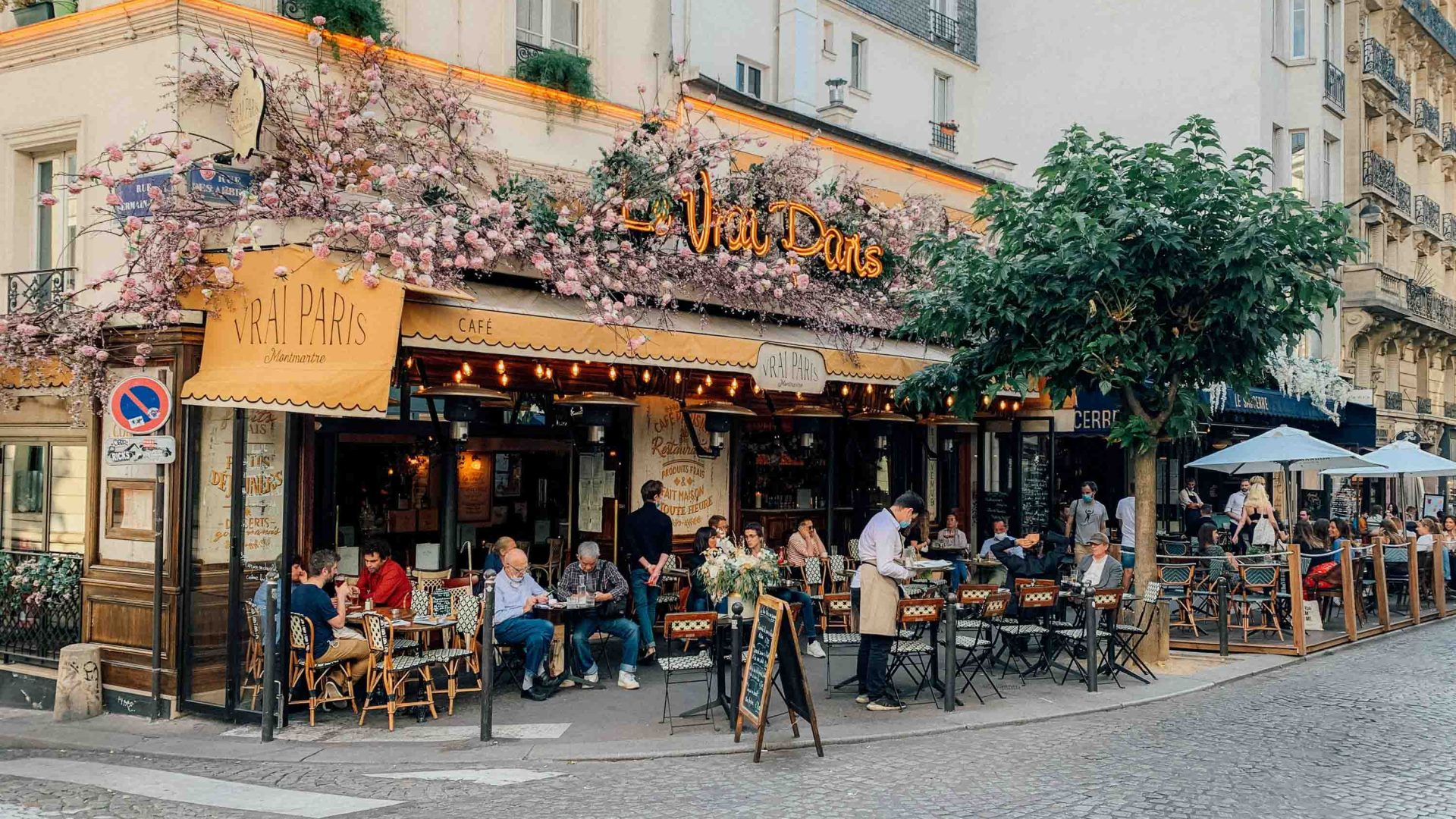
To achieve this, the restaurant utilizes an eco-calculator developed by Bon Pour Le Climat, an association dedicated to helping the hospitality sector reduce its carbon footprint. Dishes are meticulously engineered to invert traditional plating; instead of a massive steak garnished with vegetables, diners might enjoy a complex celebration of fennel prepared two ways—braised and as a crisp salad—accompanied by subtle accents of homemade monkfish chorizo. As sous-chef Ismaël Hermantin notes, the objective is to honor the soul of a single primary ingredient while subverting the expectation that it must be livestock.
The Trailblazers and the Psychology of the Menu
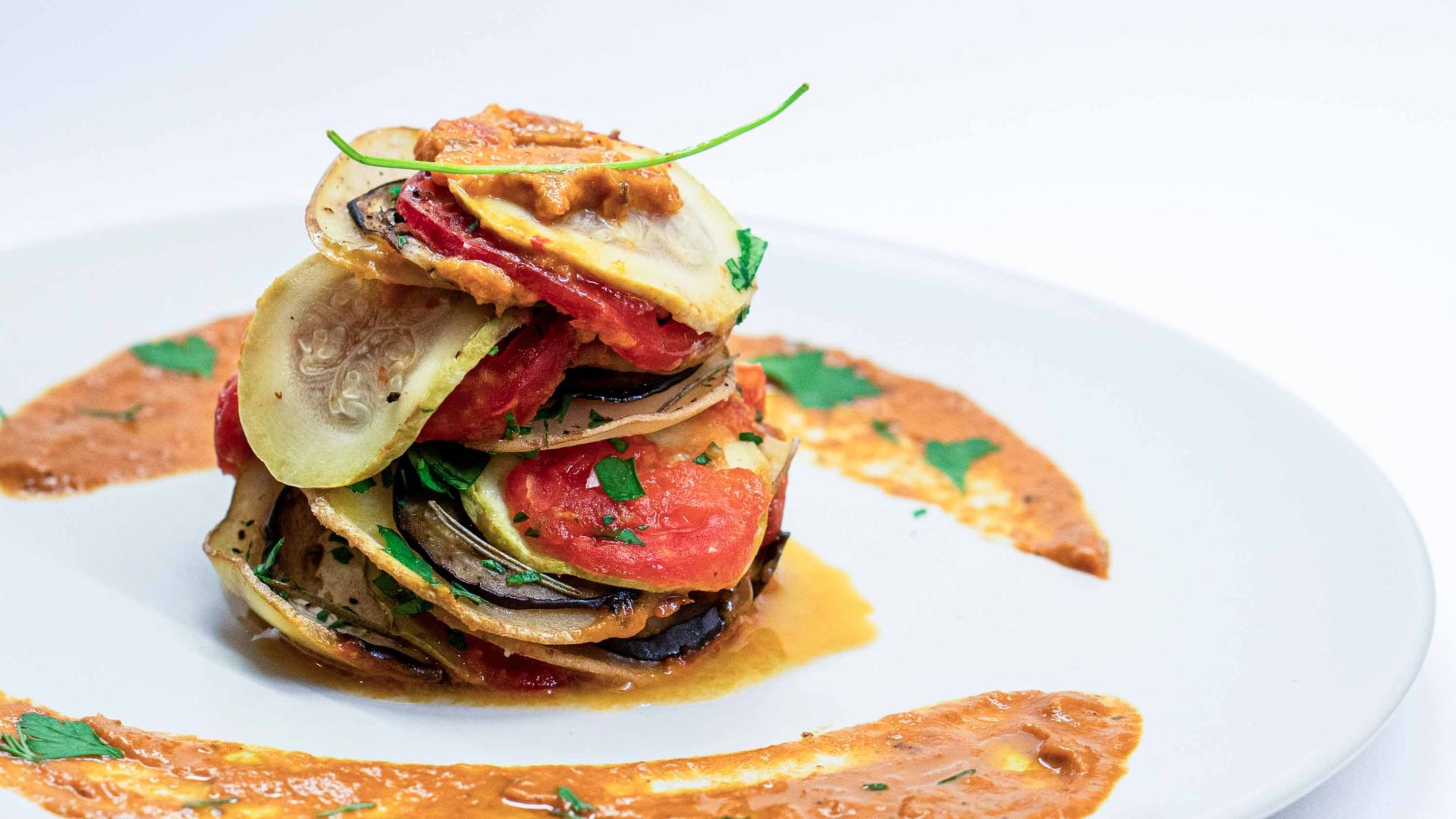
This movement builds upon decades of foundational shifts initiated by culinary legends. In 1998, master chef Alain Passard famously stripped meat from the menu at his three-Michelin-star Paris restaurant, L’Arpege. Initially famous for its rotisserie meats like poultry and prime ribs of beef, Passard experienced a profound philosophical awakening regarding the toll of handling animal products. His transition paved the way for contemporary leaders like Manon Fleury, the 35-year-old chef of the largely plant-based restaurant Datil in Le Marais. Fleury, recognized for her tenure at Michelin-starred Elsa in Monaco, champions a return to traditional French fundamentals—such as savory buckwheat galettes, lentil ragouts, and ratatouille—that sustained generations of French citizens long before industrial meat production became ubiquitous.
However, marketing plant-based cuisine in France requires a delicate psychological touch. Many restaurateurs have discovered that overt branding as a "vegan" establishment can alienate traditional diners bound by cultural loyalty. At Daimant-St-Honoré, situated near the Louvre, founder Alice Tuyet deliberately chose to market the establishment as a restaurant of "plants and wines" rather than utilizing the word vegan, which she and her team view as carrying overly rigid, militant connotations.
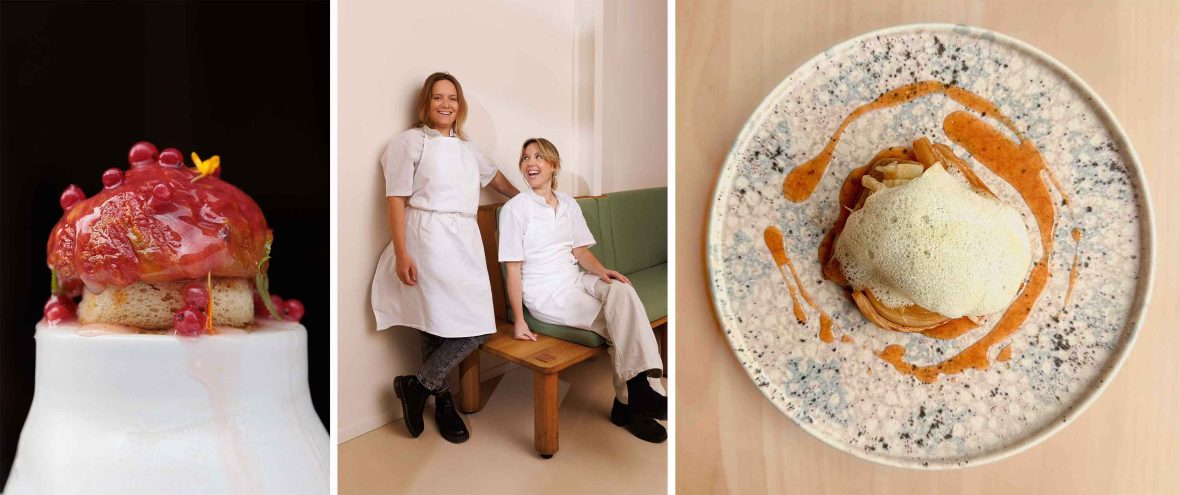
This strategy has yielded remarkable results. Businessmen on lunch breaks frequently patronize the establishment, indulging in mushroom croquettes, eggplant Milanese, and sharing-sized chocolate mousses without initially realizing the entire menu is entirely free of animal products. Similarly, at Green Farmer’s, a popular burger joint near the Boulevard de Clichy, co-founder Manuel Gonzales emphasizes a "fast food first, vegan second" philosophy. Diners regularly consume double-smashed plant-based burgers drenched in truffle sauce without recognizing the absence of meat until after finishing their meals.
Expanding Horizons: Pastry and Confectionery Innovation
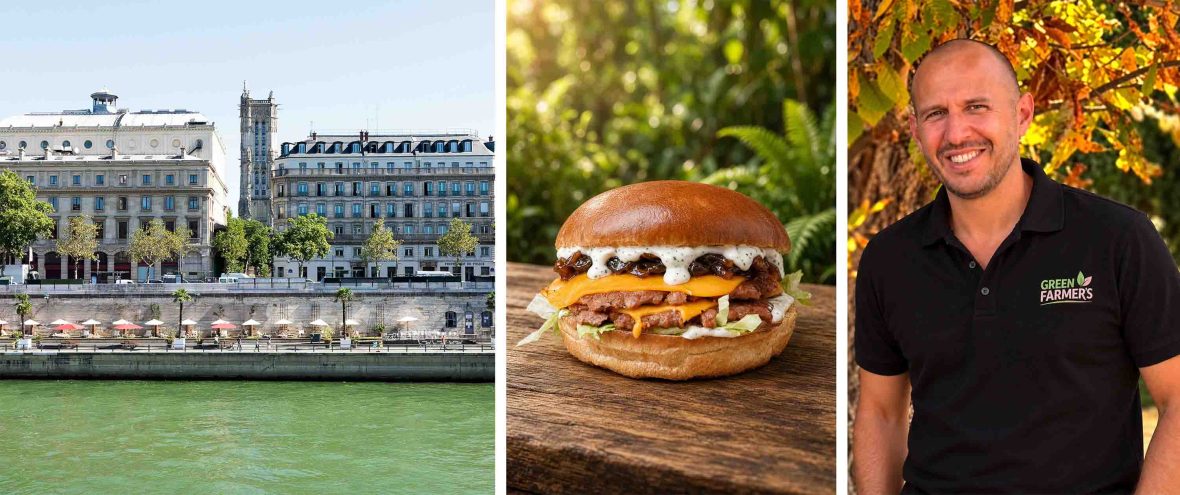
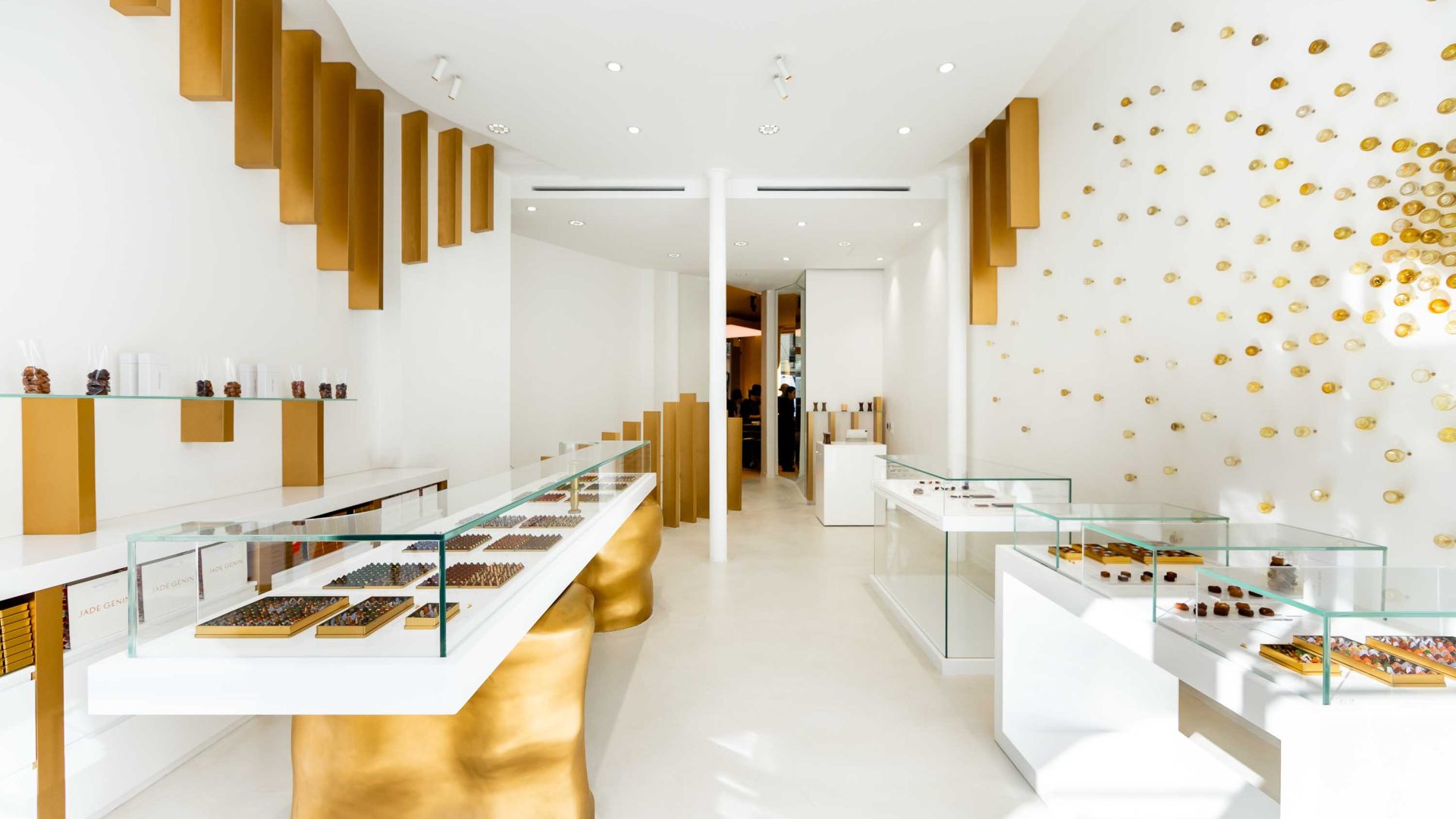
The plant-based transition has even penetrated France’s fiercely protected pastry and confectionery sectors. At her namesake chocolaterie near Avenue de l’Opéra, master chocolatier Jade Genin has boldly eliminated butter, cream, and refined sugar from her creations. By sourcing sustainably harvested cocoa beans from suppliers like Xoco in Honduras—which ensure fair wages for farmers—Genin has successfully replicated and often surpassed the rich textures of traditional French chocolate without relying on dairy. While maintaining these standards in energy-intensive chocolate laboratories presents ongoing environmental challenges, her work proves that technical mastery can transcend traditional ingredients.
Broader Environmental Implications and Economic Context
The urgency driving these culinary adjustments is underscored by mounting scientific consensus. A landmark 2023 Oxford University study revealed that vegan diets produce approximately 75 percent fewer greenhouse gases, water pollution, and land use compared to high-meat diets. In response to these metrics, the French government’s climate strategy encourages sustainable dietary shifts, placing pressure on the agricultural and hospitality sectors to adapt.
Despite these progressive strides, traditional French fare remains immensely popular. Classic bistros overflow with patrons daily, and specialized purveyors of oysters, shellfish, and artisan cheeses occupy nearly every Parisian street corner. The prevailing question is no longer whether Paris is wholesale converting to a plant-based diet, but rather how deeply plant-forward principles can be integrated into the food culture before consumers even notice the substitution.

By letting exceptional flavors, textures, and sustainable methodologies speak for themselves—rather than relying on restrictive labels—Parisian chefs are successfully navigating the delicate balance between environmental responsibility and centuries of culinary heritage. In doing so, they are charting a sustainable future where the classic French art of eating well evolves to protect the planet that makes it possible.