As the crisp autumn air settles across the United States, the hospitality industry is witnessing a significant surge in seasonal tourism. For 2026, major hotel brands and historic independent resorts have curated an array of immersive Halloween experiences, ranging from high-end, adult-only masquerade balls to family-centric, multi-day fall festivals. These initiatives represent a strategic shift in the luxury and family travel market, where destination hotels are increasingly leveraging calendar-based events to drive occupancy rates during the shoulder season.
The trend of thematic travel has evolved from simple seasonal decor to full-scale event production. According to recent travel industry data, booking volumes for properties that offer integrated Halloween programming—such as on-site costume contests, curated culinary experiences, and paranormal history tours—have seen a year-over-year increase of approximately 15 percent. This growth is driven by a consumer demand for experiential travel that bridges the gap between leisure and entertainment.
The Hawthorne Hotel and the Historical Context of Salem
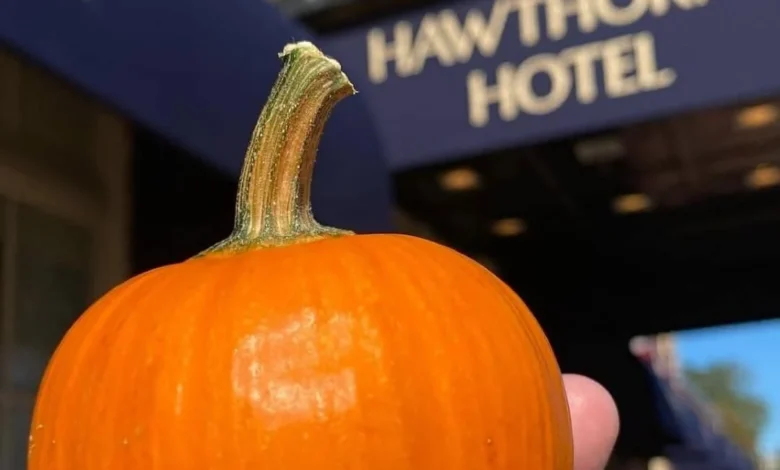
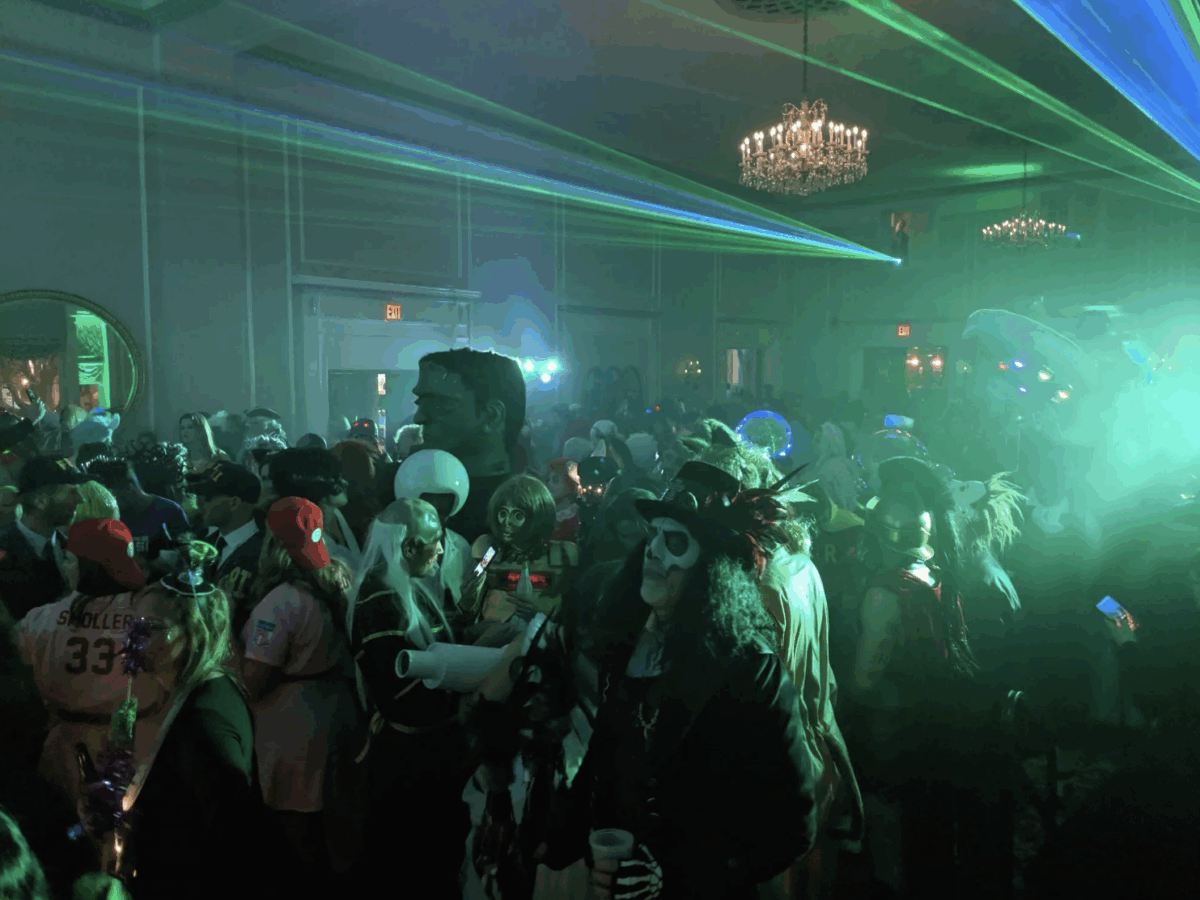
In Salem, Massachusetts, the Hawthorne Hotel remains the epicenter of seasonal tourism. The hotel’s historical association with the 1692 Witch Trials and subsequent reports of paranormal phenomena have solidified its status as a primary destination for enthusiasts of the supernatural. The property’s 2026 programming is headlined by the annual Halloween Ball, scheduled for October 24, 2026. This year, the event adopts the theme "Phobia," a creative conceptualization designed to tap into psychological thrill-seeking.
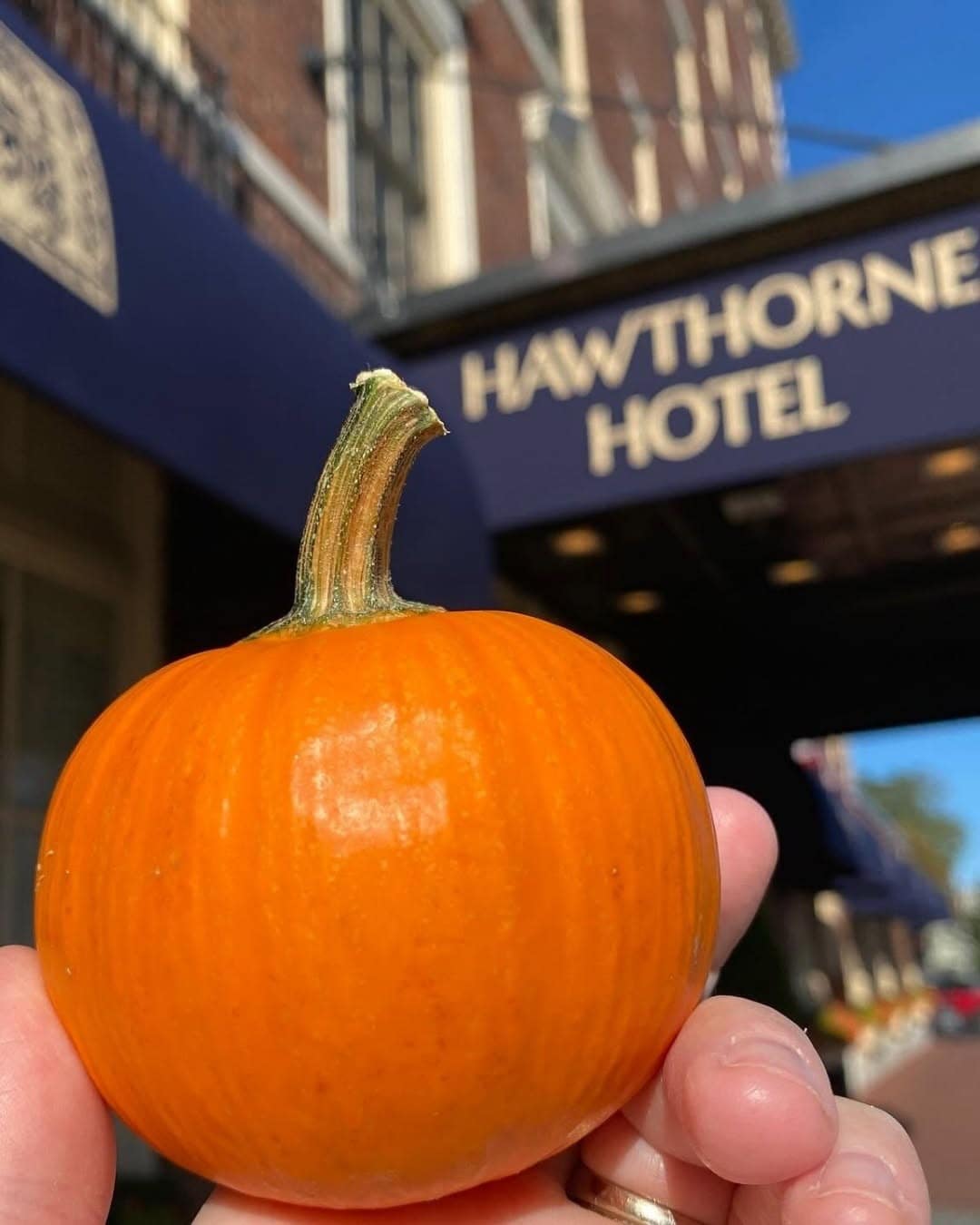
The logistics for the ball are stringent, requiring a three-night minimum stay for attendees. This policy serves as a form of demand management, ensuring that the limited capacity of the historic venue is reserved for guests fully immersed in the local Salem experience. Beyond the adult-oriented ball, the hotel maintains year-round operations centered on its "Hocus Pocus" package, which provides a demographic balance by catering to families interested in the cultural history of the region.
Resort-Scale Fall Programming: New Hampshire and Beyond
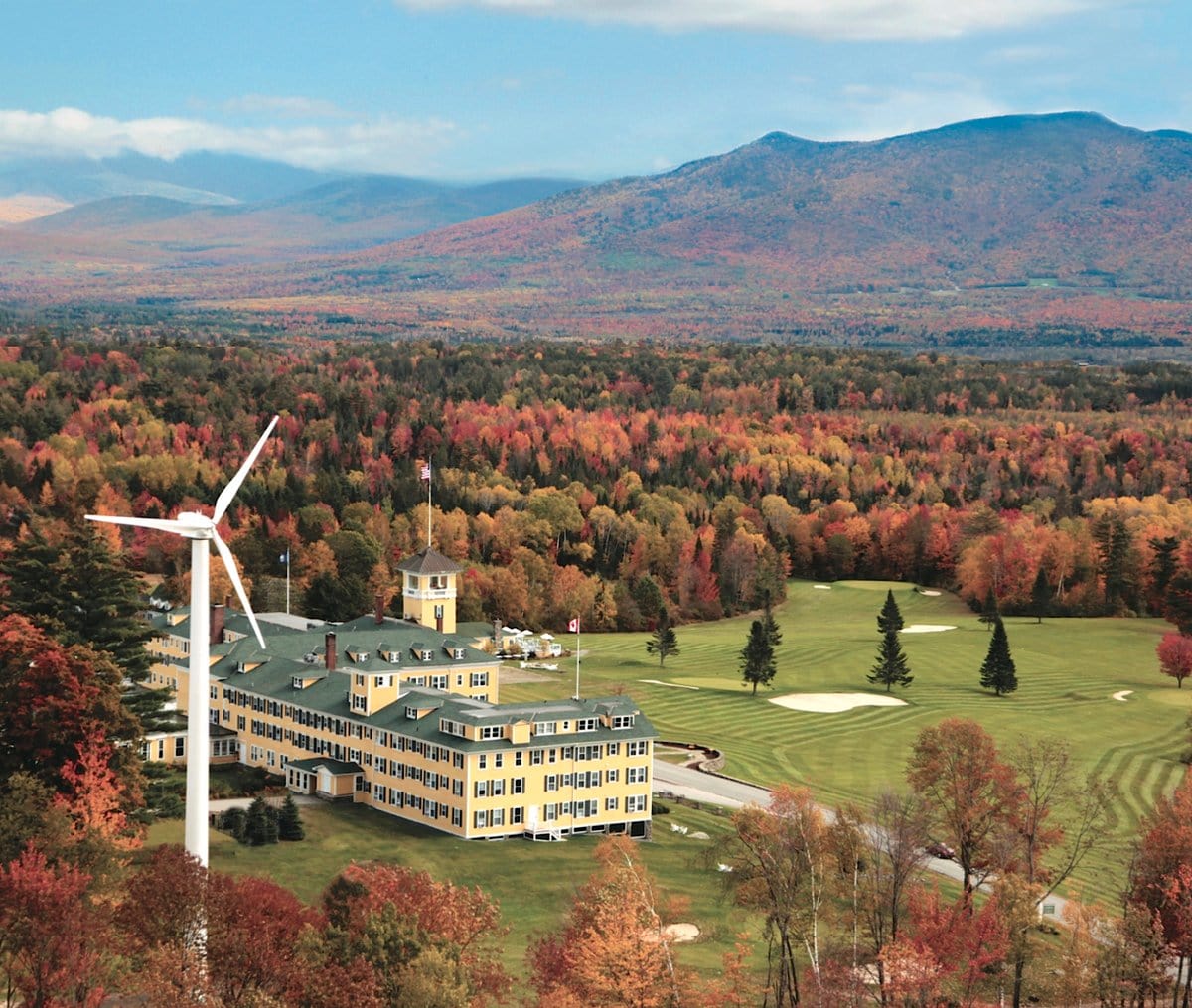
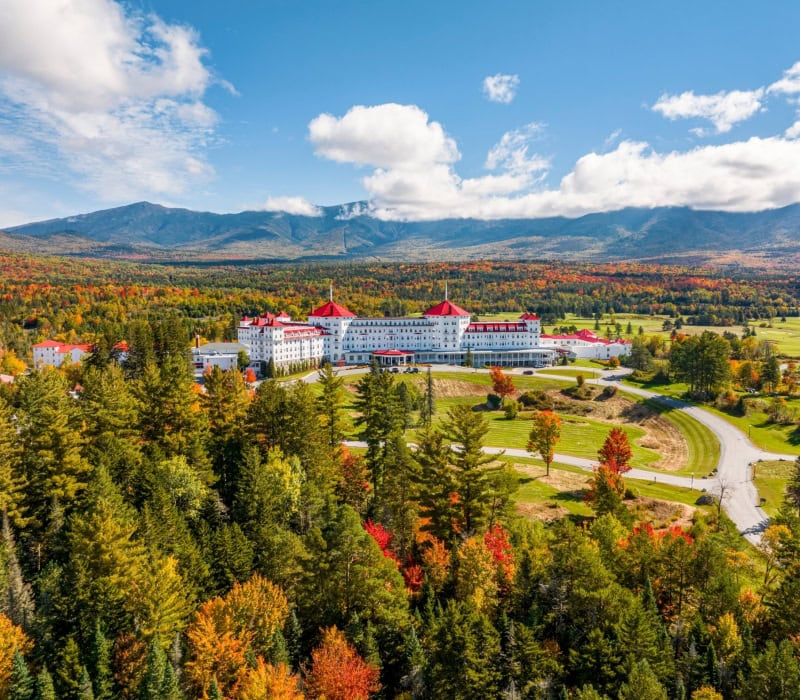
The Omni Mount Washington Resort in Bretton Woods, New Hampshire, exemplifies the transition toward multi-phase seasonal festivals. The resort operates on a dual-track schedule: the early October period is dedicated to Oktoberfest, while the final week of the month pivots toward "Halloweekend."
The integration of these events allows the property to maximize its utilization of the White Mountains’ peak foliage season. By offering specialized activities such as stein-hoisting contests and professional-grade costume competitions, the resort functions as a self-contained destination. Industry analysts suggest that this strategy effectively mitigates the volatility of weather-dependent tourism in New England by providing high-value, indoor, and weather-resilient activities.
Scalability and Family-Oriented Halloween Tourism
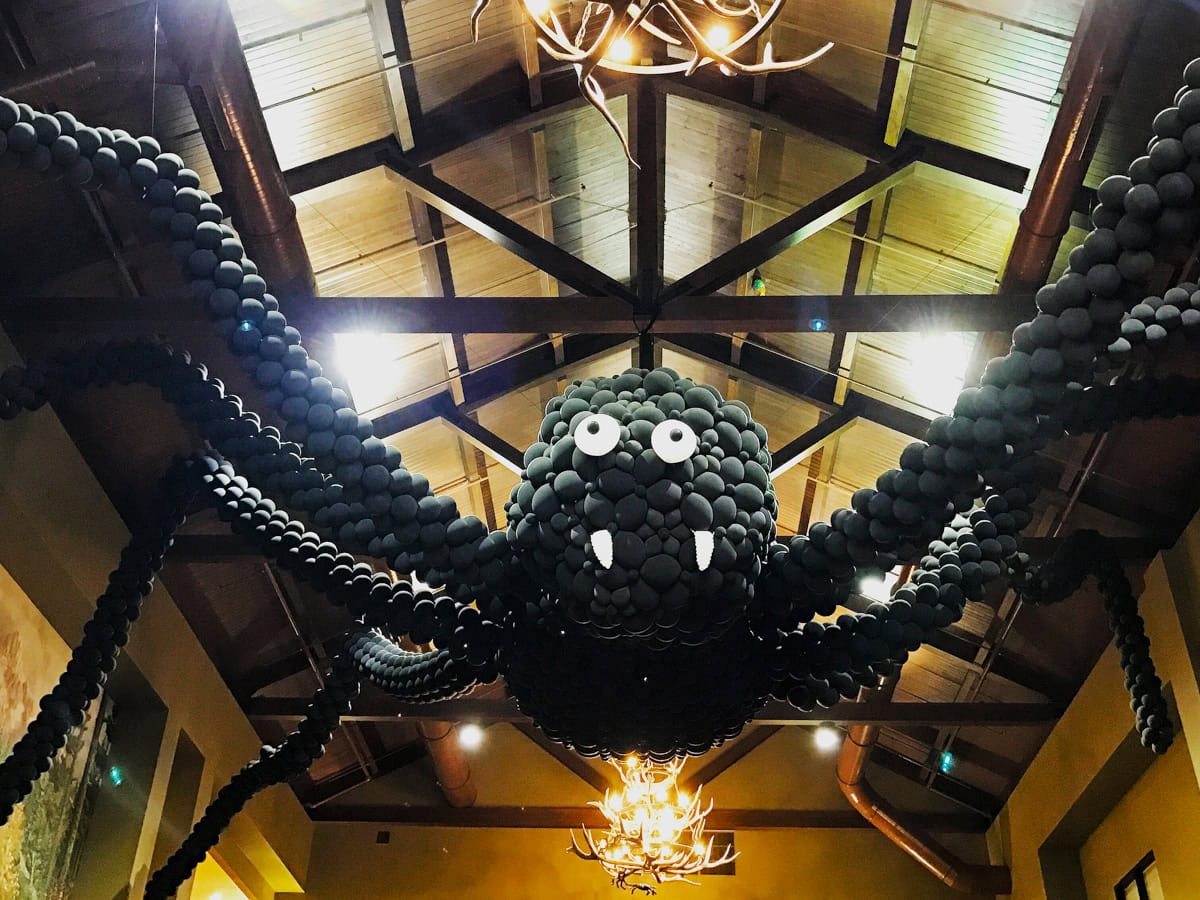
Great Wolf Lodge, with its 22 locations across North America, provides a distinct model for high-volume seasonal engagement. The "Howl-O-Ween" program, which runs from late September through October 31, is characterized by standardized, high-energy entertainment. Unlike boutique historic hotels, the Great Wolf model focuses on accessibility and volume.
Data from the company indicates that their seasonal "Trick-or-Treat Trail" and "Monster Bash" dance parties significantly impact family booking retention. By standardizing these activities across all 22 properties, the brand ensures a consistent consumer experience, which is a critical factor for families planning holiday travel. The inclusion of Halloween-themed yoga and "Ghoulish Games" highlights the diversification of revenue streams within the hotel space, moving beyond room-and-board to include programmed activities as a core product offering.
Literary Legacy and the Horror Tourism Market
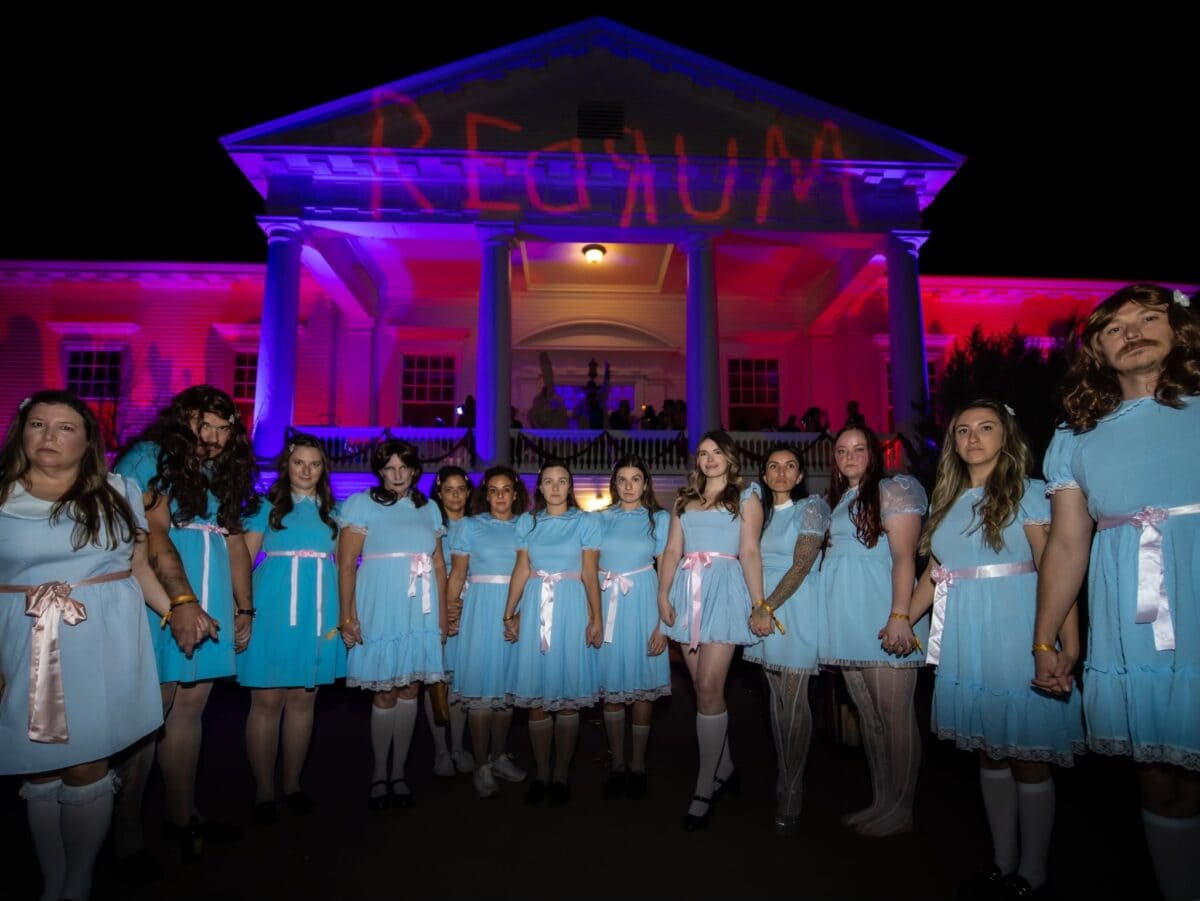
In Estes Park, Colorado, The Stanley Hotel leverages its unique literary and cinematic heritage. As the inspiration for Stephen King’s The Shining, the hotel has effectively commodified its own haunted reputation. The 2026 Shining Ball serves as a flagship event for the property, attracting guests from international markets.
The economic implications for properties like The Stanley are profound. The ability to command premium rates during the late-October period is directly correlated to the proprietary nature of the event. When a hotel provides an experience that cannot be replicated elsewhere—such as a specific costume contest focused on the lore of a film shot at the location—it creates a competitive moat. This "horror tourism" segment has become a reliable revenue driver for the property, with high sell-through rates for both tickets and overnight accommodations.
Theme Park Integration and The Universal Orlando Model
The Universal Orlando Resort offers a more aggressive model of Halloween-themed hospitality. By bundling hotel stays with the "Halloween Horror Nights" (HHN) event, the resort creates a comprehensive ecosystem for travelers. The logistical benefit of staying on-site—including early access to the parks and express entry to haunted houses—functions as a high-value utility for guests.
The strategic importance of these packages cannot be overstated. By offering discounts of up to $300 for bundled stays and tickets, the resort incentivizes guests to remain within the Universal ecosystem for the duration of their trip. This approach captures the entire value chain of the vacation, from lodging and dining to high-intensity entertainment, setting a standard for large-scale resort operations.
Analysis of Operational Implications
The expansion of these programs requires significant operational investment. Hotels must coordinate complex logistics, including:
- Staffing Requirements: Seasonal events often require specialized entertainment staff, security, and event coordinators who are proficient in crowd management, particularly for 21+ events where alcohol service and costume-related safety protocols are involved.
- Infrastructure Upgrades: Many historic properties, such as the Hawthorne or The Stanley, must balance the preservation of their architectural integrity with the modern lighting and sound requirements needed to host large-scale, immersive parties.
- Risk Management: As events become more interactive—such as haunted mazes or late-night costume balls—the liability profiles for these hotels increase. This necessitates higher insurance premiums and rigorous safety protocols, which are factored into the overall cost of the event packages.
Demographic Trends and Future Outlook
The diversification of these events—ranging from "not-so-scary" family activities to "adult-only" high-end soirées—suggests that the hotel industry is successfully segmenting the Halloween market. While families remain the primary driver for early-October occupancy, the late-October "Halloweekend" market is increasingly dominated by young professionals and couples seeking high-end entertainment.
The success of programs like "Yelloween" at The Cavalier Resort in Virginia Beach, which uses a luxury brand (Veuve Clicquot) to elevate the concept of a Halloween party, indicates that there is significant room for growth in the luxury-horror sector. As these hotels continue to refine their offerings, it is expected that 2027 will see an even greater integration of technology, such as augmented reality ghost tours and personalized digital experiences, to differentiate these properties in an increasingly crowded market.
In summary, the 2026 Halloween season marks a maturation of the "haunted hotel" niche. What was once a localized or boutique phenomenon has evolved into a sophisticated, multi-million dollar segment of the American hospitality industry. For travelers, this means higher standards of entertainment and more diverse options, provided they navigate the increasingly competitive landscape of early booking and event reservation.