
The global cruise industry has experienced a profound resurgence, welcoming millions of new passengers annually as travelers seek all-inclusive vacations that balance relaxation with diverse global itineraries. For those embarking on their maiden voyage, the sheer scale of modern mega-ships and the intricacies of maritime logistics can transition from exciting to intimidating. Industry analysts note that proper preparation is the single most critical factor in ensuring a seamless vacation, as navigating booking windows, port protocols, and onboard technology requires a structured approach. While major cruise operators—ranging from Royal Caribbean and Disney Cruise Line to Norwegian and Virgin Voyages—strive to streamline the passenger experience, each brand maintains distinct operational guidelines, loyalty tiers, and onboard cultures. Consequently, understanding the foundational elements of cruise travel is essential for first-time cruisers aiming to maximize their investment and minimize logistical stress.
Choosing the Right Vessel and Itinerary
The preliminary phase of cruise planning involves comprehensive research into distinct cruise lines and their target demographics. Market research indicates that cruise operators intentionally differentiate their fleets; certain lines cater heavily to multi-generational families with elaborate water parks and youth clubs, while others focus exclusively on adult-only luxury, wellness retreats, or destination-intensive exploration. Prospective travelers must evaluate not only the ports of call—recognizing that days spent in port still leave substantial time for shipboard life—but also the physical layout and amenities of the vessel itself.

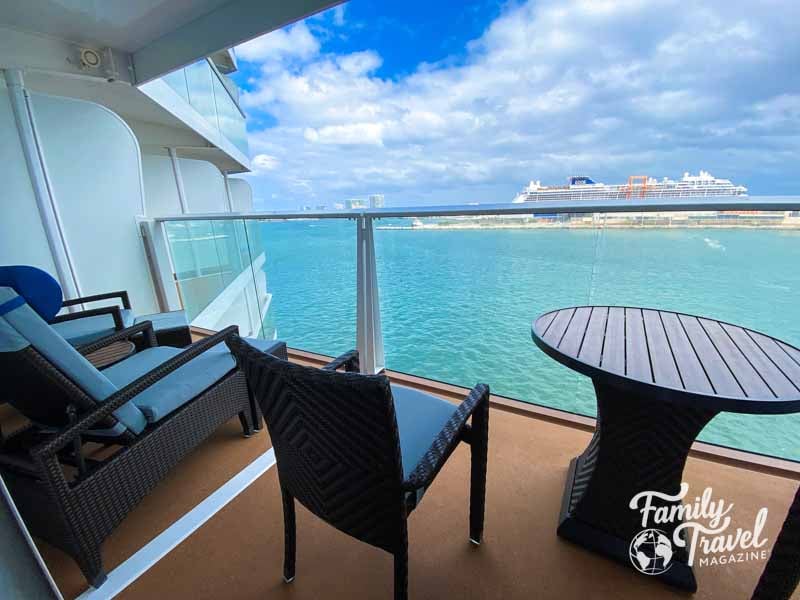
Industry data emphasizes that stateroom selection significantly dictates the overall cruise experience. Accommodations generally range from budget-friendly interior cabins lacking natural light to sprawling luxury suites with private concierge services. Experienced maritime advisors frequently recommend oceanview balcony staterooms for travelers who value private outdoor space and natural ventilation, though interior rooms remain a viable option for budget-conscious consumers who intend to use their cabin strictly for sleeping.
Advance Planning: Excursions, Dining, and Community Insights
Once the itinerary and stateroom are secured, logistical preparation shifts to advance bookings. High-demand shore excursions and specialty dining reservations frequently sell out weeks or months prior to departure. While limited availability may exist onboard, relying on last-minute bookings often leads to disappointment. Specialty restaurants, which operate outside the complimentary main dining rooms and buffet venues, typically incur an additional cover charge unless bundled into promotional packages such as Norwegian’s FreeAtSea or specific suite perks.
Furthermore, first-time cruisers often leverage digital communities to glean practical insights. Dedicated social media groups—organized by fellow passengers for specific sailing dates—serve as informal peer-to-peer advisory networks. Seasoned travelers frequently use these forums to discuss embarkation strategies, private tour recommendations, and shipboard nuances. However, consumer advocates advise caution, reminding passengers that information shared in public forums is unofficial and should be cross-referenced with official cruise line documentation.

Pre-Cruise Logistics: Documentation, Check-In, and Prohibited Items
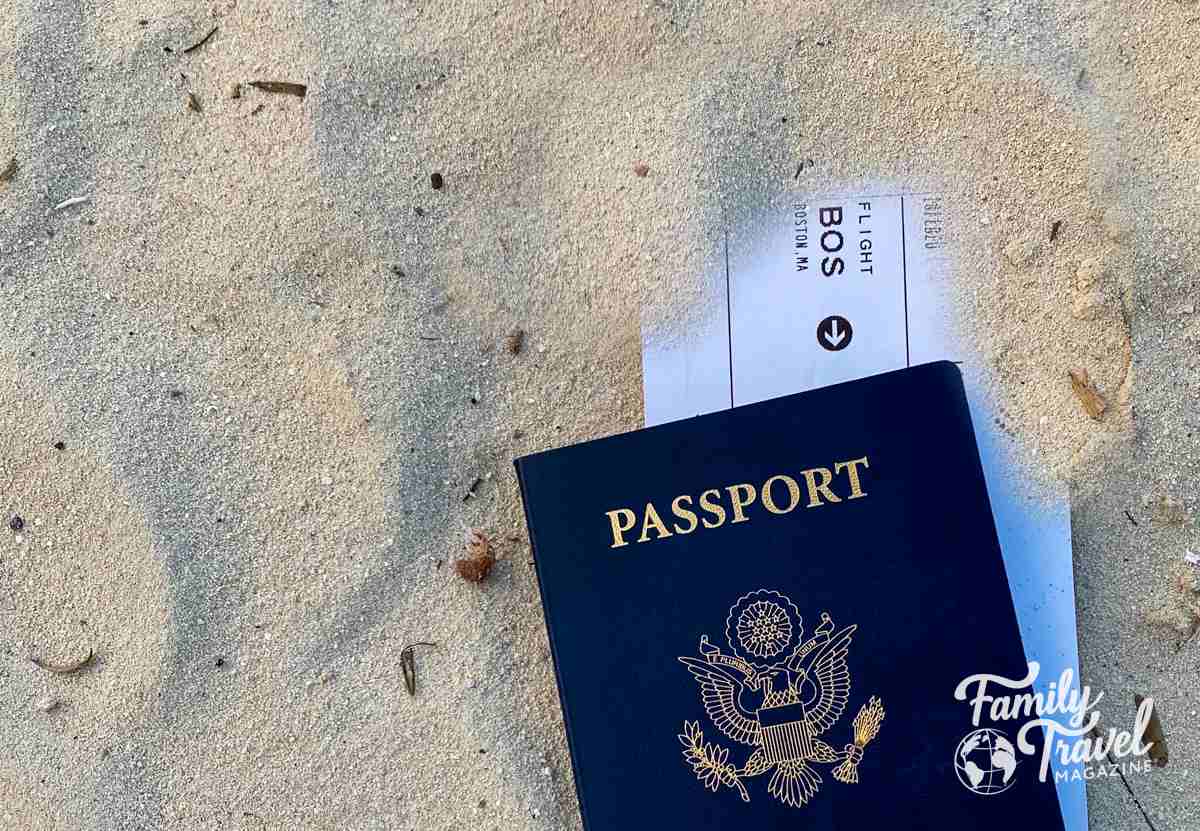
Maritime regulations and international border controls necessitate strict adherence to pre-cruise documentation requirements. Passengers must verify passport validity months in advance, ensuring expiration dates align with international travel laws, which often require passports to be valid for at least six months beyond the scheduled return date.
Following booking, passengers must complete mandatory online check-in procedures within specified windows set by the cruise line. During this phase, travelers upload identification documents, submit security photographs, and select port arrival times. Selecting an early arrival time is statistically favored by experienced cruisers, as it minimizes terminal congestion and extends onboard enjoyment time.
Concurrently, travelers must review exhaustive lists of prohibited items enforced by port security and maritime authorities. Common household items, including certain types of irons, power strips with surge protectors, and heating appliances, are strictly banned due to fire hazards on vessels at sea. Confiscated items are typically retained by port security and returned only at disembarkation, causing unnecessary delays. Policies regarding the importation of personal alcohol also vary significantly by line, requiring strict compliance regarding permitted quantities and packaging.
Digital Integration and Connectivity at Sea
Modern cruise ships function as floating smart cities, heavily reliant on proprietary mobile applications. Cruise operators mandate that passengers download these applications prior to arrival, utilizing home Wi-Fi networks to test login credentials and familiarize themselves with daily schedules, deck plans, and reservation systems.
Connectivity at sea remains a distinct logistical hurdle. Traditional cellular roaming charges can accumulate rapidly unless devices are maintained in airplane mode. To manage communications, cruise lines offer tiered satellite Wi-Fi packages, ranging from basic social media access to high-speed streaming capabilities. Alternatively, travelers often coordinate land-based connectivity by utilizing international cellular day passes while docked in port, thereby avoiding costly shipboard internet packages while maintaining necessary communication channels with home.
Mitigating Travel Disruptions and Understanding Inclusions
Travel industry data underscores the vulnerability of same-day flight arrivals. To insulate against widespread airline delays, cancellations, and lost luggage incidents, travel professionals strongly recommend arriving at the embarkation city at least one night prior to departure. This buffer not only safeguards against missed sailings—which occur strictly without compensation if caused by passenger travel delays—but also allows travelers to explore the departure port city unhurriedly.
Upon boarding, passengers frequently encounter confusion regarding inclusive versus supplemental costs. While cruise fares traditionally cover accommodations, primary dining venues, basic non-alcoholic beverages, and onboard entertainment, numerous ancillary services incur extra fees. These include specialty coffees, alcoholic beverage packages, spa treatments, gratuities, and specialized fitness classes. Financial planners advise establishing a clear budget and discussing onboard spending parameters with family members prior to departure to prevent unexpected folio charges at the conclusion of the voyage.
Embarkation, Day Bags, and Port Protocols
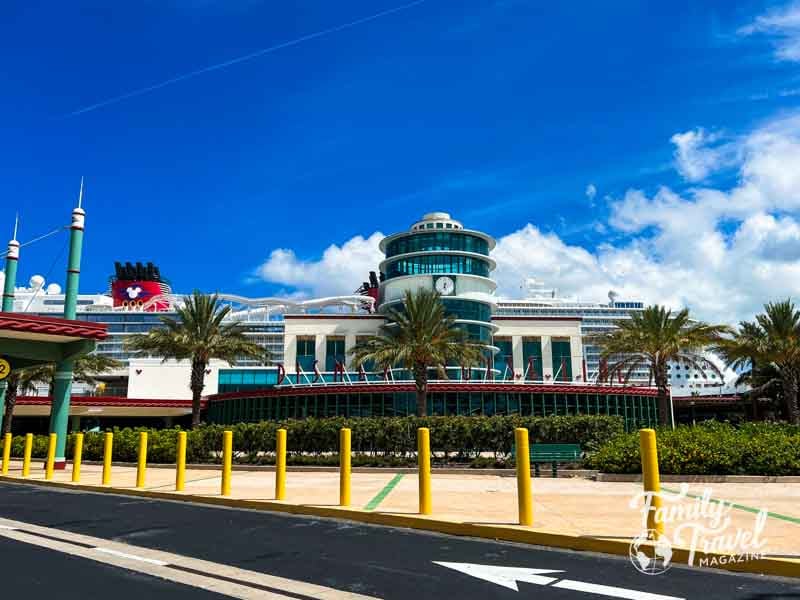
Embarkation day represents a convergence of high anticipation and rigorous security processing. Passengers must securely attach pre-printed luggage tags provided by the cruise line to their checked bags before handing them over to terminal porters, ensuring cash is available for customary tipping. Crucially, because staterooms are rarely accessible immediately upon boarding—and checked luggage may not arrive at cabins until late afternoon—experts advocate packing a dedicated day bag. This carry-on should contain essential travel documents, medications, electronic devices, valuables, sunscreen, and a change of clothes to ensure comfort during the initial hours onboard.
For port days, adherence to scheduled timelines is absolute. Official cruise line excursions guarantee that the vessel will wait if an activity is delayed. Conversely, passengers engaging in independent shore excursions bear full responsibility for returning to the ship prior to the designated "all aboard" time. Maritime law and port scheduling prohibit ships from delaying departure for independent travelers, making punctuality a paramount safety and logistical priority.
Disembarkation and Post-Cruise Planning
The final phase of the cruise lifecycle requires meticulous coordination. Days before arrival at the home port, passengers receive detailed disembarkation instructions outlining luggage collection procedures and staggered departure groups. Travelers opting for porter assistance with heavy luggage must place bags outside their stateroom doors on the final evening, retaining only essential overnight items, documentation, and toiletries in their carry-ons.
When booking return flights, industry experts advise strictly adhering to the minimum connection times recommended by cruise lines. These guidelines factor in potential customs clearance delays, port traffic, and unexpected Coast Guard inspections. By respecting these operational thresholds, first-time cruisers can conclude their maiden voyage efficiently, transitioning from shipboard relaxation to homeward travel without administrative friction.