The modern travel landscape has evolved significantly over the past decade, shifting from heavy, traditional luggage to a more streamlined, minimalist approach that prioritizes functionality and portability. With the rise of the digital nomad lifestyle and the increased accessibility of international travel, the market for travel gear has exploded. However, a common challenge for both frequent travelers and those embarking on their first long-term journey is distinguishing between essential utility and unnecessary clutter. Research indicates that the average traveler overpacks by nearly 30 percent, leading to increased airline baggage fees and physical strain. Based on a decade of continuous travel across 65 countries, industry experts have curated a definitive list of 20 essential items designed to optimize the travel experience, ensure security, and maintain a high standard of living while on the road.

The Evolution of Travel Gear and Packing Strategy
The transition toward 40-liter, carry-on-only travel represents a broader shift in consumer behavior. By minimizing gear, travelers reduce their environmental footprint and streamline airport logistics. Data from the International Air Transport Association (IATA) suggests that standardized carry-on sizing has become a critical focal point for airlines aiming to expedite boarding processes, making the selection of a high-quality, regulation-compliant backpack the foundational element of any trip. A well-organized pack is no longer just about convenience; it is a logistical necessity in an era of strict airline weight limits.
Culinary Independence: Espresso and Coffee Solutions
For many, the morning coffee ritual is non-negotiable. While many hotels provide standard drip coffee, enthusiasts often find it insufficient. The Handpresso, a compact, manual-pump espresso machine, allows travelers to produce high-quality shots using ground coffee or ESE pods. From a fiscal perspective, this represents a significant long-term saving. A standard latte in a metropolitan area can cost upwards of $4.00; conversely, brewing espresso at home—or in a hotel room—typically costs approximately $0.15 per serving. Furthermore, the integration of portable "boil coils" or immersion heaters allows travelers to boil water in minutes, bypassing the need for bulky hotel kettles. The AeroPress remains a primary competitor in this space, favored for its durability and ease of cleaning, providing a lighter alternative for weight-conscious travelers.

Organizational Efficiency and Compression
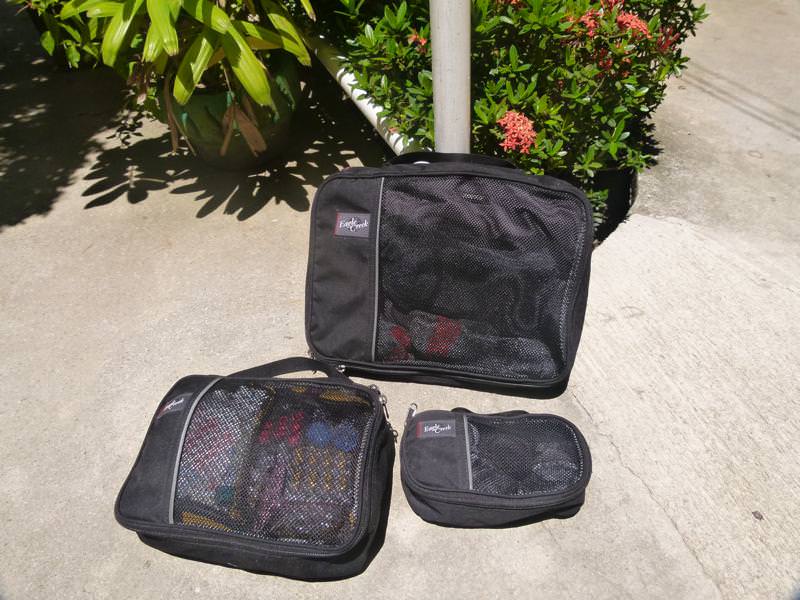
The adoption of modular packing, specifically through the use of zipper-sealed packing cubes, has revolutionized luggage management. These tools serve two primary purposes: compression and categorization. By isolating clothing types, travelers can maintain order within a confined space. Brands such as Eagle Creek have set the industry standard for durability, utilizing heavy-duty zippers that withstand the physical stress of overpacking. Professional organizers emphasize that this method prevents the common issue of "rummaging," which often leads to wrinkled clothing and lost items.
Advancements in Aerial Photography and Content Creation
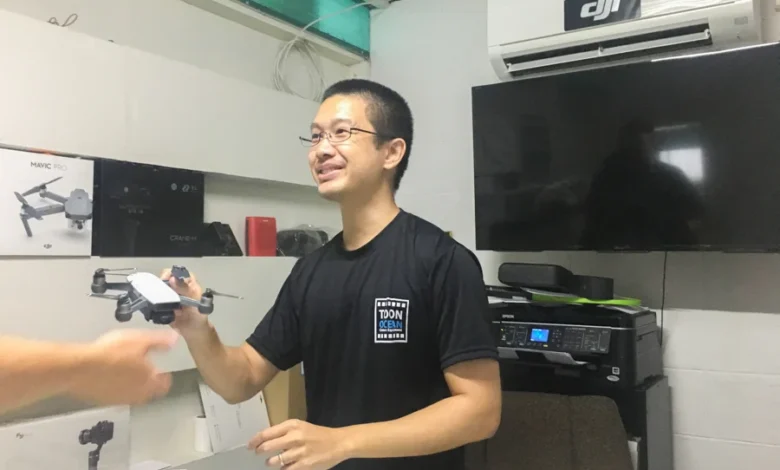
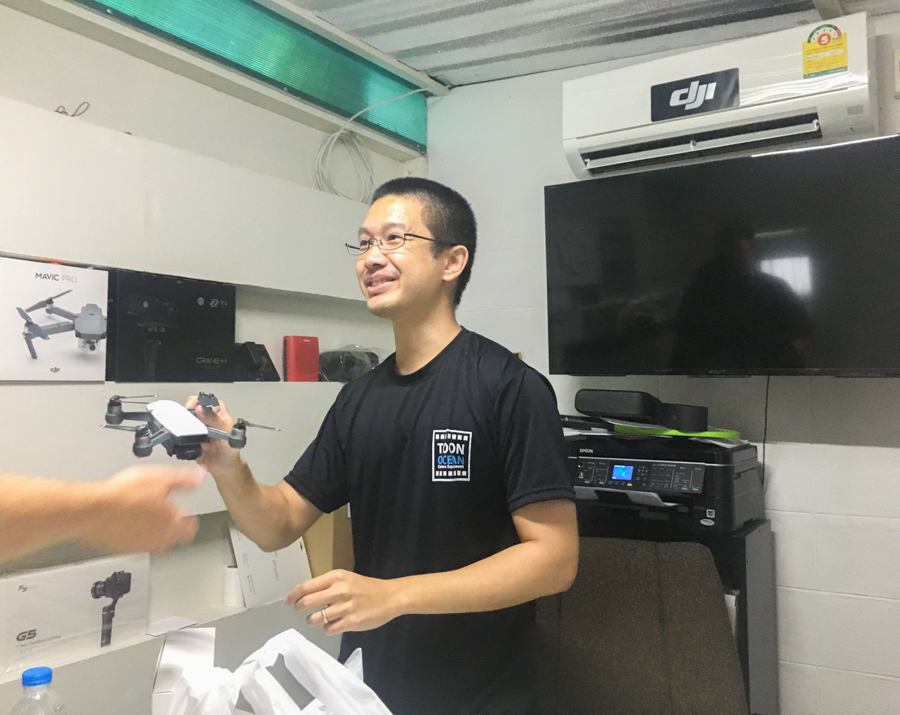
The proliferation of consumer-grade drones has fundamentally changed the nature of travel documentation. Since the debut of the DJI Phantom in 2014, the technology has transitioned from specialized equipment to highly portable, folding designs. Modern drones like the DJI Mavic Mini or Spark offer professional-grade stabilization and high-resolution imaging in a form factor that fits into a standard jacket pocket. For travelers, this provides a unique perspective of landscapes that were previously inaccessible, though it is imperative to remain compliant with local civil aviation regulations, which vary significantly by jurisdiction.
Digital Connectivity and Power Management
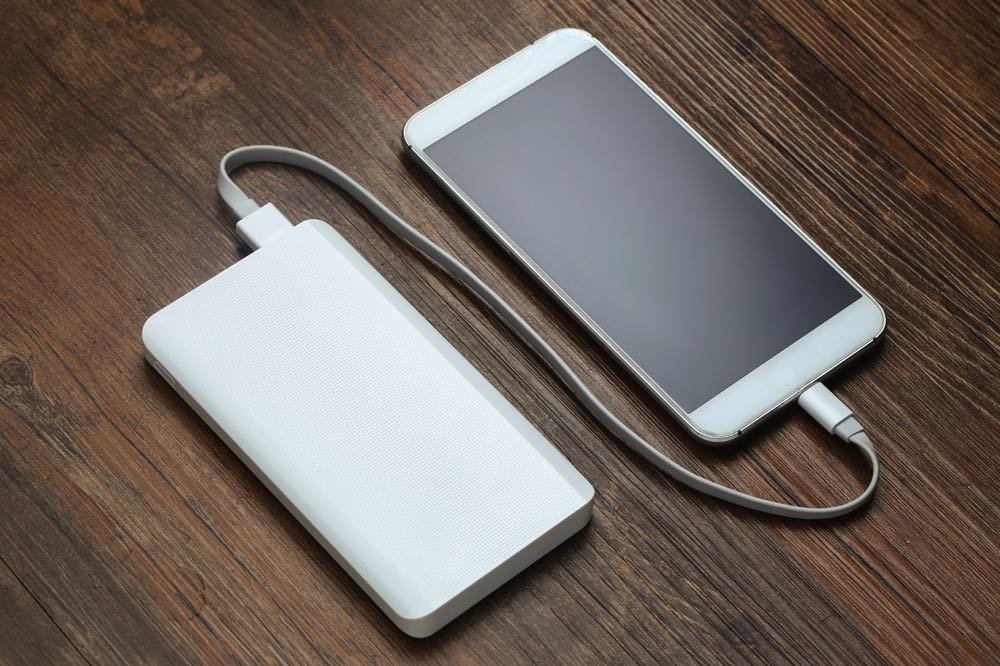
Reliable power is a requirement for modern navigation, communication, and work. The reliance on smartphones for maps, boarding passes, and currency conversion has made portable power banks an essential safety feature. High-capacity units, such as those produced by RavPower or Anker, can provide multiple full charges to modern devices. Industry best practices recommend carrying a tiered power solution: a high-capacity bank for long-haul transit and a credit-card-sized auxiliary charger for short-day trips, ensuring that no traveler is left without access to critical digital infrastructure.
Soundscapes and Noise Management
Noise-canceling technology has become the industry standard for frequent fliers. Bose QuietComfort earbuds utilize active noise cancellation (ANC) to counteract cabin frequencies, which has been shown in studies to reduce traveler fatigue during long-haul flights. Complementing this, traditional foam earplugs like the Laser Lite series offer a passive, inexpensive solution for unpredictable sleeping environments. The combination of ANC technology and passive blocking is widely regarded by travel consultants as the most effective strategy for ensuring rest in high-noise environments.
Imaging Technology: Beyond the Smartphone
While smartphone camera technology has made significant strides, dedicated compact cameras—such as the Canon G7x series or the Sony RX100 line—continue to dominate the market for travelers who require superior optical zoom, manual controls, and high-quality low-light performance. A recurring issue in compact video is poor audio capture in windy conditions. The industry-standard "hack" for this is the application of a small, adhesive wind muff to the camera’s internal microphone, which drastically improves audio clarity without the bulk of an external shotgun mic.
Safety and Security Protocols
Travel security extends to personal belongings and lodging integrity. Portable doorstop alarms are highly recommended by security experts for solo travelers, particularly those staying in short-term rentals or hostels. These devices serve a dual purpose: they physically impede unauthorized entry and emit a high-decibel alarm (120dB) if the door is forced. Additionally, the transition from key-based locks to combination-based, TSA-approved locks eliminates the risk of losing small keys while ensuring that airport security can conduct necessary inspections without damaging luggage.
Sustainable Hydration and Hygiene
Environmental consciousness has driven a surge in the use of reusable water bottles and purification technology. In regions where tap water is non-potable, travelers are increasingly opting for Steri-Pen UV purifiers rather than relying on single-use plastics. This not only reduces the volume of plastic waste generated by tourism but also provides a consistent supply of safe drinking water. When combined with sanitizing wet wipes, which remain a primary tool for maintaining hygiene in transit or remote environments, the traveler can maintain health standards without the need for excessive chemical disinfectants.
Ethical Apparel and Versatility
The shift toward "technical-lifestyle" clothing, pioneered by brands like Prana, emphasizes the importance of versatility. Travel apparel today is designed to transition from rugged hiking trails to urban environments seamlessly. Ethical manufacturing, Fair Trade certification, and the use of organic or recycled materials have become significant considerations for the modern traveler. These garments are characterized by their moisture-wicking properties, wrinkle resistance, and high durability, allowing for a smaller, more sustainable wardrobe.

Female Health and Specialized Logistics
Managing long-term travel while maintaining personal health requires specific, often overlooked, gear. The menstrual cup has gained significant traction among long-term travelers due to its longevity, compact size, and reduced environmental impact. Unlike traditional disposable products, which are often unavailable or difficult to dispose of in many parts of the world, these devices provide a sustainable solution for extended travel durations, allowing for greater freedom and convenience during transit.
Broader Implications of Mindful Packing
The cumulative effect of adopting these 20 essentials is a more controlled, efficient, and sustainable travel experience. By focusing on multi-functional, durable, and space-saving items, travelers are better equipped to handle the unpredictable nature of global transit. As travel continues to recover and expand, the emphasis on quality over quantity will remain the cornerstone of effective trip planning. The goal of any packing strategy should be to reduce the cognitive load of travel, allowing the individual to focus on the destination rather than the management of their belongings. While specific needs may vary based on geography and activity, the integration of these foundational tools ensures that the traveler is prepared for both the routine and the unexpected.
Related posts: