For millions of international travelers, the first visit to Barcelona is defined by a specific, well-trodden circuit: the spires of the Sagrada Família, the whimsical mosaics of Park Güell, the winding corridors of the Gothic Quarter, and the crowded thoroughfares of La Rambla. According to data from the Barcelona Tourism Observatory, the city welcomed over 12 million visitors in 2023, with a significant concentration of foot traffic occurring within the historic Ciutat Vella district. While these iconic landmarks remain cultural cornerstones, repeat visitors are increasingly shifting their focus toward the city’s peripheral neighborhoods, culinary heritage, and the broader Catalan region.
The Evolution of the Barcelona Itinerary
The shift from "highlight-chasing" to experiential travel is a growing trend in urban tourism. Early tourism models in Barcelona were built around the 1992 Olympic Games, which transformed the city’s international profile and centralized infrastructure around major landmarks. Over three decades later, the narrative has evolved. City planners and local tourism boards have begun promoting a "decentralized tourism" strategy, encouraging visitors to disperse into districts like Sant Antoni, Poblenou, and Poble Sec to alleviate the density issues currently affecting the Gothic Quarter and the Sagrada Família area.

Historically, the city’s tourism growth has been rapid. In 1990, Barcelona recorded approximately 1.7 million overnight visitors; by 2019, that number had surged to over 12 million. This 600% increase has led to a strategic pivot. Modern travel initiatives now focus on "slow tourism," encouraging deeper engagement with neighborhoods that maintain a distinct cultural identity separate from the primary tourist hubs.
Deep Dive into the Diverse Districts
For those looking to bypass the central crowds, several neighborhoods offer a more authentic view of contemporary Barcelona.
El Raval: The Cultural Melting Pot
Situated to the west of La Rambla, El Raval stands in stark contrast to the medieval aesthetic of the Gothic Quarter. Historically known as the Barrio Chino, it has undergone significant urban renewal since the late 1990s. Today, it serves as the epicenter for the city’s contemporary art scene, anchored by the Museu d’Art Contemporani de Barcelona (MACBA). The neighborhood’s diversity is reflected in its demographic profile, as it remains a hub for migrant communities and local artists. Visitors here are advised to engage with the street-level art culture and the diverse culinary offerings that define this historically working-class district.

Gràcia: A Village Within a City
Until its annexation by Barcelona in 1897, Gràcia was an independent municipality. This history is still etched into its urban fabric, characterized by narrow, pedestrian-friendly streets and a high density of public plazas, such as Plaça del Sol. Unlike the central districts, Gràcia has successfully resisted large-scale commercial homogenization, preserving a high concentration of independent boutiques and family-run cafés. It represents the "village" spirit that many urban residents seek to protect against the encroachment of mass-market retail.
Poblenou: Industrial Transformation
Once known as the "Manchester of Catalonia," Poblenou was the heart of the city’s industrial revolution. In the lead-up to the 1992 Olympics, the area underwent a massive transformation, rebranding itself as the 22@ innovation district. Former textile factories now house technology firms, design studios, and contemporary galleries. This neighborhood is an essential stop for those interested in industrial architecture and the evolution of urban planning, as it perfectly encapsulates the transition from a manufacturing past to a knowledge-based future.
Gastronomy and the Market Economy
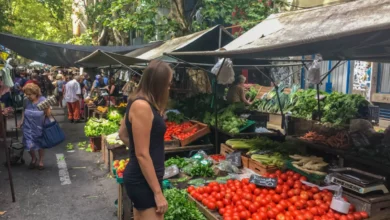
Food culture remains a primary driver for repeat tourism. While the Boqueria Market on La Rambla is globally recognized, it has become increasingly difficult for local residents to utilize due to its popularity. In contrast, the Mercat de Sant Antoni, which reopened in 2018 following a nine-year, €80 million renovation, offers a glimpse into the daily life of a Catalan neighborhood. The market is not merely a retail space; it serves as a social anchor. On Sundays, the surrounding streets transform into a sprawling open-air market for books and collectors’ items, providing a distinct economic and cultural experience that few first-time tourists encounter.

In Poble Sec, the focus shifts to the tradition of "pintxos"—small, bite-sized snacks traditionally served on a piece of bread, pinned with a toothpick. Carrer de Blai has emerged as a landmark for this dining style, fostering a communal atmosphere that encourages movement between venues rather than a sedentary, single-course meal.
Regional Connectivity: Beyond the City Limits
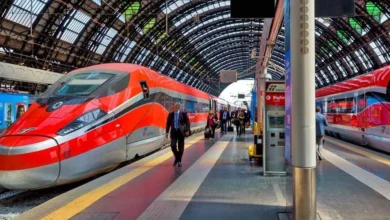
Barcelona’s position as a transit hub makes it an ideal base for exploring the Catalonia region. The high-speed rail network (AVE and Avant services) has effectively compressed distances.
- Girona: Located approximately 40 minutes by high-speed train, Girona’s medieval walls and preserved Jewish Quarter provide a historical counterpoint to Barcelona’s modernist architecture.
- Alella: Situated just 15 kilometers north of the city, this wine region specializes in Pansa Blanca, a local variety of white wine. It is a prime example of the "enotourism" movement that has gained significant traction in Northern Spain.
- Montserrat: While a popular day trip, a structured visit to the Benedictine abbey and the surrounding geological formations offers an insight into Catalan spirituality and natural history. Visitors are encouraged to utilize the regional FGC rail lines to minimize the environmental impact of road travel.
The Impact of Local Engagement
Local industry experts, including those from organizations like Fernwayer, emphasize that the value of a return trip lies in context. A city that seems like a collection of monuments on a first visit reveals itself as a complex, multi-layered society on subsequent trips.

From an economic perspective, the dispersion of tourism has a direct impact on the city’s sustainability. By moving traffic away from high-density hotspots, visitors contribute to the economic health of secondary neighborhoods, support local businesses that are not reliant on the tourist "gift shop" economy, and reduce the strain on the city’s historic infrastructure.
Strategic Recommendations for the Returning Visitor
- Prioritize Neighborhood Focus: Select one district—such as Poblenou or Sant Antoni—and dedicate at least two days to its exploration. This allows for a deeper understanding of the local micro-economy.
- Use Public Infrastructure: Leverage the comprehensive T-Mobilitat transit system to reach regions like Alella or Girona, which are often overlooked by visitors relying on organized, high-cost bus tours.
- Engage with Local Expertise: Utilize guided, small-group tours that focus on history, architecture, or gastronomy. These tours often provide access to sites not listed in mainstream guidebooks and offer a nuanced narrative of the city’s political and social history.
- Seasonal Timing: Barcelona’s tourism peak occurs between June and August. Visiting in the shoulder seasons (October–November or March–April) allows for a more authentic interaction with local daily life and reduces the friction associated with overcrowding.
Ultimately, the transformation of a visitor’s relationship with Barcelona is a process of shedding the "tourist" label and adopting that of a "temporary resident." By moving beyond the initial bucket list, travelers not only gain a richer personal experience but also play a critical role in the ongoing, delicate balance between the city’s global status and its local soul.
Related posts: