The Evolution of the Babymoon: Why Traveling with a Toddler Requires a New Strategic Approach


The concept of the "babymoon"—a final vacation taken by expectant parents before the arrival of a new child—has shifted significantly over the past decade. Traditionally marketed as a romantic, couple-focused getaway, the modern iteration of this travel trend has evolved to accommodate the realities of growing families. For many parents expecting their second child, the babymoon is no longer an exclusive retreat for two; it is a complex, logistical balancing act that involves integrating the needs of a toddler with the physical limitations and preparations of pregnancy.

The Changing Demographic of Prenatal Travel
Market data indicates that the "second-time parent" demographic is increasingly prioritizing family-inclusive travel. Unlike the first-time parent, who may opt for adventurous, high-activity itineraries, the second-time parent is constrained by the rigid schedules of a toddler—naps, early bedtimes, and specific dietary needs.
According to recent travel industry trends, the preference for luxury, high-adventure travel during pregnancy is declining among repeat parents in favor of convenience-based models. Industry analysts note that "low-friction" travel, such as all-inclusive resorts or short-distance road trips, has seen a 25% increase in popularity among families expecting their second child. This shift is not merely a preference; it is a necessity driven by the physical toll of a subsequent pregnancy and the behavioral demands of a toddler.

Chronology of the Modern Babymoon
The lifecycle of a second-time parent’s babymoon often follows a predictable pattern of planning and execution. In the first trimester, many families begin discussing the feasibility of a trip. By the second trimester—often cited by medical professionals as the "golden window" for pregnancy travel due to reduced morning sickness and higher energy levels—families typically finalize their destinations.
The timeline of a successful trip often mirrors the following structure:

- The Research Phase (Weeks 14-20): Parents analyze accommodation suitability, focusing on proximity to medical facilities and the availability of child-friendly amenities.
- The Booking Phase (Weeks 20-24): Flights and lodging are secured. Experts recommend booking during this window to ensure airline requirements—such as physician clearance letters—are met in advance.
- The Execution Phase (Weeks 26-32): The travel window is ideally restricted to this period. Beyond week 32, many airlines impose strict restrictions on pregnant travelers, and mobility becomes increasingly limited.
- The Post-Trip Recovery: Recognizing the physical demand of travel, seasoned parents build in a buffer period before the anticipated due date to ensure rest.
Comparative Analysis: First vs. Second Babymoons
A primary distinction between the first and second babymoon lies in the objective of the excursion. A first babymoon is frequently characterized by spontaneity and physical exploration. For instance, many couples opt for hiking-intensive trips or city-hopping tours. However, medical professionals and travel consultants alike suggest that repeating this model for a second pregnancy can be counterproductive.
The primary implication of the second-time babymoon is the shift in "energy allocation." A pregnant woman managing a toddler has a significantly lower threshold for physical exertion. Consequently, the second babymoon often adopts a "hub-and-spoke" model: a single, comfortable base of operations—such as a resort or a short-term rental—from which limited, low-stress activities are launched. This strategy minimizes the cognitive load of constant travel planning and provides a safe, controlled environment for the toddler.

Supporting Data on Travel Safety and Comfort
Traveling while pregnant, especially with a toddler, necessitates strict adherence to safety protocols. Public health data emphasizes the importance of proximity to high-quality healthcare. When traveling internationally, parents are advised to verify that their travel insurance covers pregnancy-related complications and that the destination has modern obstetric facilities.
Furthermore, the logistical burden of "toddler gear"—strollers, portable cribs, and specialized food—often necessitates a shift toward "ease-of-access" destinations. Data from family travel platforms show that resorts with on-site childcare or "baby-friendly" programs are now the most searched-for accommodations by this demographic. These facilities mitigate the risk of parental burnout, allowing the expectant mother to secure the rest required for a healthy pregnancy.

Strategic Recommendations for Parents
Travel experts and parenting consultants provide several evidence-based recommendations for families planning a second babymoon:
- Prioritize Infrastructure over Aesthetics: While a remote, picturesque location may be desirable, the lack of immediate access to pharmacies, familiar food, or medical care can create unnecessary stress.
- The "One-Activity" Rule: To manage the toddler’s temperament and the mother’s physical capacity, families are advised to limit the itinerary to one primary activity per day. The remaining time should be designated for unstructured rest or low-impact play.
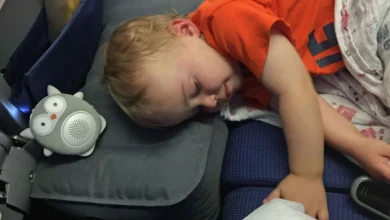
- Nap-Time Logistics: Whether at home or abroad, the toddler’s sleep schedule remains the bedrock of a successful trip. Accommodation choices should prioritize separate sleeping areas, allowing the parents to maintain their own evening routines once the toddler is asleep.
- Medical Consultation: Regardless of the destination, a consultation with an obstetrician is non-negotiable. This is particularly vital for international travel, where vaccination requirements or travel advisories may impact the mother’s health.
Broader Implications for the Travel Industry
The rise of the "toddler-inclusive" babymoon has forced the hospitality industry to adapt. Hotels and resorts that traditionally focused on either adult-only romance or high-energy family waterparks are now creating "transitional" spaces. These include family suites with kitchenettes, designated quiet zones for toddlers, and concierge services tailored to the specific needs of pregnant women.

This market segment is projected to grow as millennial and Gen Z parents continue to prioritize travel as a core component of their family identity. However, this growth is accompanied by a demand for higher standards of service and safety. The industry’s ability to cater to these specific, complex requirements will likely determine the success of family-focused hospitality brands in the coming years.
The Psychological Significance of the Trip
Beyond the logistics, the second babymoon serves a critical psychological function: it provides a definitive "pause" before the family structure expands. As the toddler prepares to transition into the role of an older sibling, this trip acts as a period of focused, undivided attention.

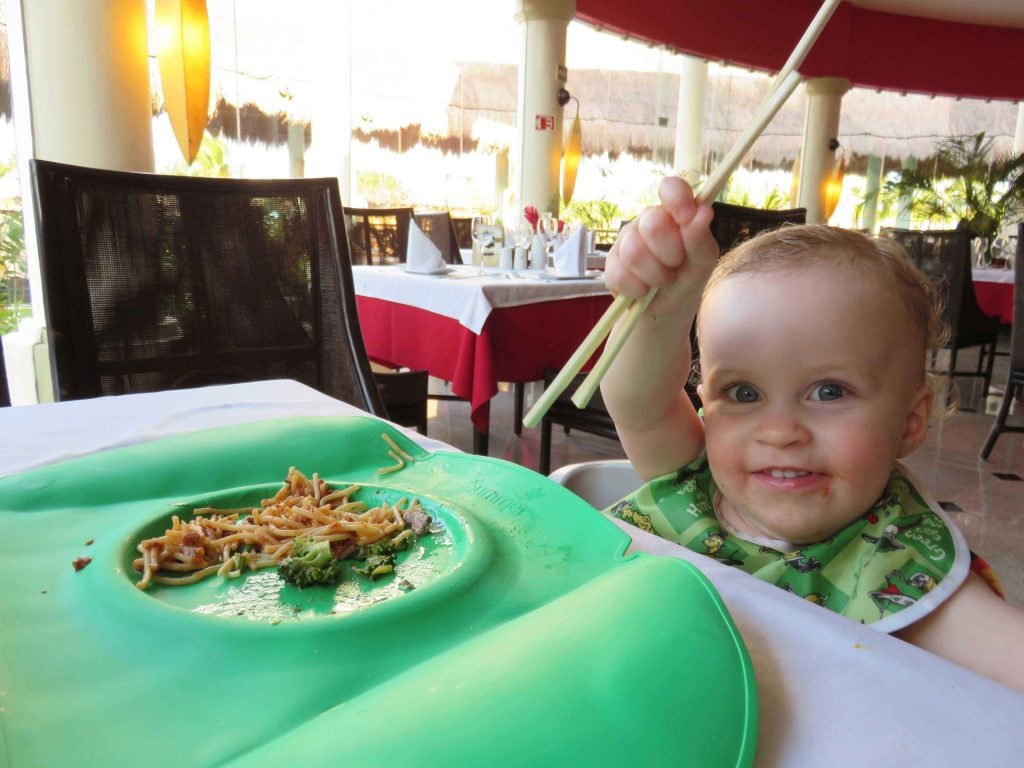
Child development experts note that these experiences, while often demanding for the parents, provide the toddler with a sense of stability and connection during a time of looming transition. By centering the experience on simple, shared activities—such as beach play, gentle walks, or shared meals—the parents can foster a positive association with the changes to come.
Conclusion: A Realistic Approach to Family Travel
A successful babymoon with a toddler is not measured by the number of sites visited or the distance traveled, but by the level of stress mitigated and the quality of time preserved. As the expectations surrounding pregnancy and parenting continue to modernize, the babymoon has transitioned from an indulgence to a logistical necessity.
By prioritizing manageable travel, choosing accommodations that support the family’s specific rhythm, and keeping expectations grounded in the reality of pregnancy and toddlerhood, families can ensure that this final chapter as a family of three is both meaningful and sustainable. The modern babymoon is a testament to the fact that travel, even when complicated by the demands of a growing family, remains a vital tool for bonding and personal replenishment. Whether it is a quiet weekend at a nearby cabin or a week at an all-inclusive resort, the ultimate goal remains the same: to create a foundation of rest and connection before the arrival of a new member to the family.