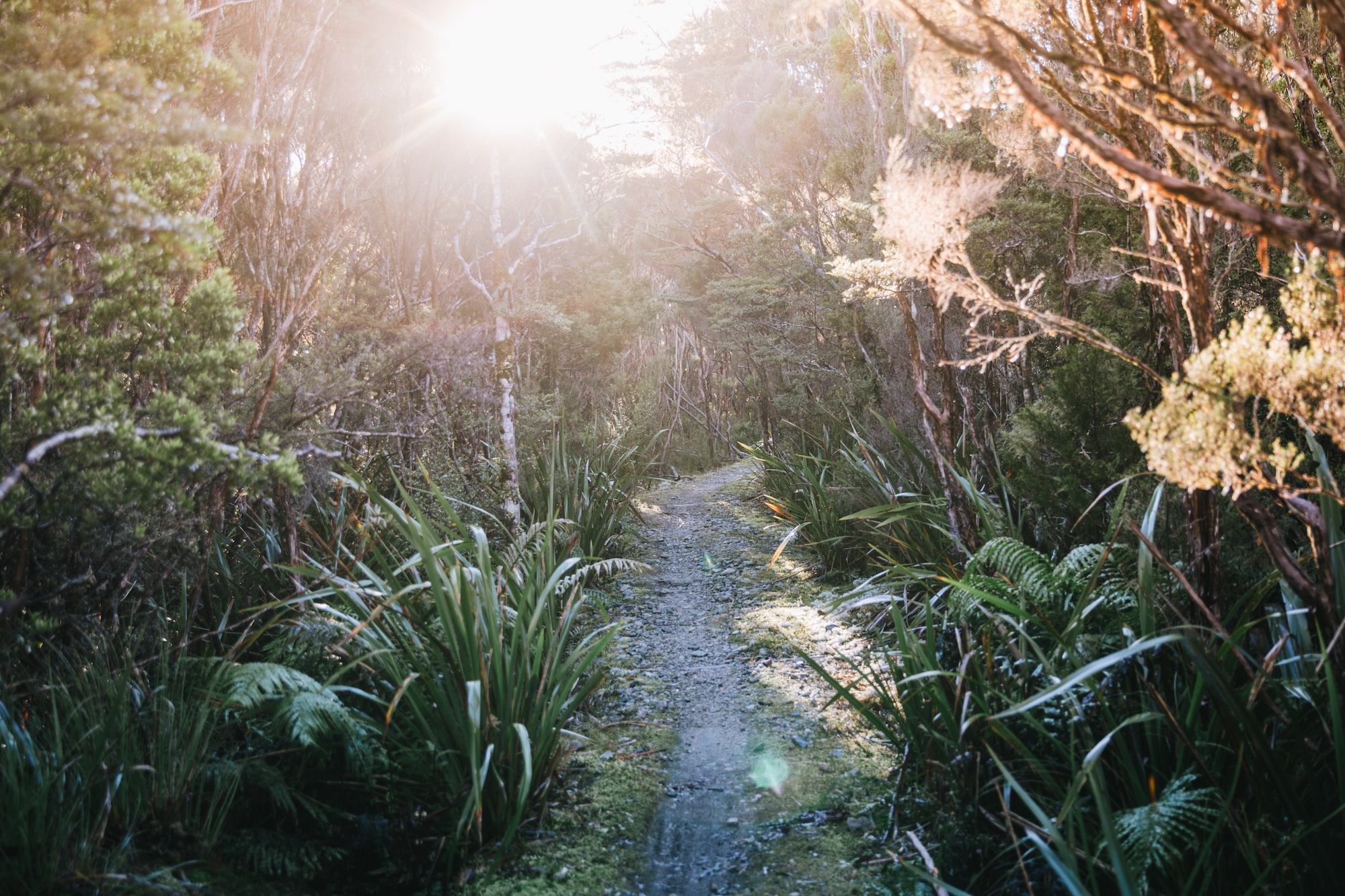
New Zealand’s Department of Conservation oversees a premier network of ten designated Great Walks, renowned globally for their diverse landscapes and superior infrastructure. Among these, the Heaphy Track stands out as the longest continuous route, spanning 84 kilometers through the rugged terrain of Kahurangi National Park. For years, the trek has captured the imagination of outdoor enthusiasts seeking a blend of coastal scenery and alpine environments. However, navigating the logistical challenges of a linear trail—where the start and end points are separated by hundreds of kilometers—has historically presented a significant barrier for independent travelers.
Navigating the Logistical Challenges of a Linear Route
The Heaphy Track presents a unique geographical hurdle for hikers and mountain bikers alike. Spanning from the West Coast trailhead at Karamea to the northern terminus in Golden Bay near Takaka, the route requires meticulous transport planning. Traditional methods of completing the track often involve arranging vehicle relocation services, which can cost upwards of $500 NZD, or enduring a lengthy, circuitous drive of approximately seven hours between trailheads.
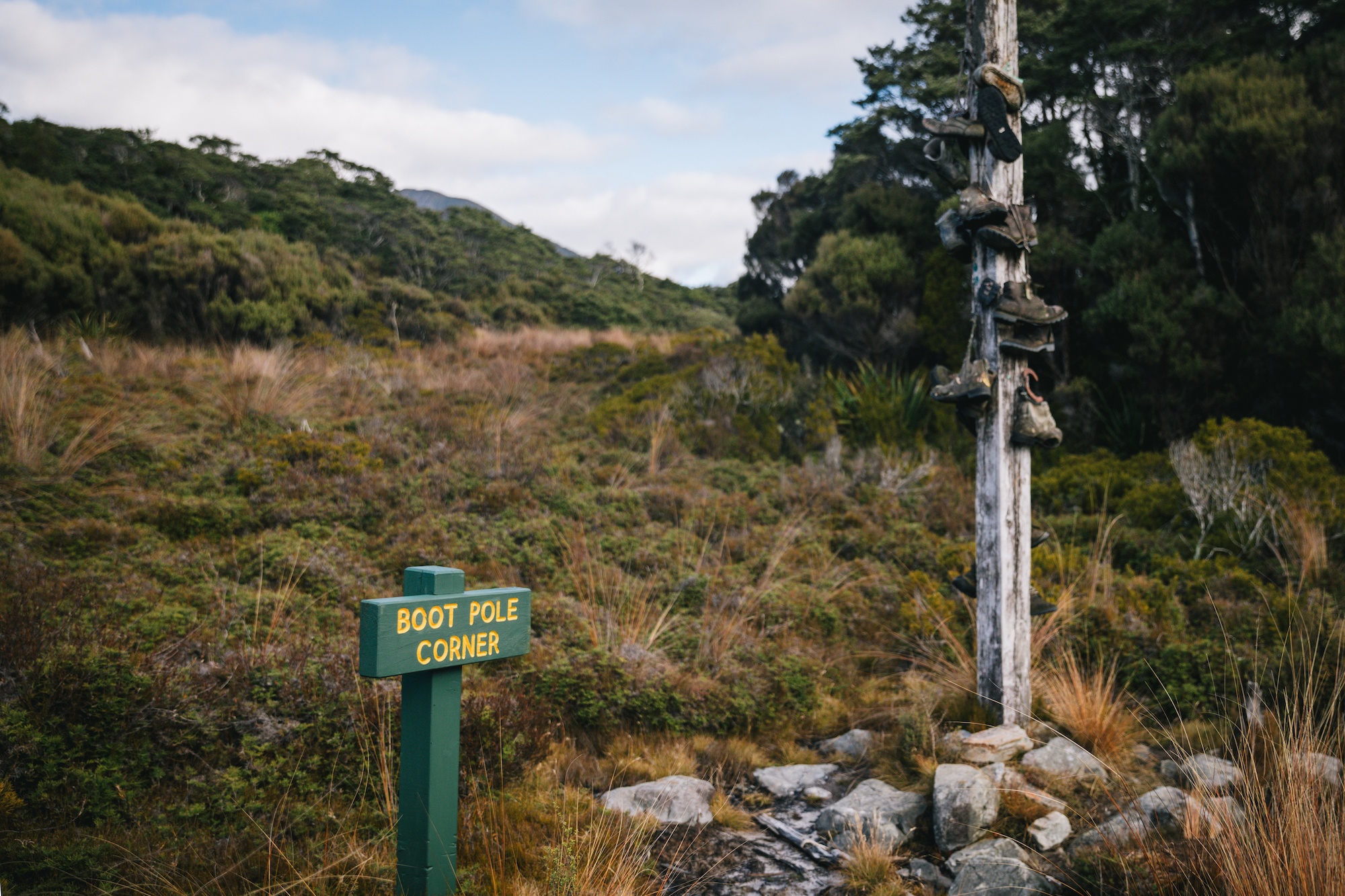
To mitigate these logistical hurdles, regional transport providers have developed integrated solutions. Services such as Golden Bay Air now offer specialized flight and shuttle packages designed to bridge the gap between Karamea and Takaka. By utilizing small-aircraft airlinks and coordinated land shuttles, travelers can bypass over 450 kilometers of driving. This streamlined approach allows solo hikers and groups to coordinate their itineraries efficiently without the financial and time-consuming burden of vehicle relocation, transforming what was once a complex planning hurdle into a seamless point-to-point journey.
Trail Profile, Infrastructure, and Accessibility
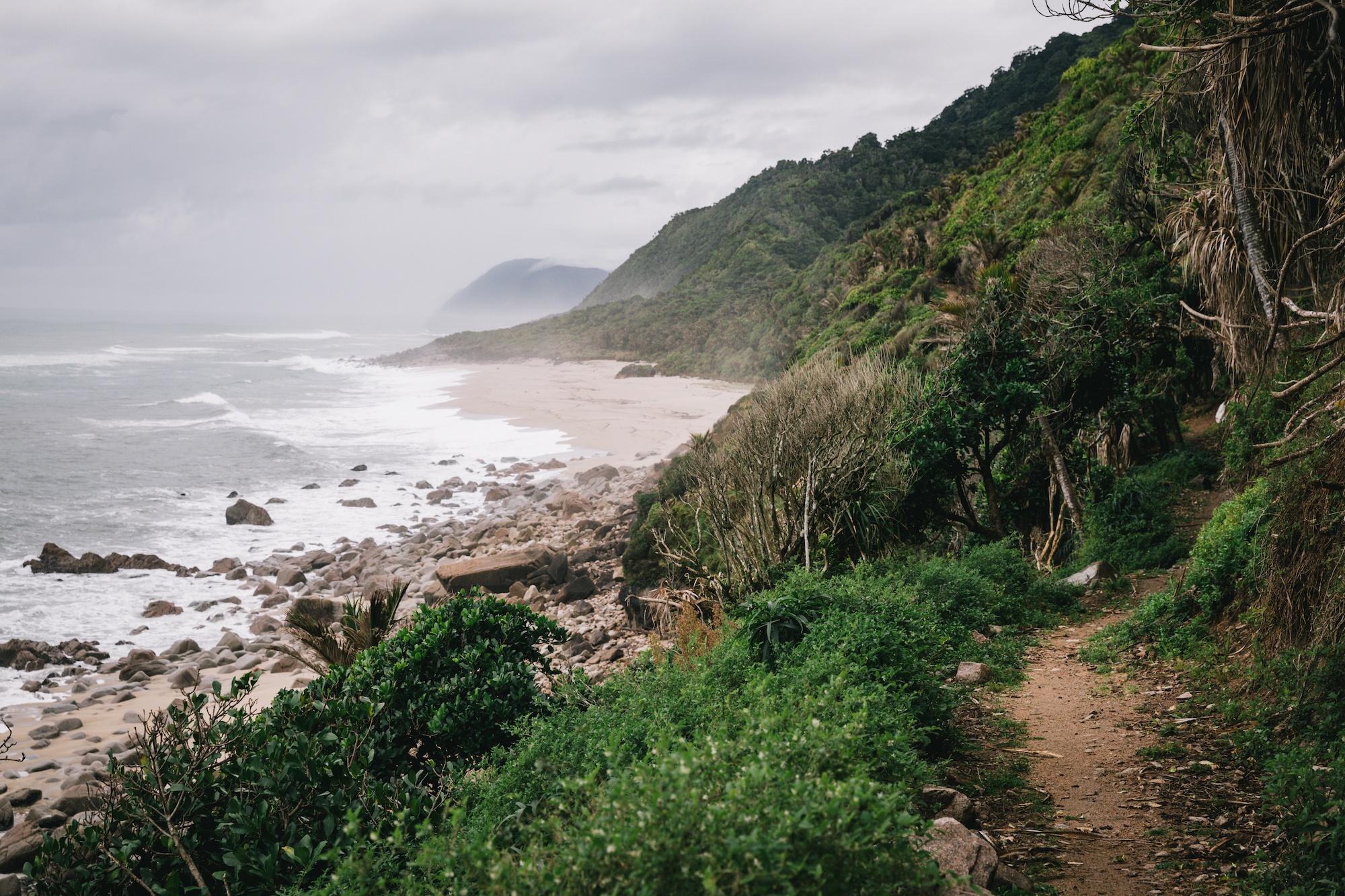
Stretching 84 kilometers through Kahurangi National Park, the Heaphy Track is traditionally completed in four to five days, with daily trekking distances averaging between 16 and 25 kilometers. Despite the seemingly daunting elevation profile—which ascends to roughly 1,000 meters above sea level—the engineering of the trail utilizes gradual inclines and well-maintained switchbacks rather than steep, direct ascents.
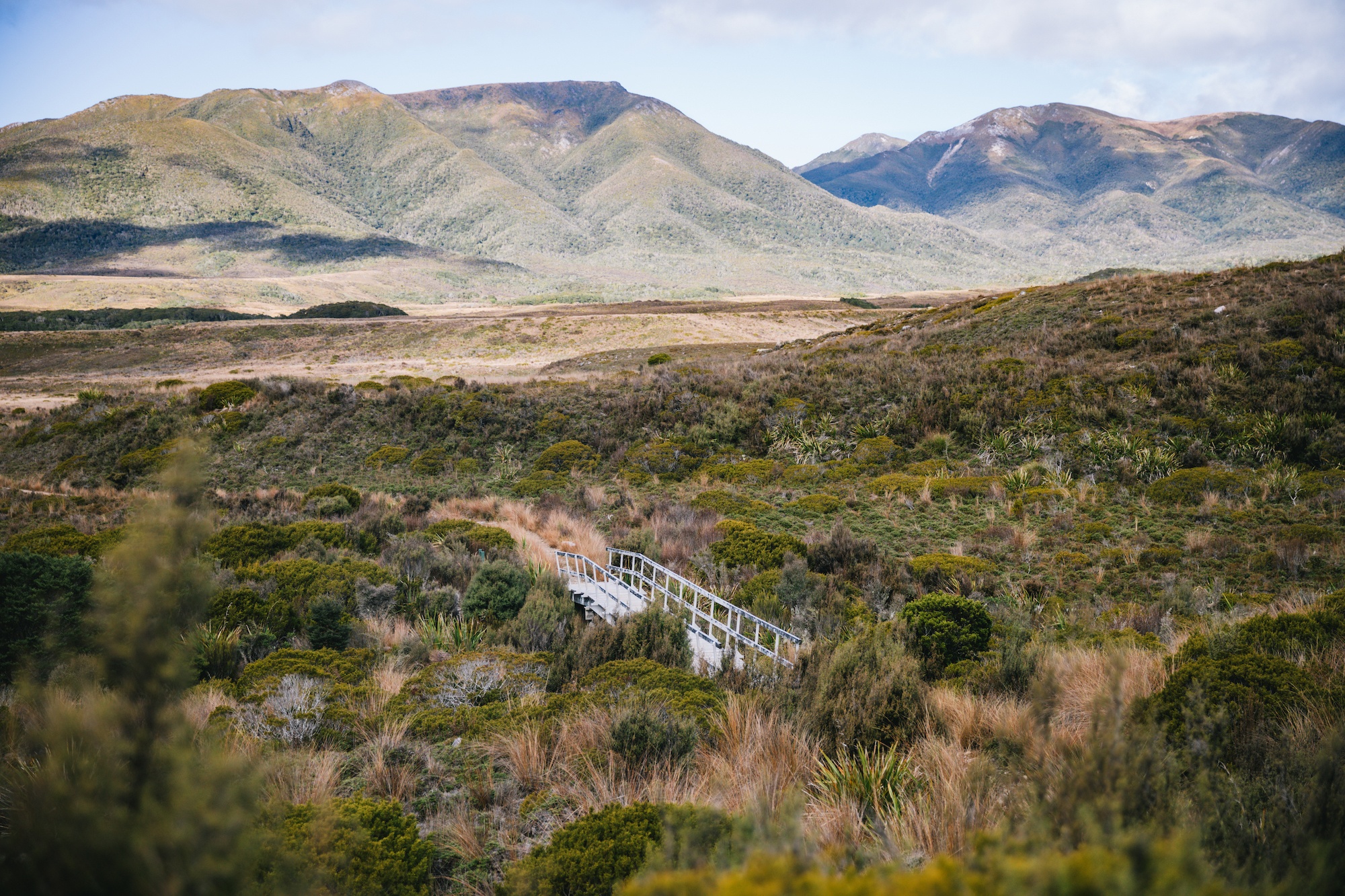
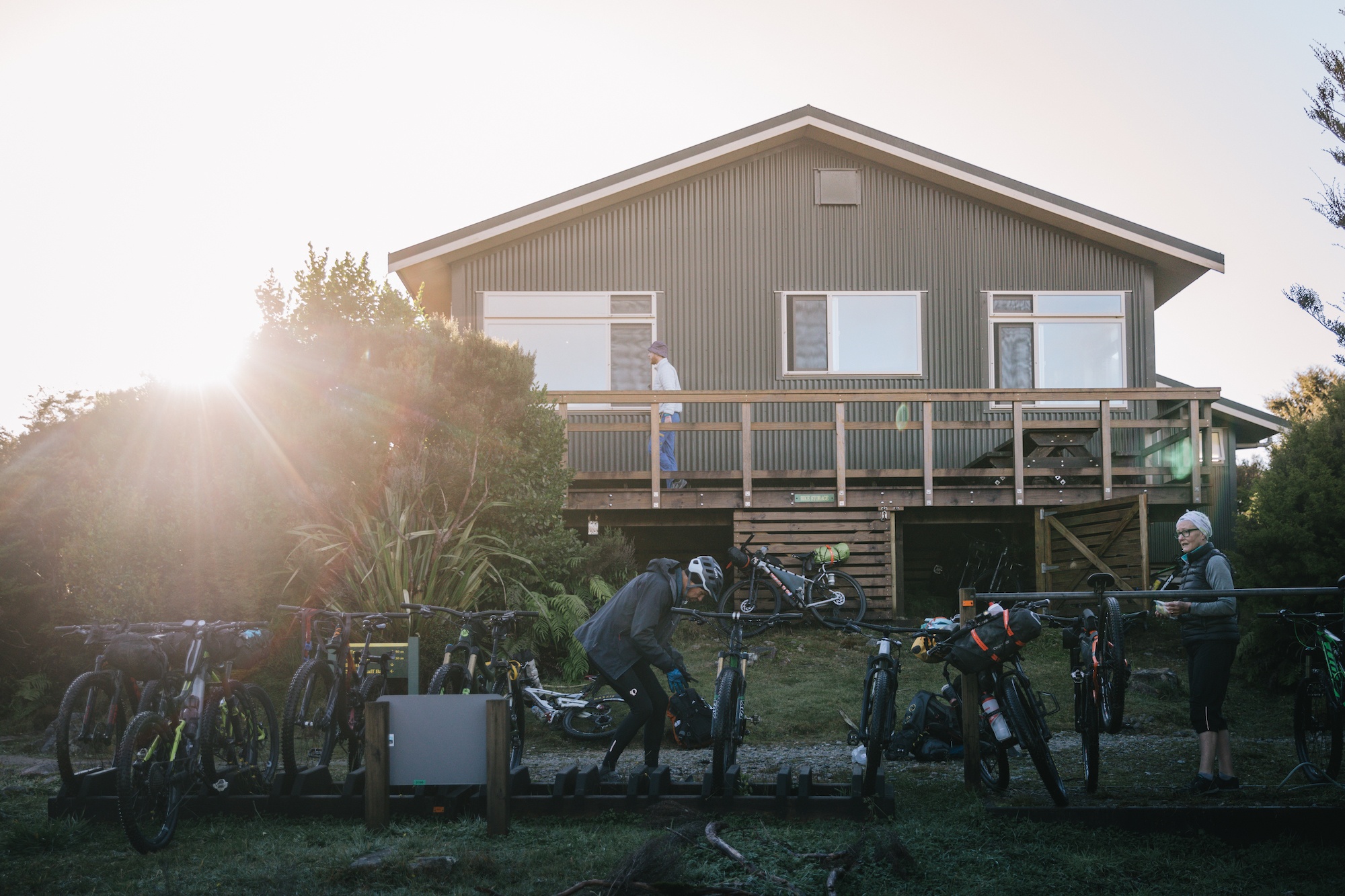
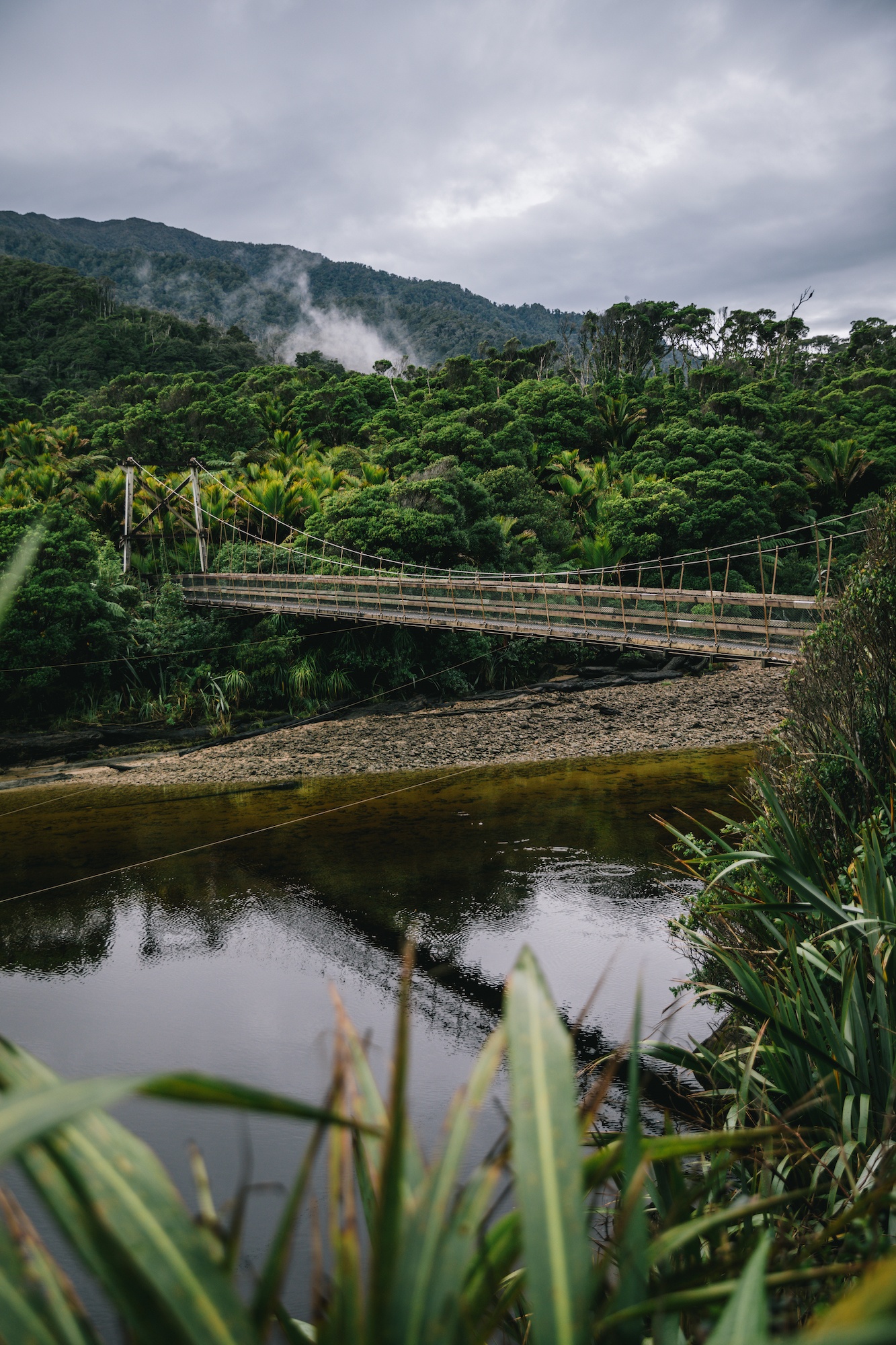
Unlike more rugged backcountry routes that require navigating river crossings, dense tree roots, and hazardous rock scrambles, the Heaphy Track benefits from high-standard infrastructure. Well-maintained bridges, wide paths, and managed facilities reflect its dual designation for both hikers and, seasonally, mountain bikers. From May 1st through November 30th, the track opens to mountain biking, a policy that necessitates wide trails and sturdy infrastructure capable of supporting multi-use recreation.
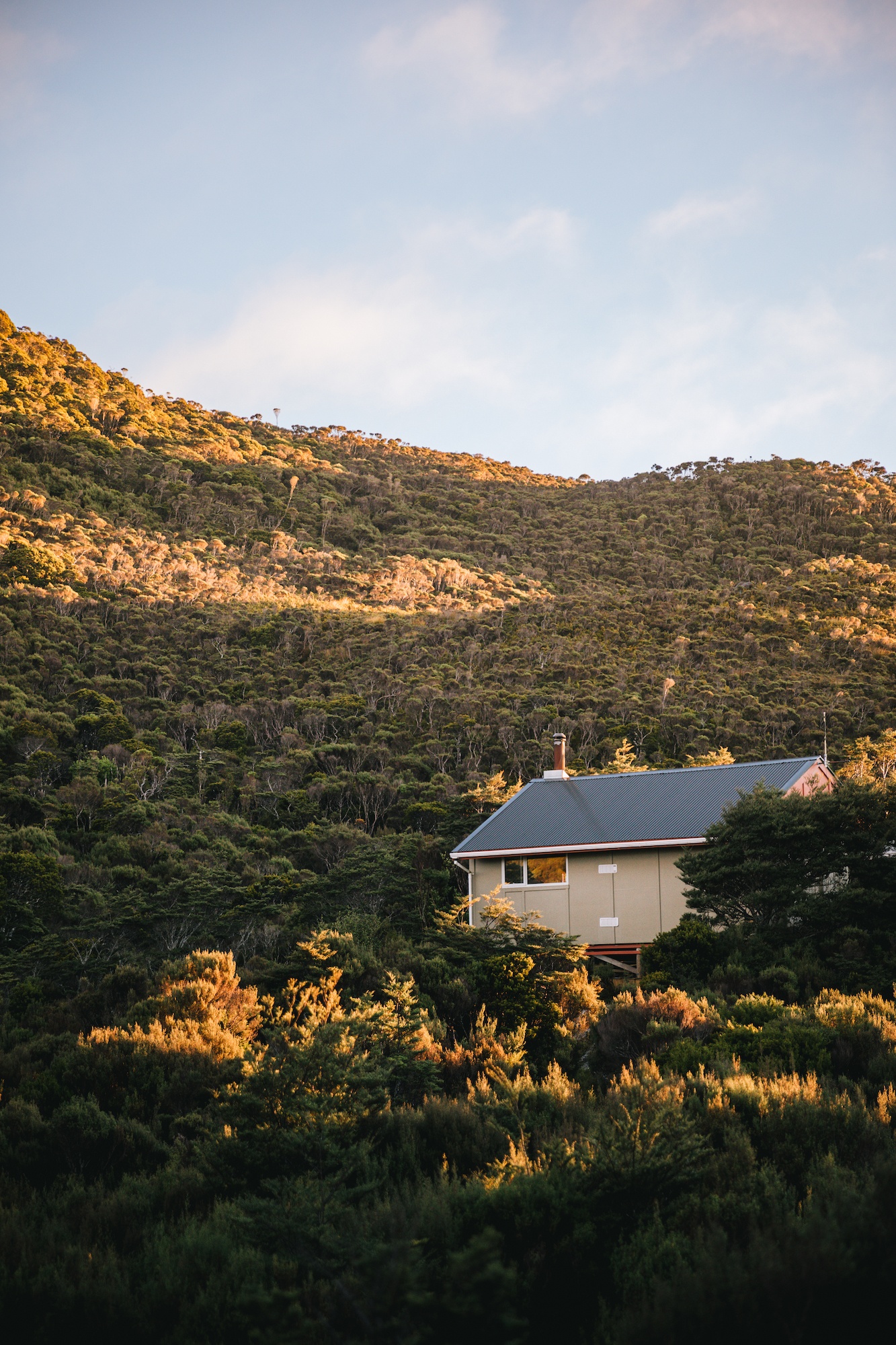
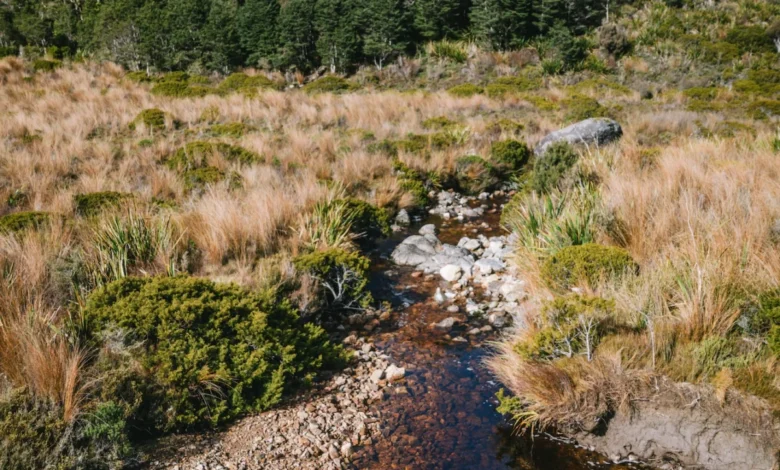
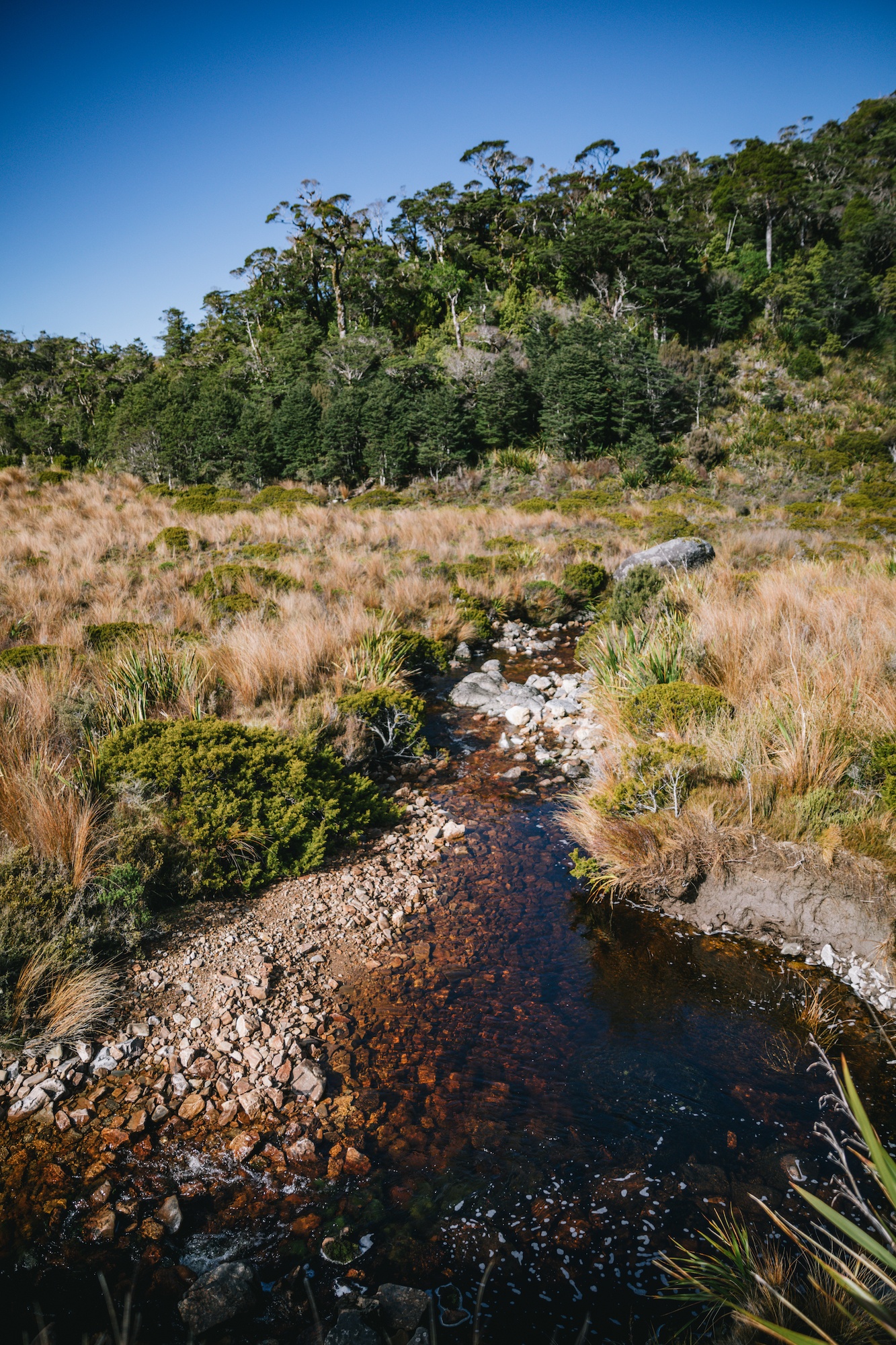
Water sources along the track are naturally stained brown from organic tannins leached from surrounding vegetation; however, Department of Conservation guidelines confirm that this water is safe for consumption. Furthermore, the route is punctuated by a series of Department of Conservation huts and emergency shelters, providing reliable accommodation and refuge during adverse weather conditions.
Biodiversity and Conservation Milestones
The ecological significance of Kahurangi National Park is widely recognized as one of the primary highlights of the Heaphy Track. Decades of intensive pest management and predator control initiatives by the Department of Conservation have fostered a thriving habitat for native New Zealand avifauna. Walkers frequently encounter endemic species including the great spotted kiwi, tūī, bellbirds, whio (blue ducks), weka, kererū, and the elusive rifleman.

Of particular note is the park’s role in avian conservation, specifically regarding the takahē. Once feared extinct for half a century until a wild population was rediscovered in the Murchison Mountains in 1948 by Dr. Geoffrey Orbell, the flightless blue bird remains a symbol of New Zealand’s conservation efforts. In 2018, Kahurangi National Park became the site of the second-ever wild population release of takahē outside of Fiordland, a monumental step in the species’ recovery program. While introduced mustelids—such as stoats—historically decimated vulnerable bird populations, ongoing predator trapping programs within the park have created a safer sanctuary for these reintroduced species.
In addition to its birdlife, the area is renowned for supporting unique invertebrate populations, including the giant carnivorous land snails of the genus Powelliphanta. These indigenous predators feed primarily on earthworms and can grow to remarkable sizes, though live specimens remain exceptionally rare and difficult to spot along the forest floor.
Safety Preparedness and Seasonal Considerations
While the Heaphy Track lacks the severe alpine avalanche risks associated with southern Great Walks like the Milford or Routeburn tracks, it remains susceptible to rapid weather shifts and heavy rainfall. Heavy precipitation can lead to localized flooding and temporary river surges, occasionally stranding hikers in huts or emergency shelters for extended periods.
Emergency management authorities and mountain safety councils strongly emphasize the necessity of thorough preparation. Independent trekkers are consistently advised to carry surplus rations and a registered Personal Locator Beacon (PLB). These satellite-enabled devices allow search and rescue teams to pinpoint a precise GPS location in the event of a medical emergency, significantly reducing search times and mitigating risks associated with backcountry isolation.

By combining modern logistical innovations, robust trail infrastructure, and targeted conservation strategies, the Heaphy Track continues to serve as a benchmark for managed wilderness recreation, offering visitors an accessible yet profoundly wild immersion into New Zealand’s unique natural heritage.