Chase and United Airlines Launch Limited-Time Credit Card Sign-Up Bonuses Offering Up to 100,000 MileagePlus Miles


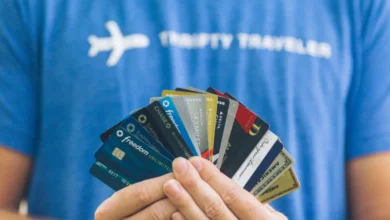
Financial institutions and major commercial airlines frequently collaborate to offer co-branded credit card products designed to incentivize customer loyalty through accelerated point accumulation and specialized travel perks. In a recent development, Chase Bank and United Airlines have jointly announced a slate of elevated, limited-time welcome offers across their entire portfolio of co-branded consumer credit cards. This promotional campaign allows eligible applicants to secure up to 90,000 MileagePlus miles through standard initial spend thresholds, with an additional 10,000 miles available by adding an authorized user within the first three months of account opening. This pushes the maximum potential bonus yield to 100,000 miles per cardholder, marking a notable increase over standard baseline offers typically seen within the travel rewards sector.
The introduction of these enhanced introductory bonuses coincides with strategic adjustments implemented by United Airlines earlier in the year regarding its MileagePlus loyalty program. These structural updates included the introduction of a minimum 10% discount on award redemptions for co-branded cardholders, coupled with expanded access to low-tier "saver" level award availability. Consequently, industry analysts note that holding a proprietary United credit card has transitioned from a supplementary option to a core component for frequent flyers seeking to maximize the purchasing power of their accumulated miles.
Chronology and Program Evolution of Co-Branded United Products
The trajectory of co-branded airline credit cards has shifted significantly over the past decade. Historically, airline credit cards functioned primarily as tools for acquiring free checked baggage and standard priority boarding. However, as airlines increasingly monetize their loyalty programs as independent financial assets, credit cards have evolved into sophisticated instruments for elite status acquisition and dynamic award pricing mitigation.
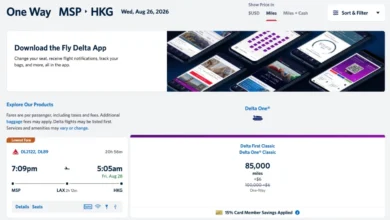
In recent years, major domestic carriers have adopted tiered discount models for loyalty program members who also hold financial partnerships with issuing banks. For instance, Delta Air Lines introduced a 15% discount on award travel for certain cardholders via its SkyMiles program. United Airlines followed a parallel strategic path by integrating the 10% award discount alongside broader inventory releases specifically designated for cardmembers.
The current promotional window represents the latest phase in this competitive landscape. By elevating sign-up bonuses to the 90,000-to-100,000-mile range, Chase and United are aiming to capture market share among travelers who are re-evaluating their wallet composition amid shifting travel demands and inflationary pressures on cash airfares.
Financial Analysis and Award Redemption Value
While critics of frequent flyer programs frequently point toward airline devaluation cycles—where carriers increase the mileage required for specific routes—co-branded cardholders retain distinct structural advantages that mitigate these increases.
According to route data and historical redemption patterns within the United MileagePlus ecosystem, cardmembers retain access to dynamic pricing structures that often yield substantial discounts compared to non-cardholders searching the same inventory. For example, long-haul international routes—such as United Polaris business class from Chicago O’Hare International Airport (ORD) to London Heathrow (LHR)—have demonstrated point requirements as low as 72,000 miles each way for cardholders, representing savings that can exceed 100,000 miles on specific high-demand itineraries compared to standard non-cardholder pricing. Similar value propositions exist for routes connecting North America to Asia and Australia, where business class redemptions can start around 90,000 miles for eligible cardholders.
In addition to premium cabin redemptions, cardholders receive proportionate point savings on domestic and international economy and premium economy bookings. Beyond mileage reductions, the portfolio includes ongoing cardholder benefits designed to offset annual fees, such as statement credits for everyday purchases, complimentary checked luggage, and airport lounge access through United Club variants.

Mechanics of Elite Status Acceleration via Credit Card Spend
Earning elite status within the United MileagePlus program traditionally required a combination of Premier Qualifying Flights (PQFs) and Premier Qualifying Points (PQPs), the latter of which are earned primarily through direct spending on airfare. However, the integration of credit card spending into the elite qualification framework has altered the landscape for frequent travelers.
Specific cards within the Chase United portfolio allow cardholders to accumulate PQPs through everyday credit card expenditures. Furthermore, select premium cards automatically deposit baseline PQPs into a member’s account following specific calendar milestones, such as after February 1 of each year. This mechanism lowers the barrier to entry for achieving lower-tier statuses, such as United Premier Silver, which requires navigating a threshold of 6,000 PQPs alongside flight segment requirements. By bridging the gap through everyday spending, cardholders who fly less frequently can still secure priority boarding, complimentary Economy Plus seating at check-in, and baggage waivers.
Regulatory and Application Rules: The Chase 5/24 Policy
Potential applicants considering the elevated United offers must navigate established banking regulations and issuer-specific rules that govern credit card approvals.
Foremost among these is the Chase "5/24 rule." Under this internal policy, Chase will automatically deny any credit card application if the individual has been approved for five or more credit cards across any bank or issuer within the preceding 24-month period. This restriction applies regardless of the applicant’s credit score, income level, or historical banking relationship with Chase.
Financial advisors frequently recommend prioritizing Chase-issued products early in a consumer’s travel rewards journey due to this strict enforcement. Furthermore, while Chase permits individuals to hold multiple personal United credit cards simultaneously, specific bonus restriction clauses apply. Individuals who have received a new cardmember bonus on a specific personal United card within the preceding 24 months are ineligible to receive the bonus again on that same product.
Broader Economic Implications and Industry Outlook
The launch of these elevated welcome offers reflects a broader macroeconomic trend in which financial services and aviation sectors rely heavily on co-branded partnerships for revenue generation. Airline loyalty programs frequently generate billions of dollars in ancillary revenue through the sale of miles to banking partners, insulating carriers against downturns in passenger ticket sales.
For consumers, navigating these offers requires a careful assessment of individual travel habits, annual fee structures, and existing credit profiles. As banks continue to load travel cards with targeted statement credits and lifestyle benefits, tools such as digital expense trackers have become increasingly necessary to ensure that cardholders capture the full financial value intended to offset the cost of card ownership.
The duration of the current promotional window remains subject to change at the discretion of Chase and United Airlines, prompting consumers and travel analysts to evaluate applications promptly based on their specific long-term travel objectives.
Related posts: