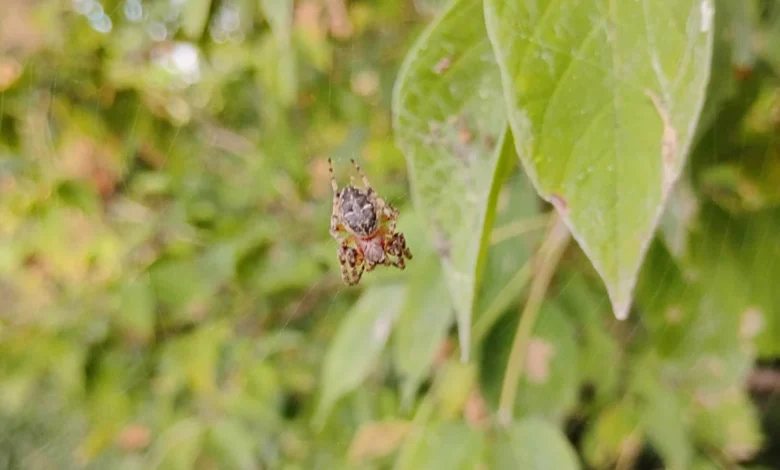
Hikers across the Northern Hemisphere exploring trails during the transition from summer to autumn have reported a significant uptick in encounters with arachnids, ranging from intricate orb webs spanning underbrush to wolf spiders traversing forest floors. Far from being a mere perceptual illusion, this seasonal surge is a well-documented biological phenomenon driven by maturity and reproductive cycles. Rather than retreating indoors as temperatures begin to cool, outdoor enthusiasts are encouraged to understand the ecological mechanics behind spider season, which remains an integral component of North America’s autumn biodiversity.
Biological Drivers: Growth and Mating Seasons
According to arachnid experts and entomologists, the heightened visibility of spiders during late summer and early fall can be attributed primarily to two distinct biological factors: physical maturation and reproductive behavior.
Throughout the spring and summer months, spiders feed extensively on abundant insect populations, including flies, mosquitoes, and gnats. This consistent caloric intake allows them to bulk up significantly. By the time September arrives, a vast majority of these arachnids have reached their full adult size. Consequently, even if local population densities remain stable compared to earlier in the year, the sheer scale of the specimens makes them considerably more noticeable to humans sharing the same environment.
The second primary driver of heightened visibility is the annual mating season. For many species, autumn signals the critical window for reproduction. Adult male spiders abandon their sheltered retreats and embark on extensive journeys across trails, leaf litter, and open terrain in search of receptive females. This heightened mobility significantly increases the frequency of human-spider encounters. While stationary web-builders like orb-weavers are frequently encountered strung across pathways, ground-dwelling wanderers such as wolf spiders are simultaneously more active, elevating the likelihood of trailside sightings.
Geographical Distribution and Notable Species
Spider activity during the autumn months varies across North America, influenced heavily by regional climates, local flora, and topography.
In the Upper Midwest, trails winding through dense deciduous forests and glacial landscapes—such as Wisconsin’s Ice Age Trail—frequently display dense concentrations of orb-weaver webs anchored to underbrush, alongside robust populations of ground-dwelling wolf spiders navigating forest leaf litter. Similar patterns are observed across the Pacific Northwest, the Northeast, and the Rocky Mountain region, where diverse microclimates support thousands of native arachnid species.
Among the more notable species encountered by hikers are members of the Theridiidae family, specifically black widows, which occasionally inhabit human-made trail structures such as backcountry privies, wooden shelters, and concrete underpasses. While encounters with venomous species remain statistically rare in natural settings, their presence underscores the adaptability of these creatures to both wild and semi-developed environments.
Public Safety, Venomous Species, and Real Risk
For individuals with arachnophobia, the sudden prevalence of eight-legged creatures along hiking paths can be intimidating. However, public health officials and wildlife conservationists emphasize that the vast majority of North American spiders are entirely harmless to humans and play a vital ecological role by controlling nuisance insect populations.
Out of thousands of spider species inhabiting the United States, only a select few possess venom potent enough to warrant medical attention. Foremost among these are the brown recluse and the black widow.
- Brown Recluse (Loxosceles reclusa): Found primarily in the central and southern United States, brown recluses strongly prefer undisturbed, indoor environments such as attics, basements, and woodpiles. Encounters along outdoor hiking trails are exceptionally rare, as their natural habitat preferences keep them away from high-traffic footpaths.
- Black Widows (Latrodectus genus): While capable of delivering a medically significant neurotoxic bite, black widows are inherently docile and defensive rather than aggressive. Like most spiders, their primary instinct when confronted by large animals or humans is rapid evasion. Bites typically occur only when a spider is inadvertently trapped against human skin, such as by putting on clothing or reaching blindly into dark crevices.
Entomological experts note that even notoriously guarded species like the Western black widow actively attempt to flee when approached or handled. Human-spider conflict in outdoor recreational settings is overwhelmingly accidental, and severe envenomations resulting from trail encounters remain exceedingly uncommon.
Ecological Implications and the Role of Arachnids in Autumn Ecosystems
The surge in visible spider activity serves a vital function within broader seasonal ecosystems. As migratory birds move southward and other insectivorous wildlife prepare for winter, spiders act as apex invertebrate predators. By regulating populations of herbivorous and vector-borne insects, they contribute to the overall health and stability of forest and grassland habitats.
Furthermore, the autumn web-weaving cycle coincides with the seasonal decay of deciduous foliage. As leaves drop and the forest canopy opens, sunlight penetrates deeper into the understory, illuminating intricate orb webs that might otherwise have remained obscured during the dense foliage of midsummer. This optical interplay further amplifies the perception that spiders have suddenly invaded the landscape en masse.
Recommendations for Hikers and Outdoor Enthusiasts
Wildlife management agencies and outdoor organizations offer several practical recommendations for hikers wishing to coexist peacefully with arachnids during the peak autumn season:
- Maintain Situational Awareness: Keep a watchful eye on trailside vegetation, particularly during early morning hours when dew highlights heavy concentrations of orb webs.
- Inspect Trail Infrastructure: When utilizing backcountry amenities such as wooden lean-tos, restrooms, or picnic shelters, visually inspect dark corners, under-benches, and structural crevices where spiders frequently seek shelter from wind and moisture.
- Practice Respectful Observation: Instead of resorting to reflexive elimination, hikers are encouraged to observe spiders from a safe distance or capture macro-photographs. Understanding local biodiversity fosters a deeper appreciation for the ecological intricacies of autumn.
- Stay on Established Trails: Venturing off-trail increases the likelihood of disturbing dense underbrush, navigating unmanaged spider webs, and encountering ground-dwelling species during their peak transit hours.
Ultimately, public education campaigns seek to reframe autumn spider activity not as a seasonal nuisance or a hazard to outdoor recreation, but as a fascinating natural spectacle. Just as the changing of leaf colors, dropping temperatures, and shortening daylight hours define the transition into autumn, the industrious presence of spiders weaving webs and navigating forest floors remains an essential thread in the rich tapestry of the seasonal wilderness.