Navigating the Waters: A Comprehensive Guide to Private Boat Charters in St. Martin, Anguilla, and St. Barts

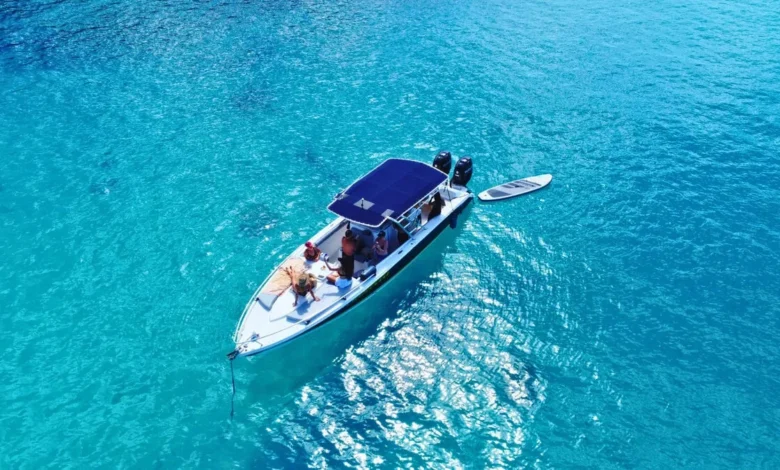
The allure of the Caribbean remains deeply rooted in the promise of unhurried maritime exploration: possessing a vessel for the day, navigating to secluded swimming spots, uncovering pristine islets, and experiencing the archipelago at an individualized pace. For travelers arriving in the northeastern Caribbean, the island of St. Martin serves as the primary gateway for private boat charters. However, a glance at regional geography often presents an initial logistical hurdle. Positioned within close nautical proximity to one another, St. Martin, Anguilla, and St. Barts appear interchangeable on a map, masking the distinct operational and experiential profiles each destination offers to charter guests.
Industry data indicates that the demand for bespoke, private maritime experiences in the Lesser Antilles has risen steadily over the past decade. Discerning travelers increasingly favor private charters over standardized group excursions or commercial ferry services, seeking tailored itineraries that accommodate specific demographic needs—ranging from families with young children to multi-generational groups and experienced snorkelers. Developing a successful charter itinerary requires aligning the vessel and route with the specific dynamics of the traveling party rather than attempting to replicate generalized social media itineraries.
Regional Profiles: Three Distinct Maritime Experiences
When departing from St. Martin, captains generally navigate toward one of three distinct regional sectors, each characterized by unique topographical features, sea conditions, and recreational opportunities.
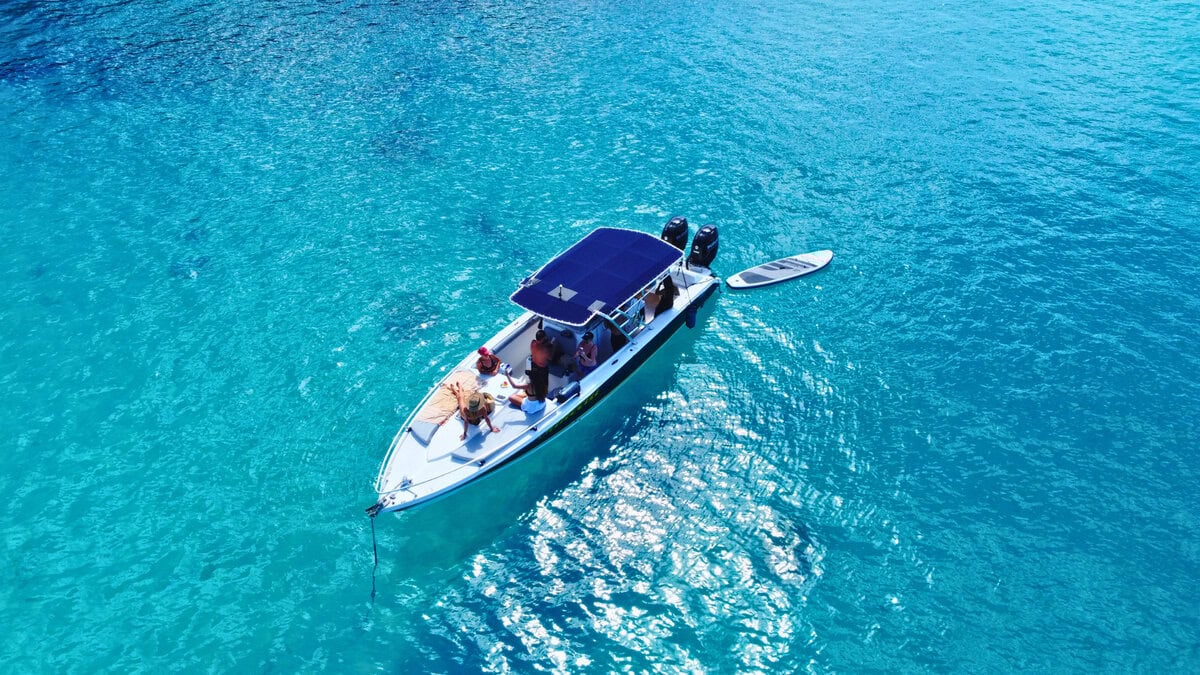
St. Martin and Surrounding Islets: The Coastline Experience
Cruising the immediate territorial waters of St. Martin and its surrounding minor islands is frequently recommended as an optimal introduction for first-time charter guests. This localized route typically encompasses a coastal transit leading to Creole Rock—a renowned marine reserve celebrated for its rich marine biodiversity—followed by strategic anchoring points at Tintamarre Island and Pinel Island.
Marine conservation specialists note that these shallow, protected waters provide ideal conditions for snorkelers of varying skill levels. The visual transition from the open coastal cruise to the luminescent turquoise shallows of Tintamarre remains a defining highlight for many passengers, successfully merging leisurely navigation with active marine exploration.
Anguilla: Pristine Shores and Exceptional Water Clarity
Positioned a short distance north of St. Martin, Anguilla presents a markedly different rhythm. Internationally acclaimed for its geological composition—primarily low-lying coral and limestone formations—Anguilla boasts some of the most striking beachscapes and water clarity in the Caribbean basin.
Charter routes focusing on Anguilla frequently feature extended stops at locations such as Little Bay and Sandy Island. Industry experts advise that this destination appeals primarily to travelers seeking an immersive, unhurried beach day characterized by sustained relaxation rather than a high-frequency succession of brief stops. Because Anguilla is a separate British Overseas Territory, these excursions require formal international clearance protocols, including passport processing and customs declarations.
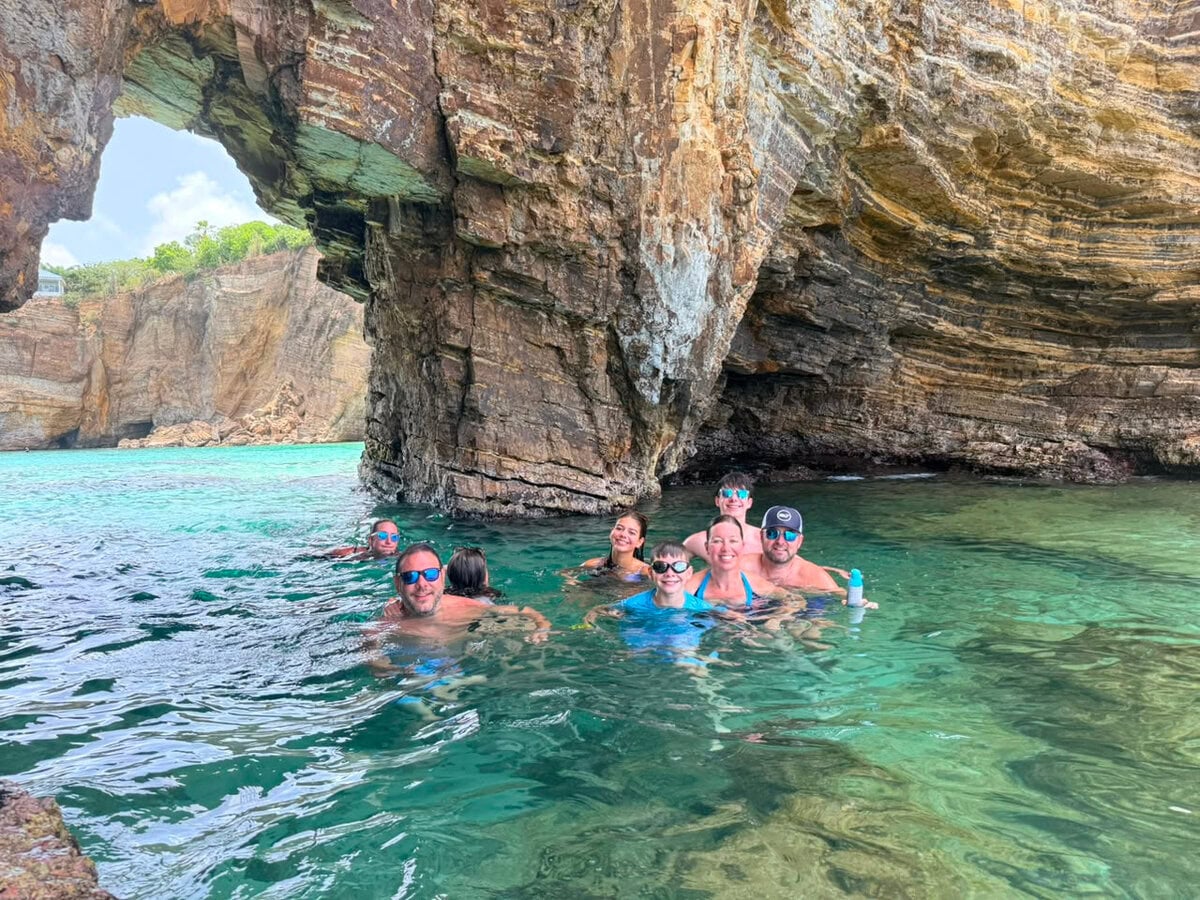
St. Barts: Cosmopolitan Flair and Coastal Topography
Sailing southeast from St. Martin brings vessels into the territorial waters of St. Barts (Collectivity of Saint-Barthélemy). Characterized by dramatic volcanic topography, sheltered bays, and an upscale cosmopolitan atmosphere, St. Barts offers a multifaceted day on the water.
A typical charter itinerary in this region combines coastal exploration of secluded coves with dedicated ashore time in the capital of Gustavia. This dual focus on maritime leisure and high-end shore-side amenities specifically serves travelers seeking a balanced itinerary that integrates aquatic recreation with local culture and commerce.
Operational Logistics: Weather, Sea Conditions, and Routing
The operational reality of Caribbean charter navigation is heavily dictated by prevailing meteorological and hydrological conditions. Trade winds, seasonal swells, and local wind-wave patterns require licensed captains to maintain absolute operational flexibility.
Professional maritime operators emphasize that predetermined itineraries must remain secondary to real-time safety and comfort assessments. A route meticulously planned days in advance can become untenable if open-channel swells between St. Martin and Anguilla or St. Barts intensify. Experienced captains continuously evaluate sea states, adjusting course parameters to shield passengers from excessive vessel motion and ensure an optimal onboard experience.
Furthermore, international maritime regulations dictate that mid-day border re-routing between French, Dutch, and British or collectivity territories is legally prohibited without prior customs clearance. Consequently, decisions regarding international transits must be solidified prior to departure, while localized coastal adjustments remain adaptable throughout the day.
Economic Considerations and Charter Structuring
Securing a private boat charter involves evaluating several cost factors that extend beyond the initial base quote. Industry standards dictate that charter pricing is generally determined by vessel classification (such as luxury motorboats, rigid-inflatable boats, or sailing catamarans), fuel consumption rates, charter duration, and destination scope.
When reviewing charter quotations, marine brokers recommend examining the inclusion of specific operational variables:
- Crew Fees: Verification of licensed captain and steward/deckhand compensation.
- Port and Dockage Fees: Inclusion of marina berthing costs at departure and destination ports.
- Customs and Immigration Duties: Clearance fees associated with international crossings to Anguilla or St. Barts.
- Onboard Amenities: Inclusion of snorkeling gear, fuel surcharges, premium beverage packages, and catering provisions.
Transparency regarding these parameters ensures that travelers avoid unexpected operational expenditures on the day of departure.
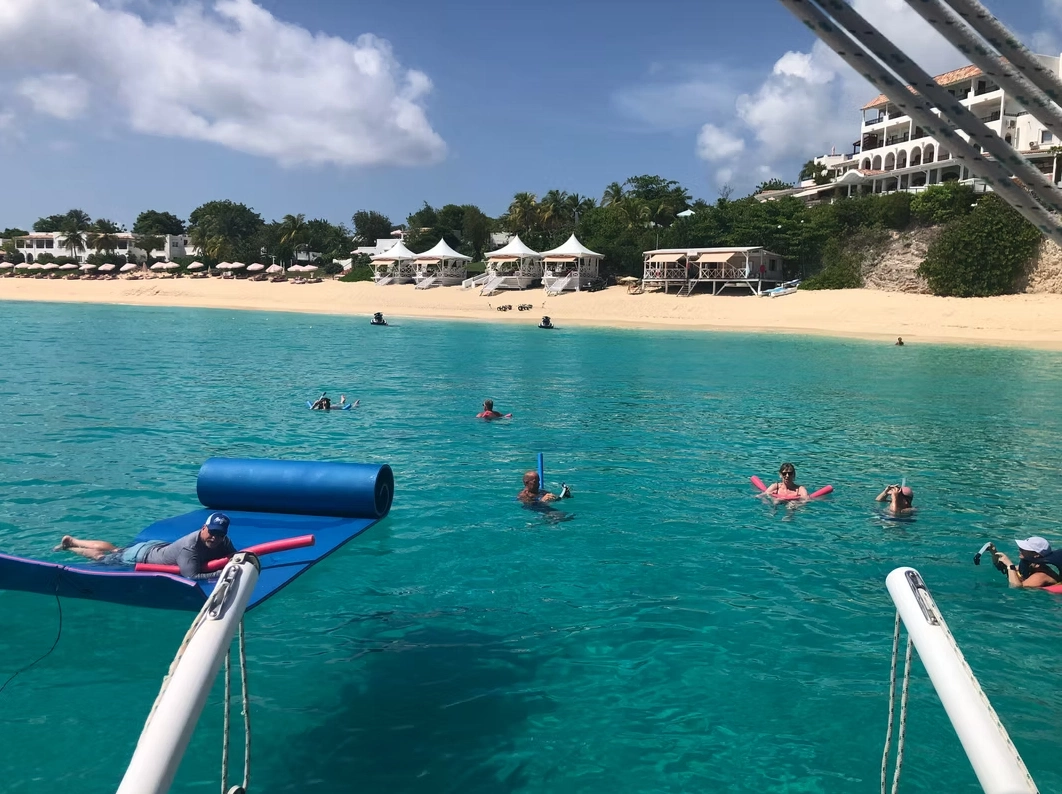
Tailoring the Experience: Group Dynamics Versus Checklist Itineraries
A recurring challenge reported by charter operators is the tendency for travelers to adopt a "checklist mentality," attempting to compress visits to St. Martin, Anguilla, and St. Barts into a single, highly compressed eight-hour window. Maritime professionals consistently advocate for a slower, more deliberate pace.
Research into recreational travel behavior suggests that vacation satisfaction correlates directly with perceived autonomy and relaxation rather than the sheer volume of geographical locations visited. A successful charter often relies on no more than two or three primary anchorages, allowing guests sufficient time to disembark, swim, dine, or rest without feeling pressured by rigid scheduling.
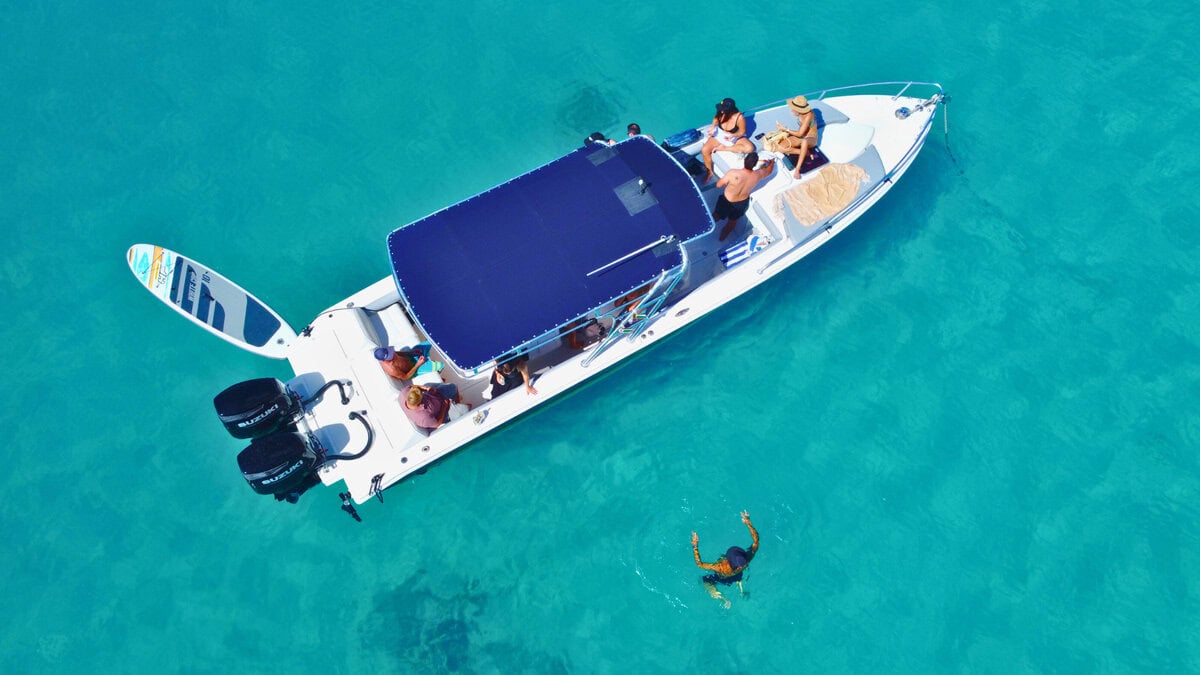
Moreover, matching the vessel size and layout to the specific demographic composition of the group is critical. A high-speed, open-cockpit motorboat designed for agile coastal hopping may not suit a multi-generational family group requiring shaded lounge areas, stability, and onboard restroom facilities. Conversely, a spacious sailing catamaran provides enhanced stability and comfort for families with young children, albeit at a different cruising velocity.
Practical Recommendations for Travelers
To optimize the private charter experience, maritime operators and regional tourism boards recommend adherence to several foundational guidelines:
- Advance Consultation: Engage directly with charter specialists regarding the physical capabilities, preferences, and age range of the traveling party prior to selecting a vessel or route.
- Sun Protection Protocols: The equatorial sun, combined with marine glare and continuous sea breezes, significantly accelerates dehydration and sunburn risks. Comprehensive sun protection—including high-SPF reef-safe sunscreen, UV-protective garments, and polarized eyewear—is essential.
- Documentation Readiness: For international itineraries destined for Anguilla or St. Barts, valid passports must be secured and presented during the advance manifesting process.
- Flexible Expectations: Maintain open communication with the captain regarding comfort levels, and defer to professional maritime judgment should sea conditions necessitate itinerary modifications.
By prioritizing passenger comfort, rigorous safety standards, and realistic logistical planning over rigid geographical ambitions, travelers can fully realize the unique potential of private maritime exploration across the waters of St. Martin and its neighboring islands.