From Digital Nomad to Polar Expedition Leader: The Evolution of Travel Content Creation in Extreme Environments

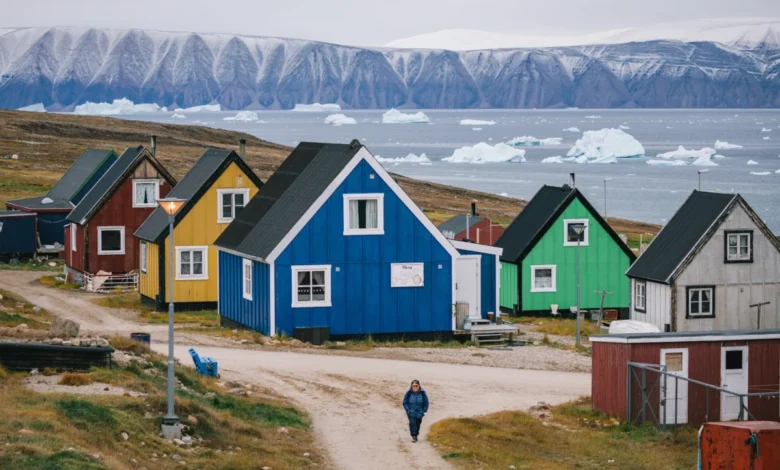
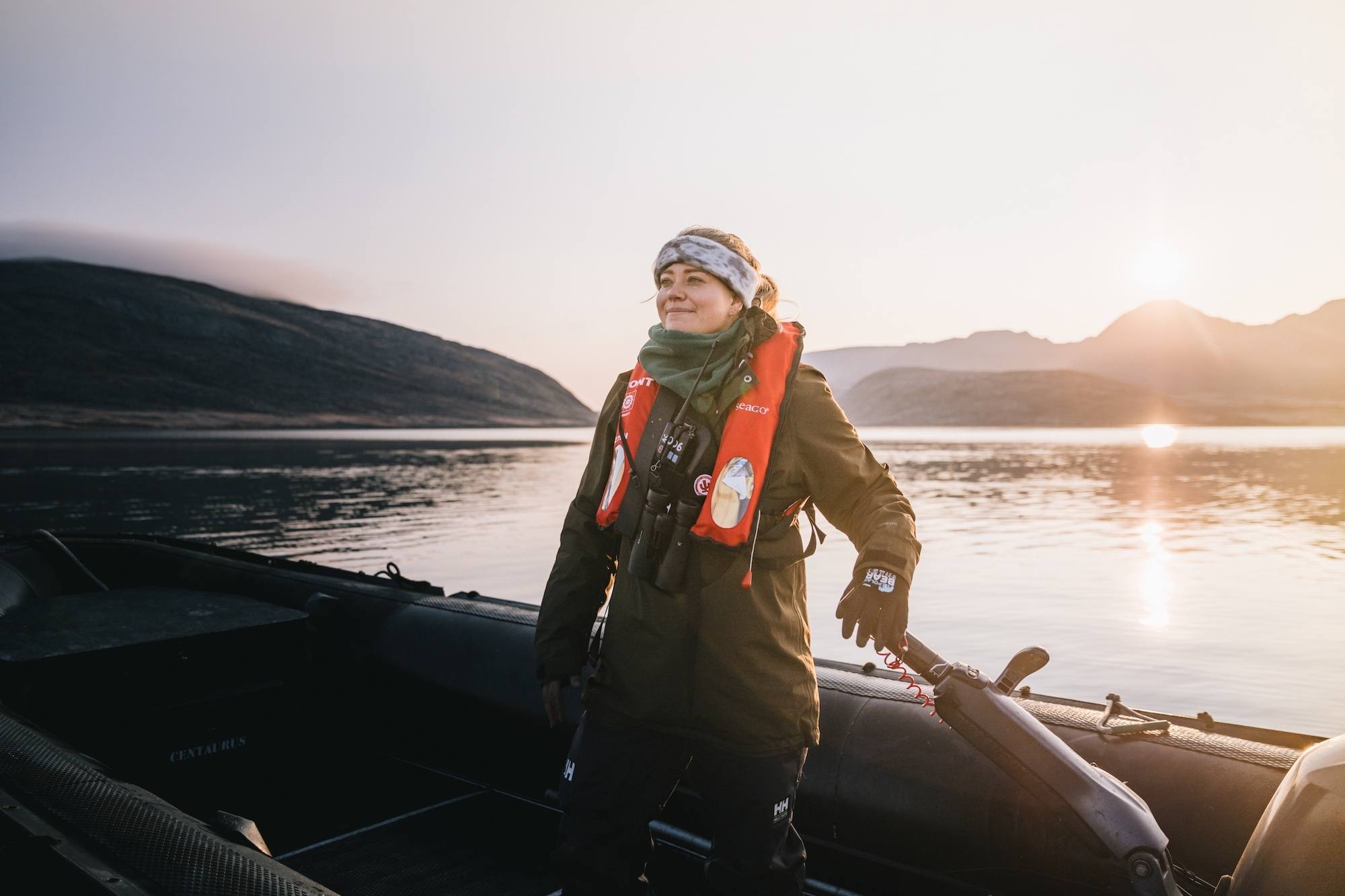
The modern landscape of travel journalism and content creation has undergone a profound structural shift, moving away from traditional digital nomadism toward specialized, immersive career paths. Among the most notable examples of this transition is the career trajectory of veteran travel writer and photographer Liz Carlson, who has pivoted from a decade of independent blogging to a full-time professional role as a polar expedition guide. Spending approximately half of each year navigating the remote waters of Antarctica and the Arctic, Carlson’s journey highlights a broader industry trend: content creators seeking relief from the digital hustle by embedding themselves within specialized, high-barrier-to-entry tourism sectors.
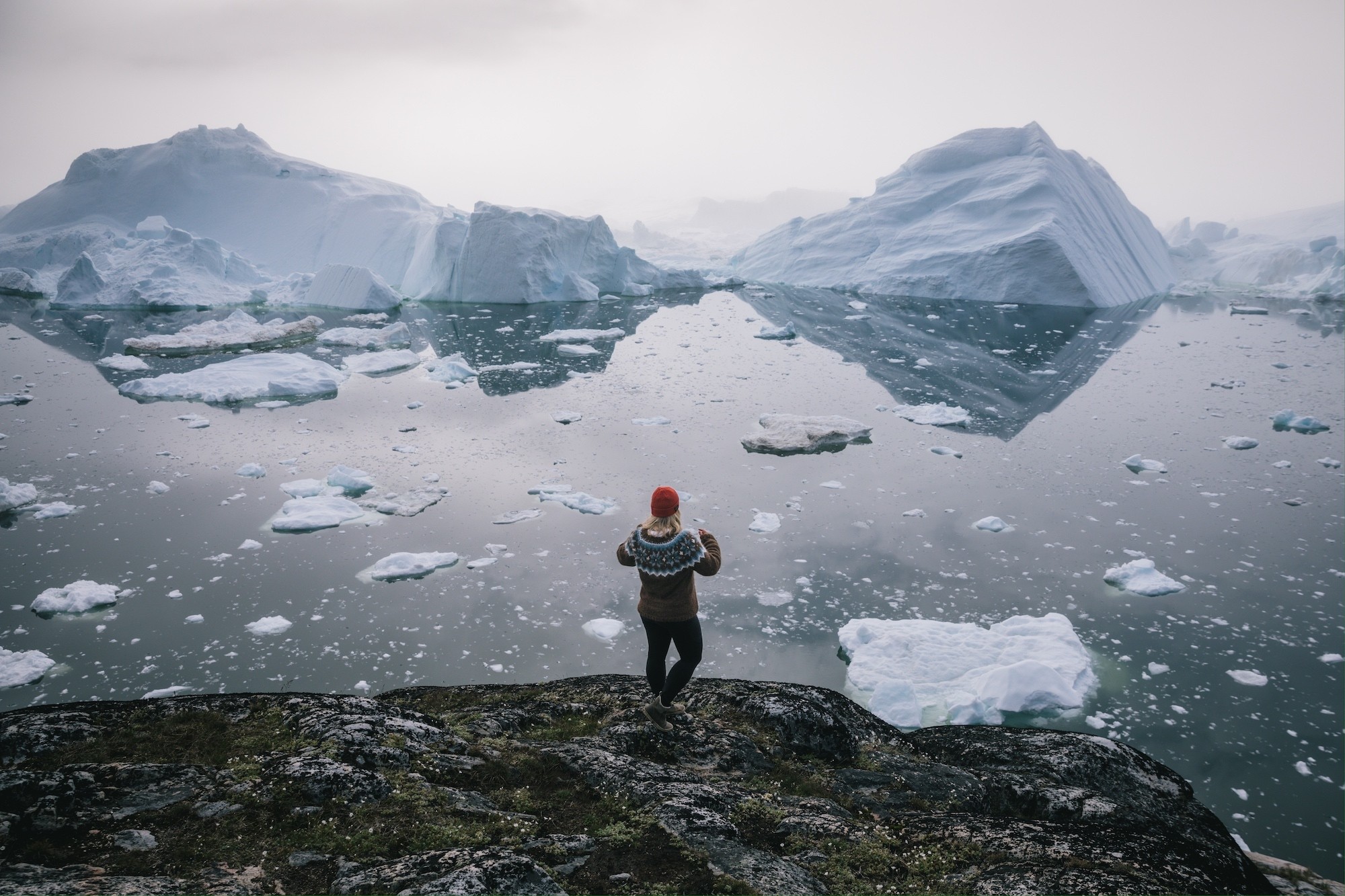
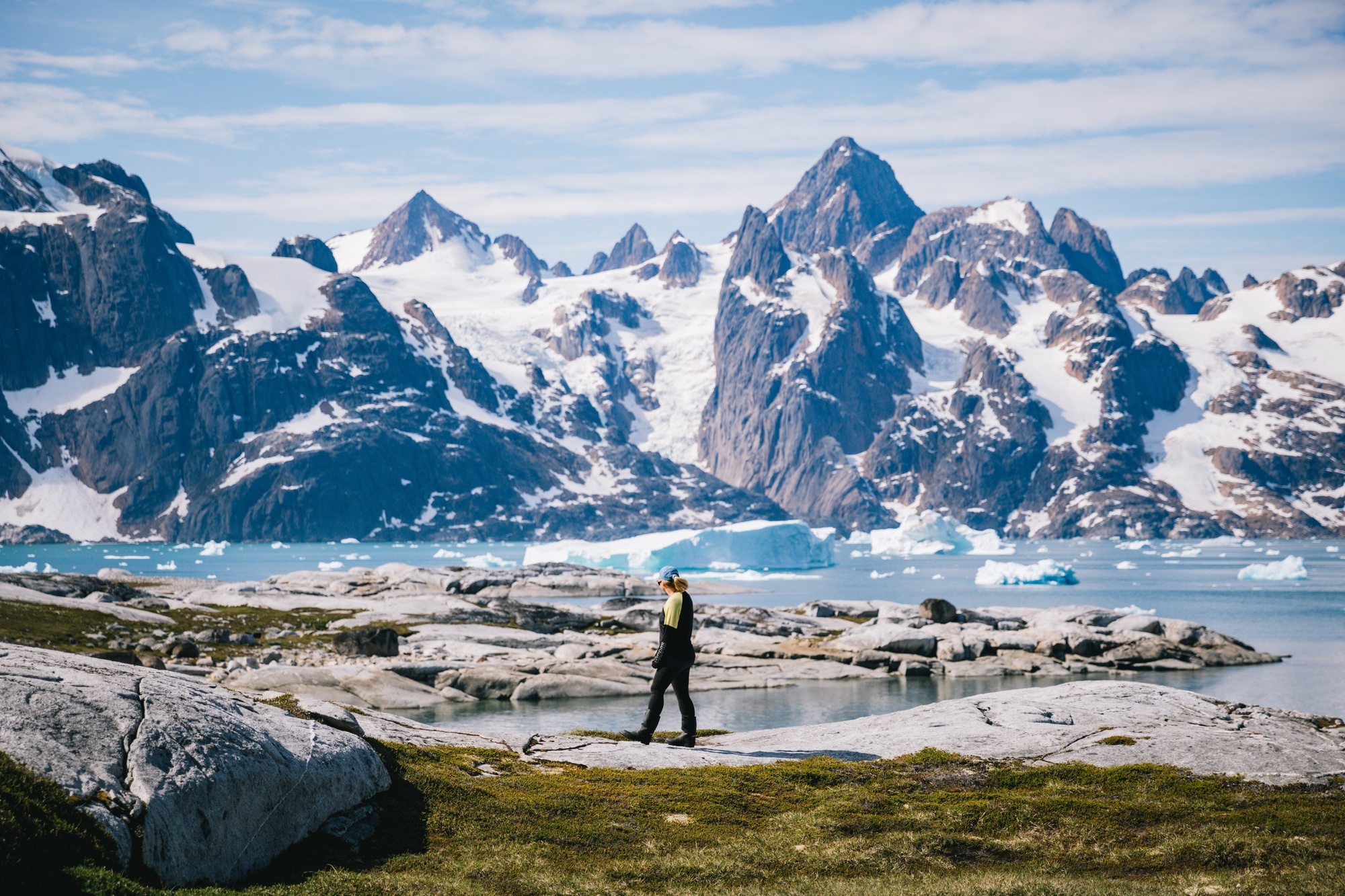
For the upcoming summer season, Carlson has commenced a rigorous three-month expedition schedule in the Canadian and Greenlandic Arctic in partnership with Adventure Canada. This operational shift reflects both the logistical complexities of high-latitude travel and the growing demand for expert-led polar voyages in an era of heightened traveler interest in remote geographies.
Logistical Realities of High-Latitude Tourism
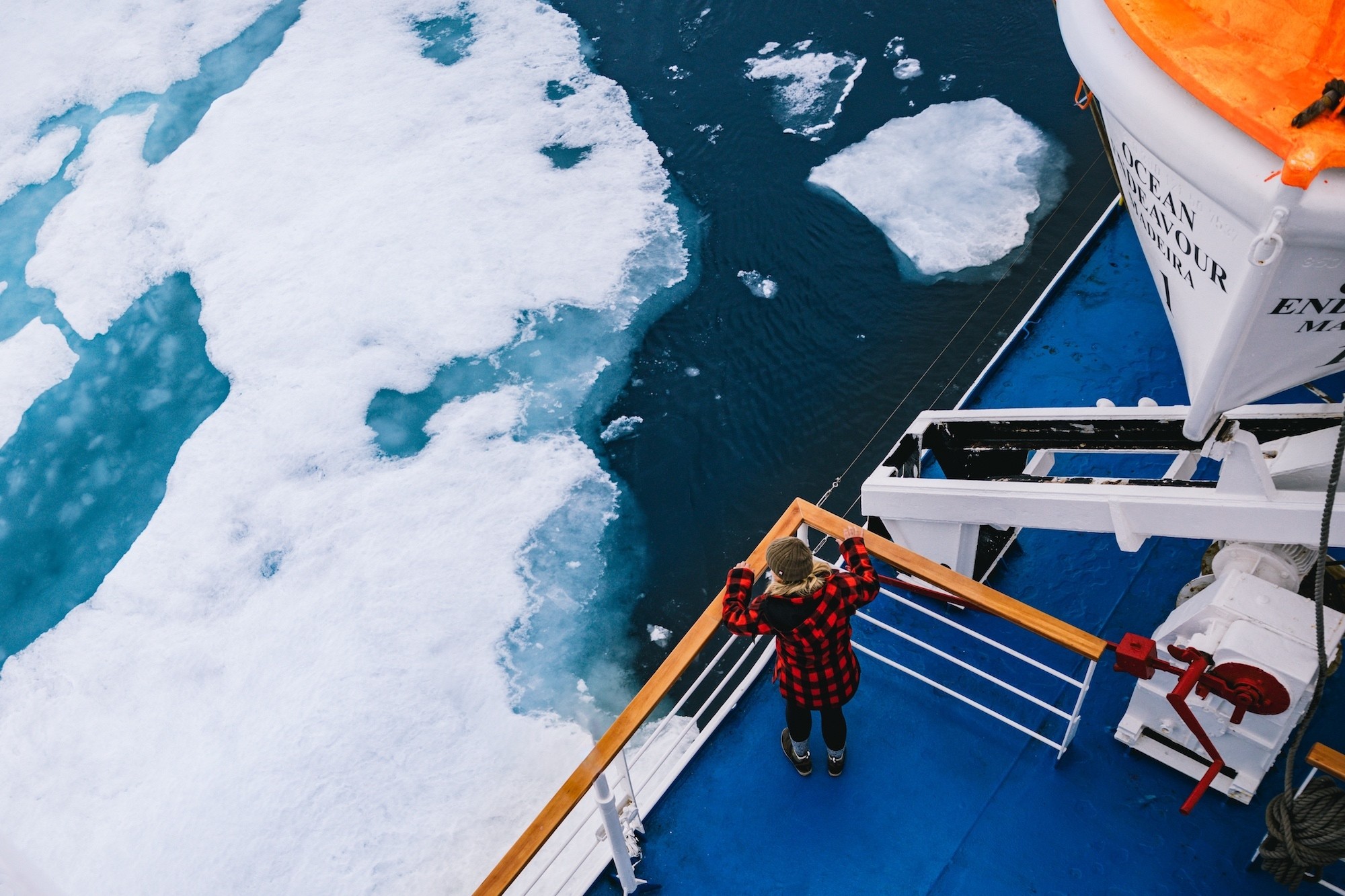
The Arctic and Antarctic remain among the most geographically isolated and environmentally sensitive regions on the planet. Access is strictly bound by seasonal constraints, predominantly dictated by the annual retreat and advance of sea ice. During the brief summer window—typically lasting from June through September—maritime routes open sufficiently to permit vessel transit, making expedition ships the most efficient and reliable mode of transport for travelers.
Historically, navigation relied heavily on indigenous knowledge, dog sleds, and maritime exploration vessels. Today, modern expedition cruising utilizes ice-strengthened ships equipped with Zodiac landing craft, helicopters, and advanced meteorological tracking systems. Despite these technological advancements, the environment remains volatile. Rapidly shifting pack ice, unpredictable weather patterns, and remote coordinates necessitate experienced navigational crews and specialized wilderness guides.
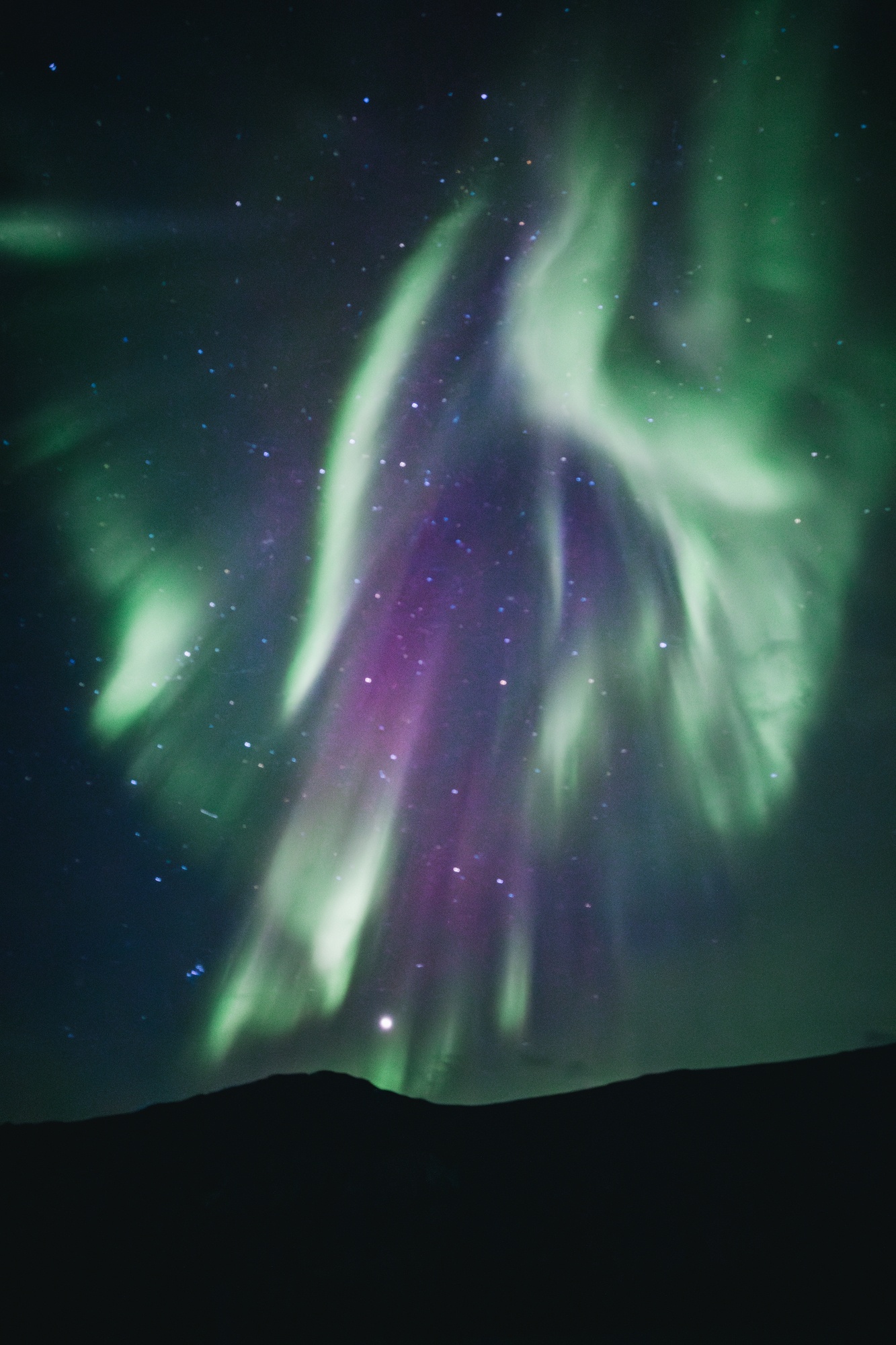
Industry data from the International Association of Antarctica Tour Operators (IAATO) and the Association of Arctic Expedition Cruise Operators (AECO) indicates a steady post-pandemic resurgence in polar tourism. Travelers are increasingly seeking out educational, expedition-style cruises rather than conventional leisure travel. This demand has placed a premium on seasoned guides capable of interpreting complex glacial landscapes, managing wildlife encounters, and ensuring strict adherence to environmental preservation protocols.
The Psychological Shift Away from Digital Influencer Culture
Carlson’s transition reflects a growing weariness among long-form digital creators regarding the demands of the modern attention economy. Following the global disruptions of the COVID-19 pandemic, many travel journalists and photographers have reported experiencing acute burnout driven by constant platform algorithm updates, saturated advertising markets, and intense competition for ephemeral audience engagement.
The pressure to maintain a continuous digital footprint—often characterized by the "hustle culture" of traditional influencer models—has increasingly conflicted with sustainable creative output. By pivoting to expedition guiding and curated referral-based travel consulting, professionals are finding psychological and financial stability in tangible, service-oriented roles. Rather than relying solely on passive ad revenue and sponsored content, this emerging hybrid model integrates firsthand field expertise with direct travel advisory services.

Industry experts note that this trend benefits consumers as well. Travelers booking high-cost, specialized excursions increasingly prefer guidance from individuals with direct, multi-season experience in the destination rather than traditional travel agents who may have never visited the polar regions.
Corporate Dynamics in Niche Expedition Cruise Lines
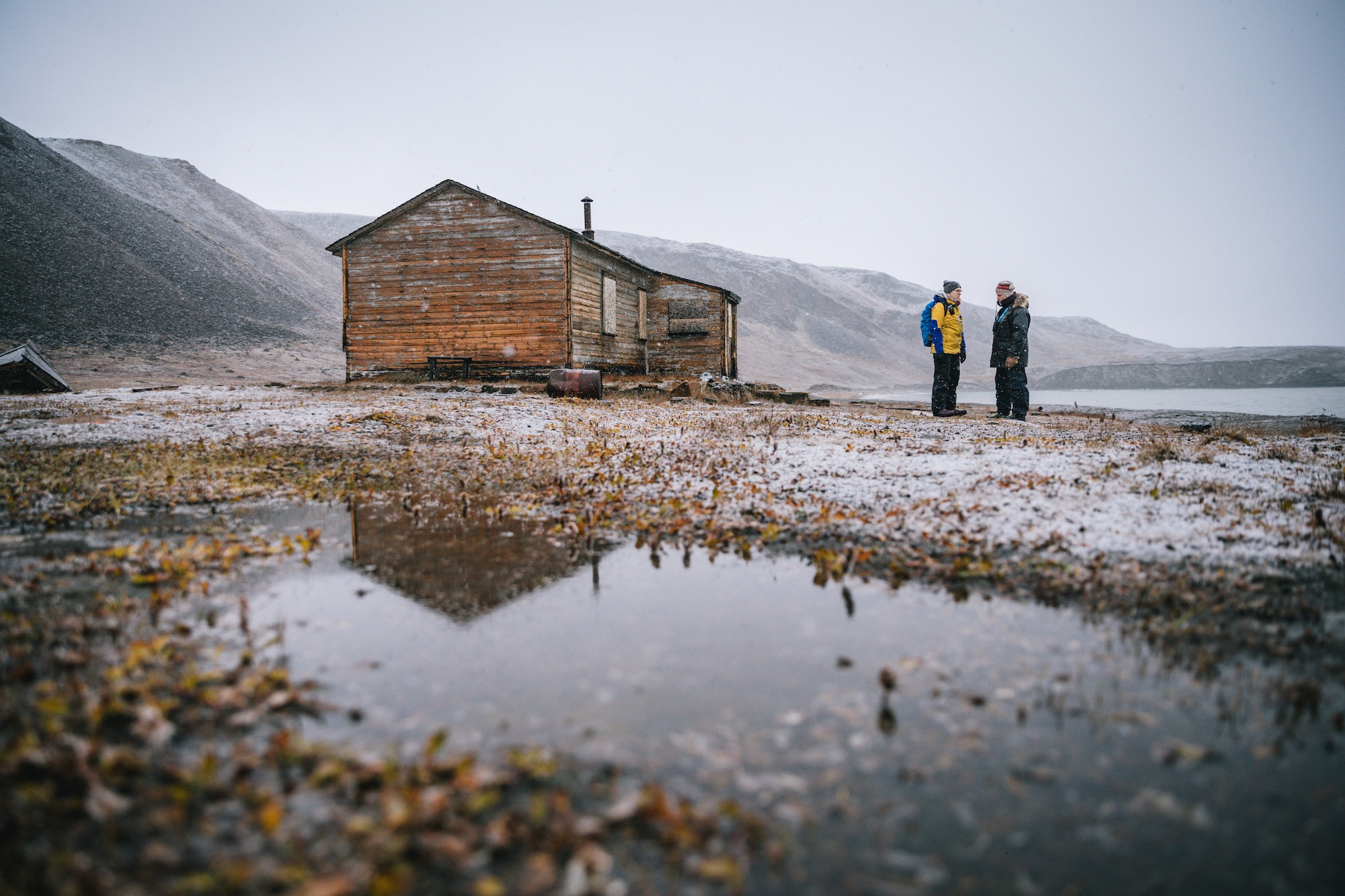
The operational backbone of modern polar travel often relies on independent, family-owned enterprises rather than massive corporate conglomerates. Adventure Canada, the operator facilitating Carlson’s current summer deployment, exemplifies this model. Established by a collaborative foundation of family and colleagues, the company has cultivated high rates of customer retention and crew loyalty.
According to internal operator metrics, approximately 50% of passengers on typical Arctic and North Atlantic itineraries are repeat clients—a remarkably high loyalty rate within the broader travel industry. This retention is largely attributed to the continuity of veteran expedition teams, who return year after year to foster a sense of community among passengers. Crew members often describe the environment as mirroring the structure of professional field research stations combined with educational summer camps, where lectures on marine biology, glaciology, and Inuit culture complement daily excursions.
Environmental Implications and the Rise of Polar Ambassadors
As climate change accelerates, the Arctic is warming at a rate roughly four times faster than the global average. This rapid environmental transformation has transformed polar tourism into a double-edged sword. On one hand, increased maritime traffic and human presence in fragile ecosystems carry inherent risks of localized pollution, habitat disturbance, and carbon emissions. On the other hand, industry advocates argue that firsthand exposure to rapidly diminishing glaciers and retreating sea ice serves as one of the most effective catalysts for global environmental advocacy.
Polar operators are increasingly held to rigorous international frameworks, including the International Maritime Organization’s Polar Code, which mandates strict safety and environmental standards for ships operating in Arctic and Antarctic waters. Furthermore, educational programming on expedition vessels heavily emphasizes environmental stewardship.
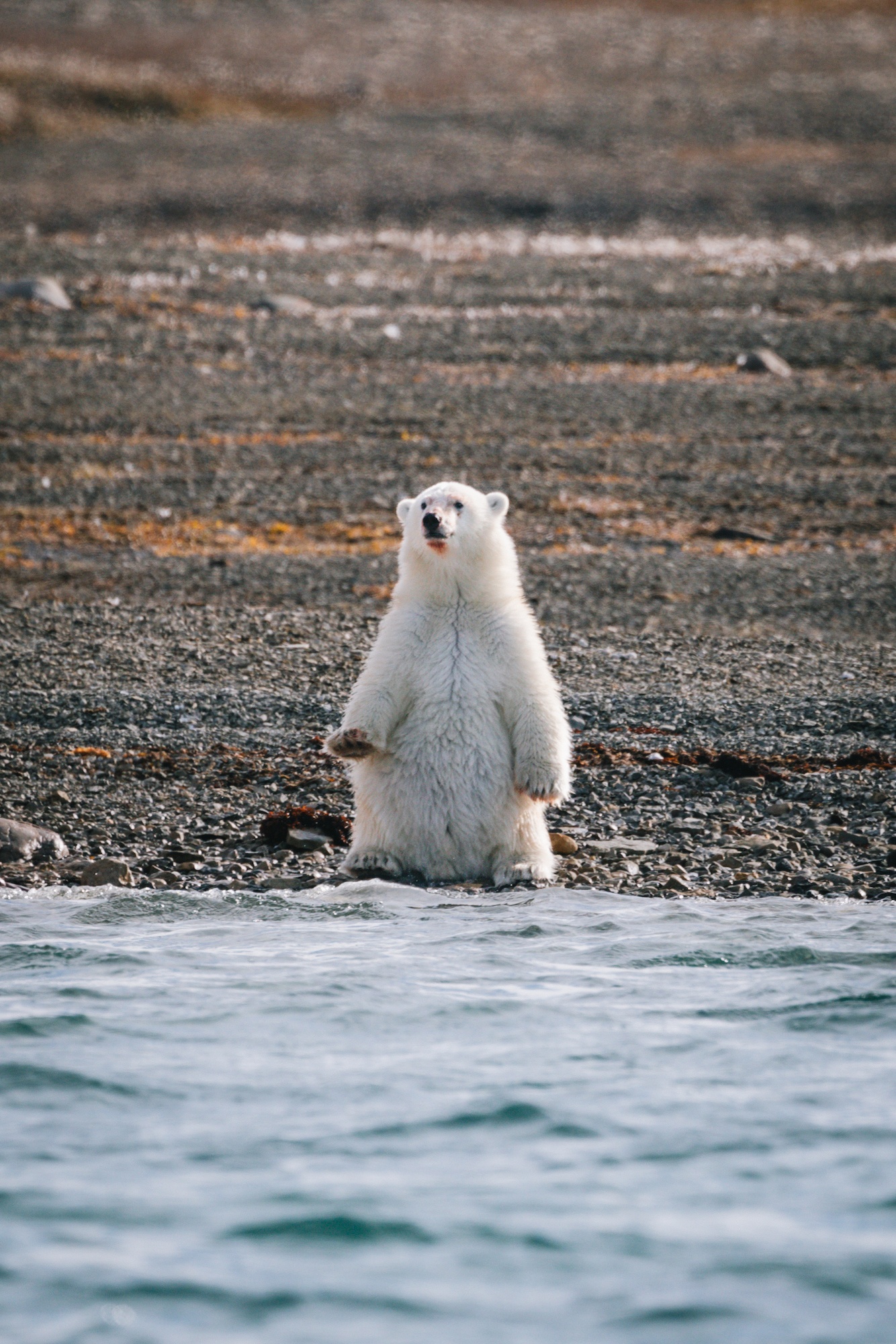
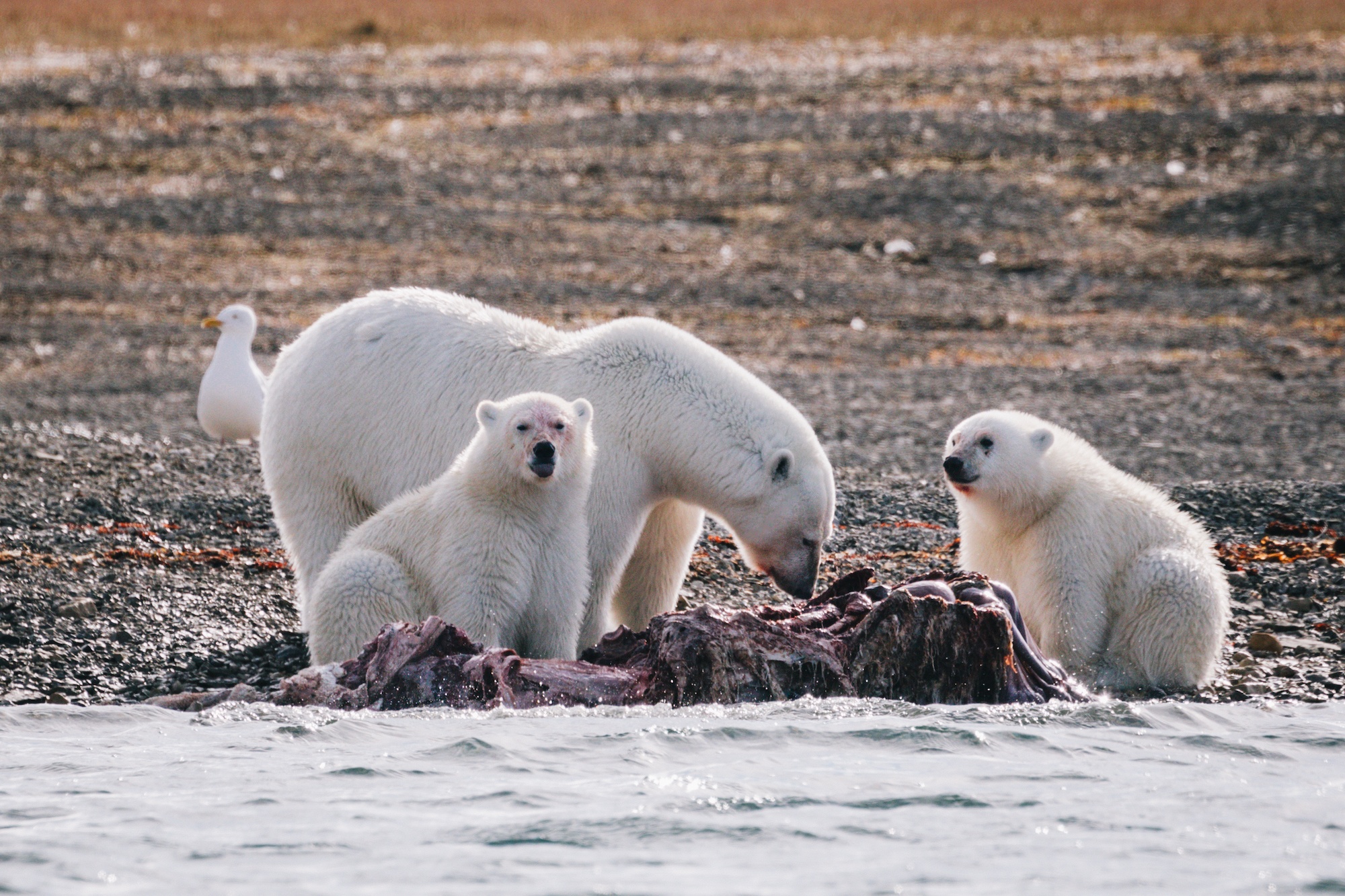
Guides and operators frequently assert that travelers who witness the majesty of polar bears, bowhead whales, and massive calving glaciers return home as lifelong ambassadors for the preservation of these frozen ecosystems. By connecting prospective travelers directly with seasoned guides who understand the geopolitical, ecological, and cultural nuances of the North, the travel consulting model aims to foster more conscious, deliberate, and respectful tourism practices.
Future Outlook for Specialized Travel Advising
The integration of content creation with specialized travel consultancy represents a maturing of the creator economy. As audiences grow increasingly skeptical of generic sponsored travel recommendations, authenticity rooted in professional certification and hands-on operational experience has become a valuable commodity.
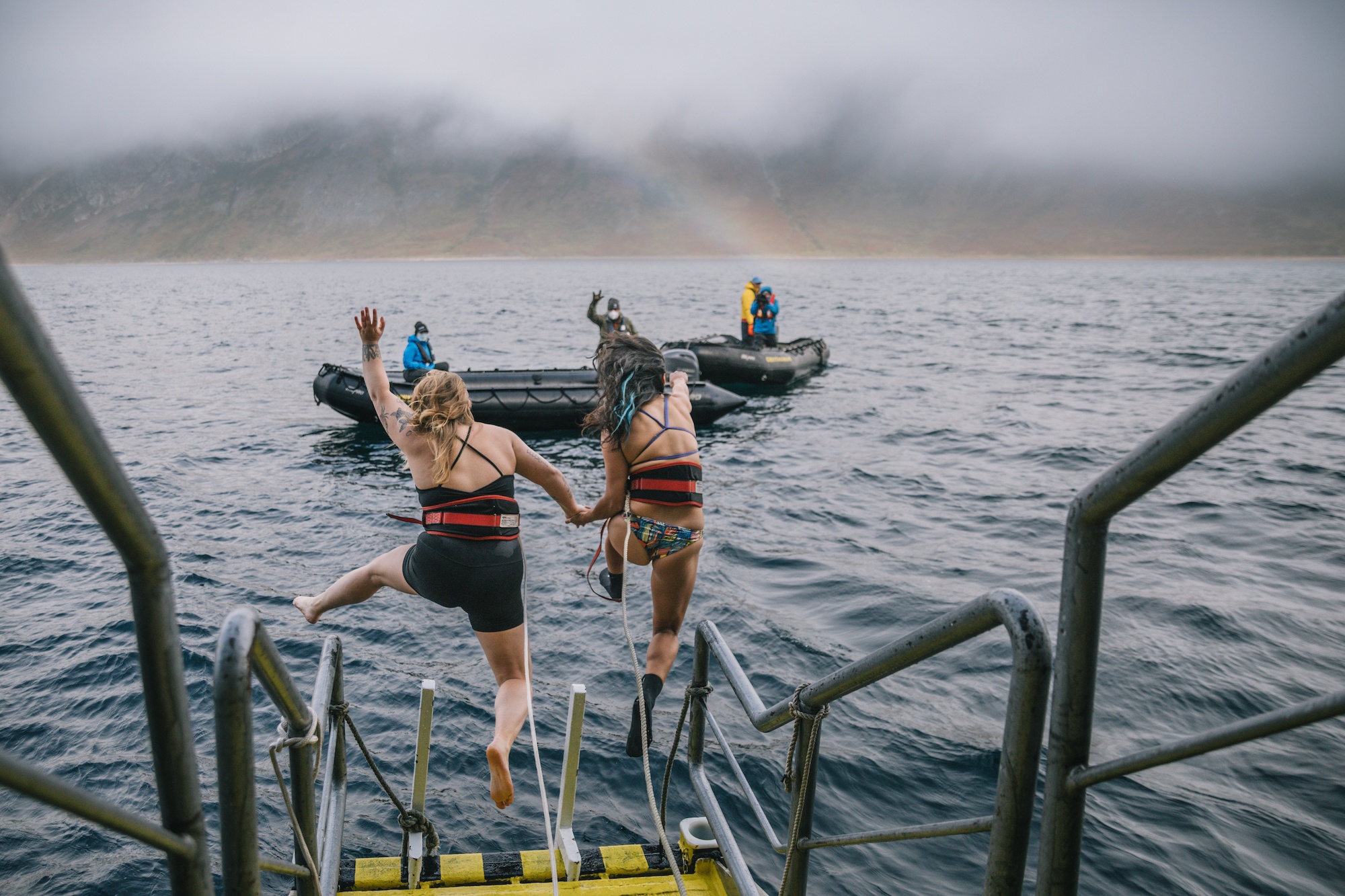
For professionals like Carlson, the future lies not behind a camera lens focused on social media metrics, but on the bridge of an ice-class vessel scanning the horizon for wildlife, navigating Zodiacs through iceberg fields, and facilitating deep educational engagements between travelers and northern indigenous communities. As demand for remote, educational travel continues to expand, the intersection of journalism, expert guiding, and personalized travel curation is expected to play an increasingly vital role in how the world experiences the polar regions.