The Comprehensive Guide to Fly Tot Inflatable Airplane Cushions and Toddler Travel Logistics

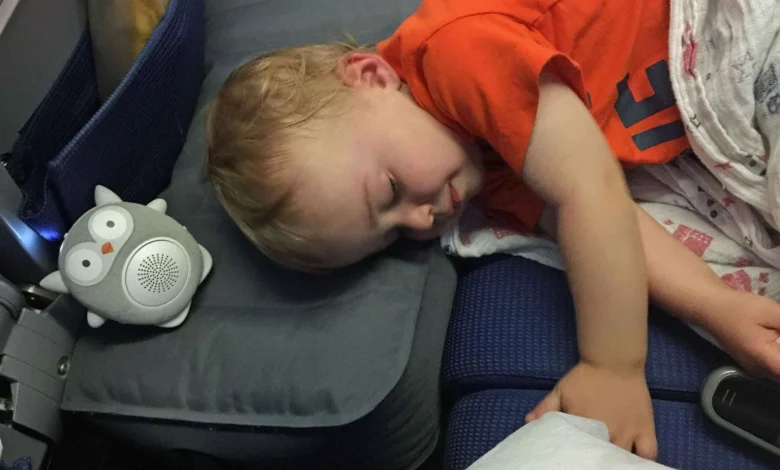
Flying with a toddler remains one of the most significant logistical challenges for modern families, particularly during long-haul international transit. The necessity of maintaining a child’s sleep schedule while confined to a standard economy seat has spurred the development of specialized aviation accessories, most notably the Fly Tot inflatable airplane cushion. As airlines continue to balance passenger comfort with strict safety regulations, understanding the utility, evolution, and regulatory status of these devices is essential for parents planning international travel.

The Evolution of In-Flight Comfort for Children
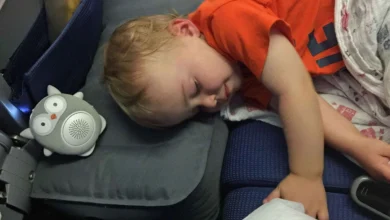
The concept of the in-flight toddler bed was born out of a common parental struggle: the physical inability of young children to maintain a comfortable sleeping position in a standard airplane seat. Without adequate legroom or a flat surface, children often struggle to rest, leading to overtiredness and increased irritability, which can impact the overall cabin environment.
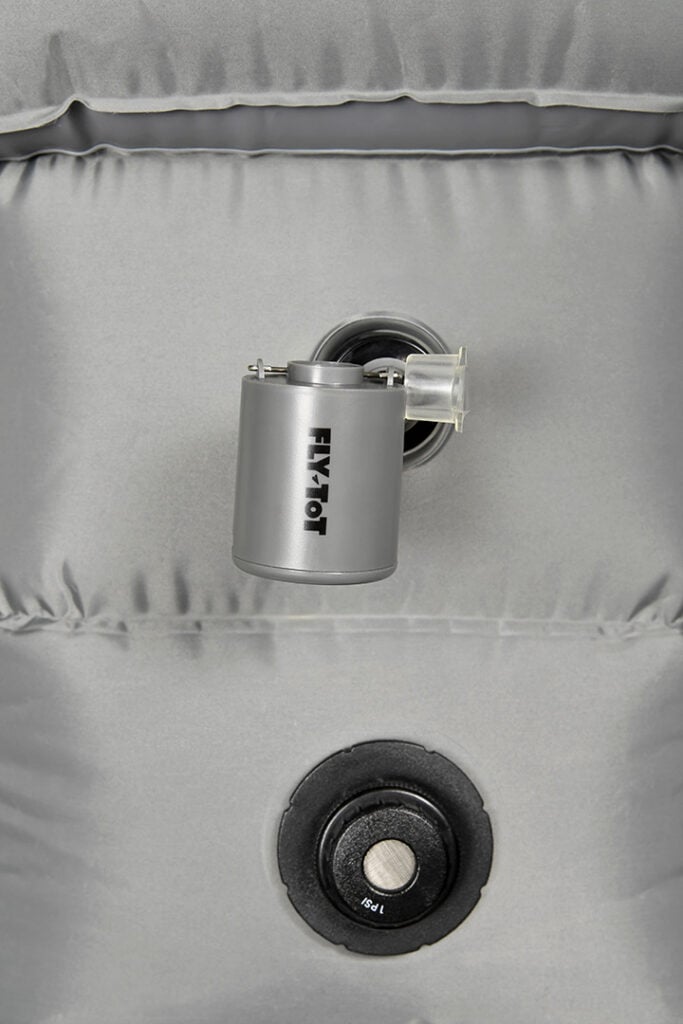
The original Fly Tot was introduced to address this by filling the gap between the passenger’s seat and the one in front, effectively creating an extended platform. Over the past decade, the product has evolved into the "Fly Tot Plus," incorporating modern engineering to address early feedback. Significant upgrades in the latest iteration include a patented two-width design to accommodate varying seat pitches and a specialized emergency safety release valve. This valve is designed to trigger automatically in the event of a rapid loss of cabin pressure, ensuring that the device does not obstruct emergency egress or interfere with oxygen deployment systems.

Technical Specifications and Operational Improvements
Beyond the safety valve, the transition from the original model to the Plus version reflects a focus on ease of use. The original model required manual inflation, which often proved cumbersome in the tight confines of an economy cabin. The current Fly Tot Plus kit includes a portable, rechargeable electric "Tiny Pump," capable of fully inflating the cushion in under 60 seconds. This reduction in setup time is a critical operational improvement, as it minimizes the disruption caused to surrounding passengers during the setup phase of the flight.

The design also features a tapered geometry, which is intended to maintain clearance for under-seat life vests and in-flight entertainment hardware. While these enhancements make the product more versatile across various aircraft types, industry experts emphasize that the utility of these devices is heavily dependent on the specific seating configuration of the aircraft.

Regulatory Landscape and Airline Policies
The use of inflatable travel beds on commercial aircraft is subject to the discretion of individual airlines and, ultimately, the cabin crew. There is no global standardization regarding these devices. Some carriers explicitly permit them, provided they are not used during taxi, takeoff, or landing, and are positioned in a way that does not impede emergency access. Conversely, other airlines prohibit all seat extenders or inflatable cushions due to concerns regarding passenger evacuation routes.
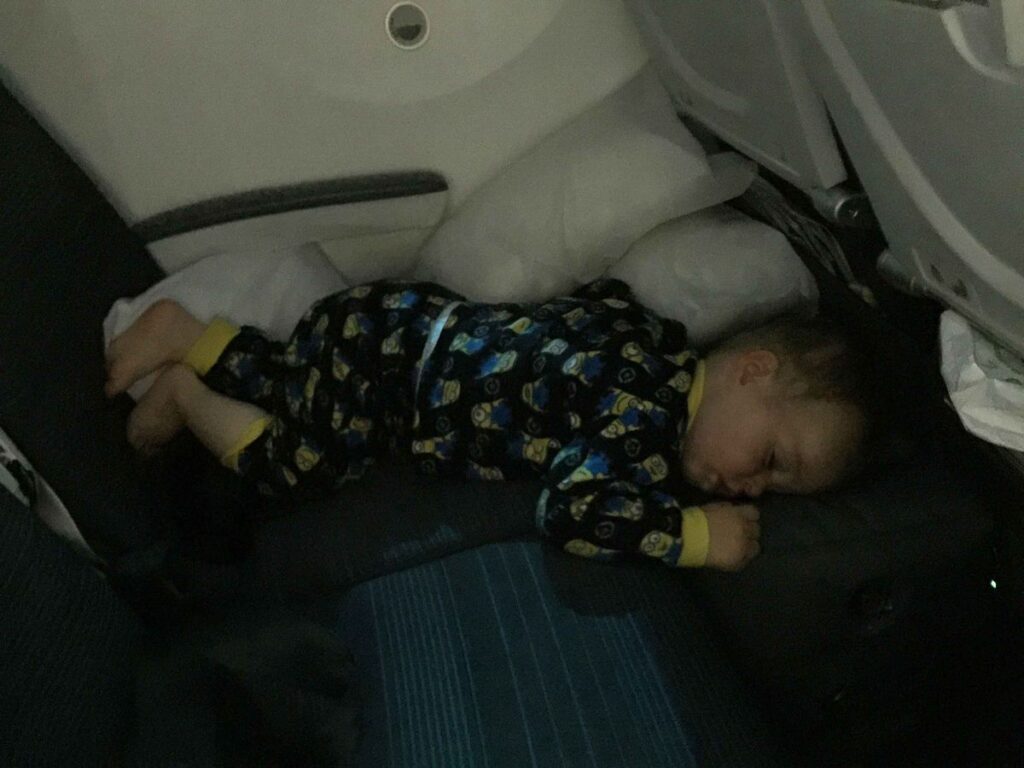
Parents are frequently advised to treat the cabin crew’s instructions as final. If a flight attendant determines that a device poses a safety risk—for instance, if it blocks access to the aisle for a window-seat occupant—it must be immediately deflated and stowed. This variability makes it imperative for travelers to consult their specific carrier’s policy before purchasing or attempting to use such equipment.

Supporting Data on Toddler Travel Stress
Data from travel health organizations suggests that maintaining a regular sleep cycle is the primary factor in reducing behavioral issues in children during long-haul flights. In studies focusing on pediatric in-flight behavior, the primary stressors identified by parents include the inability to lie flat and the physical discomfort of being held for extended periods.
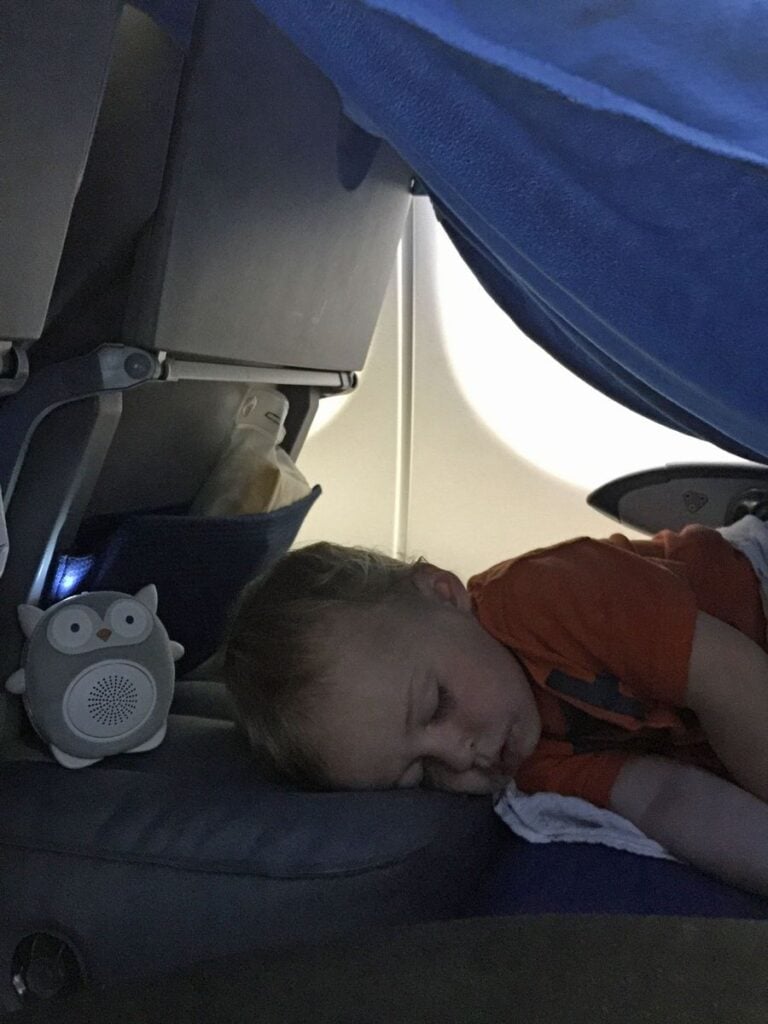
For many families, the use of a cushion serves as a form of "environmental control." By providing a dedicated space for play and rest, the cushion allows the child to engage in familiar activities, such as watching media or sleeping, which mirrors the stability of their home environment. This transition can lead to a measurable decrease in cortisol levels for both the child and the parent, as the physical burden of holding a child is removed, allowing the parent to regain a degree of personal mobility.

Strategic Recommendations for Implementation
For families considering the use of an inflatable cushion, a systematic approach is recommended to ensure compliance and success:

- Advance Coordination: Contact the airline directly at least 72 hours before the flight to verify the current policy. Do not rely on third-party forums, as airline policies regarding "seat extenders" are frequently updated.
- Seating Selection: Opt for a window seat. This ensures that the inflatable cushion remains contained within the footwell and does not interfere with the aisle access of other passengers.
- Adherence to Safety Protocols: Never use the device during critical phases of flight (takeoff, landing, and periods of turbulence). The device should only be inflated once the "fasten seatbelt" sign has been switched off by the flight deck.
- Practice and Familiarization: Pre-flight testing at home is essential. Understanding the valve mechanism and the operation of the electric pump prevents mid-flight frustration and ensures a quick setup process once the cabin environment allows it.
- Compliance with Cabin Crew: If at any point a crew member requests the deflation of the device, it should be done promptly and politely. Maintaining a cooperative relationship with the cabin staff is paramount for a smooth travel experience.
Broader Implications for the Travel Industry
The proliferation of products like the Fly Tot reflects a broader shift in the travel industry toward "family-centric" services. As the demographic of long-haul travelers increasingly includes families with young children, airlines are being forced to address the gap between standard cabin accommodations and the physical needs of younger passengers.

While inflatable cushions are not a permanent solution to the limitations of economy-class seating, they represent a significant "middle-ground" solution. They offer families a way to improve their travel comfort without the substantial cost of premium cabin upgrades. However, the legal and safety implications remain a point of contention. Some aviation authorities are concerned that the introduction of any non-certified device could potentially complicate an emergency evacuation, leading to the strict, case-by-case approval processes currently in place.

Conclusion: The Value Proposition for Parents
For the frequent flyer with children, the investment in an inflatable airplane bed can be justified by the potential for increased rest. When a child is able to sleep for a significant portion of a long-haul flight, the recovery time upon arrival—often referred to as "jet lag mitigation"—is significantly reduced.

While the Fly Tot Plus is specifically recommended for children aged 2 to 8, its utility is clearly defined by the individual family’s travel frequency and the specific policies of the airlines they utilize. It is not a panacea for the inherent difficulties of traveling with toddlers, but for many, it remains an essential tool in the modern parent’s travel arsenal. As with all travel gear, success is predicated on preparation, regulatory awareness, and a flexible mindset when navigating the complex environment of commercial aviation.
Related posts: