From Digital Nomad to Polar Expedition Guide: The Evolution of Arctic Tourism and Travel Curation

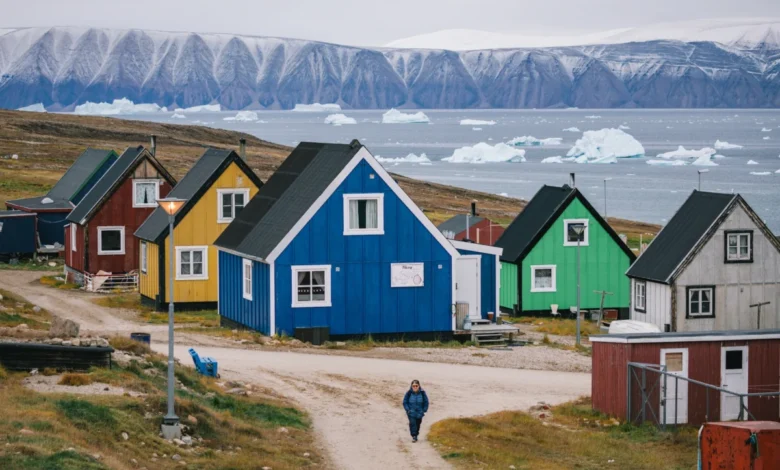
The modern travel industry has witnessed a profound structural shift away from traditional digital content creation toward specialized, experiential tourism. A prime example of this industry-wide transformation is the career trajectory of prominent travel writers and photographers who are transitioning from passive online documenting to active expedition leadership and specialized travel curation. This trend is particularly evident in polar tourism, a sector experiencing unprecedented demand despite the logistical complexities and ecological sensitivities inherent in visiting Earth’s most remote frontiers.
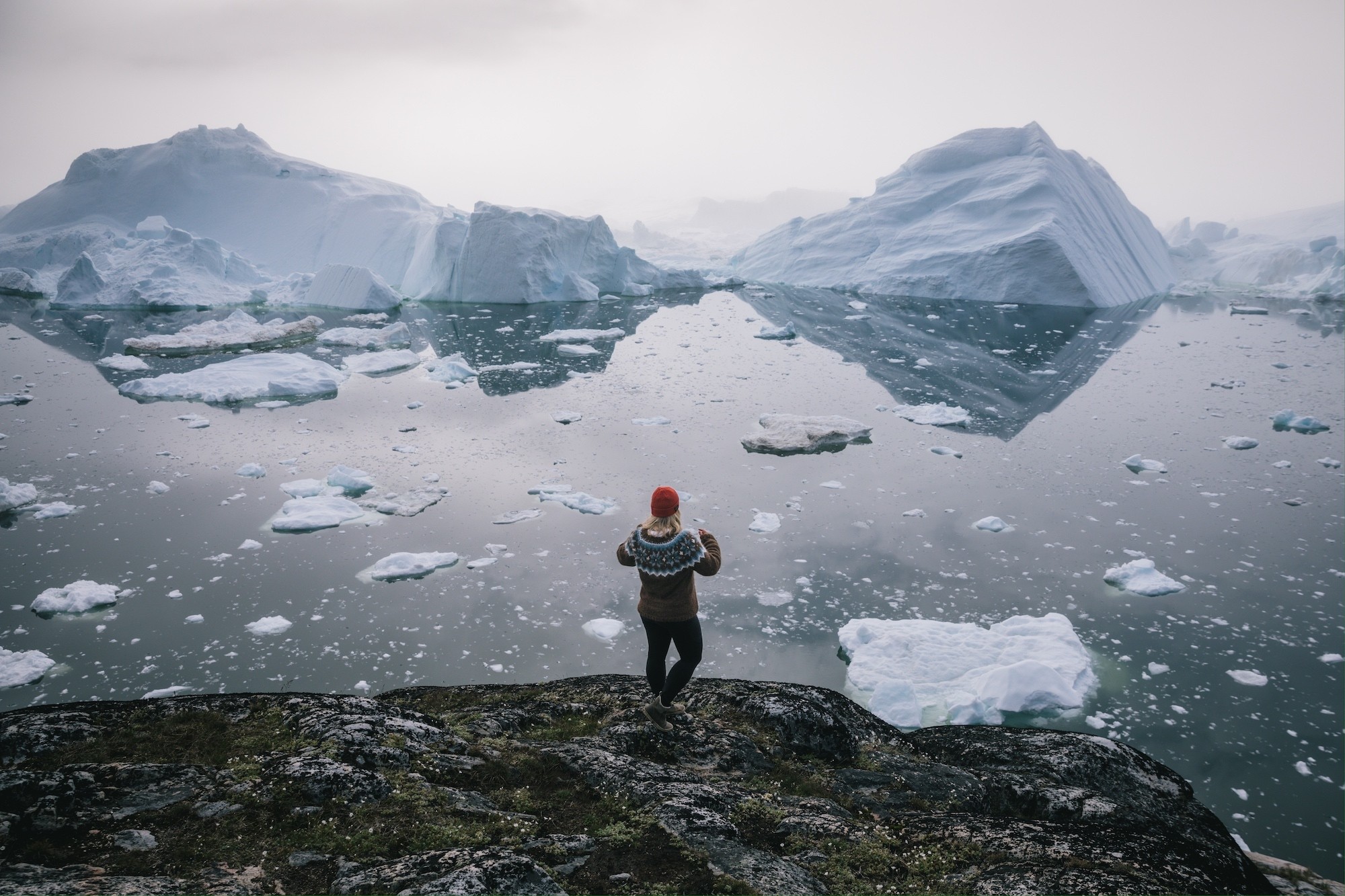
For years, the prevailing model of adventure travel media relied on digital storytelling, ad-supported blogging, and social media influence to generate revenue. However, changing economic landscapes, post-pandemic burnout, and a saturation of digital platforms have prompted travel professionals to seek more tangible, community-driven roles. Rather than merely observing and reporting on remote ecosystems, industry veterans are increasingly embedding themselves within expedition operations. This evolution reflects a broader maturing of the adventure travel market, where consumers increasingly value certified expertise, safety, and authentic environmental stewardship over superficial destination marketing.
Logistics and Accessibility in the Extreme North
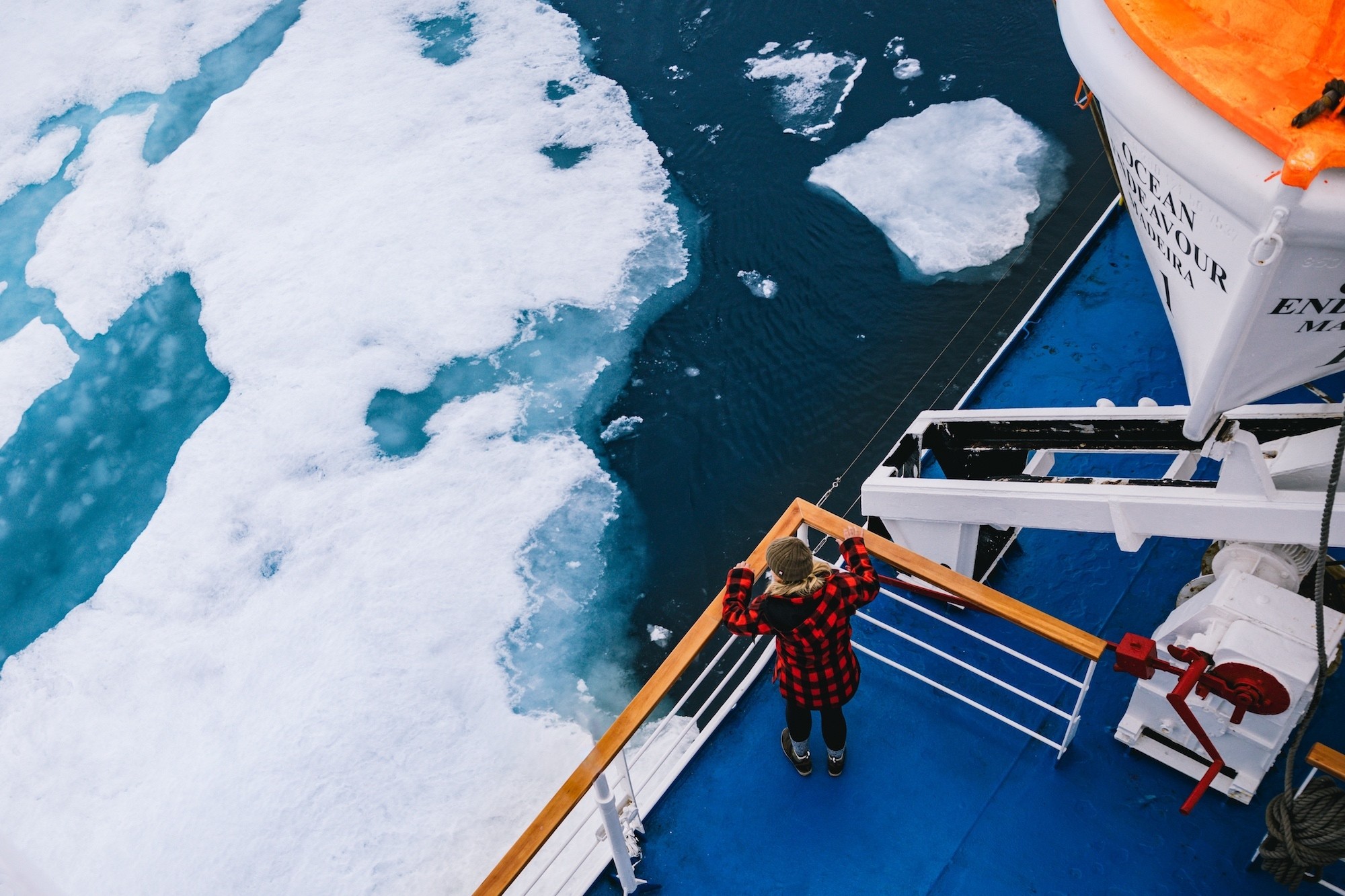
Operating tours in the Arctic and Antarctica presents unique logistical challenges that distinguish polar travel from standard global tourism. Geographically isolated and heavily guarded by seasonal sea ice, these regions are largely inaccessible for the majority of the calendar year. Commercial aviation and standard marine vessels cannot navigate the frozen waters, leaving a narrow window during the peak summer months when receding ice opens maritime corridors.
Consequently, expedition cruising has become the primary mechanism for responsible polar tourism. Operating within these fragile ecosystems requires specialized vessels—often ice-strengthened ships capable of maneuvering through shifting pack ice—along with fleets of Zodiac inflatable boats for shore landings. These operations rely heavily on seasoned polar guides, marine specialists, and naturalists who manage safety protocols, wildlife monitoring, and educational programming.
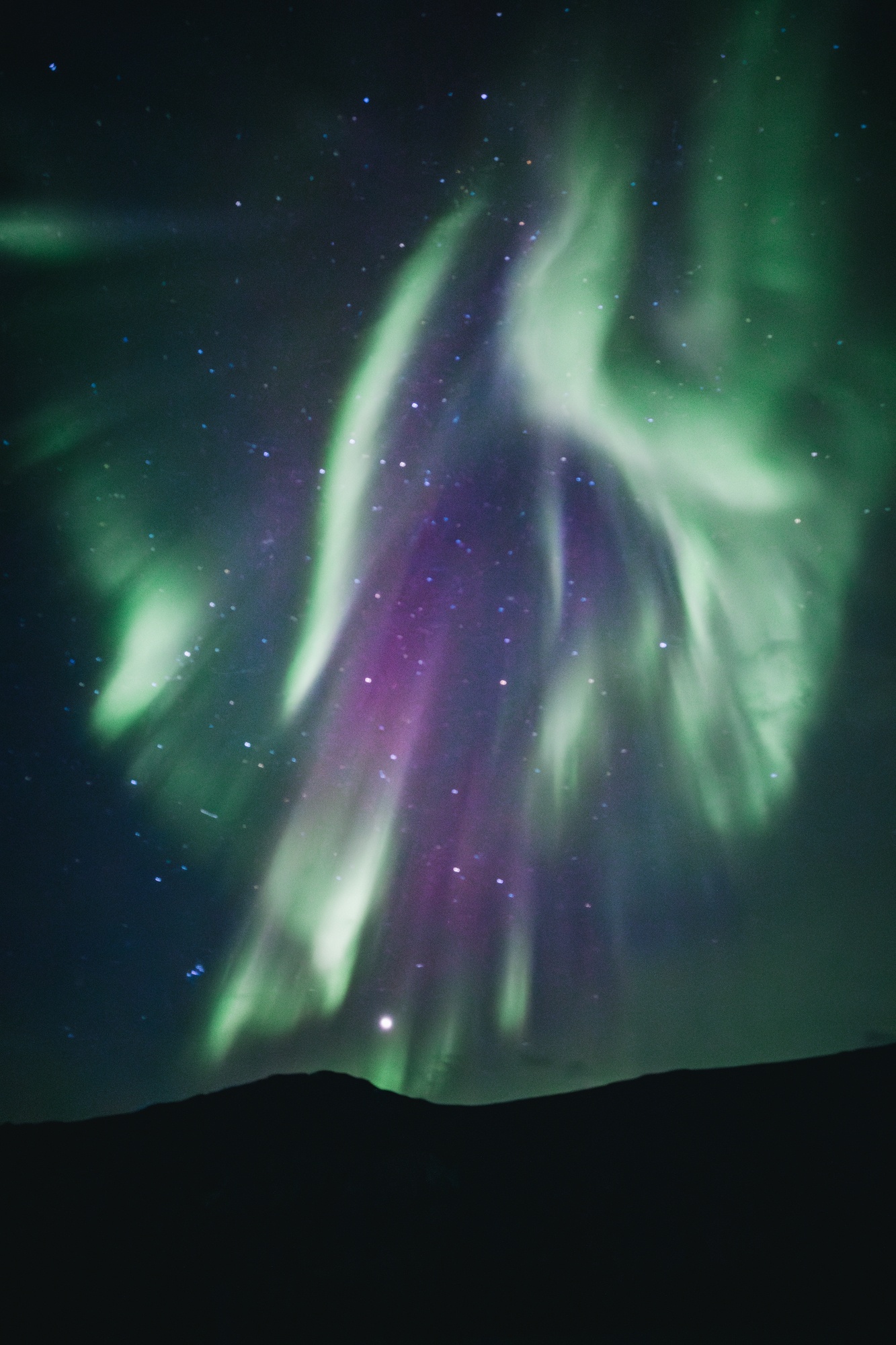
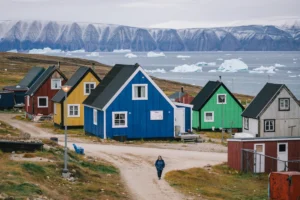
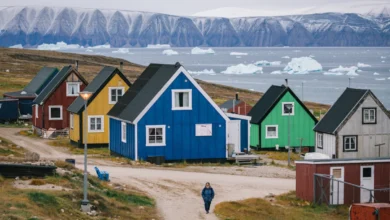
The logistical framework also demands close collaboration with local indigenous communities. Destinations across the Canadian Arctic and Greenland rely on structured tourism partnerships to ensure that visiting vessels support local economies, respect cultural heritage, and incorporate traditional knowledge into passenger education. This collaborative approach helps mitigate the potential negative impacts of tourism on remote settlements while offering travelers a deeper understanding of northern ways of life.
The Economic and Environmental Realities of Polar Tourism
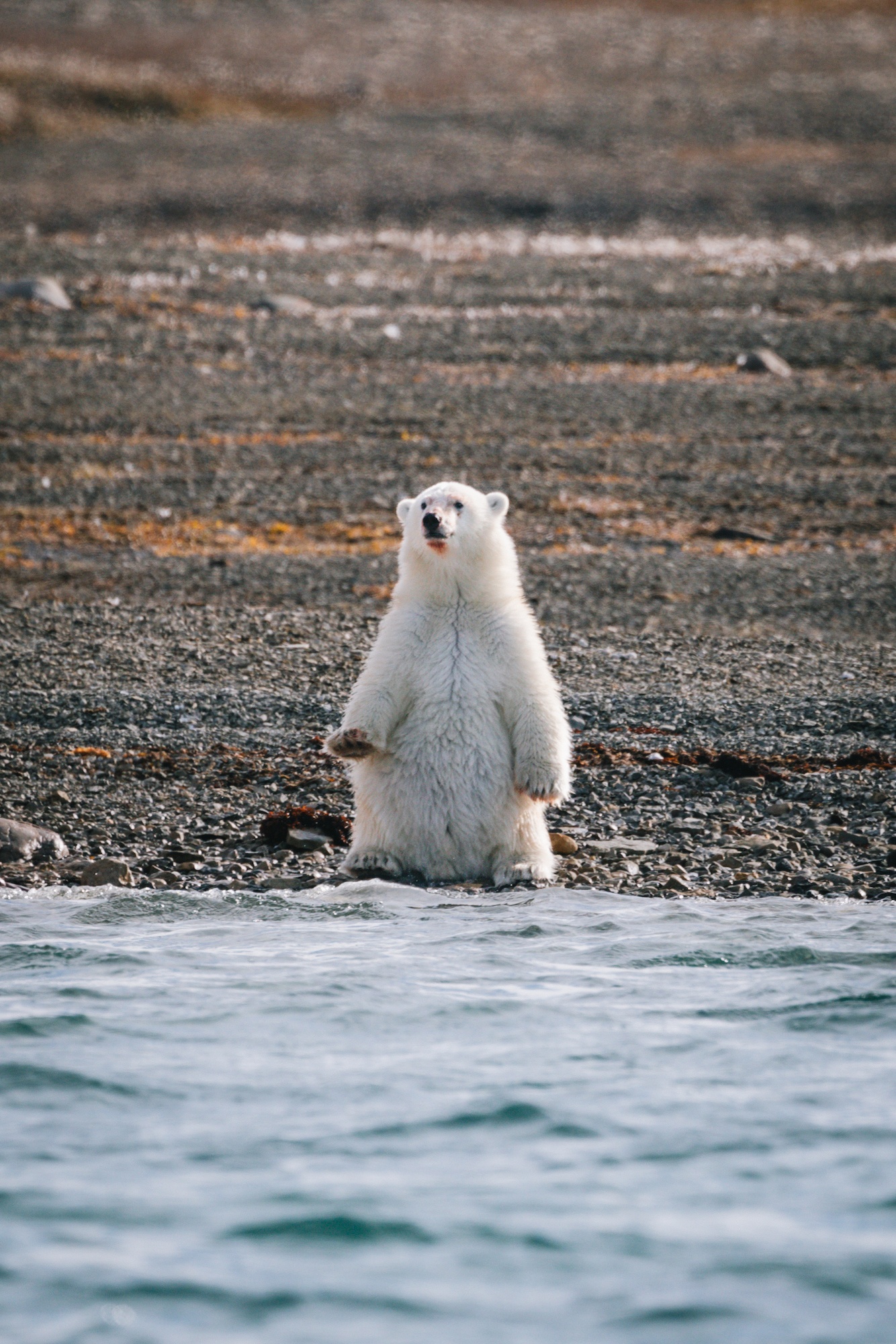
The economic dynamics of polar travel are shifting in tandem with consumer demands. High-end expedition companies, such as Adventure Canada—a family-owned and operated expedition cruise line—report consistently high passenger loyalty, with repeat customer rates often exceeding fifty percent. This retention level is rare in broader leisure tourism, underscoring the profound psychological impact that polar environments exert on travelers.
At the same time, the business model of travel content creation is undergoing a paradigm shift. Content creators and expedition guides are increasingly adopting a hybrid referral and commission-based agency model. By leveraging their firsthand operational expertise, these professionals act as specialized consultants who match prospective travelers with specific polar itineraries. This shift reduces reliance on volatile ad revenue and sponsored content, aligning the financial interests of creators directly with customer satisfaction and safety.

Industry analysts note that this direct-to-consumer advisory model fosters greater transparency in travel marketing. When an expedition guide personally vets a vessel, route, and operating crew, prospective passengers receive a higher degree of pre-trip preparation and realistic expectations regarding wildlife sightings, weather delays, and physical requirements.
Conservation Imperatives and the Rise of Polar Ambassadors
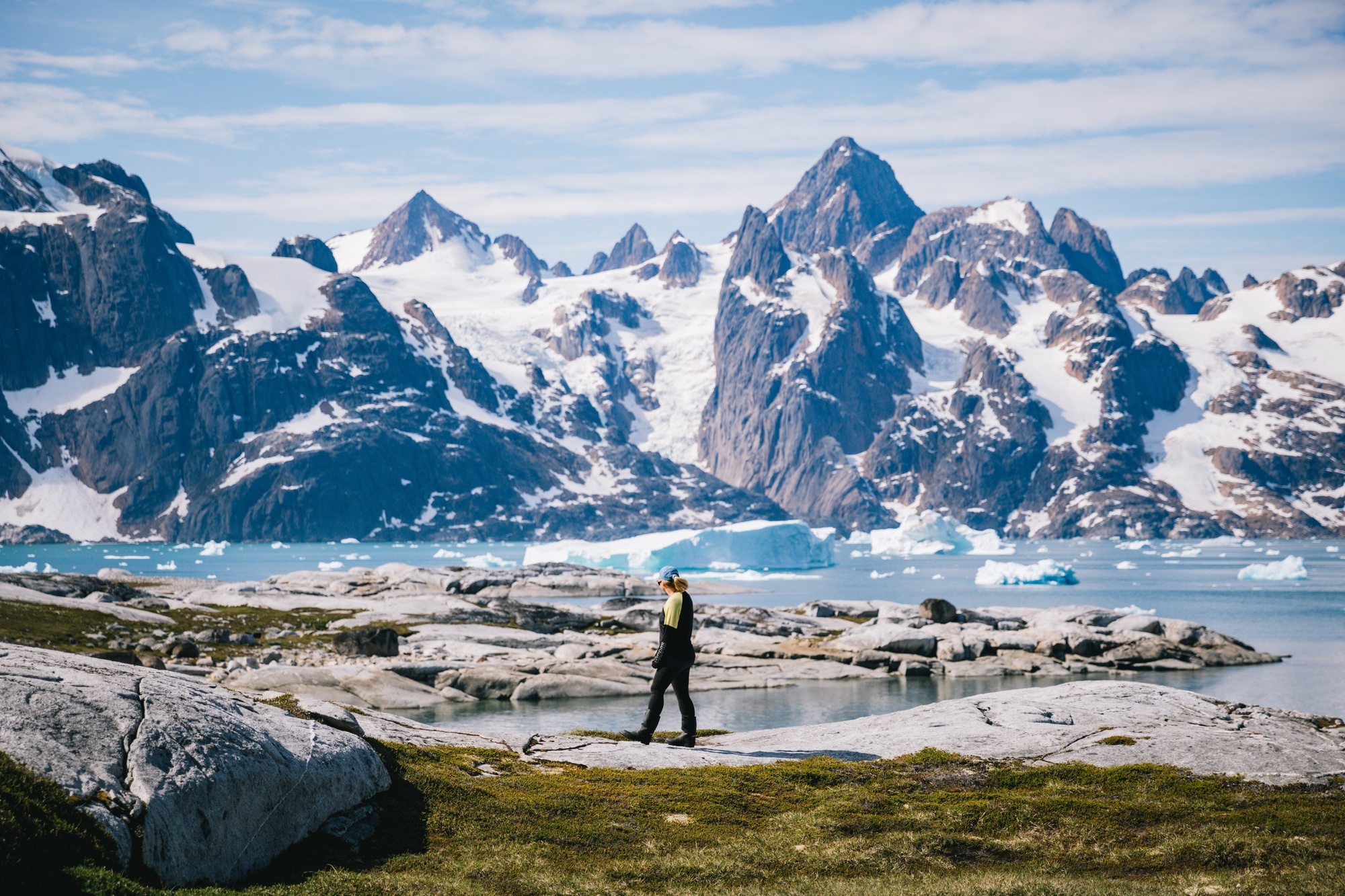
Beyond economic and logistical considerations, the expansion of polar tourism carries significant environmental and educational implications. Conservation organizations and polar operators emphasize that travelers who witness the impacts of climate change firsthand—such as diminishing glaciers, receding sea ice, and altered wildlife habitats—frequently return home as committed environmental advocates.
Industry stakeholders often refer to these returning passengers as "polar ambassadors." In an era marked by rapid global warming, the Arctic is warming at a rate roughly four times faster than the rest of the planet. Educating the traveling public through immersive onboard programming, scientific lectures, and direct observations of apex predators like polar bears provides a powerful counterweight to abstract climate data.
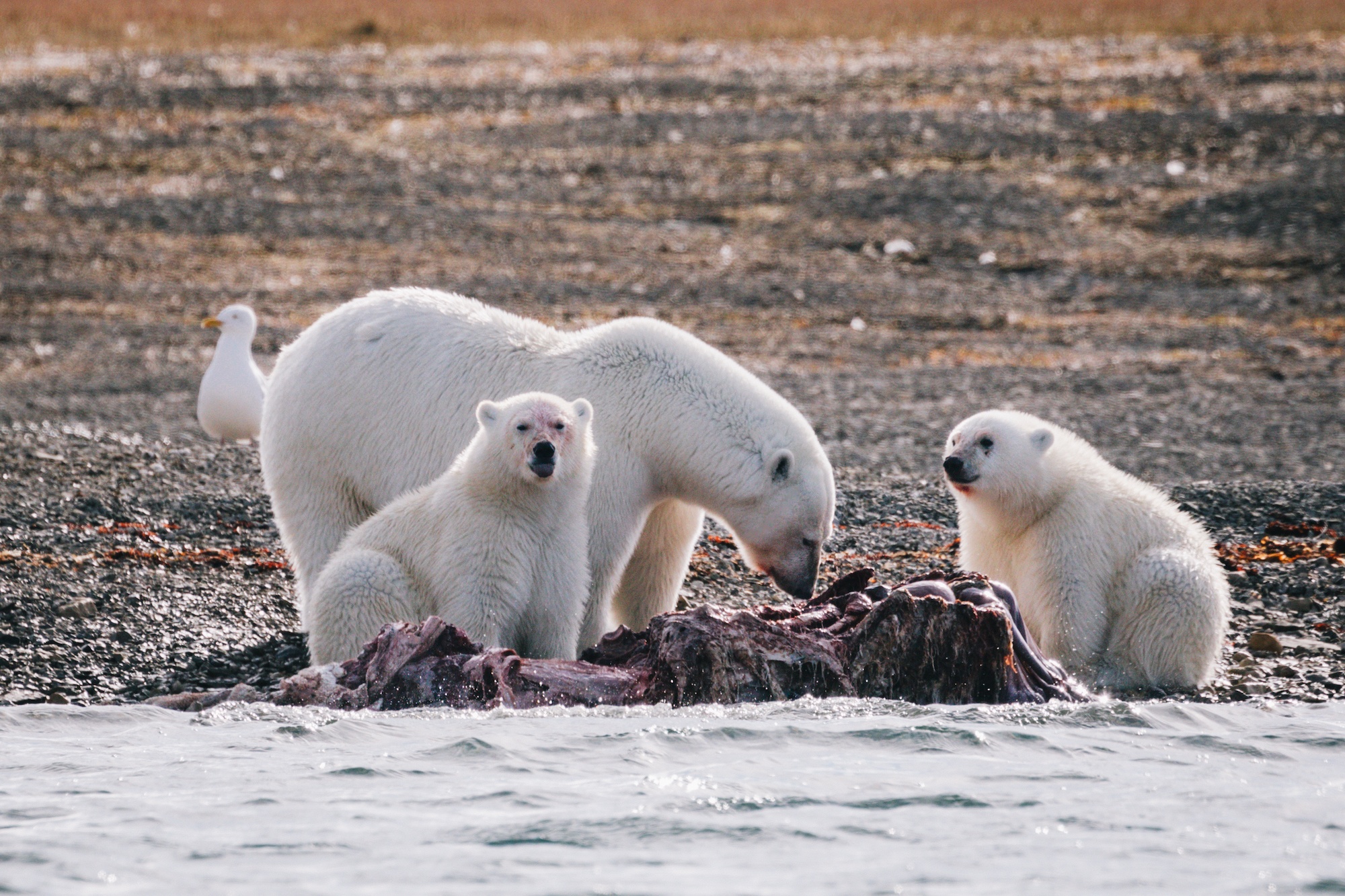
Furthermore, responsible polar operators adhere to strict international guidelines, such as those established by the International Association of Antarctica Tour Operators (IAATO) and the Association of Arctic Expedition Cruise Operators (AECO). These protocols regulate wildlife viewing distances, waste management, and passenger-to-staff ratios to ensure that increasing interest in polar travel does not compromise the very ecosystems that draw visitors to the region in the first place.
Future Outlook for Expedition-Led Travel
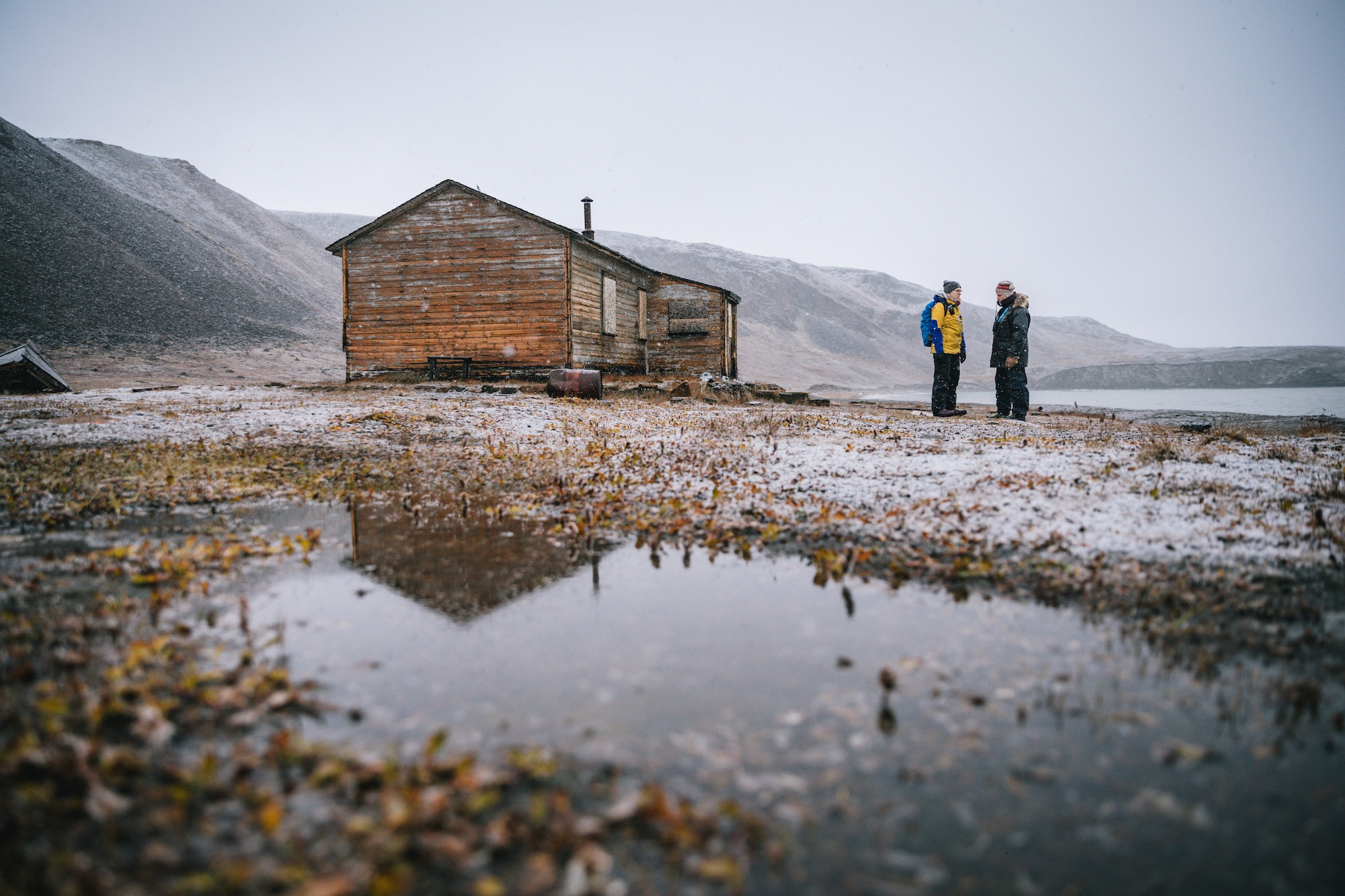
As the adventure travel sector continues to recover and expand, the integration of seasoned field professionals into the booking and advisory process is expected to grow. Consumers are increasingly skeptical of generalized travel advice, preferring instead to book through individuals with direct, hands-on experience in extreme environments.
This trend signals a sustainable path forward for travel media professionals seeking alternatives to the traditional influencer economy. By combining rigorous field expertise, deep-seated environmental advocacy, and personalized travel curation, expedition leaders are helping to redefine how the world accesses, understands, and ultimately protects the polar regions.