From Digital Nomad to Polar Expedition Guide: The Evolution of Adventure Travel and the Lure of the High North

The landscape of modern adventure travel has undergone a profound transformation over the past decade, shifting away from superficial digital nomadism toward deep-immersion expedition tourism. At the forefront of this movement is the increasing professionalization of polar travel, a sector that bridges remote exploration, environmental education, and specialized tour operations. Industry professionals, travel creators, and expedition companies are increasingly shifting their focus toward the Arctic and Antarctic, driven by a growing global demand for purposeful, remote-destination travel that emphasizes ecological awareness and community connection.
The Mechanics and Logistics of Modern Polar Tourism
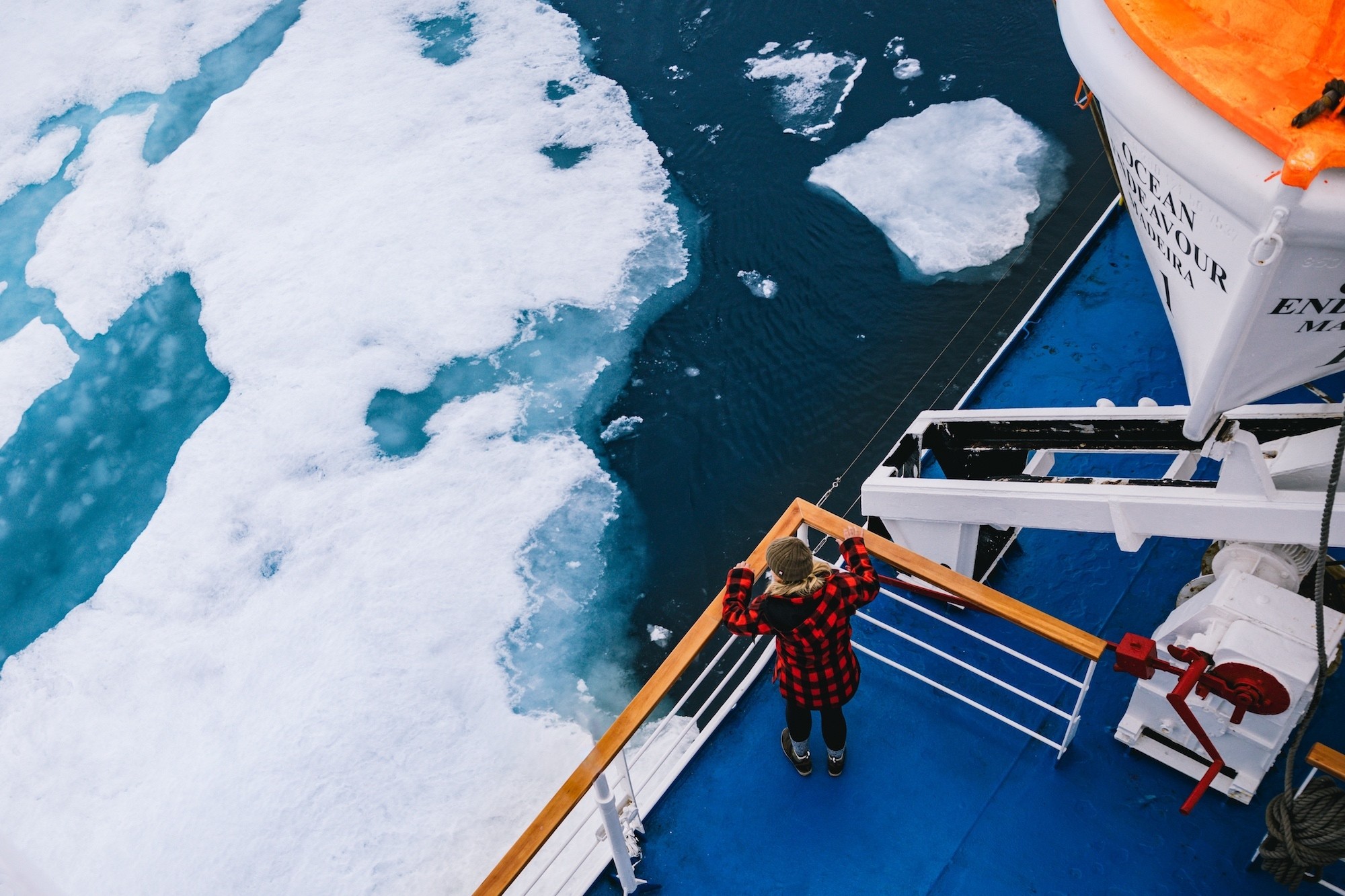
Visiting the high latitudes of the Arctic and Antarctica presents logistical challenges unlike any other form of tourism. Due to the presence of multi-year sea ice that locks vast regions away for most of the year, maritime access is restricted to a brief window during the summer months, typically spanning from June through September. During this period, expedition ships serve as both floating research vessels and passenger liners, enabling travelers to navigate waters otherwise impassable to standard commercial vessels.
According to data from the International Association of Antarctica Tour Operators (IAATO) and the Association of Arctic Expedition Cruise Operators (AECO), polar tourism has experienced a steady resurgence following the disruptions of the global COVID-19 pandemic. Travelers increasingly seek out remote, isolated destinations where infrastructure is minimal, relying instead on specialized Zodiac boats, small aircraft, and seasonal ice-strengthened vessels. This controlled access helps mitigate environmental degradation while offering visitors unprecedented access to wildlife habitats, including migration corridors for bowhead and humpback whales, sea-ice hunting grounds for polar bears, and nesting cliffs for migratory seabirds.
A Post-Pandemic Shift in the Travel Industry
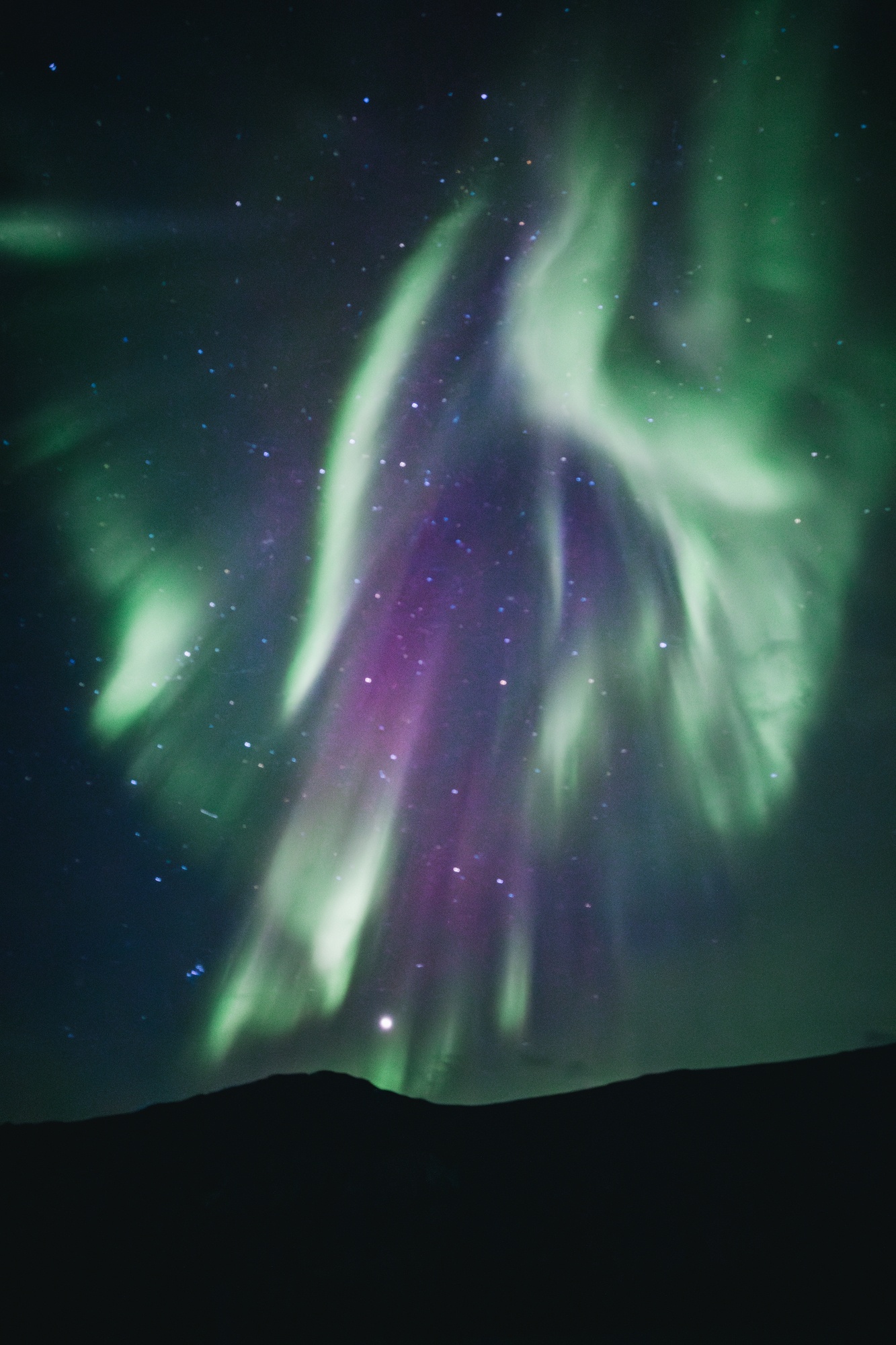
The transition of digital content creators and travel writers into formal expedition guiding and specialized travel booking roles reflects a broader industry trend. Following the disruptions of 2020–2022, many professionals within the travel media ecosystem reported widespread burnout, prompting a departure from traditional influencer models toward hands-on, operational roles within the tourism sector.
Rather than relying solely on ad-supported content and digital partnerships, seasoned travel professionals are leveraging their on-the-ground expertise to act as specialized booking agents and expedition staff. This model allows guides to maintain continuous engagement with the regions they document while offering prospective travelers curated insights based on firsthand operational experience. Industry analysts note that this shift provides consumers with higher levels of trust and transparency, as bookings are facilitated by individuals with direct, seasonal familiarity with the ships, itineraries, and local communities involved.
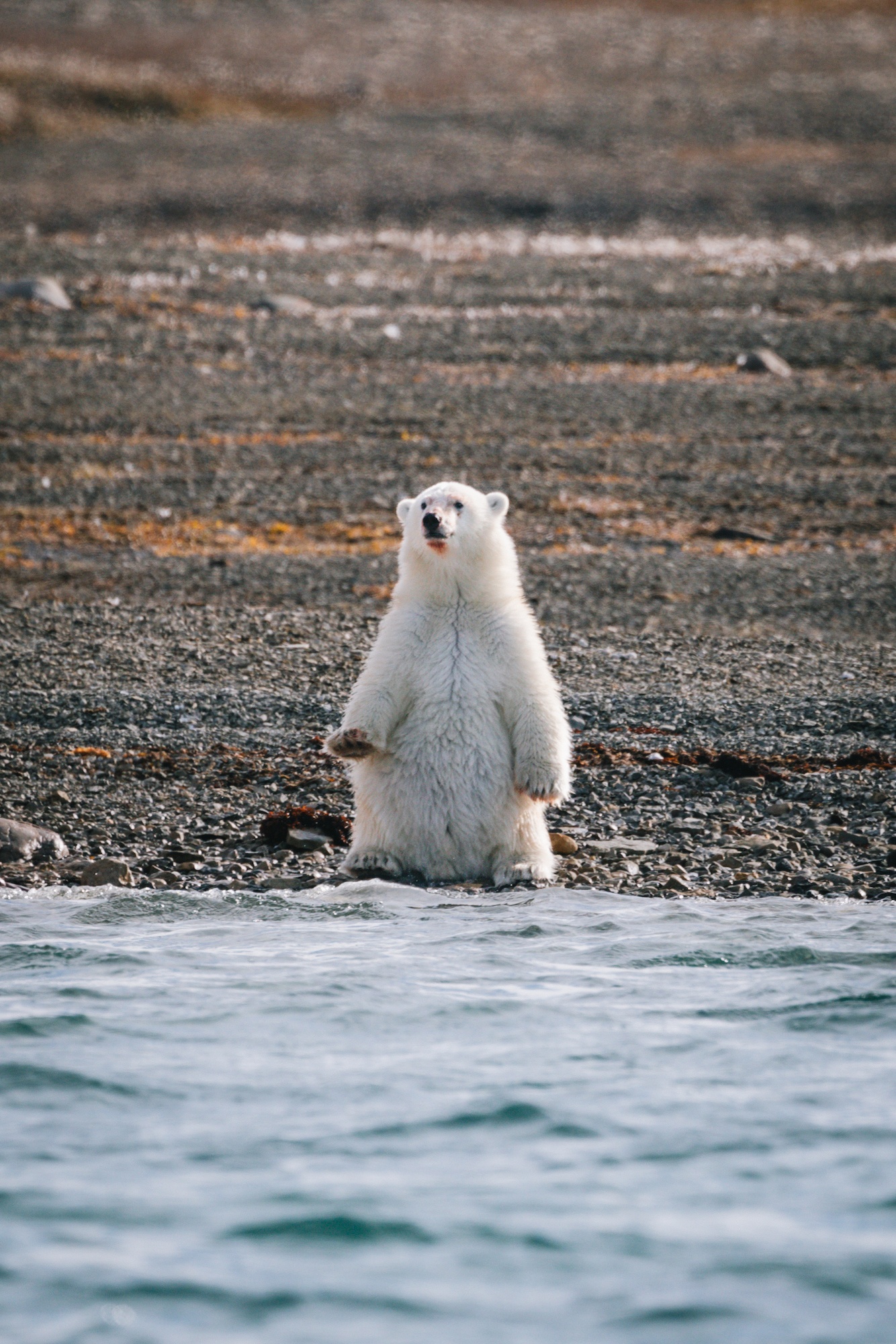
The Role of Expedition Operators in the Arctic
Central to the contemporary Arctic tourism framework are specialized operators such as Adventure Canada, a family-owned and operated enterprise that has facilitated northern maritime voyages for decades. Operating in regions spanning the Canadian Arctic, Greenland, and Svalbard, these companies emphasize multi-generational continuity, maintaining high retention rates among both veteran expedition crew members and returning passengers.

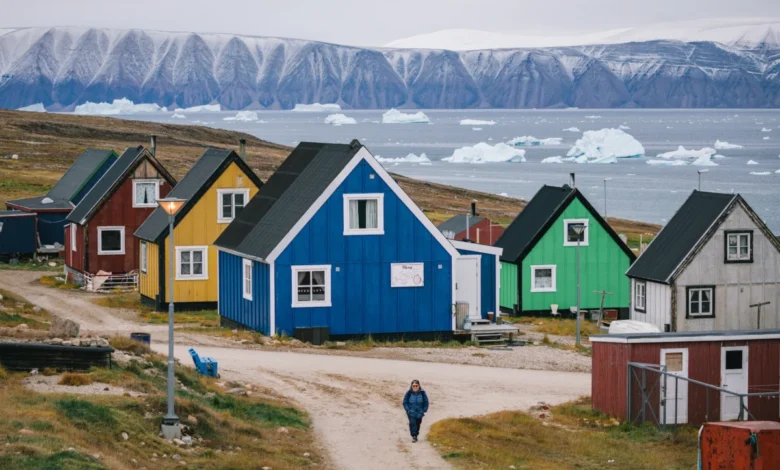
Unlike mass-market cruise lines, polar expedition operators function under strict environmental and cultural guidelines. AECO and IAATO enforce mandatory briefing protocols for passengers regarding wildlife viewing distances, biosecurity measures to prevent the introduction of invasive species, and respectful engagement with Indigenous communities. Visits to northern settlements are coordinated in partnership with local councils, ensuring that tourism directly supports local economies through the purchase of regional crafts, artistic exhibitions, and community-led presentations.
Wildlife, Exploration, and Environmental Education
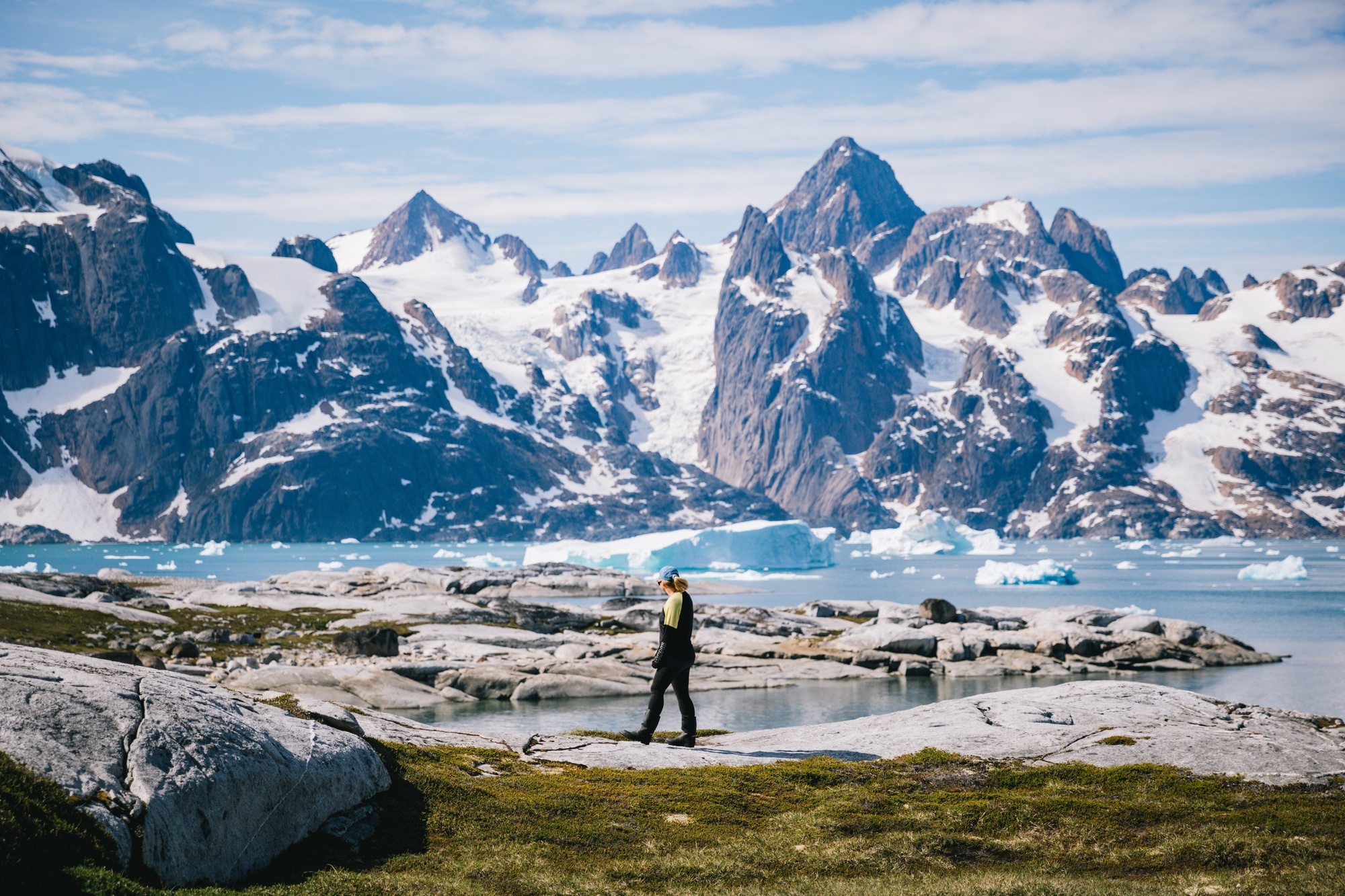
The appeal of the Arctic lies not only in its geographical isolation but also in its historical significance and rich biodiversity. Itineraries frequently retrace the routes of historic polar expeditions, including the infamous Franklin Northwest Passage search, stopping at landmark sites such as Beechey Island in Nunavut.
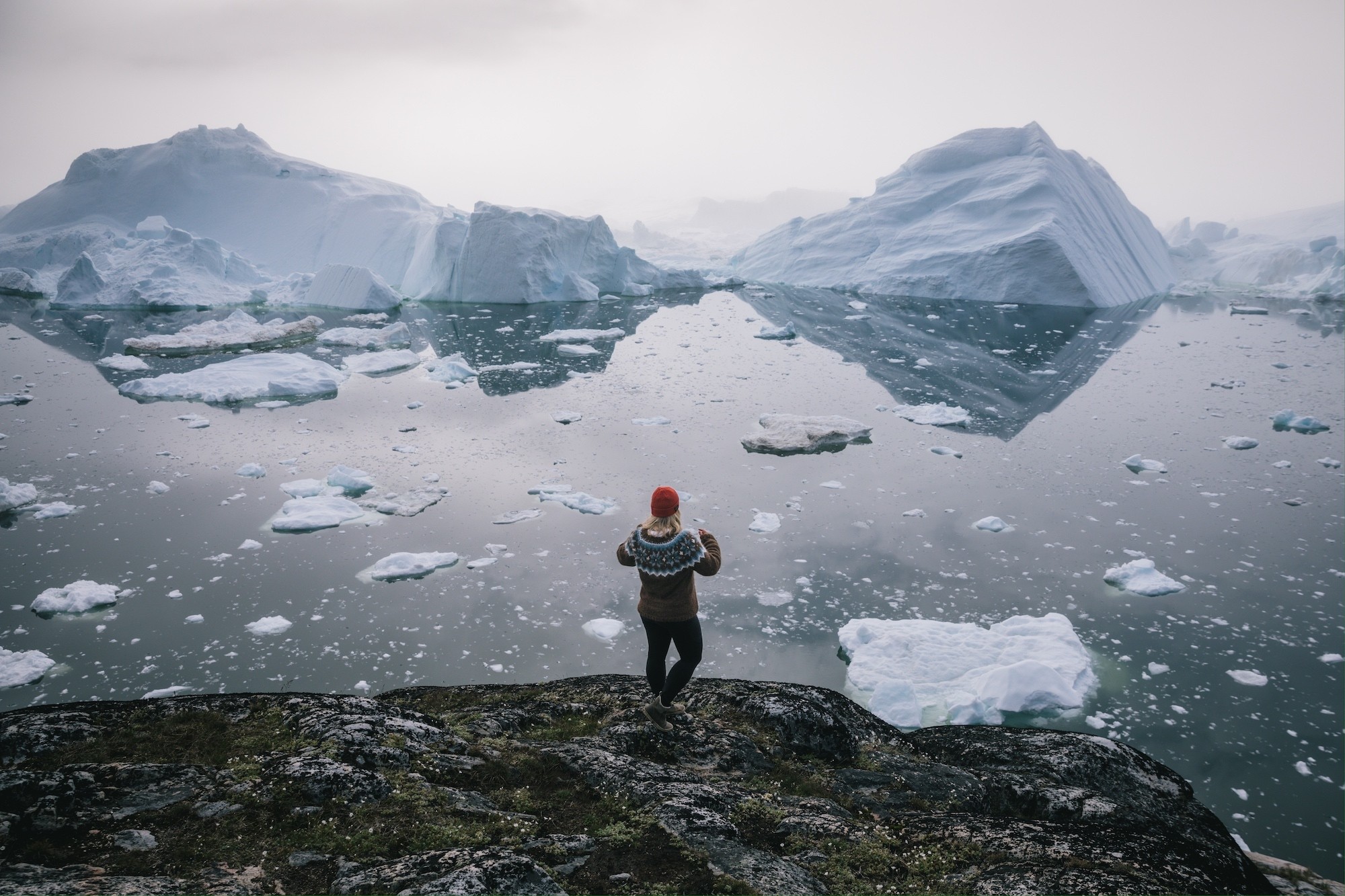
Simultaneously, the region serves as an essential observation ground for climate change research. Rapidly diminishing glaciers and receding sea ice are visible indicators of global atmospheric shifts, transforming every tourist into an involuntary witness to environmental transformation. Expedition leaders frequently incorporate scientific lectures, citizen science projects—such as cloud observation and marine mammal tracking—and glaciology workshops into daily itineraries.
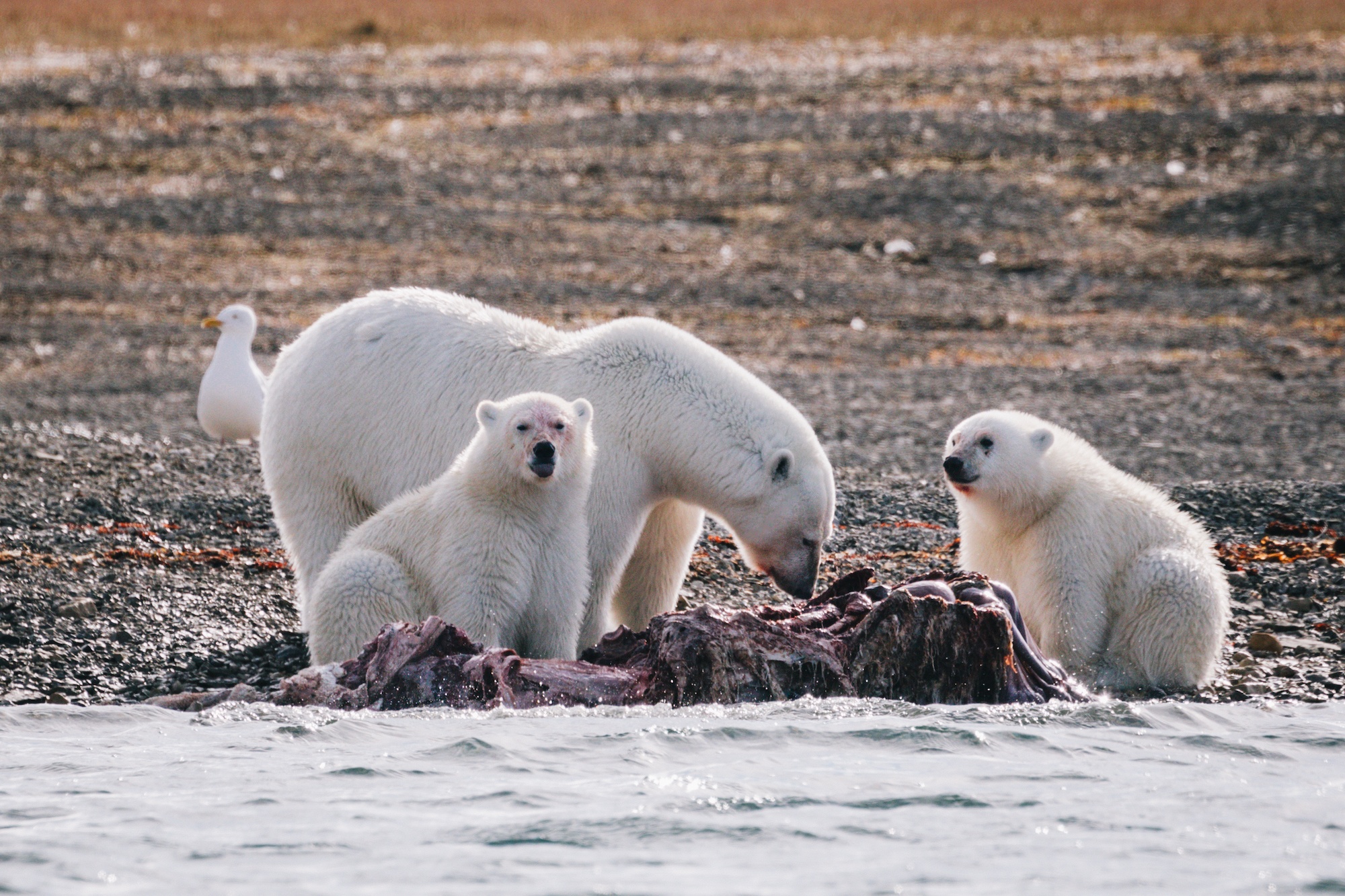
Industry experts and environmental scientists emphasize that firsthand exposure to polar ecosystems fosters long-term conservation advocacy. Travelers who witness the fragility of Arctic ice packs and the dependency of apex predators on stable marine habitats frequently transition into vocal ambassadors for global climate policy upon their return.
Economic and Strategic Implications for the Future of Polar Travel
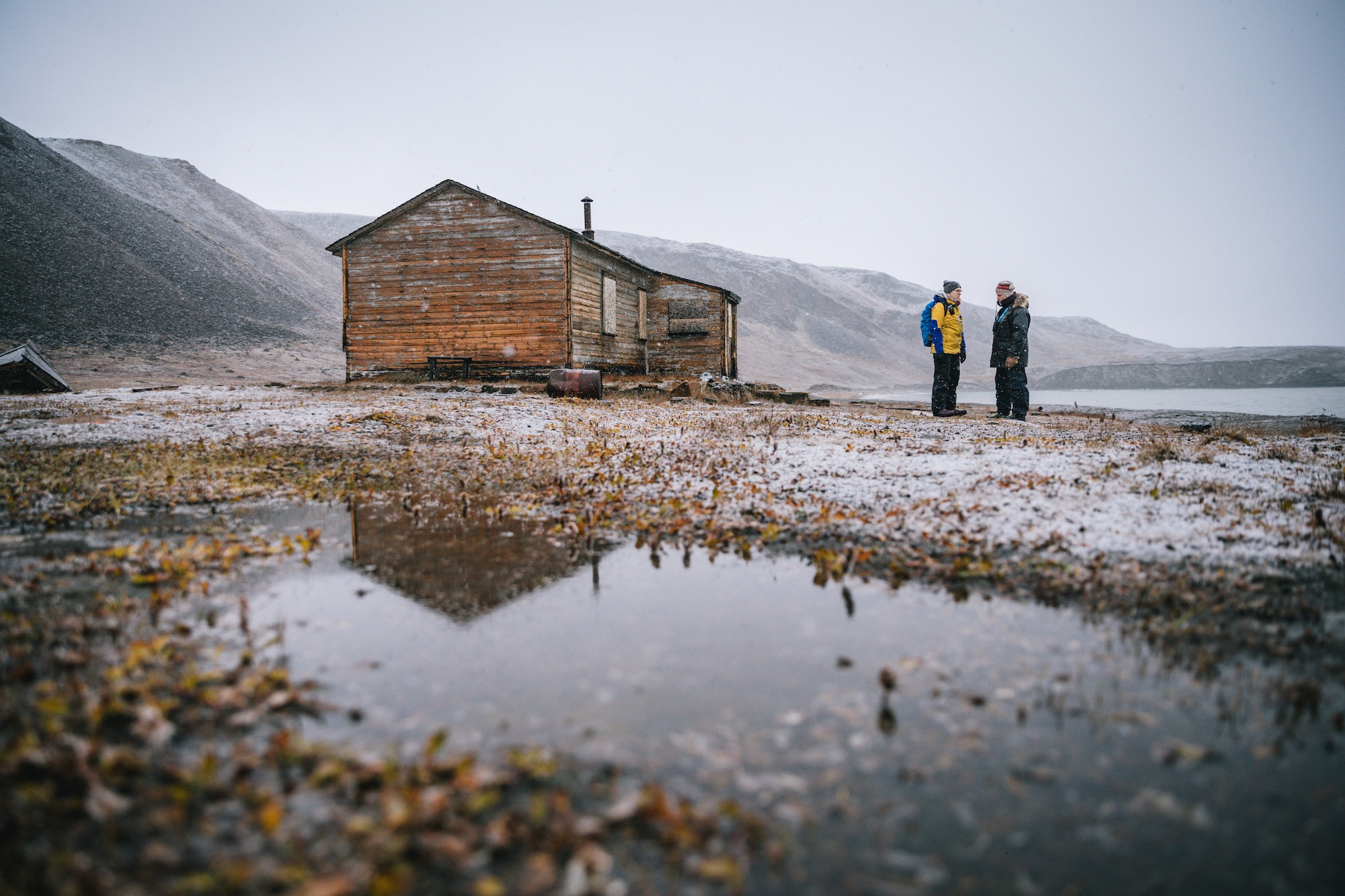
As the demand for high-latitude travel continues to grow, the polar tourism sector faces complex management challenges. Balancing economic viability with ecological preservation requires strict regulatory oversight by international bodies and regional governments. The implementation of heavy fuel oil bans in certain Arctic waters, alongside mandatory vessel safety protocols under the international Polar Code, underscores the industry’s commitment to sustainable navigation.
For travel professionals transitioning into advisory and guiding roles, the focus has shifted toward education-first marketing. By prioritizing transparency regarding commission structures, environmental footprints, and travel logistics, the sector aims to attract conscientious travelers who view polar voyages not merely as vacations, but as transformative educational experiences.
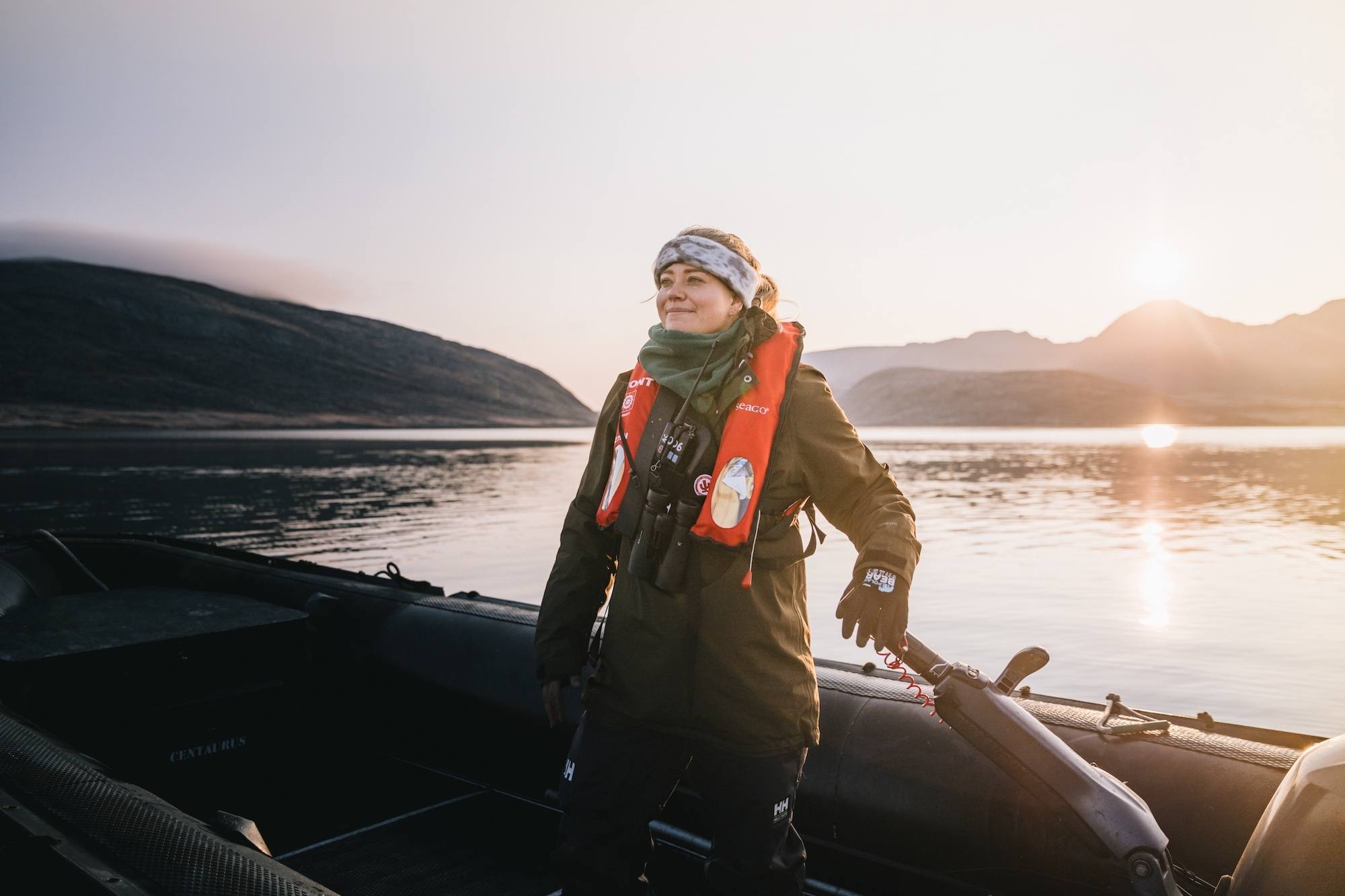
Ultimately, the enduring allure of the Arctic and Antarctic ensures that specialized expedition travel will remain a vital component of the global tourism economy. As more travelers seek out the profound isolation and wild unpredictability of the high north, the industry’s success will depend on its ability to protect the very environments that draw visitors to the edge of the world.