Berlin Christmas Markets: A Comprehensive Guide to the Capital’s Festive Landscape

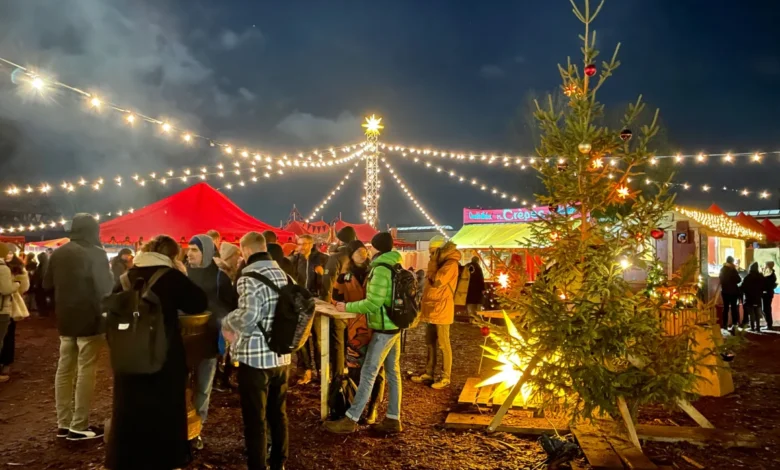
Berlin has transformed its winter identity over the last two decades, evolving from a city with a modest holiday presence into a major European destination for Christmas market tourism. While traditional hubs like Nuremberg and Munich have long defined the German holiday aesthetic, Berlin offers a distinct, multifaceted approach. With over 70 individual markets scattered across the city’s diverse districts, the capital provides a unique blend of historical reverence, modern urban culture, and localized community gatherings that cater to a global audience.
Historical Context and Modern Evolution
The proliferation of Christmas markets in Berlin—known locally as Weihnachtsmarkt—is a relatively recent phenomenon compared to the centuries-old traditions found in Southern Germany. Following the reunification of Germany, Berlin sought to cultivate a holiday atmosphere that reflected its decentralized urban structure. Unlike historic cities that focus on a single, primary market in the town square, Berlin’s layout necessitates a distributed model. This has resulted in a market culture that is highly neighborhood-specific, where each location serves as a micro-hub for local commerce, gastronomy, and social interaction.

Market operators and city planners have noted that these events are no longer just seasonal shopping venues; they are critical components of the city’s winter economy. The markets typically commence in late November, coinciding with the beginning of the Advent season, and often extend through the New Year. This extended timeline, which sees many markets operating for five to six weeks, provides a substantial boost to the local hospitality and retail sectors.
Key Festive Destinations and Their Unique Profiles

The diversity of Berlin’s market offerings is exemplified by the contrast between large-scale historical sites and intimate community-driven events.
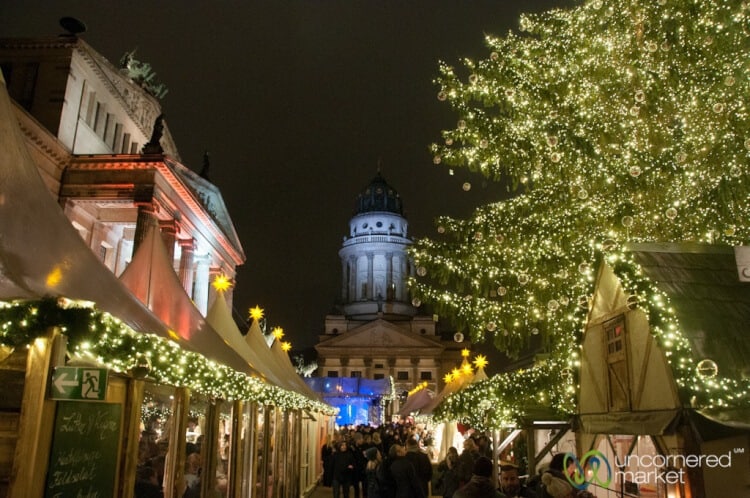
The WeihnachtsZauber at Gendarmenmarkt remains the city’s most prestigious market. Set against the architectural backdrop of the Konzerthaus and the French and German Cathedrals, it functions as a centerpiece for traditional craftsmanship. Visitors often encounter high-end artisans, including woodcarvers and glassblowers, alongside gourmet culinary offerings that move beyond standard street food. The site typically enforces a nominal entry fee, a practice that local officials suggest helps maintain the quality of the programming and crowd management.

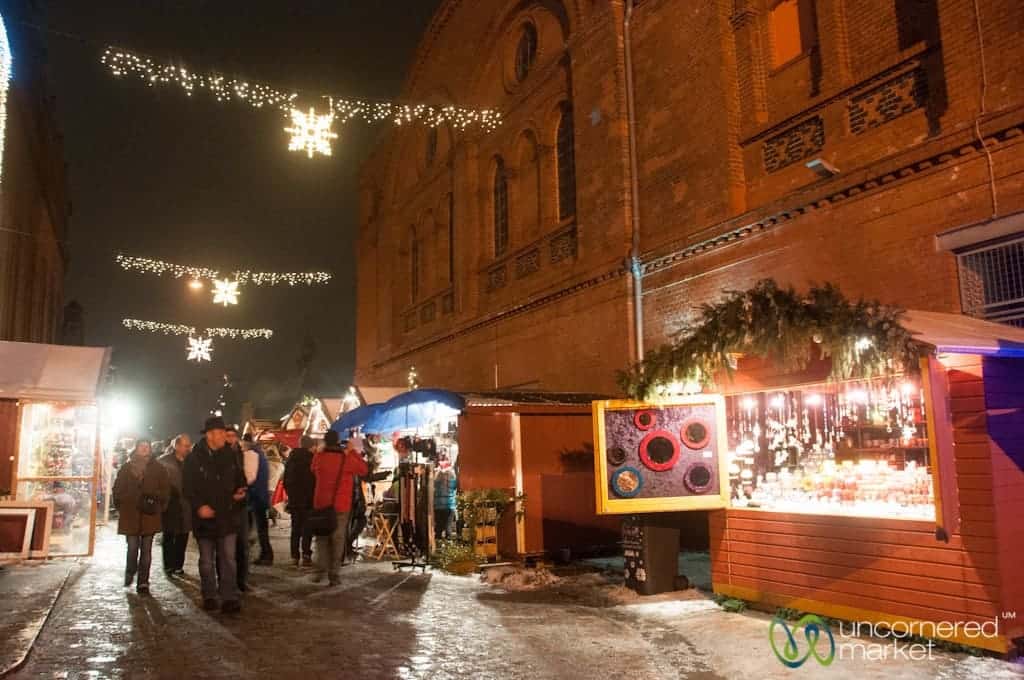
Conversely, the Lucia Christmas Market at the Kulturbrauerei in Prenzlauer Berg offers a distinct thematic focus. Dedicated to Nordic and Scandinavian traditions, it emphasizes cultural exchange, featuring products and culinary staples from Sweden, Denmark, and Norway. The industrial, red-brick architecture of the 19th-century brewery complex provides a unique, contained atmosphere that isolates the visitor from the city’s modern bustle.
In the West, the Schloss Charlottenburg Christmas Market leverages the grandeur of the Baroque palace. The illumination of the palace façade and the presence of traditional carousel rides create a fairy-tale aesthetic. This location is particularly popular among families and tourists, serving as a primary anchor for holiday activities in the Charlottenburg-Wilmersdorf district.

For those seeking an alternative to commercialized spaces, the Medieval Historical Christmas Market at the RAW Cultural Center in Friedrichshain offers an immersive experience. Here, the focus is on historical reenactment, with vendors dressed in period clothing and activities such as archery and blacksmithing. The use of fire pits and heavy ceramic mugs for mulled wine serves as an intentional rejection of modern mass-market aesthetics.
Economic and Social Impact
The economic implications of the Christmas market season are significant. In recent years, Berlin has seen a surge in winter tourism, with the markets serving as a primary driver for hotel bookings during the traditionally slower month of December. Industry analysts suggest that the markets contribute hundreds of millions of euros to the local economy, spanning catering, retail, and transportation.
Beyond the financial metrics, the markets serve a vital social function. They act as "third places"—social environments separate from the two usual social environments of home and the workplace. In the cold, dark days of December, where sunset occurs before 4:00 PM, these markets provide a brightly lit, communal space for residents to meet. The practice of drinking Glühwein (mulled wine) or Eierpunsch (egg liqueur punch) has become a cultural ritual that facilitates social cohesion in a city defined by its transient and international population.

Logistics and Planning for International Visitors
Navigating the Berlin market landscape requires strategic planning. With more than 70 locations, it is impossible for a single visitor to experience every venue. Experts recommend focusing on a geographical cluster, such as the Mitte district for historical context or the Friedrichshain-Kreuzberg area for a more alternative, localized experience.

Most markets are accessible via Berlin’s extensive public transit system, the BVG. Visitors are encouraged to utilize the U-Bahn and S-Bahn networks, as parking near major markets is severely restricted. Furthermore, travelers should be aware that while many vendors accept card payments, the culture remains heavily cash-reliant, particularly at smaller stands.
Sustainable practices have also become a priority for many market organizers. There has been a concerted push toward reducing single-use plastics. Many markets now utilize a deposit system (Pfand) for ceramic mugs and glass, encouraging visitors to return their containers rather than discarding them. This not only reduces waste but also provides a tangible souvenir for many tourists.

Regional Outreach: The Potsdam Connection
The influence of Berlin’s market culture extends beyond the city limits into the neighboring state of Brandenburg. The Potsdam Christmas Market, particularly the area around the Brandenburg Gate and the Luisenplatz, is often viewed as an extension of the Berlin experience. Located just a short train ride from the city center, Potsdam offers a UNESCO World Heritage backdrop that complements the festive atmosphere. The inclusion of smaller, specialized markets—such as the Polish Christmas Market at the Kutschstallhof—highlights the region’s commitment to cross-border cultural representation.

Official Guidance and Safety Measures
Berlin authorities and local tourism boards emphasize safety and inclusivity during the holiday period. Large-scale markets are subject to stringent security protocols, including crowd control measures and regular inspections of food and fire safety standards.

For the upcoming season, visitors are encouraged to monitor official government websites and the VisitBerlin portal for updated hours, as weather conditions can occasionally impact the operations of smaller, open-air markets. It is also advised that those traveling with families prioritize daytime visits, as the evening crowds—particularly on weekends—can become dense and difficult to navigate.
Final Assessment: A Reflection of Berlin’s Character

The evolution of Berlin’s Christmas market scene is a reflection of the city itself: a synthesis of disparate influences that refuses to conform to a single narrative. Whether it is the polished, high-end environment of the Gendarmenmarkt or the gritty, industrial charm of the RAW grounds, the markets provide a window into the local psyche. They demonstrate a city that balances its historical obligations with a forward-looking, creative energy. For the visitor, the experience is less about the purchase of gifts and more about participating in the seasonal rhythm of one of Europe’s most dynamic capitals. As Berlin continues to refine its festive offerings, the markets remain an essential, albeit evolving, pillar of the city’s winter identity.