The True Cost of Traveling in Croatia: A Comprehensive 2026 Regional Budget and Seasonal Price Analysis

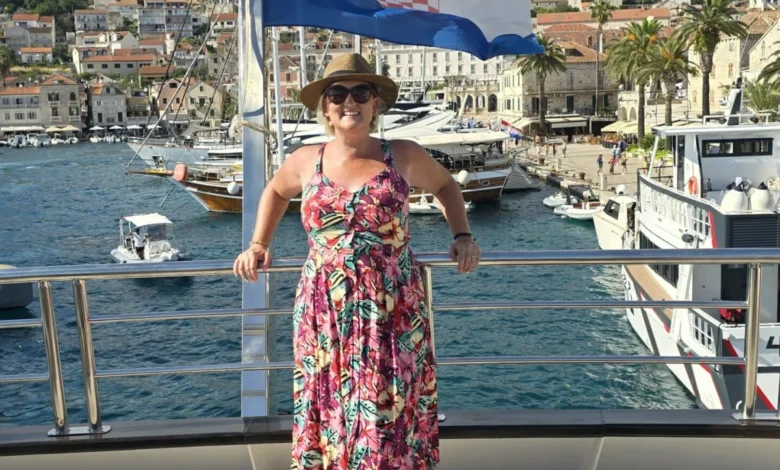
When travelers ask how much a trip to Croatia costs, the standard numerical reply is almost invariably misleading. Because visitors do not travel to a monolithic entity called Croatia—they travel to specific destinations such as Hvar, Dubrovnik, Split, or Zagreb—the financial reality varies drastically depending on the chosen locale. For instance, a hostel dorm bed can cost as little as €10 in the coastal city of Split during shoulder season, yet skyrocket to €120 in Dubrovnik during the peak of August. Similarly, public transit in the capital city of Zagreb is remarkably inexpensive, whereas island transport premiums introduce entirely different budgetary considerations.
As Croatia continues to navigate its post-currency-transition economy following the official adoption of the euro on January 1, 2023, modern travel planning requires a granular, region-by-region understanding of expenses. This comprehensive analysis evaluates current travel costs across four distinct Croatian destinations, examining accommodations, dining, transportation, and seasonal pricing models to provide a realistic economic roadmap for travelers.
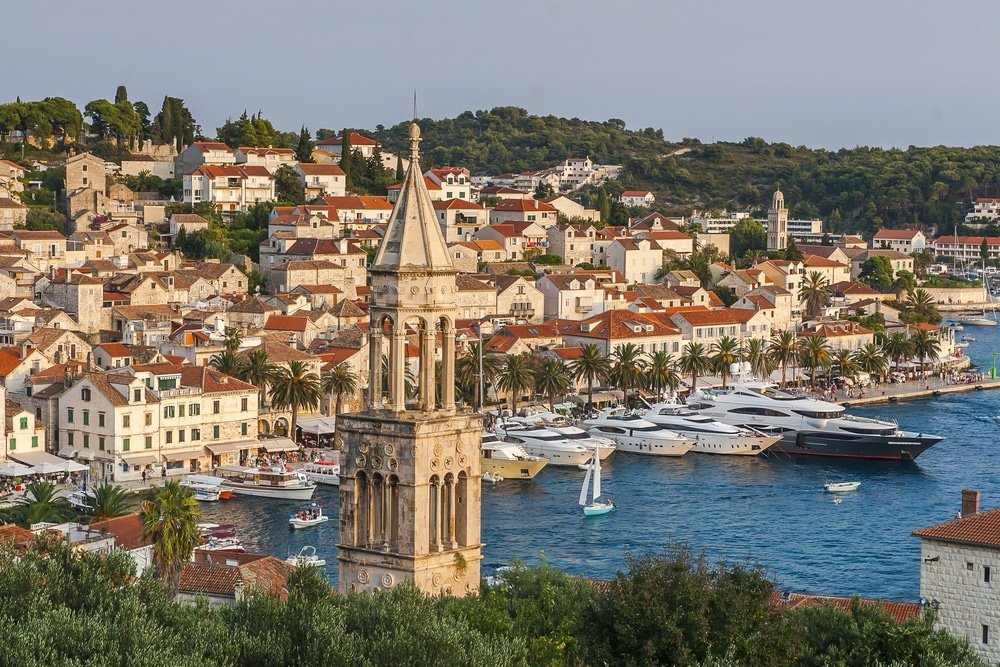
Regional Accommodation Disparities
Accommodation serves as the single largest variable in any Croatian holiday budget. The financial chasm between the country’s prominent coastal hot spots, urban centers, and islands is immense, driven largely by local supply constraints and geographic factors.
In Dubrovnik, a finite walled city facing massive seasonal influxes of cruise ship passengers and strict physical limits on available lodging, scarcity dictates high pricing. Conversely, Split functions as a major working coastal city with a population of approximately 160,000. Because it possesses the robust lodging inventory of a standard urban center rather than a constrained resort enclave, travelers avoid both island surtaxes and walled-city premiums while retaining access to widespread ferry networks.
Hostel dorm beds illustrate this disparity clearly: while Split offers beds starting at roughly €10, peak-season rates in Dubrovnik can reach up to €120 per night. On the island of Hvar, peak summer dorm beds routinely command between €40 and €70, dropping to €25–€45 in the shoulder season. Standard hotel doubles in three-star properties average around €80 in Dubrovnik and Zagreb, whereas boutique alternatives in Split range from €100 to €200. Private apartments and Airbnb rentals show similar stratification, with Zagreb and non-central Split offering significantly lower rates compared to Hvar’s €100–€250 peak averages and Dubrovnik’s €150–€300 nightly rates.
Dining Out and the Myth of the Island Tax
While accommodation costs fluctuate widely based on geography, culinary expenses demonstrate a more uniform baseline across regions, challenging the common assumption that island dining is universally prohibitive.

In local establishments known as konobas, budget meals range from €9 to €15 in Zagreb, roughly €10 to €20 on Hvar, and average around €17.50 in Dubrovnik. Mid-range, three-course meals for two average approximately €52.50 in the capital, compared to €70 in Dubrovnik and a range of €50 to €110 on Hvar.
A prominent indicator of local economic scale is the ubiquitous Croatian ritual of coffee culture. A standard cappuccino costs approximately €1.70 in Zagreb, compared to €2.30 to €3 on Hvar and €3.70 in Dubrovnik. While a fraction of a euro may seem negligible initially, prolonged stays amplify these minor daily costs, reflecting the underlying economic tier of each specific destination.
Public Transit and Inter-Island Logistics
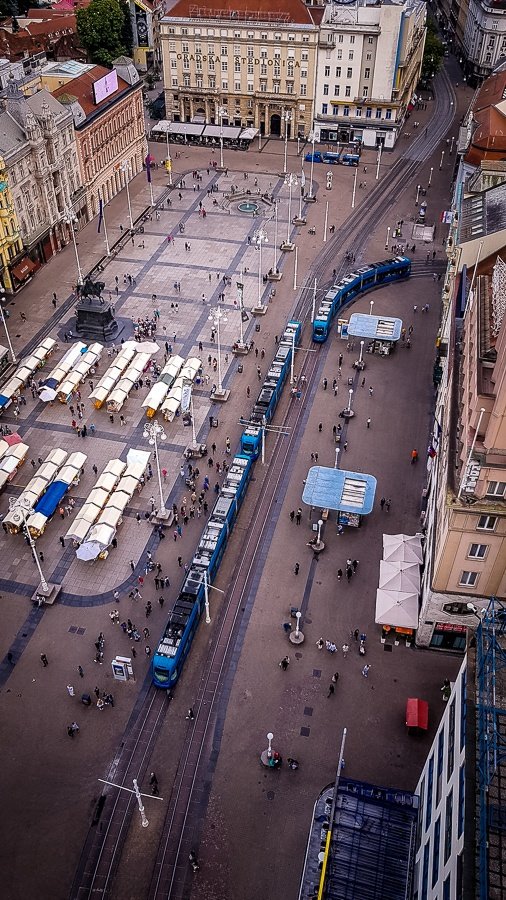
Transportation expenses highlight stark infrastructural contrasts between continental urban transit and maritime island transit. Zagreb’s public transit network, managed by ZET, provides exceptional value by Western European standards. Pre-purchased tickets cost €0.53 for a 30-minute journey, while a full-day unlimited travel ticket is priced at €3.98, and the historic Zagreb funicular costs €0.66.
In contrast, maritime transit between the mainland and islands involves complex pricing structures. Foot passenger tickets for catamarans running from Split to Hvar vary widely depending on the operator: fast boats operated by Krilo start at €8.50, whereas Jadrolinija’s direct Line 641 costs up to €25, reflecting differing baggage allowances and vessel types. Taxis in major hubs like Dubrovnik feature standard baseline charges, starting with a €4.00 base fare plus approximately €1.07 per kilometer.
Seasonal Pricing and National Park Economics

Beyond geographical selection, the timing of a visit exerts the most profound influence on total trip expenditure. Major Croatian natural attractions implement steep, tiered seasonal pricing models that fundamentally alter park admission costs depending on the month.
At Krka National Park, adult entry fees for the 2026 season are structured strictly by season:
- January to March, and November to December: €7.00
- April, May, and October: €20.00
- June to September: €40.00
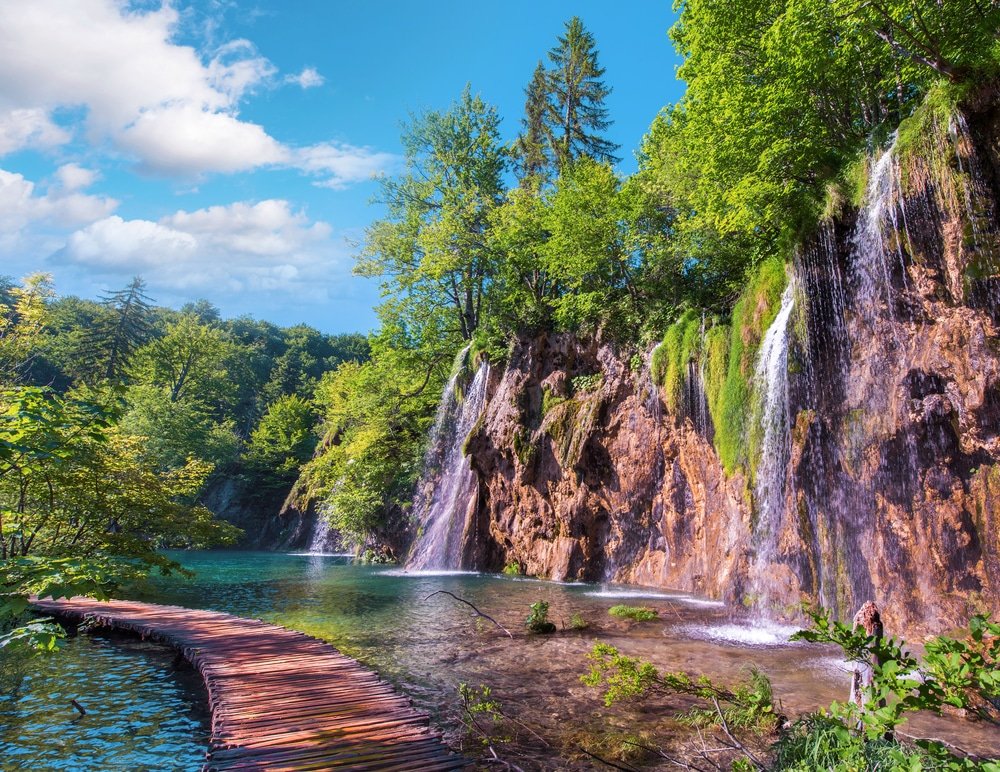
This represents nearly a 570% increase between low and high seasons for the exact same visitor access. Similarly, Plitvice Lakes National Park applies parallel pricing tiers, charging €10 in the winter months, €23 during the shoulder months of spring and autumn, and €40 from June through September. Plitvice admission fees cover comprehensive on-site amenities, including electric boat transit across Lake Kozjak, panoramic shuttle services, visitor insurance, and access to an extensive network of 22 kilometers of lake trails and 36 kilometers of hiking paths. Late-entry discounts—such as a reduced €25 rate after 4:00 PM during summer months—offer cost-saving alternatives for travelers seeking optimal lighting and cooler temperatures while avoiding midday peak crowds.
Dubrovnik’s historic city walls reflect a similar conservation and maintenance pricing strategy managed by the Society of Friends of Dubrovnik Antiquities, charging €40 for adults from March through October, and dropping to €15 from November through February.
Implications for Travel Planning
Financial projections for a one-week Croatian itinerary vary substantially based on timing, lodging choices, and regional focus, excluding international airfare:

- Budget Zagreb Trip (Shoulder Season): Utilizing hostel dorms at €25 per night, economical dining at €20 daily, and low-cost public transit, weekly expenses average approximately €350 per person.
- Mid-Range Split Trip (Shoulder Season): Shared apartment rentals at roughly €60 per night, standard dining at €40 daily, and moderate regional transport total approximately €800 per person.
- Peak-Season Island or Coastal Trip (August): High-tier accommodation in Hvar or Dubrovnik starting at €150 to €300 per night pushes baseline weekly totals past €1,400 before dining or excursions are factored in. Conversely, shifting these exact itineraries to October significantly reduces lodging expenses, halves attraction fees, and lowers overall trip costs by more than 50 percent while preserving favorable swimming weather along the Adriatic coast.
Strategic timing and targeted destination selection remain the primary instruments for budget optimization in Croatia, outweighing simple reliance on low-cost regional alternatives.
Related posts: