From Digital Nomad to Polar Expedition Guide: The Evolution of Adventure Travel and the High-Latitude Tourism Boom

The landscape of modern travel content creation is undergoing a profound structural shift, moving away from traditional digital nomadism and influencer culture toward specialized, hands-on experiential tourism. A prominent example of this industry-wide pivot is the career trajectory of long-form travel chroniclers transitioning into professional expedition guides and specialized travel consultants, particularly within Earth’s most remote and fragile ecosystems: the Arctic and Antarctica. This transition highlights a broader economic and psychological shift among travel professionals seeking refuge from the digital hustle while capitalizing on the rapidly growing demand for high-latitude expeditions.
The Mechanics and Logistics of Modern Polar Tourism
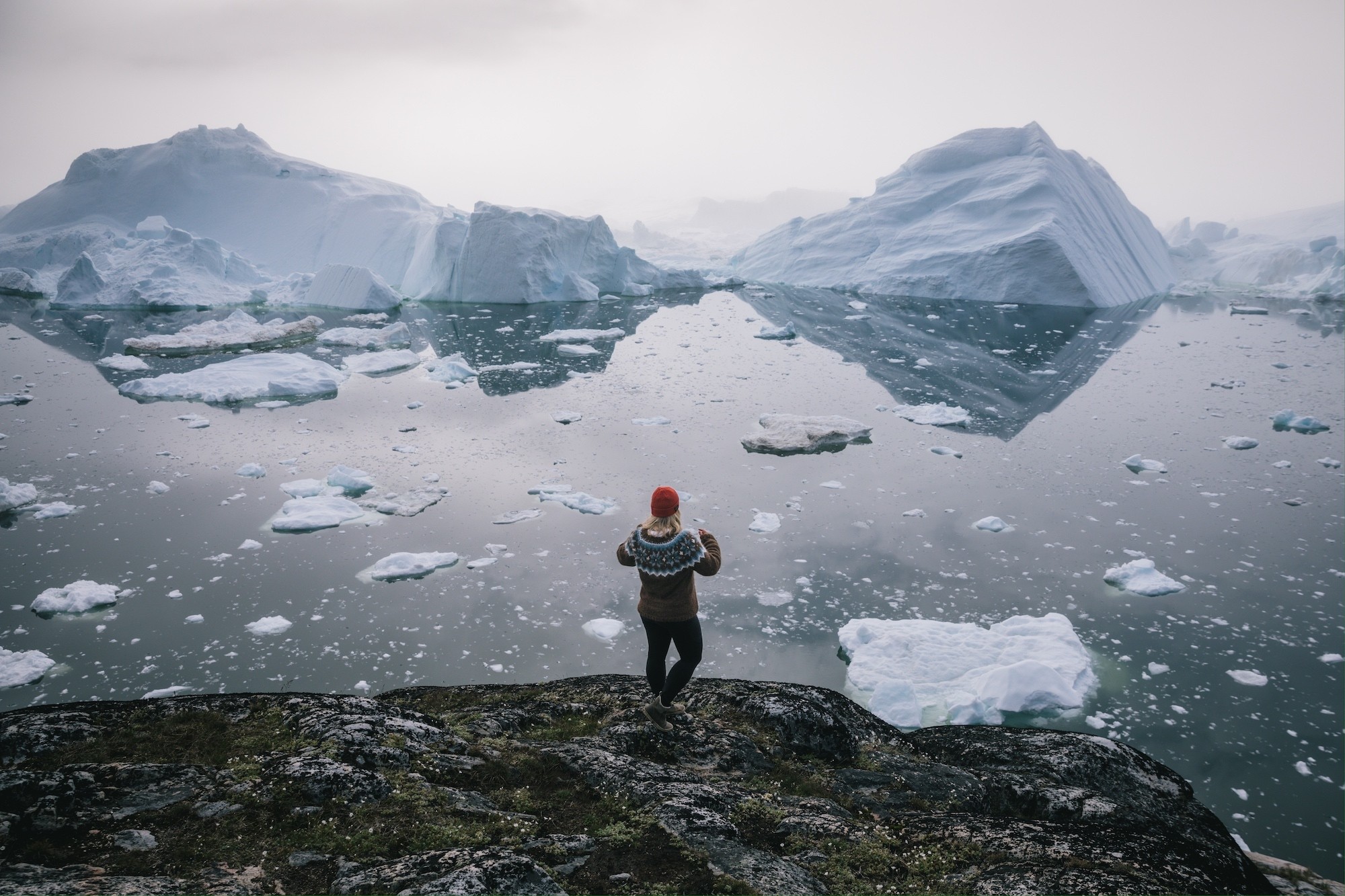
Visiting the polar regions remains one of the most logistically complex undertakings in the global tourism sector. Largely inaccessible for the majority of the calendar year, the Arctic is locked behind impenetrable expanses of multi-year sea ice. Opportunities for safe maritime transit are confined to a brief window during the peak summer months, typically spanning from June through September.
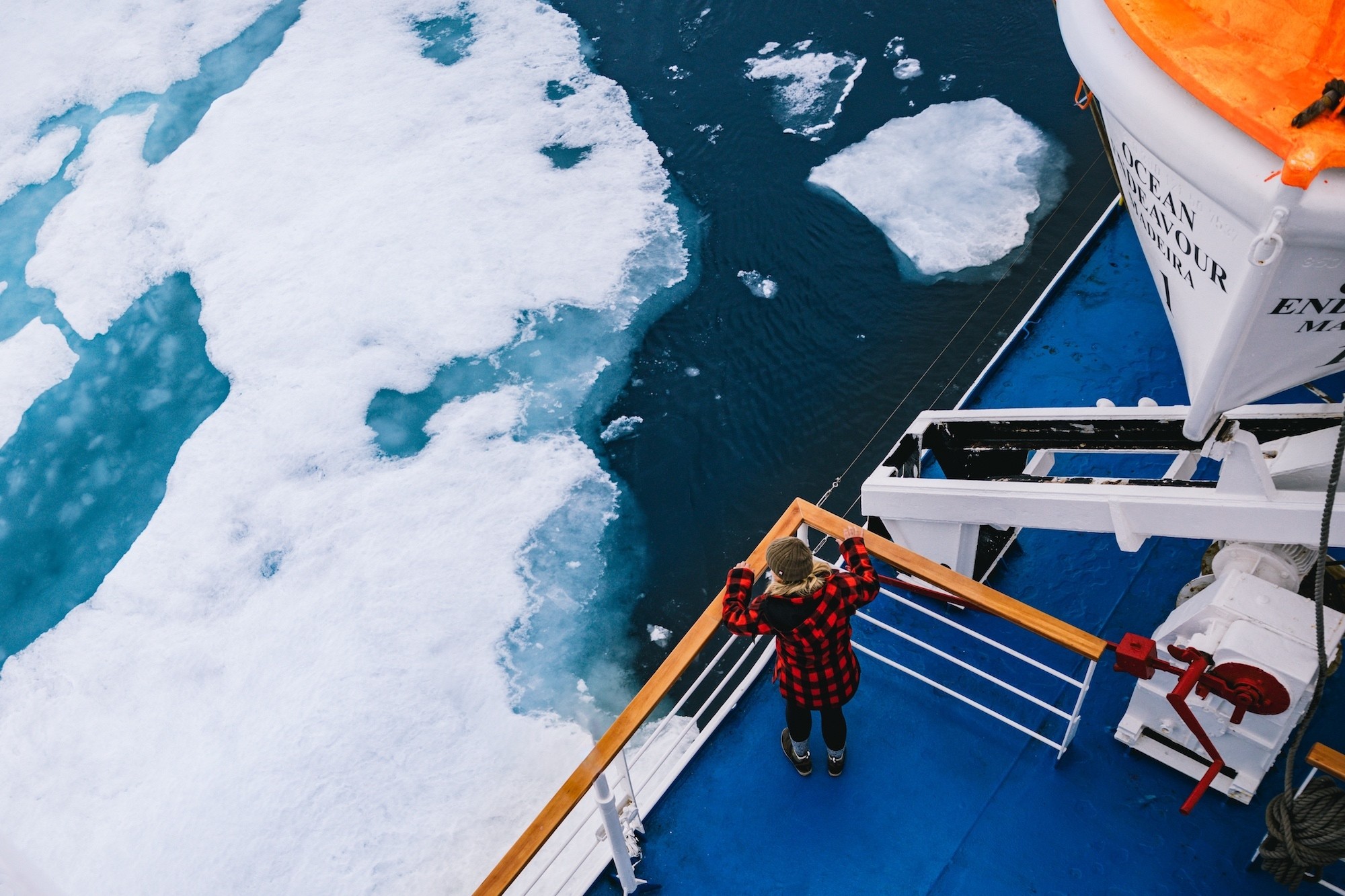
During this narrow seasonal window, specialized expedition vessels serve as the primary conduits for human exploration. Unlike conventional cruise liners, modern polar expedition ships are engineered with reinforced hulls capable of navigating marginal ice zones. These vessels act as floating base camps, deploying fleets of Zodiac boats, small aircraft, and helicopters to facilitate shore landings in regions devoid of traditional infrastructure.
According to data compiled by the International Association of Antarctica Tour Operators (IAATO) and parallel Arctic monitoring bodies, vessel-based polar tourism has experienced a steady upward trajectory over the past decade. Despite strict environmental regulations, international protocols such as the Polar Code, and the inherent financial barriers to entry, consumer appetite for high-latitude adventures has surged. Travelers are increasingly willing to invest heavily in immersive itineraries that offer encounters with marine mammals, indigenous communities, and rapidly changing glacial landscapes.
The Psychology of Burnout and the Shift Toward Specialized Guiding
For many content creators who established their careers during the initial boom of travel blogging in the early 2010s, the post-pandemic economic landscape prompted a rigorous re-evaluation of professional priorities. The relentless pressure to maintain algorithmic relevance, monetize personal lifestyle content, and compete in a saturated digital marketplace has driven many veterans of the industry to seek more tangible, community-oriented professional roles.
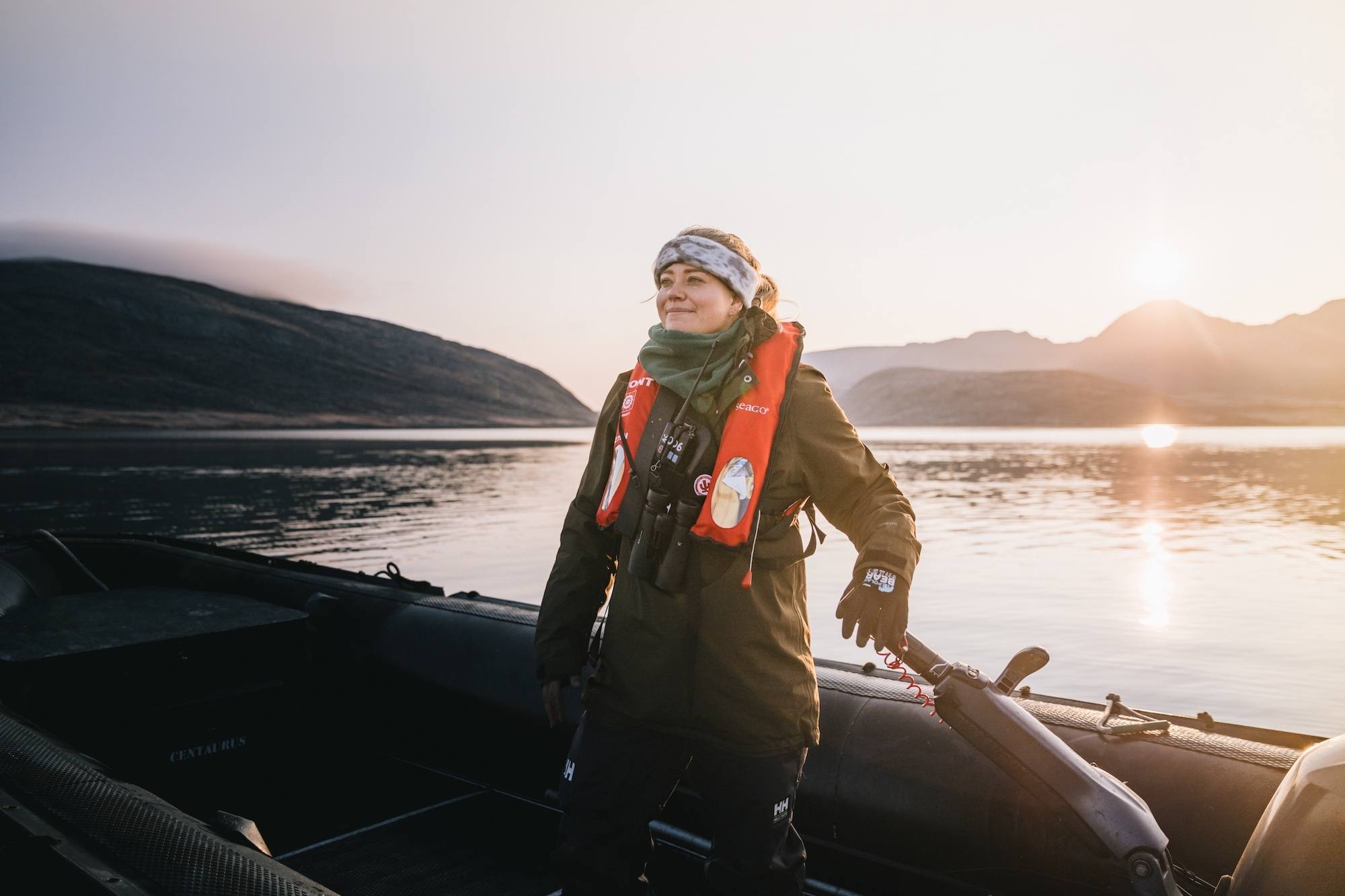
For seasoned adventure writers, moving from observers to active participants—such as joining expedition crews as resident specialists, photography instructors, or zodiac drivers—offers a renewed sense of purpose. Operating within structured, family-owned or legacy expedition companies like Adventure Canada provides a return to interpersonal engagement that digital platforms often fail to deliver. These heritage operators, frequently managed by multi-generational teams, rely heavily on high rates of staff and passenger retention. Industry metrics indicate that repeat passenger rates on specialized polar itineraries often exceed fifty percent, underscoring a culture of loyalty unique to expedition cruising.
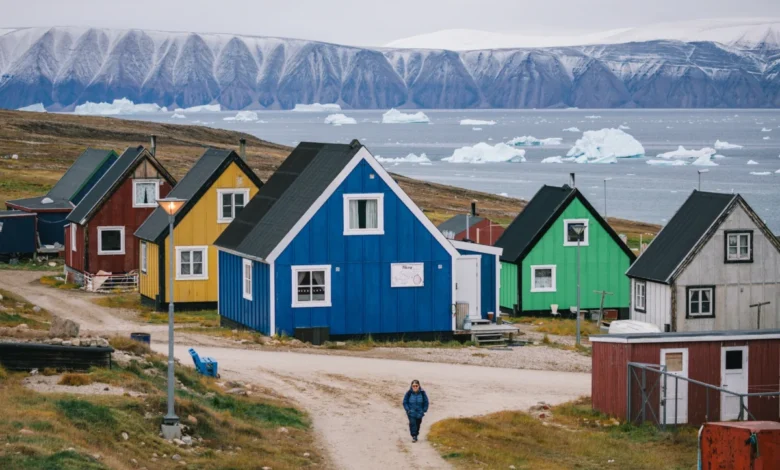
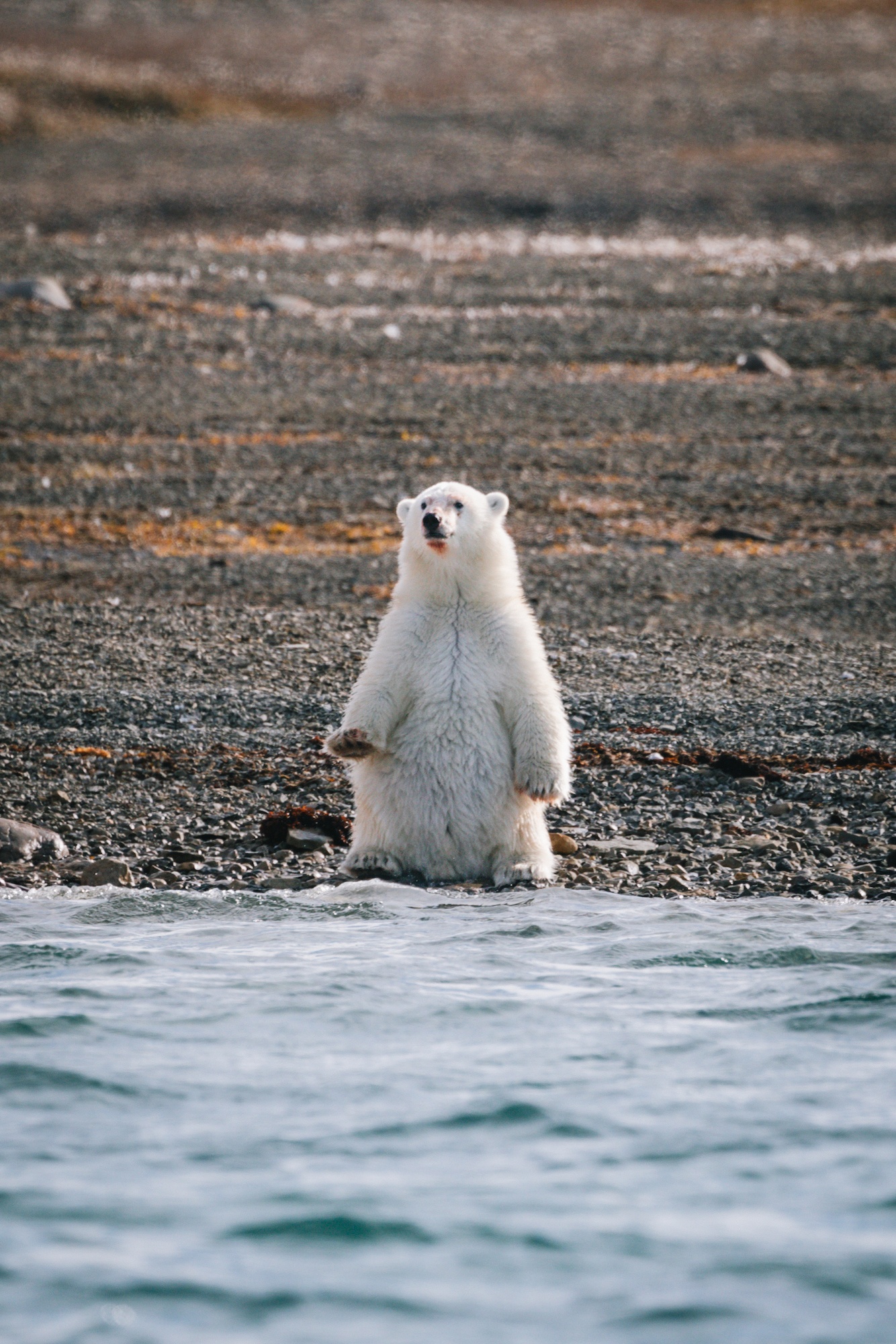
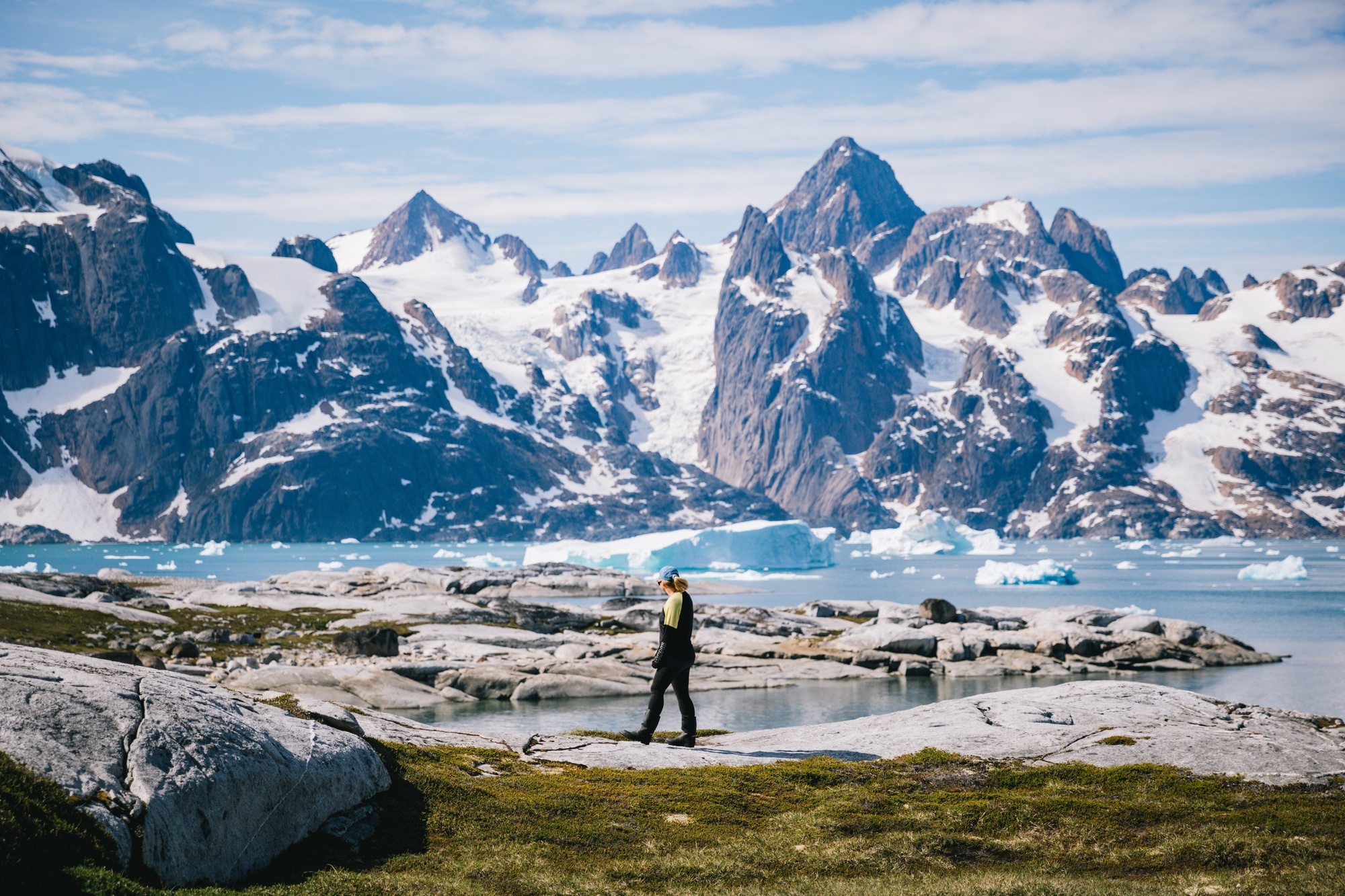
A typical three-month summer season in the high Arctic involves navigating Canadian Arctic waterways and the dramatic fjords of Greenland. Crew members balance rigorous physical labor with educational outreach, leading shore excursions, monitoring local wildlife populations—such as polar bears, bowhead whales, and narwhals—and interpreting the cultural heritage of Inuit communities for travelers.

Expanding Economic Models: The Rise of Niche Travel Consultation
In response to changing consumer preferences, travel professionals with specialized regional expertise are increasingly bypassing traditional intermediary agencies to act as independent referral partners and niche consultants. Rather than relying solely on programmatic advertising and sponsored social media content, these creators leverage their deep, firsthand knowledge of polar logistics to guide consumers toward vetted operators.
This consultative model operates on a commission-based referral system, aligning the financial interests of the creator with the satisfaction of the traveler. Industry analysts note that modern consumers are increasingly skeptical of broad, generalized travel marketing. Instead, they seek out trusted authorities who have logged extensive field hours in specific geographical niches. By transitioning into specialized booking agents for polar voyages, veterans of high-latitude travel can monetize their expertise authentically while stepping back from the superficial demands of generalist lifestyle influencing.
Environmental Implications and the Role of Polar Ambassadors
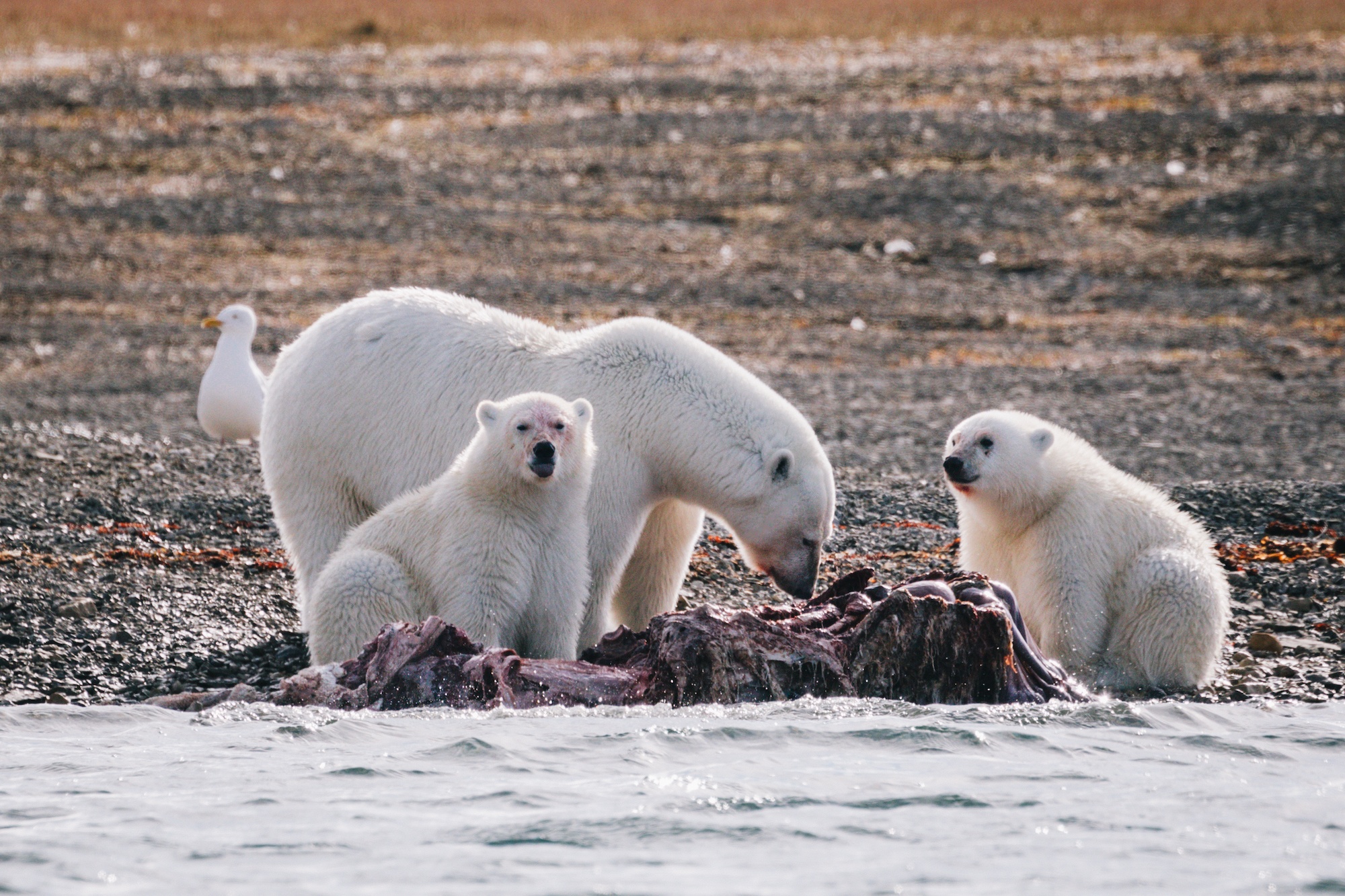
The growth of Arctic and Antarctic tourism brings complex environmental responsibilities to the forefront. As global temperatures rise at rates significantly higher than the planetary average, the polar regions serve as the primary indicators of global climate change. Sea ice reduction and glacial retreat are transforming Arctic ecosystems in real-time, making sustainable tourism management a critical priority for governing bodies and expedition operators alike.
Conservationists and expedition leaders argue that responsible tourism in the high north plays a vital role in global environmental advocacy. Proponents of polar travel maintain that individuals who experience the fragile majesty of the Arctic firsthand almost invariably return as lifelong ambassadors for its protection. Witnessing the scale of receding glaciers, interacting with northern indigenous cultures, and observing apex predators in their natural habitats fosters a profound psychological connection that remote conservation campaigns struggle to replicate.
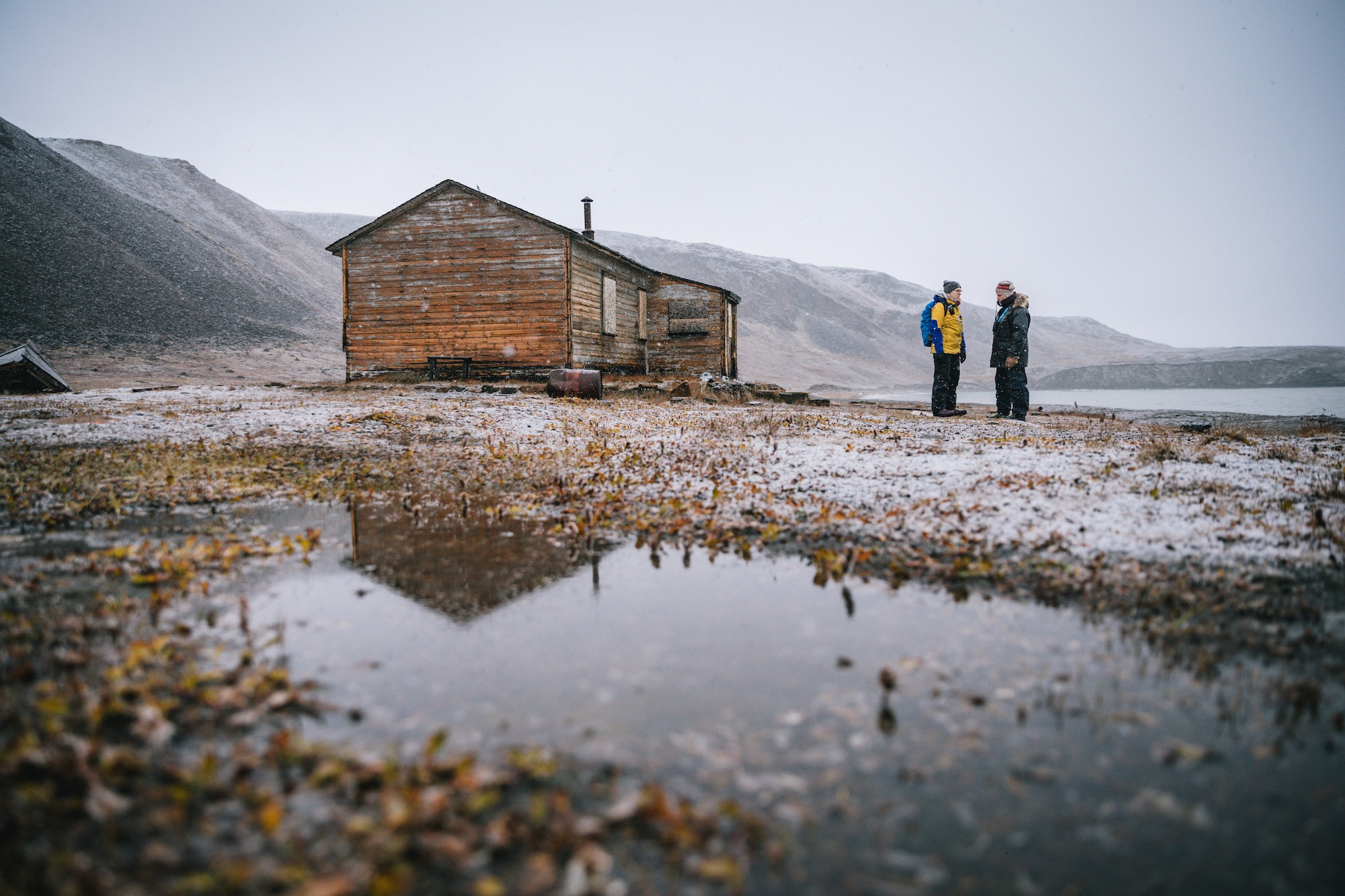
However, this dynamic requires a delicate balance. Governing bodies, indigenous councils, and industry associations enforce stringent guidelines to minimize the ecological footprint of expedition vessels. These measures include mandatory waste management protocols, restrictions on heavy fuel oils, designated wildlife viewing distances, and collaborative agreements with local communities to ensure that tourism directly benefits local economies without disrupting traditional ways of life.
Outlook for the High-Latitude Travel Sector
As the tourism sector continues to normalize following years of pandemic-related disruption, the demand for extreme and remote travel experiences shows no sign of abating. Consumers are prioritizing transformative, bucket-list journeys over conventional resort vacations. This shift is expected to sustain the growth of polar expedition companies and create ongoing opportunities for specialized travel professionals.
For industry veterans who have successfully bridged the gap between digital storytelling and operational logistics, the future lies in deep specialization. By anchoring their professional output in rigorous regional knowledge, environmental stewardship, and hands-on participation, these guides and consultants are helping to redefine what it means to work in the modern travel industry—proving that authentic, field-based expertise remains the most valuable currency in global exploration.