Unexplored Horizons: The Top Five Off-The-Beaten-Path Global Destinations to Visit in 2027

As traditional global tourism hotspots face mounting challenges regarding overtourism, environmental degradation, and infrastructure strain, international travel patterns are undergoing a profound shift. Travel analysts, environmental agencies, and cultural preservation groups have noted a significant surge in demand for secondary and tertiary destinations—places that offer genuine cultural immersion and pristine natural environments without the congested foot traffic of classic tourist capitals. Looking toward the horizon of 2027, the focus of the global travel sector is pivoting firmly toward emerging regions across Europe, the Caucasus, and Southeast Asia.
To assist travelers seeking authentic, low-density cultural and ecological experiences, regional travel experts and tourism boards have compiled an analytical evaluation of five emerging destinations projected to redefine international leisure travel in 2027. This guide examines the geographical, historical, and infrastructural profiles of Jajce, Subotica, Gökçeada, Mestia, and Sumba, providing a comprehensive framework for policymakers, tour operators, and independent travelers alike.
Macro-Trends Driving Off-the-Beaten-Path Travel in 2027
The contemporary travel landscape is heavily influenced by the aftermath of post-pandemic tourism rebounds, which frequently overwhelmed major urban centers and island paradises. Destinations such as Venice, Amsterdam, Bali, and Dubrovnik have implemented strict tourist caps, higher entry taxes, and regulatory restrictions on short-term rentals to protect local infrastructure and quality of life for residents. Consequently, conscious travelers and adventure tourists are actively redirecting their itineraries toward lesser-known administrative regions and territories.
This structural evolution benefits local economies in developing or transitional regions by distributing tourism revenue more equitably. Furthermore, lesser-known destinations frequently boast higher levels of environmental preservation, safeguarding delicate ecosystems, endemic flora and fauna, and tangible cultural heritage from the homogenization common in mass tourism zones.
1. Jajce, Bosnia and Herzegovina: A Convergence of Medieval History and Hydrology
Nestled in the mountainous heart of central Bosnia and Herzegovina, the historic town of Jajce stands as a premier example of underappreciated European heritage. Historically significant as the final seat of the Bosnian Kingdom during the 15th century, Jajce possesses a dense concentration of medieval fortifications, Ottoman-era residential architecture, and Austro-Hungarian civic infrastructure.
Geographical and Architectural Highlights
The defining geographical feature of Jajce is the Pliva Waterfall, a dramatic 22-meter cascade where the Pliva River empties directly into the Vrbas River. Located in the immediate vicinity of the urban center, this natural phenomenon is complemented by a historic complex of wooden watermills known locally as Mlinčići. Constructed centuries ago along the river streams to facilitate local grain milling, these rustic timber structures present a harmonious integration of early industrial heritage and protected riverine ecosystems.
The upper walled city features medieval defensive walls, a citadel, and subterranean catacombs carved directly into the bedrock, which served as a noble burial site and wartime shelter. Because Jajce successfully integrates these ancient layers with a functioning, modern community space, urban planners view it as a sustainable model for heritage tourism.
Economic and Touristic Implications
For 2027, Jajce represents an ideal destination for heritage tourists seeking respite from congested European capitals. Regional development agencies have gradually improved signage, boutique accommodations, and visitor pathways, aiming to increase multi-day stays rather than brief, single-day excursions. This incremental approach allows local small-business owners, hoteliers, and culinary operators to capture sustainable economic benefits.
2. Subotica, Serbia: Central European Art Nouveau on the Balkan Frontier
Situated in the extreme north of Serbia, mere kilometers from the border with Hungary, Subotica is the country’s northernmost major urban center. Historically part of the Habsburg Monarchy, the city developed as a thriving commercial and cultural hub during the late 19th and early 20th centuries, a period that coincided with the rapid expansion of the distinctive Art Nouveau architectural movement.

Architectural Identity and Civic Planning
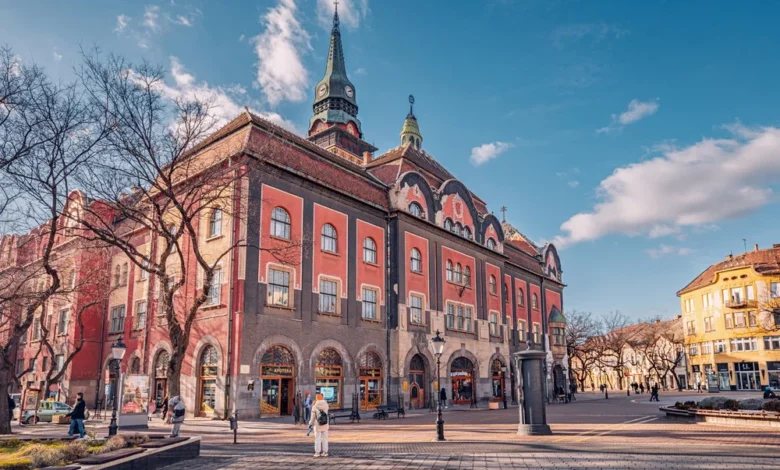
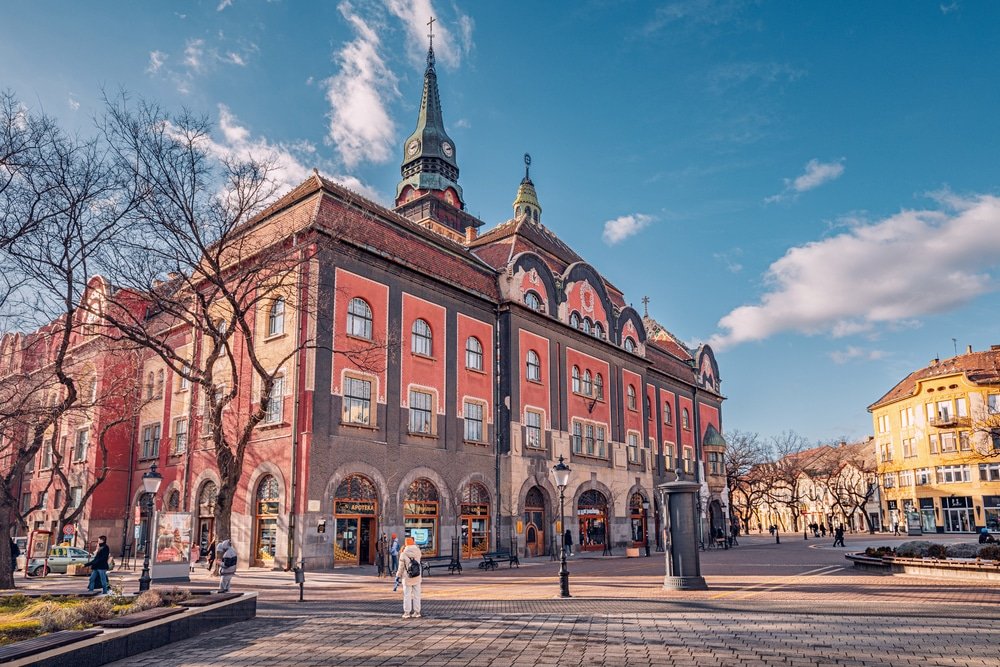
Subotica’s urban fabric is internationally recognized for its preservation of Hungarian Art Nouveau (Secessionist) architecture. The centerpiece of this architectural heritage is the Subotica City Hall (Gradska kuća), constructed between 1908 and 1912 by architects Komor and Jakab. Featuring towering ceramic-tiled roofs, intricate wrought-iron gates, and stained-glass windows depicting folkloric motifs, the building serves as a masterclass in Central European design.
Surrounding the central square, pedestrian-only boulevards are lined with pastel-colored facades, cafes, and theaters that reflect a cosmopolitan, multicultural heritage shaped by Serbian, Hungarian, Bunjevac, and Jewish communities.
The Palić Resort Complex and Regional Gastronomy
Located just eight kilometers from the city center lies Lake Palić, a historic spa and resort destination established in the 19th century. Surrounded by protected parklands, walking promenades, and active vineyards, Palić offers an extension of Subotica’s cultural itinerary into agritourism. The region is increasingly recognized for its cool-climate viticulture and distinct culinary tradition, which bridges Central European staples with Balkan flavors. Tourism officials anticipate that Subotica will attract a significant share of architecture and culinary enthusiasts looking for affordable, crowd-free alternatives to Budapest or Vienna in 2027.
3. Gökçeada, Türkiye: The Pristine Aegean Sanctuary
While Türkiye’s Mediterranean and Aegean coasts—such as Bodrum, Antalya, and Fethiye—frequently experience high-density tourism during peak summer months, the country’s offshore islands retain a much quieter profile. Gökçeada (historically known as Imbros) is the largest island in Türkiye, located at the entrance of the Gulf of Saros in the northern Aegean Sea.
Environmental Preservation and Sustainable Mobility
Gökçeada was designated as Türkiye’s first and only "Cittaslow" (slow city) island, a status that legally binds municipal authorities to preserve local ecological balance, traditional agriculture, architectural integrity, and cultural heritage. Large-scale commercial hotel chains are heavily restricted, preserving the island’s low-rise character and rural atmosphere.

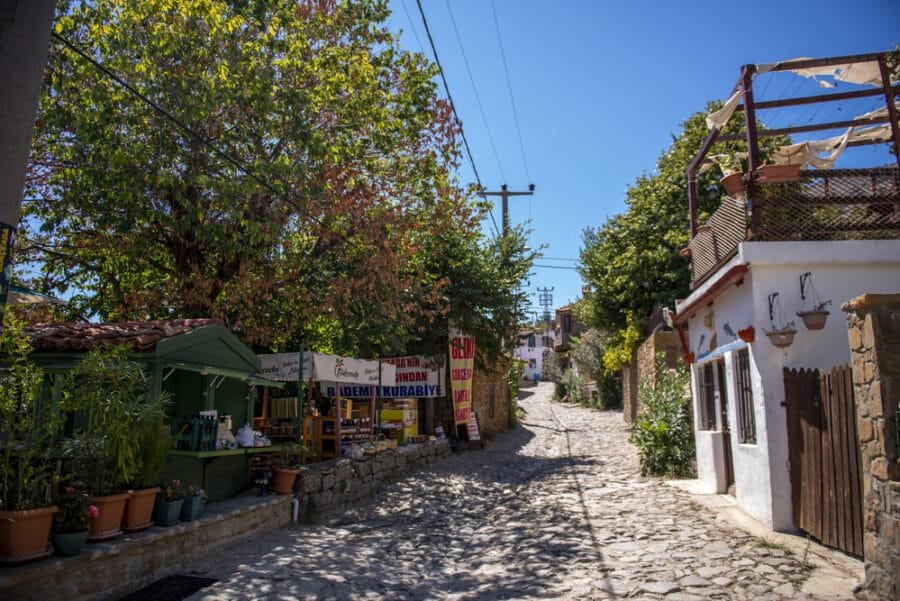
The island’s interior is characterized by historic Greek-heritage villages such as Zeytinliköy and Tepeköy, where stone houses, cobblestone alleyways, and century-old plane trees dominate the landscape. To maintain low carbon emissions and manage traffic, visitors frequently utilize localized scooter and bicycle rentals to navigate the winding rural roads.
Marine Ecology and Adventure Sports
Beyond its cultural architecture, Gökçeada has emerged as a premier destination for marine sports in the Eastern Mediterranean. Consistent thermal wind patterns make Kefaloz Beach one of the top windsurfing and kitesurfing locations in Europe and Western Asia. Furthermore, the surrounding marine waters host the Türkiye’s first underwater national park, protecting diverse marine flora, fauna, and rocky reefs from overfishing and unauthorized diving. Travel analysts project that Gökçeada will experience steady growth among eco-tourists and water sports enthusiasts through 2027.
4. Mestia, Georgia: The High-Altitude Stronghold of the Caucasus
High in the rugged Caucasus Mountains of northwestern Georgia, the town of Mestia serves as the administrative and cultural capital of the historic Svaneti region. Surrounded by permanent snowfields, jagged peaks exceeding 4,000 meters, and alpine meadows, Mestia functions as the primary gateway for international mountaineers, trekkers, and cultural researchers.
The Svan Towers: Architectural Marvels of Defense
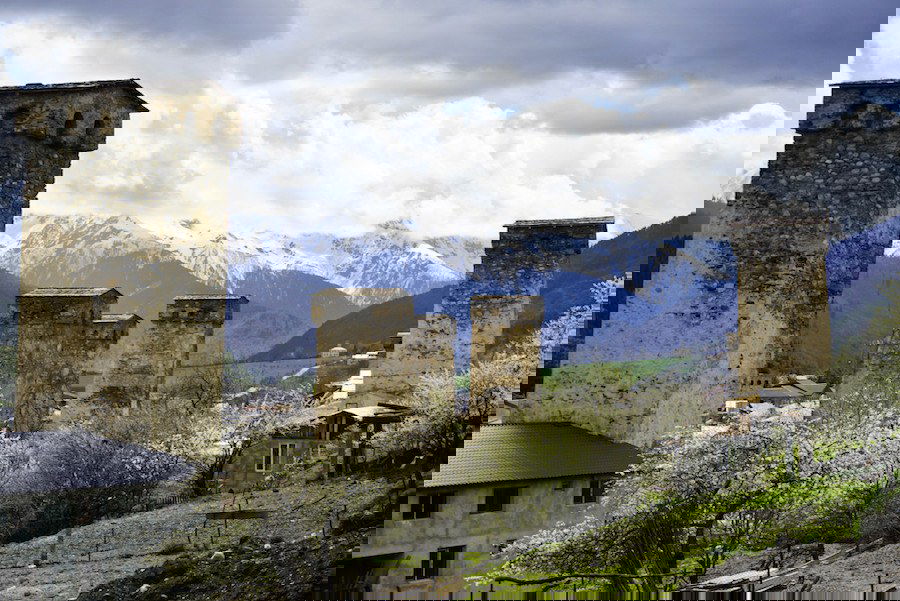
The defining cultural element of Svaneti is the ubiquitous presence of Svan towers (koshki). Constructed between the 9th and 12th centuries by the indigenous Svan people, these stone defensive structures rise up to 25 meters in height. Designed as multi-story fortresses, they served to protect local families from invading armies, regional feuds, and devastating winter avalanches. Today, these towers—along with the traditional stone dwellings attached to them—constitute a UNESCO World Heritage site of immense anthropological importance.
Infrastructure Development and Winter Sports
In recent years, the Georgian government and international development banks have invested heavily in regional infrastructure, including the modernization of Queen Tamar Airport in Mestia and the paving of the main trans-Svaneti highway. This has reduced travel times from Zugdidi and Tbilisi, making a historically isolated mountain enclave accessible to a broader demographic of travelers.
Despite these infrastructure upgrades, the surrounding valleys and remote settlements—such as Ushguli, one of the highest continuously inhabited settlements in Europe—retain their traditional agrarian lifestyle. In winter months, Mestia operates a growing ski resort at Hatsvali and Tetnuldi, positioning the region as a year-round destination for adventure travelers seeking alternatives to the overcrowded Alpine resorts of Western Europe by 2027.
5. Sumba, Indonesia: Indigenous Preservation East of Bali
Located in the East Nusa Tenggara province of Indonesia, the island of Sumba lies approximately 400 kilometers east of Bali. Despite sharing the Indonesian archipelago’s tropical climate and rich biodiversity, Sumba has successfully avoided the intense mass tourism, urbanization, and commercialization that have transformed Bali over the past four decades.
Indigenous Culture and Megalithic Traditions
Sumba’s most compelling characteristic is the persistence of Marapu, an indigenous animistic belief system that continues to shape daily life, architecture, and social organization. Traditional Sumbanese villages are structured around large central courtyards containing megalithic stone tombs, which serve as burial sites for tribal nobility. The villages are distinguished by towering, steep-roofed thatched houses (Uma Mbatangu), constructed without the use of modern metal nails.
The island is also renowned for its intricate hand-woven textiles (ikat), which require months of natural plant-dyeing and weaving processes to produce. These textiles serve as vital symbols of social status and wealth during traditional ceremonies, such as the annual Pasola ritual combat festival held in early spring.
Natural Landscapes and Low-Impact Tourism
Geographically, Sumba features a diverse topography comprising undulating savannahs, limestone cliffs, pristine mangrove forests, and turquoise lagoons such as Weekuri Lagoon. Coastal zones, particularly around Nihiwatu Beach, offer world-class surfing breaks that attract professional surfers, while inland river systems and waterfalls remain virtually untouched by heavy industrial infrastructure.
Tourism development in Sumba focuses primarily on low-density, high-value eco-resorts that partner directly with local communities to ensure that land rights, water resources, and cultural traditions are respected. For international travelers looking beyond the conventional Southeast Asian resort circuits, Sumba offers an immersive, culturally intact island journey heading into 2027.
Conclusion and Outlook
As international mobility expands, the travel sector faces an imperative to balance economic viability with ecological and cultural preservation. The projected rise of destinations such as Jajce, Subotica, Gökçeada, Mestia, and Sumba underscores a broader consumer demand for authenticity, historical depth, and environmental integrity. By encouraging sustainable visitor distribution across these under-represented regions, the global tourism industry can alleviate pressure on traditional hubs while supporting meaningful, community-led economic development through 2027 and beyond.