Beloit Wisconsin Emerges as a Prime Weekend Getaway Destination for Families Seeking Low-Stress Travel

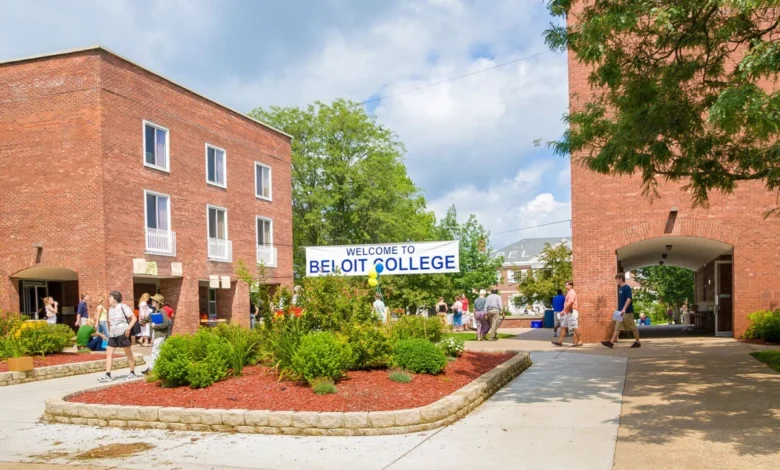
The shift in post-pandemic travel trends has seen a significant move away from high-traffic, high-cost metropolitan hubs toward secondary cities that offer concentrated, accessible amenities. Beloit, Wisconsin, located at the confluence of the Rock River and the Illinois-Wisconsin border, has recently positioned itself as a notable case study in this trend. With its strategic location along Interstate 90, the city has evolved from an industrial-leaning municipality into a hub for regional tourism, drawing visitors who prioritize walkability, affordability, and the avoidance of the "over-tourism" phenomenon commonly experienced in major Midwestern cities like Chicago or Madison.
Geographical Context and Strategic Positioning
Beloit’s appeal lies largely in its accessibility. Situated approximately 80 miles northwest of Chicago and 50 miles south of Madison, the city serves as a convenient intersection for regional travelers. According to regional tourism data, the city’s ability to offer a "curated" weekend experience—defined by a high density of attractions within a walkable downtown footprint—has become its primary value proposition. Unlike the sprawl of larger urban centers, Beloit’s central district allows for a weekend itinerary that minimizes transit time, a critical factor for families with limited time windows.
Scientific and Historical Landmarks: The Yerkes Observatory
While the city of Beloit provides the base of operations, the surrounding region offers significant historical and scientific value. The Yerkes Observatory in Williams Bay, located within driving distance of Beloit, remains one of the most important sites in the history of modern astrophysics. Founded in 1897 and operated by the University of Chicago until 2018, the facility represents a pivotal era in space exploration.
The observatory’s legacy is rooted in its 40-inch refracting telescope, the largest of its kind ever successfully used for astronomical research. It was here that researchers like Edwin Hubble and Carl Sagan conducted foundational studies on spiral galaxies. Today, under the stewardship of a non-profit organization, the observatory preserves over 180,000 glass plate images of the cosmos. The transition from an active research facility to a public-facing institution underscores a broader regional trend: the repurposing of historic scientific sites into educational tourism assets.
The Dynamics of Local Commerce and Community
The Beloit Farmers Market, operating seasonally from May through October, serves as the economic and social heartbeat of the downtown district. With more than 85 weekly vendors, the market functions as an informal hub for local agriculture and artisanal production. Economic analysis of similar farmers’ markets suggests that such gatherings provide a multiplier effect on surrounding retail spaces. By funneling foot traffic into the downtown core, the market creates a spillover effect that benefits independent retailers such as The Rogue Bookshop and the Flying Pig Treat Shop.
The Rogue Bookshop, in particular, illustrates the emphasis on community-focused programming. By dedicating space to children’s literature and interactive reading nooks, the store aligns with the demographic needs of traveling families. This approach to retail—prioritizing "experience-based" shopping over mere inventory—is a common survival strategy for independent bookstores in the age of e-commerce.
Cultural and Recreational Infrastructure
Sports and leisure remain a pillar of Beloit’s tourism strategy. The construction of the ABC Supply Stadium, which hosts the Beloit Sky Carps—the High-A affiliate of the Miami Marlins—represents a significant public-private investment in urban revitalization. The stadium, with a capacity of 3,850, is designed to be a centerpiece of downtown activity. By integrating a professional sports venue into the city’s pedestrian-friendly core, the local government has effectively created a "destination anchor" that extends the duration of visitor stays, particularly on weekends when game-day promotions and fireworks displays are scheduled.
Simultaneously, the integration of academic and cultural resources, such as the Logan Museum of Anthropology and the Wright Museum of Art at Beloit College, provides a layer of intellectual tourism. These institutions, often free or low-cost, serve as public repositories for archaeological and artistic heritage, bridging the gap between the collegiate population and the casual visitor.
Culinary Landscape and Economic Impact
The culinary scene in Beloit reflects a synthesis of traditional Wisconsin "supper club" culture and modern, cosmopolitan dining. Establishments like Velvet Buffalo Modern Italian and truk’t (specializing in street tacos and spirits) cater to a demographic that values ingredient transparency and diverse flavor profiles.
Conversely, the success of The Rock Bar and Grill and the eclectic 5Bar demonstrates the endurance of the local neighborhood pub model. The Rock Bar’s integration of riverfront access—including boat docking facilities—leverages the city’s natural geography to enhance the dining experience. Meanwhile, 5Bar provides a unique study in "community-centric" nightlife. By maintaining an intentionally eclectic atmosphere that appeals to varied demographics—from students to retirees—the establishment reinforces the city’s reputation for being accessible and unpretentious.
Lodging Trends and Infrastructure
The accommodation landscape in Beloit is currently transitioning from a reliance on standard highway-adjacent franchises to the development of boutique, high-end properties. The Hotel Goodwin and the Ironworks Hotel Beloit represent this shift toward "destination lodging." These properties are designed to function as attractions in their own right, featuring rooftop amenities and proximity to high-end dining. This move is significant, as it signals a shift in the local economic strategy from attracting transient, budget-conscious travelers to courting higher-spending, leisure-focused visitors who prioritize aesthetic and service-oriented experiences.
Broader Implications and Future Outlook
Beloit’s current development trajectory offers a blueprint for other small-to-mid-sized American cities. By focusing on the "micro-destination" model—where the goal is not to offer the largest or most famous attractions, but rather a cohesive, high-quality, and low-stress environment—the city has carved out a sustainable niche in the regional tourism market.
However, the city faces the ongoing challenge of maintaining this balance as it grows. Rapid development can lead to the displacement of the very local character that attracts visitors in the first place. For now, the city’s focus remains on leveraging its natural assets, such as the Rock River, and its existing cultural infrastructure to foster an environment that is both welcoming to residents and appealing to weekend tourists.
Data from the regional tourism board indicates that the "staycation" and "short-haul" travel markets are expected to remain robust through the next several years. As inflation and fuel costs continue to influence travel patterns, destinations like Beloit, which offer a high return on investment in terms of entertainment value and minimal travel complexity, are likely to see sustained interest.
In summary, Beloit has effectively leveraged its position as an overlooked destination to build a robust tourism framework. By integrating historic preservation, professional sports, agricultural commerce, and an evolving culinary scene, the city provides a viable alternative to the congestion of major urban centers. For families seeking a predictable, engaging, and logistically simple getaway, Beloit currently stands as a model of the modern, secondary-city tourism experience.
Related posts: