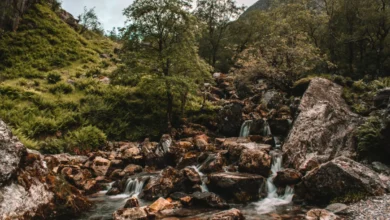
The Nelson-Tasman region of New Zealand’s South Island is widely recognized for its dramatic landscapes, ranging from rugged alpine terrain to subtropical coastlines. Among its most distinct and geographically isolated enclaves is Golden Bay, a C-shaped geological formation bounded by Kahurangi National Park to the west and stretching northeast to the windswept Farewell Spit. Following the completion of the four-day Heaphy Track, travelers frequently look to transition from rigorous backcountry trekking to regional exploration, utilizing local logistics providers such as Golden Bay Air to navigate the geographically complex terrain of the northern South Island.
Geographic Isolation and Logistics
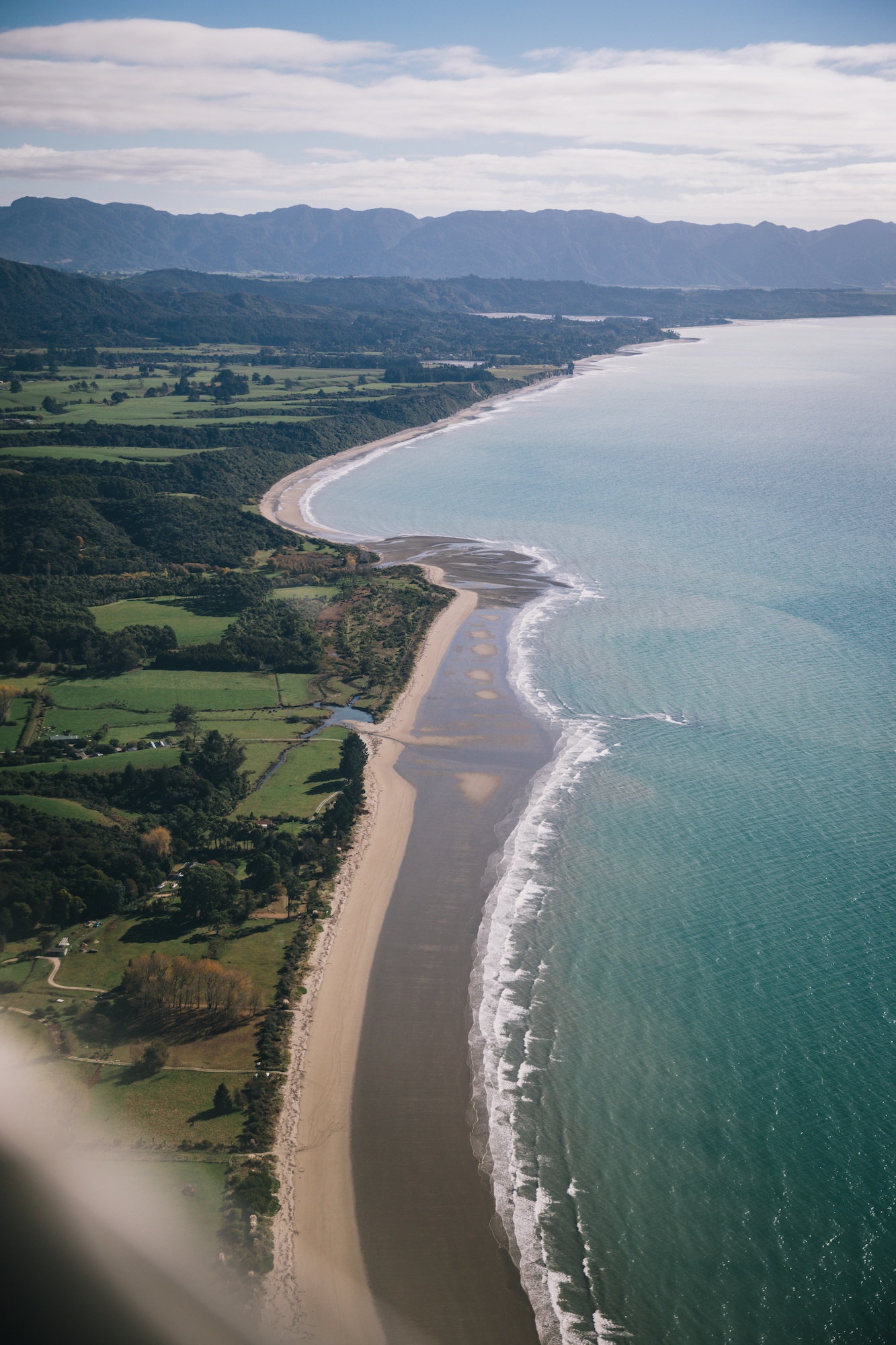
Golden Bay remains famously isolated from the rest of the South Island, a characteristic largely defined by Takaka Hill. Rising steeply between Motueka and Takaka, the winding alpine pass features hundreds of sharp turns and steep drop-offs, serving as the primary vehicular gateway to the region. Infrastructure challenges have historically punctuated travel along this route; notably, sections of the highway have required long-term stabilization following severe storm damage, leading to prolonged one-lane traffic management systems that highlight the infrastructural hurdles faced by remote New Zealand communities.
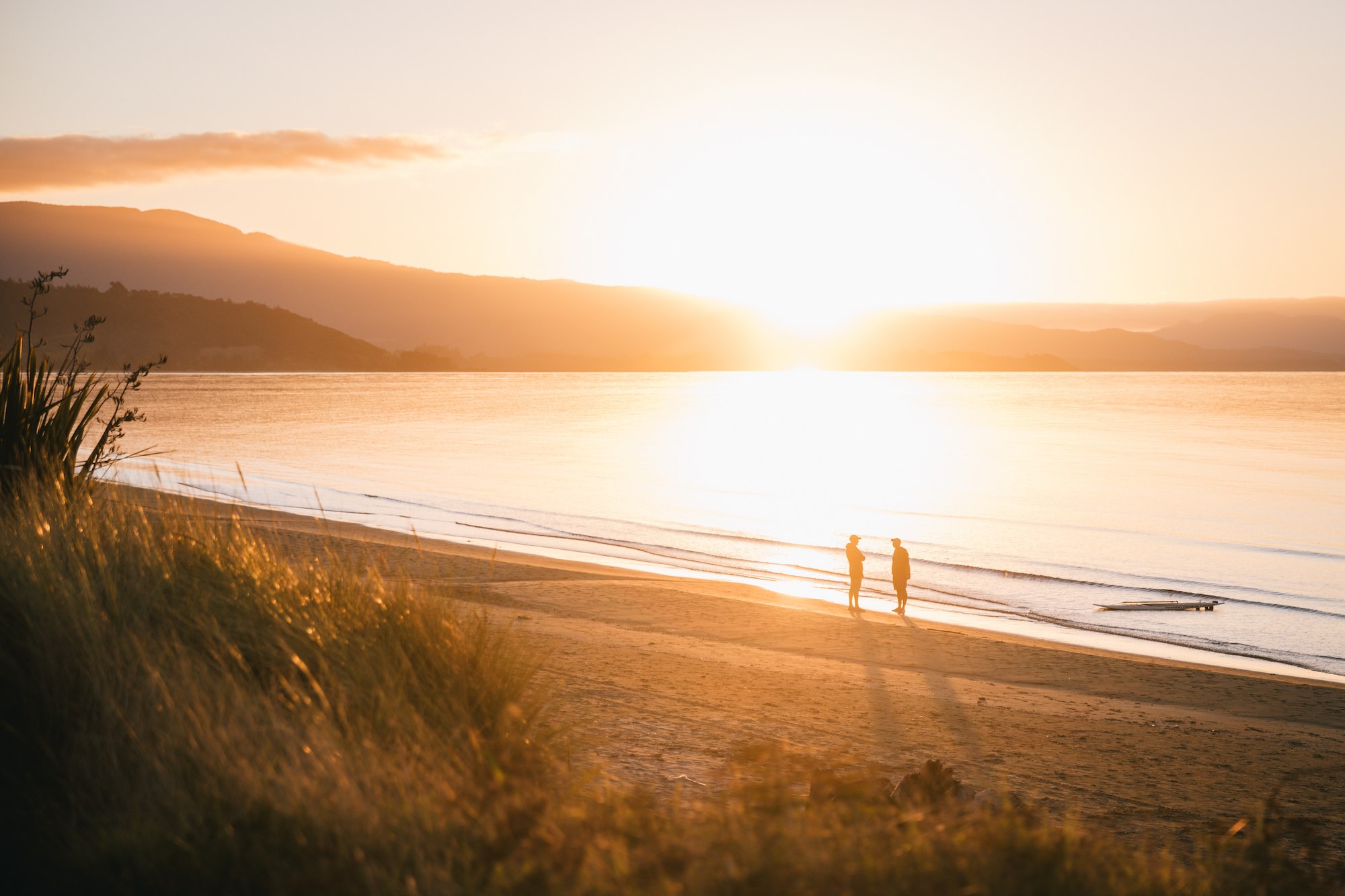
To bypass extended road transits, regional operators like Golden Bay Air facilitate multi-modal travel, connecting hikers finishing trails such as the Heaphy Track directly to local airstrips. These boutique aviation services reduce travel times significantly between the western coast and Golden Bay, circumventing journeys that would otherwise span hundreds of kilometers of fuel-intensive driving across mountainous terrain.
Ecological Significance and Conservation History
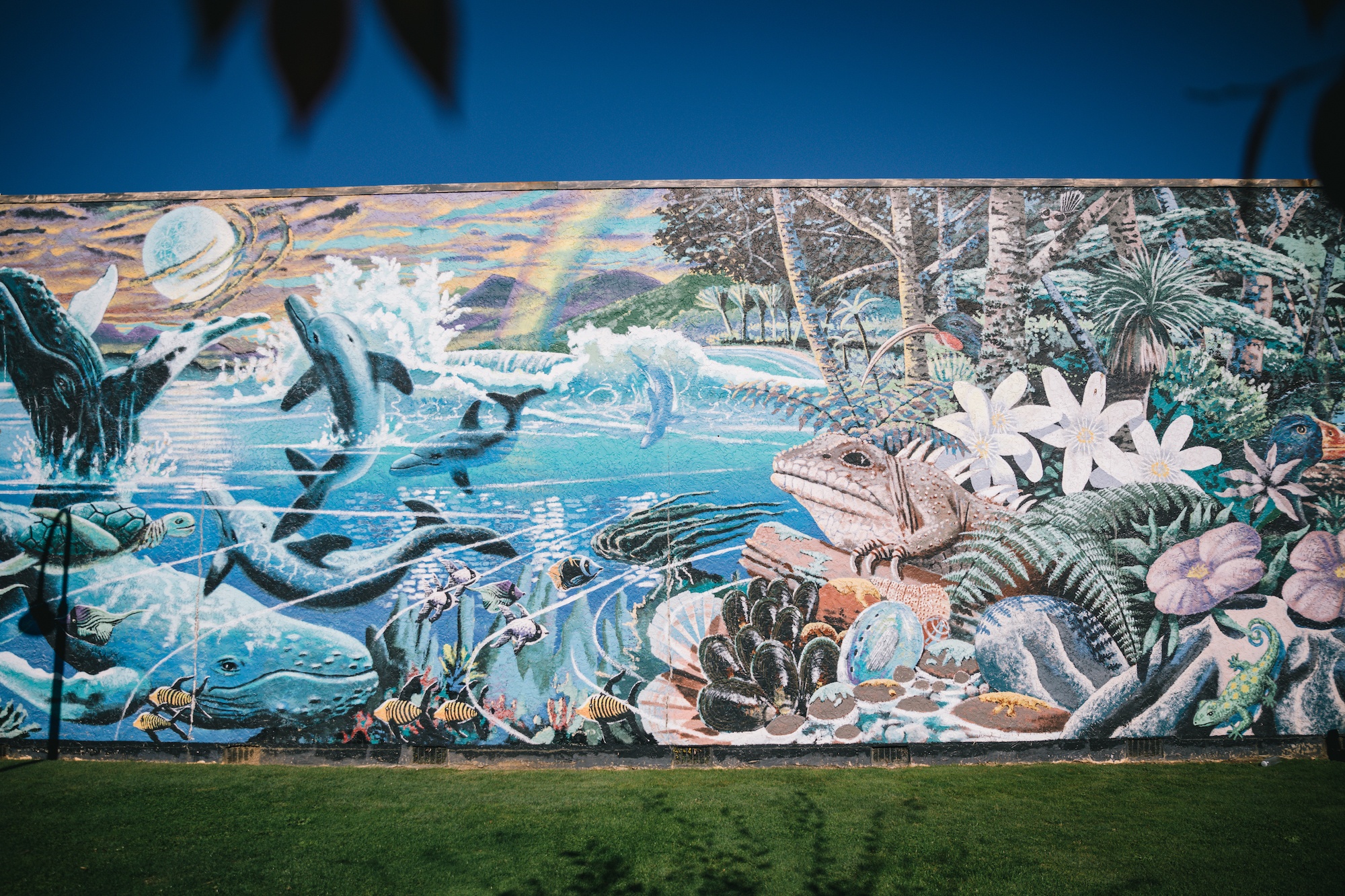
Beyond its agrarian lifestyle and vibrant arts community, Golden Bay carries profound ecological significance, particularly regarding marine mammal welfare. Farewell Spit, a 26-kilometer-long sandspit extending into the Tasman Sea, is globally documented as a recurring site for mass whale strandings, predominantly involving pilot whales. Historical incidents, such as a major stranding event involving over 400 whales, have drawn international scientific and conservation focus.

Marine scientists attribute these recurrent strandings to a combination of geographical and oceanographic factors, including the shallow, gently sloping intertidal sand flats of the spit, complex tidal flows, and deep-water drop-offs that may disorient pod navigation systems. Organizations such as Project Jonah coordinate volunteer rescue responses in the area, a mission supported by regional conservationists and travelers who advocate for enhanced marine mammal protection strategies across New Zealand’s coastal territories.

Subterranean Wonders and Natural Attractions
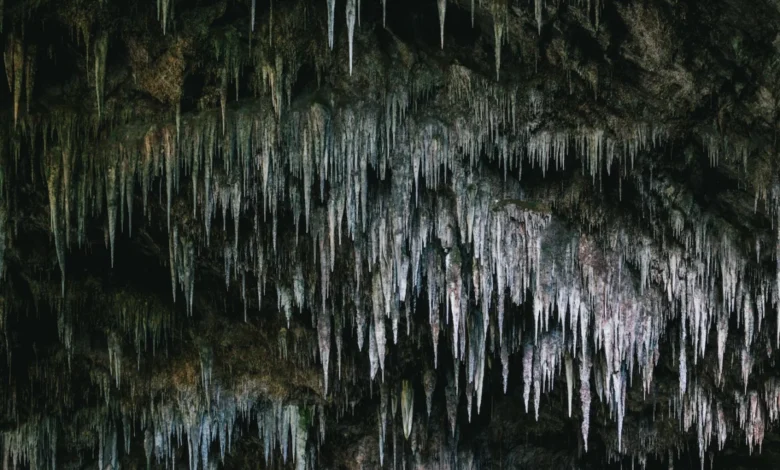
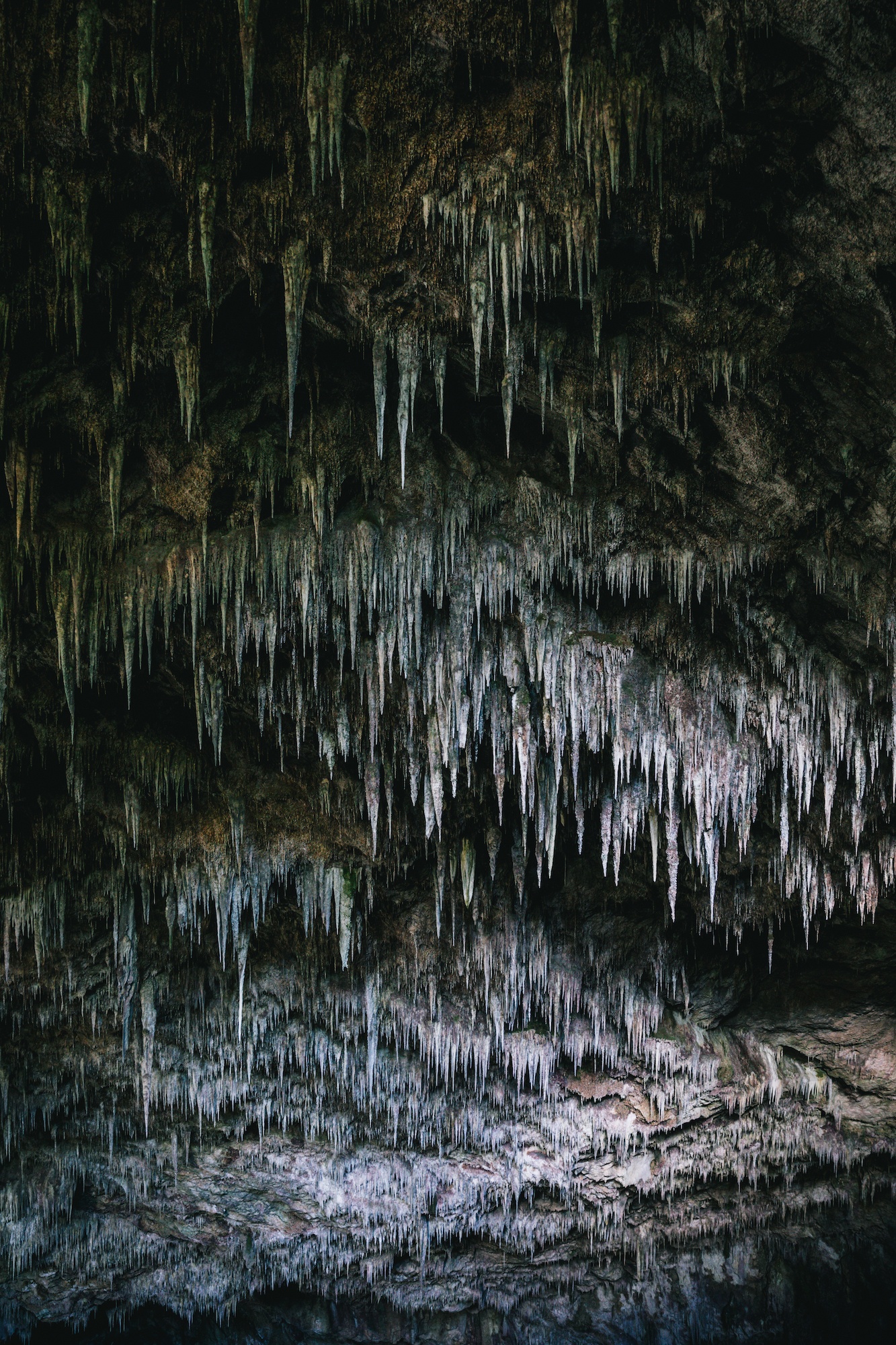
The broader Nelson-Tasman region functions as New Zealand’s premier cave country, anchored by the ancient karst landscapes of Kahurangi National Park. The area contains some of the country’s longest and deepest cave systems, attracting both technical cavers and tourists. Near Takaka, the Rawhiti Caves offer visitors access to a collapsed sinkhole formation featuring an expansive entrance framed by complex stalactites, accessible via established Department of Conservation (DOC) tracks.
Further inland, the Te Waikoropupū Springs—commonly known as Pupū Springs—represent the largest freshwater springs in New Zealand and the largest cold-water springs in the Southern Hemisphere. Renowned for exceptionally high water clarity, with underwater visibility reaching up to 81 meters, the springs hold deep spiritual and cultural significance as a taonga (treasure) to local Māori iwi. Under strict environmental protections managed by regional authorities and indigenous guardians, public access is restricted to perimeter walking tracks to preserve the pristine ecological integrity and purity of the water.
Coastal Ecosystems and Regional Economy
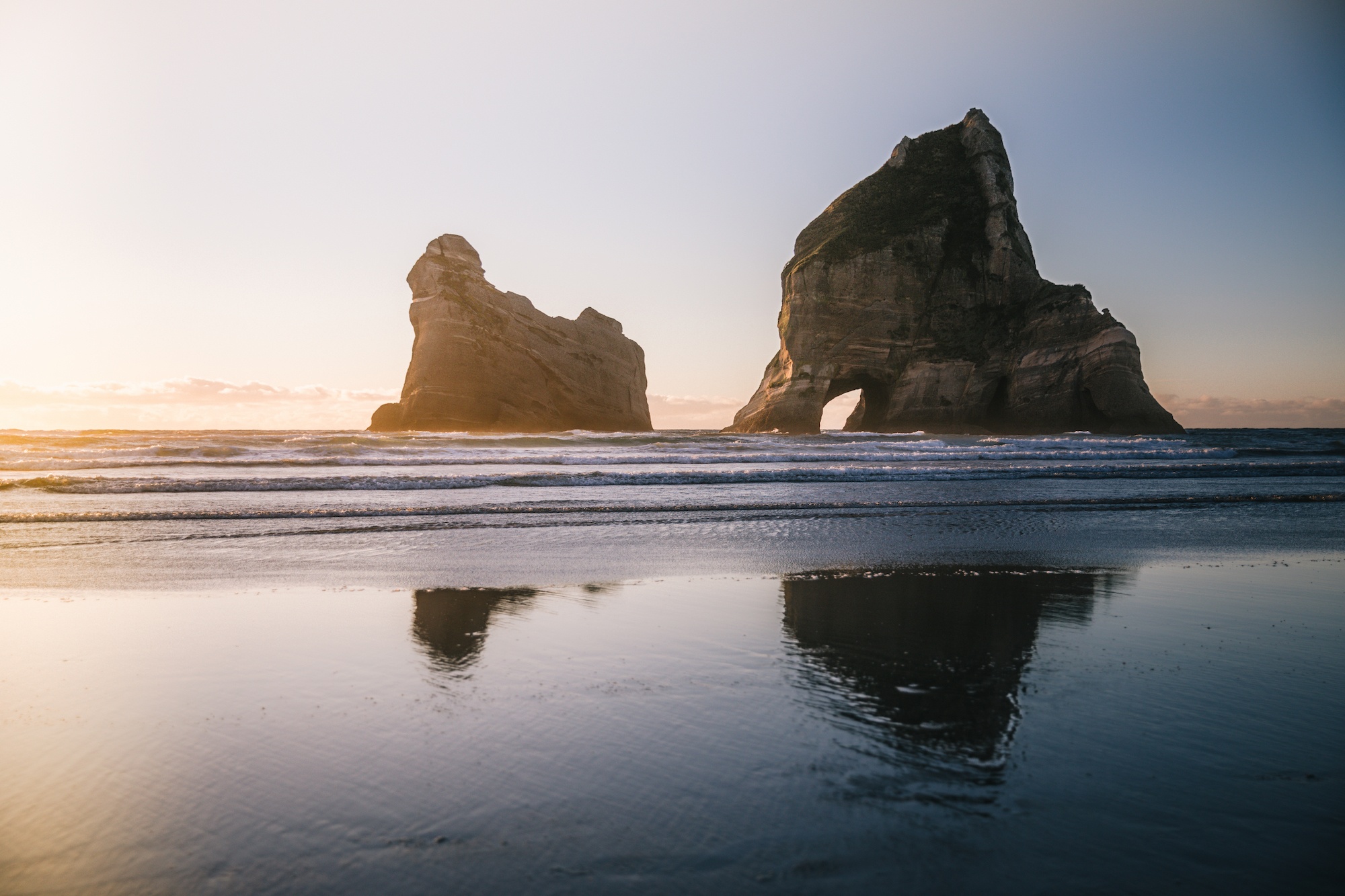
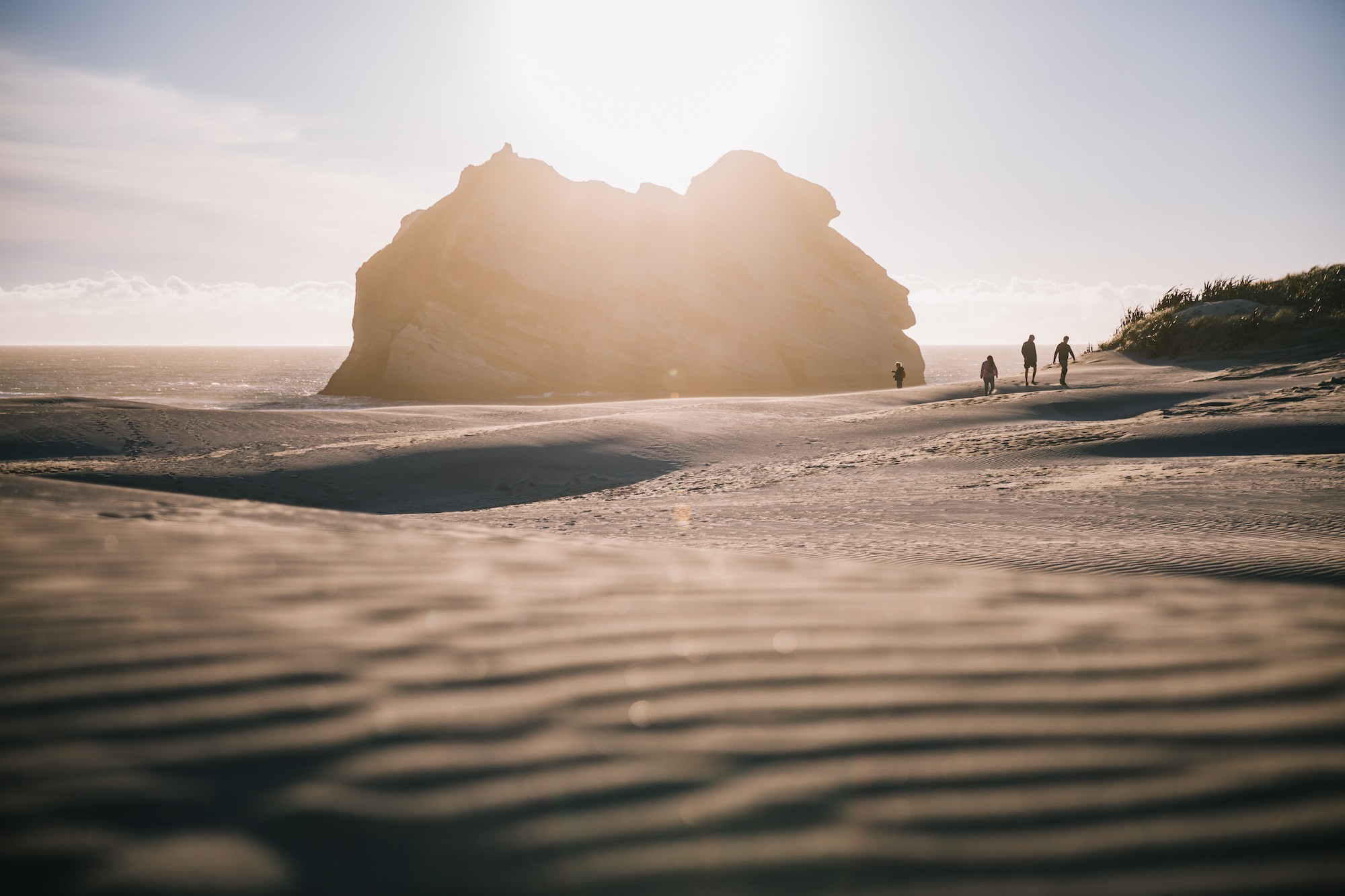
At the northern extremity of the bay, Wharariki Beach presents an exposed, dynamic coastal environment characterized by shifting sand dunes, arching rock formations, and resident fur seal colonies. The beach serves as an important breeding and resting habitat for New Zealand fur seals (Kekeno), whose pups frequently utilize intertidal rock pools.

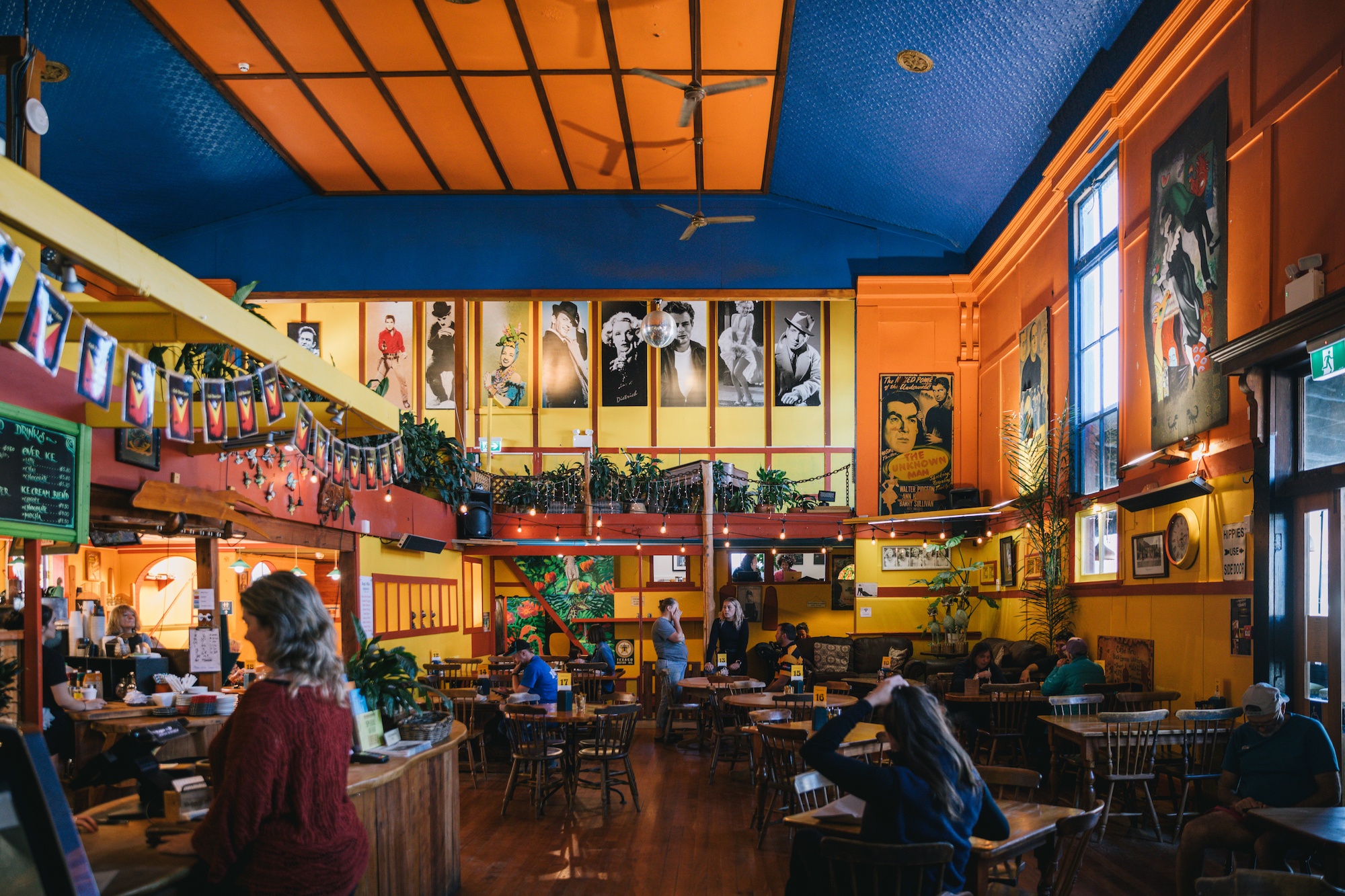
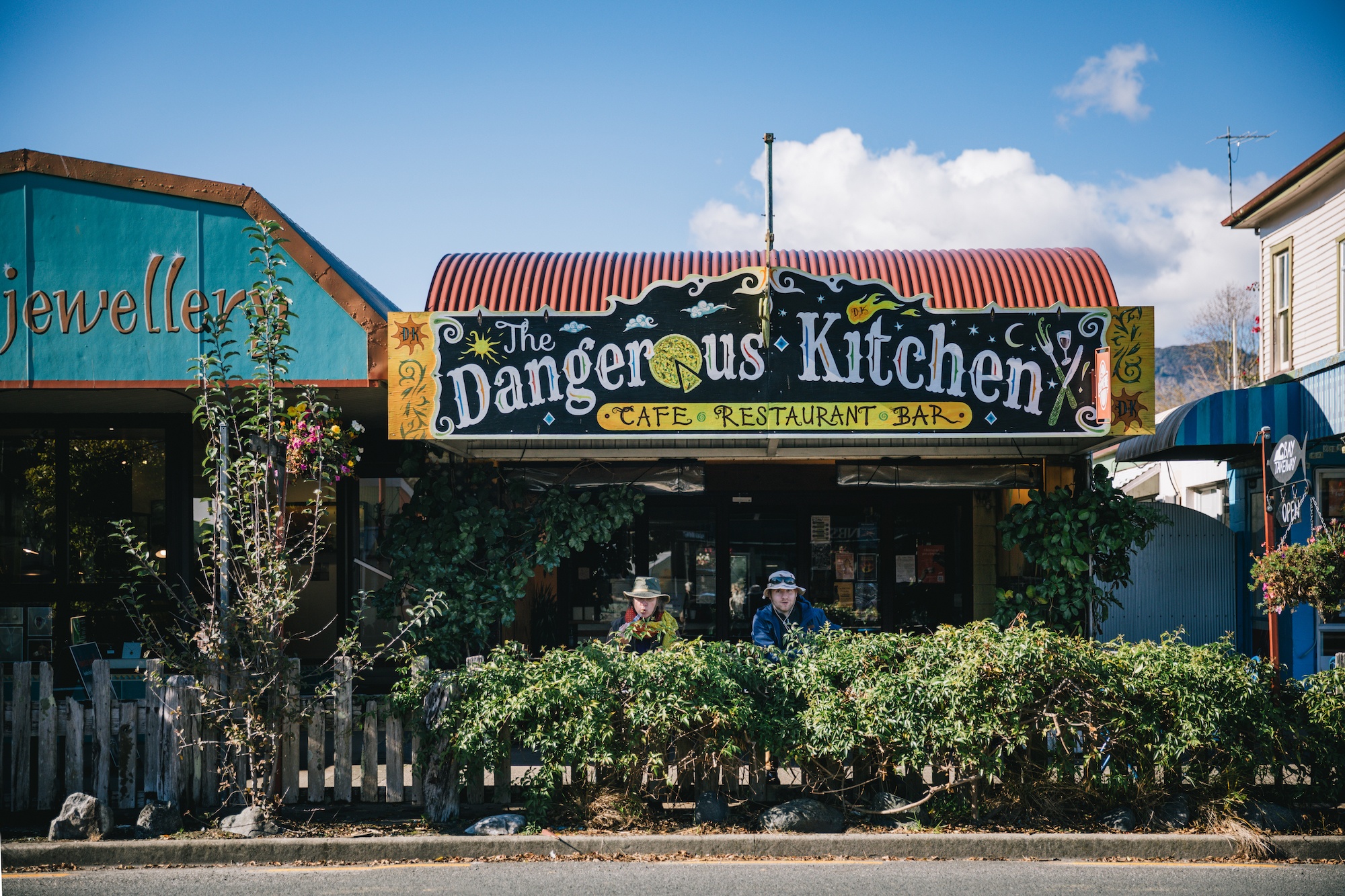
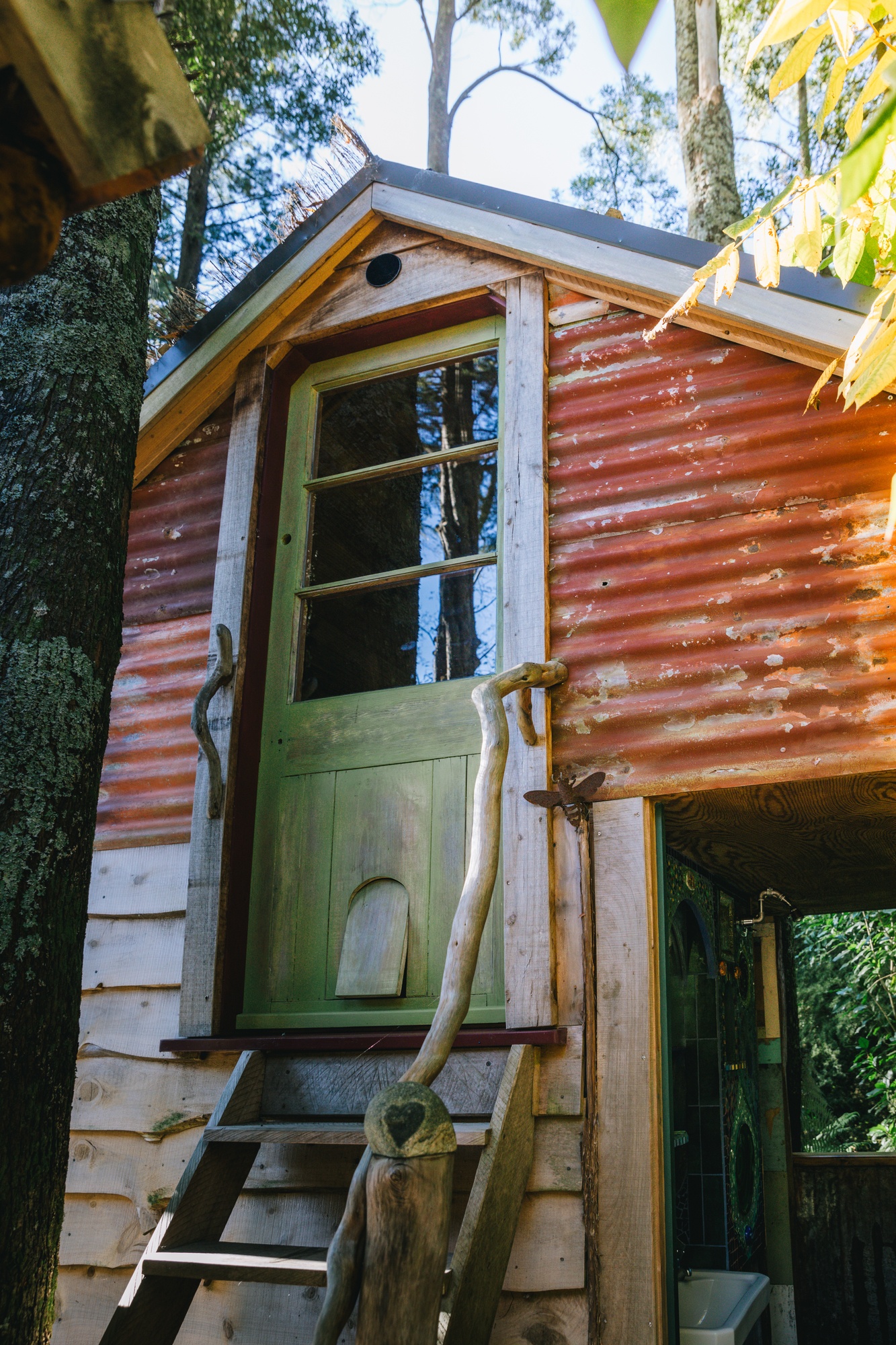
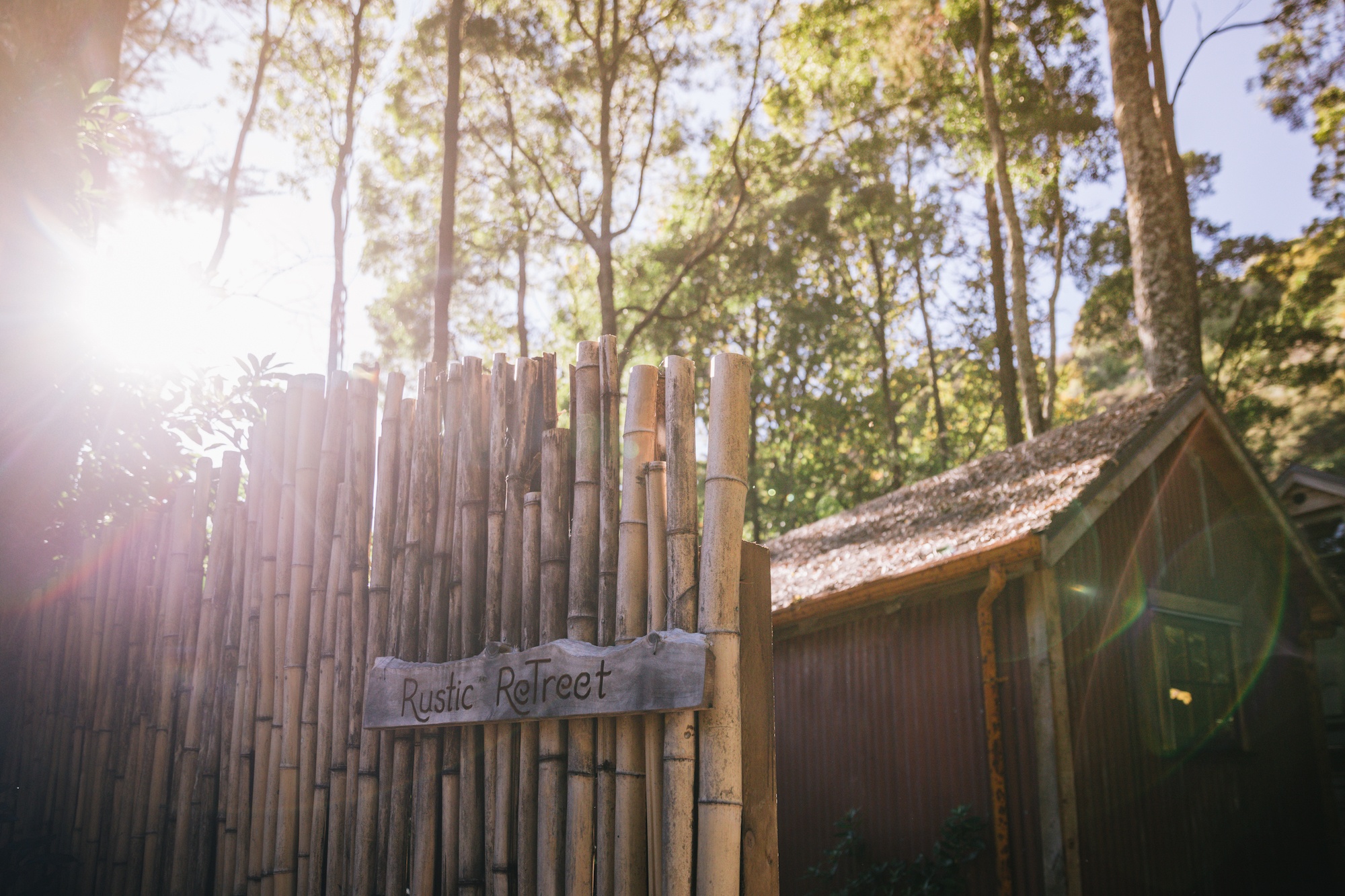
The regional economy of Golden Bay relies heavily on eco-tourism, independent horticulture, and artisanal industries. Operating largely independently of major commercial hubs, communities like Takaka maintain a distinct socio-economic identity centered around sustainable farming, local food production, and conservation tourism. Small-scale enterprise, exemplified by local agricultural honesty boxes, micro-breweries, and boutique accommodations such as the Rustic ReTreet glamping development, underpins the tourism sector’s emphasis on low-impact, immersive visitor experiences.

Implications for Regional Tourism and Infrastructure
The growing popularity of remote destinations like Golden Bay presents ongoing challenges for local infrastructure and environmental management. As domestic and international travelers increasingly seek out off-the-beaten-path locations to escape urban congestion, regional authorities must balance economic growth derived from tourism with the preservation of fragile ecosystems.

Infrastructure investments, particularly concerning road safety along Takaka Hill and the maintenance of conservation tracks within Kahurangi National Park, remain critical to ensuring sustainable access. Furthermore, continued collaboration between regional air carriers, Department of Conservation officials, and local iwi will dictate the future management of Golden Bay’s natural assets, ensuring that historical isolation is preserved alongside responsible environmental stewardship.