For the discerning traveler, the distinction between a standard vacation and a transformative cultural experience often rests on the ability to bypass conventional tourism channels. Curacao, the largest of the ABC islands in the southern Caribbean, offers a sophisticated landscape for those willing to look beyond the curated offerings of hotel concierges. By engaging with the island’s local economy—from the open-air markets of Willemstad to the rugged, sun-drenched coastlines of Banda Abou—visitors can access a more authentic iteration of Dutch-Caribbean life. This guide outlines the strategic approach to navigating Curacao’s hidden geography, local culinary institutions, and the logistical realities of exploring this unique territory.
The Geography of Authenticity: Banda Abou
While the immediate vicinity of Willemstad provides a gateway to Curacao, the true cultural heart of the island resides in Banda Abou. Geographically situated west of the Queen Juliana Bridge, this region serves as the island’s rural anchor. Historically, the area was defined by the development of colonial-era landhouses (landhuizen), many of which have since been repurposed as centers for arts, culture, and eco-tourism.
For travelers seeking respite from the high-density resorts found in the eastern districts, the beaches of Banda Abou offer a distinct alternative. Kokomo Beach, located approximately 15 minutes from the capital, has emerged as a focal point for both residents and visitors. Unlike the more commercialized stretches of sand, Kokomo maintains a balance between essential amenities—such as sunbed infrastructure and food service—and a more relaxed, community-oriented atmosphere. Marine biologists note that the water quality in this region is consistently high, supported by the island’s active coral reef conservation efforts. The area remains a preferred site for snorkeling due to the proximity of the reef shelf to the shoreline, allowing for significant biodiversity without the need for extensive deep-sea transit.
The Klein Curacao Excursion: A Study in Isolation
Located approximately 15 miles off the southeastern tip of the main island, Klein Curacao (Little Curacao) represents an uninhabited, five-square-kilometer limestone formation that serves as a critical environmental asset. The island, which lacks permanent infrastructure, is accessible only via maritime transport.
The history of Klein Curacao is marked by its former use as a quarantine station and a site for phosphate mining in the 19th century. Today, the island functions as a protected sanctuary. The logistics of visiting require careful planning, as the passage can be subject to significant oceanic currents. Operators provide a range of transport options, from high-speed powerboats to luxury catamarans, with most itineraries emphasizing a sustainable approach to visitation.
Data from local environmental agencies indicates that the island is a vital nesting ground for three primary species of sea turtles: the Green sea turtle, the Loggerhead, and the Hawksbill. The nesting season, which typically peaks between May and November, necessitates strict adherence to visitor guidelines. Those chartering vessels are encouraged to prioritize operators who maintain "Blue Flag" status or equivalent environmental certifications, ensuring that the increase in tourism does not degrade the island’s fragile ecosystem.
Gastronomic Traditions: The Evolution of Local Flavors
The culinary identity of Curacao is a synthesis of West Indian, Dutch, and Latin American influences, a reflection of the island’s complex colonial and post-colonial history. The practice of prioritizing lunch as the primary daily meal is a cultural norm that persists despite the influence of globalized dining patterns.
Central to this tradition is Plasa Bieu, located in the Punda district of Willemstad. The structure, which serves as a public market hall, represents a critical intersection of commerce and culture. Analysis of the local food scene suggests that establishments like Plasa Bieu are not merely dining venues but essential social hubs. The "Old Market," as it is known in Papiamento, operates on a model of communal seating and open-kitchen service.
From a socioeconomic perspective, these markets provide a low-barrier entry point for local entrepreneurs to sustain traditional cooking methods. Dishes such as stoba (a slow-cooked stew) and funchi (a cornmeal staple) are prepared using techniques that have been passed down through generations. Observers note that the continued viability of these markets is a litmus test for the island’s ability to preserve its heritage amidst the rapid growth of the cruise ship industry, which often draws visitors toward more standardized, internationalized dining options.
The Batido Economy and Modern Refreshment
The "batido" (smoothie) culture in Curacao is indicative of the island’s agricultural output and its integration into the daily routine of the working population. The ubiquity of blender-based beverage stands, particularly in high-traffic urban areas, highlights a preference for fresh, locally sourced ingredients.
Establishments like La Boheme, situated in the historic Punda district, have formalized this tradition. By incorporating tropical fruits such as papaya, soursop, and pineapple—many of which are cultivated on smaller local farms—these businesses support the local agricultural supply chain. Furthermore, the emergence of mobile vendors, such as the "100% Batidos" truck, reflects a modern shift toward on-the-go consumption, providing a service that caters to both local workers and tourists.
Economic Implications and Sustainable Tourism
As Curacao continues to position itself as a premier Caribbean destination, the tension between mass tourism and sustainable, local-led growth becomes increasingly relevant. Government data indicates that tourism accounts for a significant percentage of the island’s GDP. However, economists argue that the long-term sustainability of this growth depends on the "multiplier effect"—ensuring that tourist spending is captured by local small businesses rather than leaked to international chains.
The shift toward "insider travel," or the practice of visiting locally owned establishments, is a strategic consumer behavior that supports this economic resilience. By choosing to patronize the vendors at Plasa Bieu or chartering small-scale local boat operators for the Klein Curacao transit, travelers contribute directly to the island’s socio-economic stability.
Furthermore, the environmental impact of such travel cannot be overstated. The preservation of Curacao’s coastline is a matter of both national pride and economic necessity. As climate change continues to pose risks to Caribbean ecosystems, the island’s commitment to marine protection and sustainable development will be the primary determinant of its future appeal.
Conclusion: A Responsible Approach to Exploration
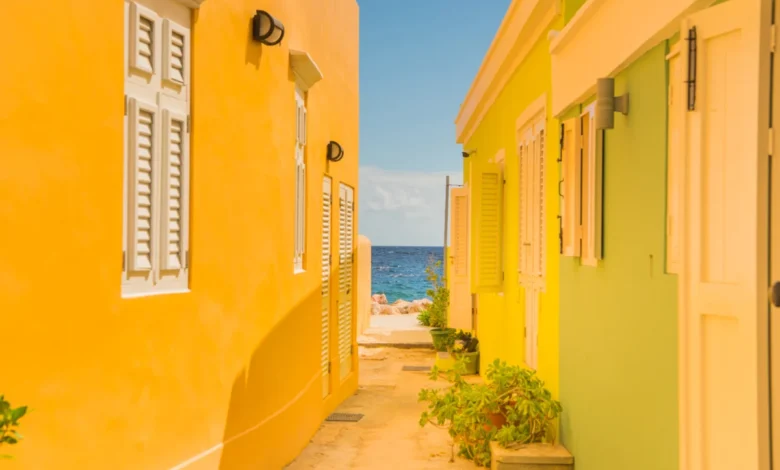
Traveling to Curacao requires a departure from passive consumption in favor of active engagement. The island’s appeal lies in its complexity—the contrast between the vibrant, colonial architecture of Willemstad and the stark, windswept landscapes of the west.
For the modern traveler, the directive is clear: prioritize the local, respect the environmental mandates, and seek to understand the history behind the current experience. Whether it is a lunch at the Old Market or a day spent observing the sea turtle populations of Klein Curacao, the value of the trip is found in the connection to the place itself. As Curacao navigates the future of its tourism sector, the role of the informed, responsible visitor will remain the most significant factor in maintaining the integrity and character of this unique Caribbean destination. By aligning individual travel habits with the needs of the local community, visitors ensure that Curacao remains a vibrant, authentic, and sustainable destination for years to come.